
Supta Akunchanasana (Therapy)
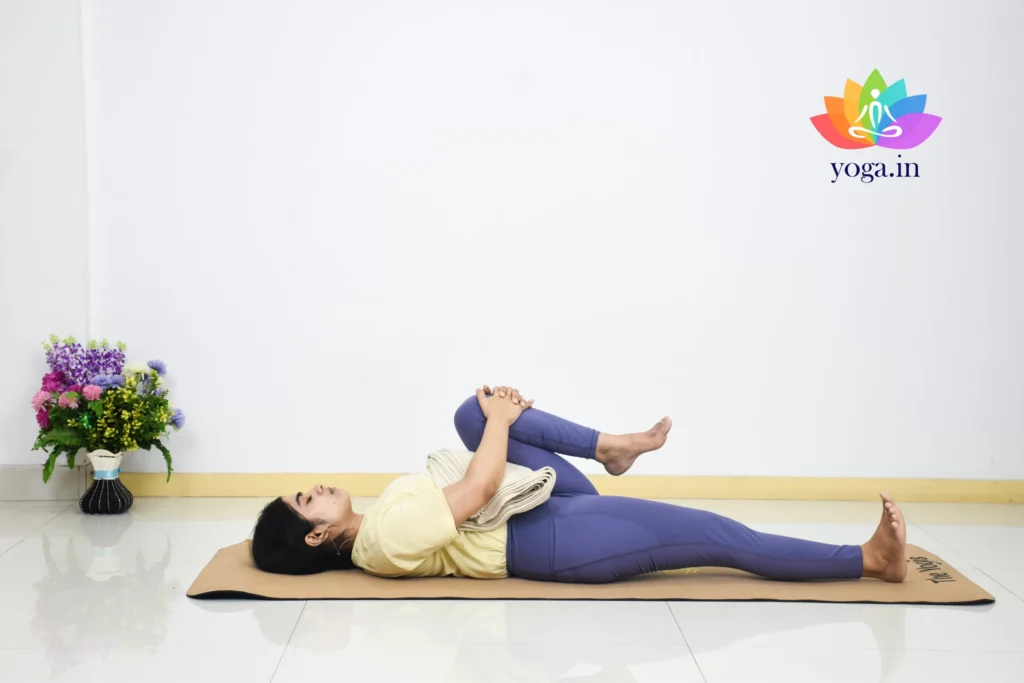
The name is derived from the Sanskrit, supta, meaning “sleeping” or “reclined,”, Akunchana meaning “bending” and Asana means “Pose” or “seat”.
Shalabhasana (Therapy)
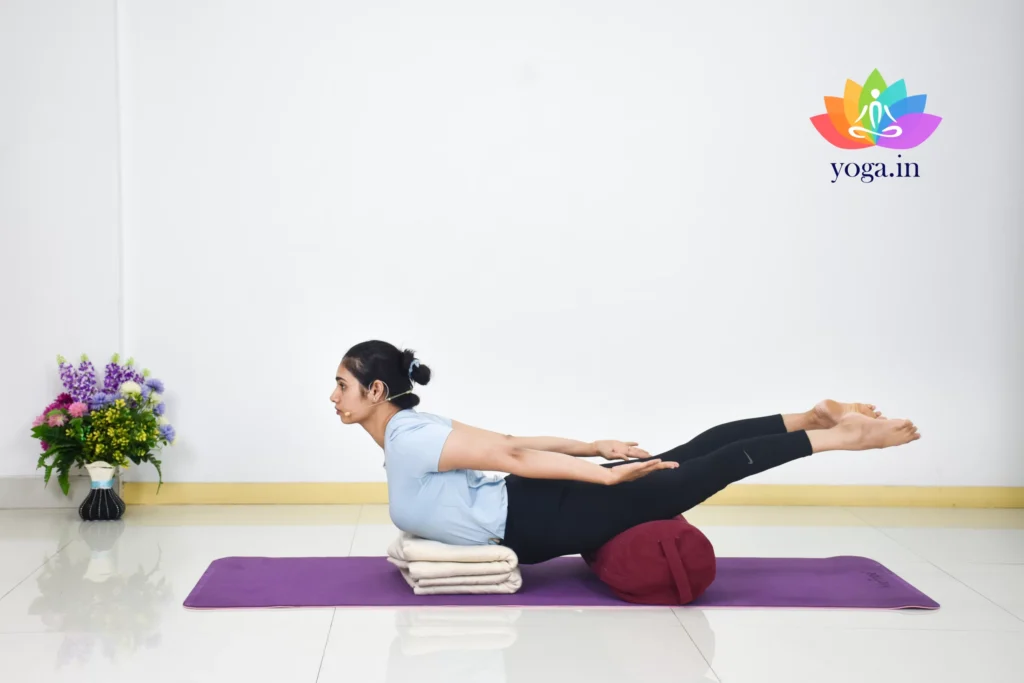
The Sanskrit name is derived from Salabha (शलभा) meaning locust and āsana (आसन) meaning “posture” or “seat” *The pose resembles that a locust resting on the ground.
Setubandha Sarvangasana (Therapy)
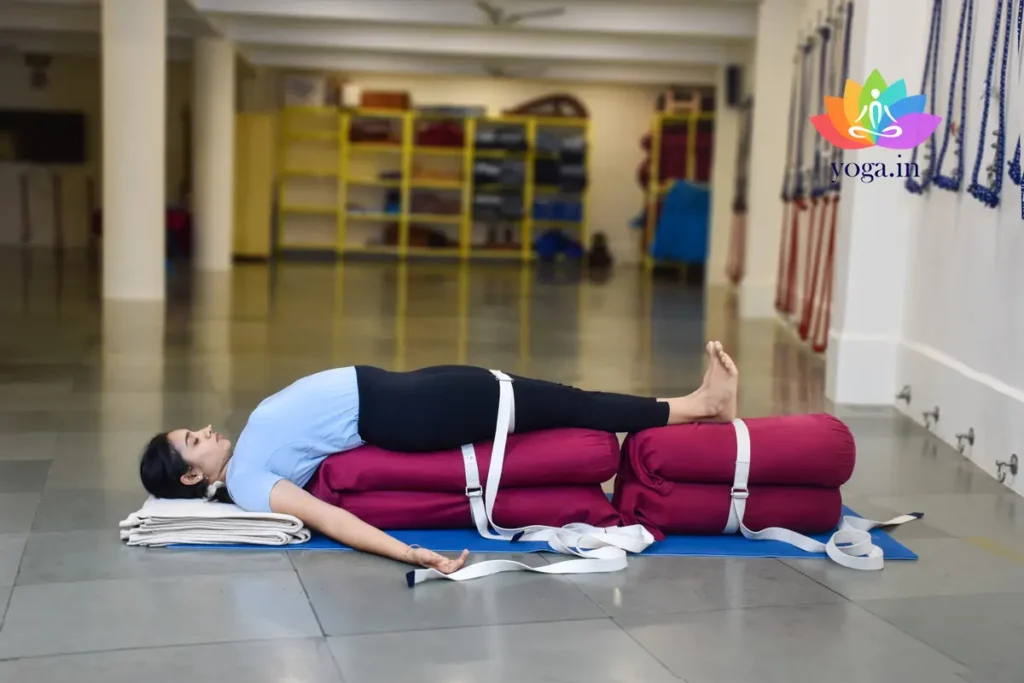
The Sanskrit name is derived from Setu (सेतु) meaning bridge, Bandha (बन्धा) meaning lock and āsana (आसन) meaning “posture” or “seat”.
Savasana (Therapy)
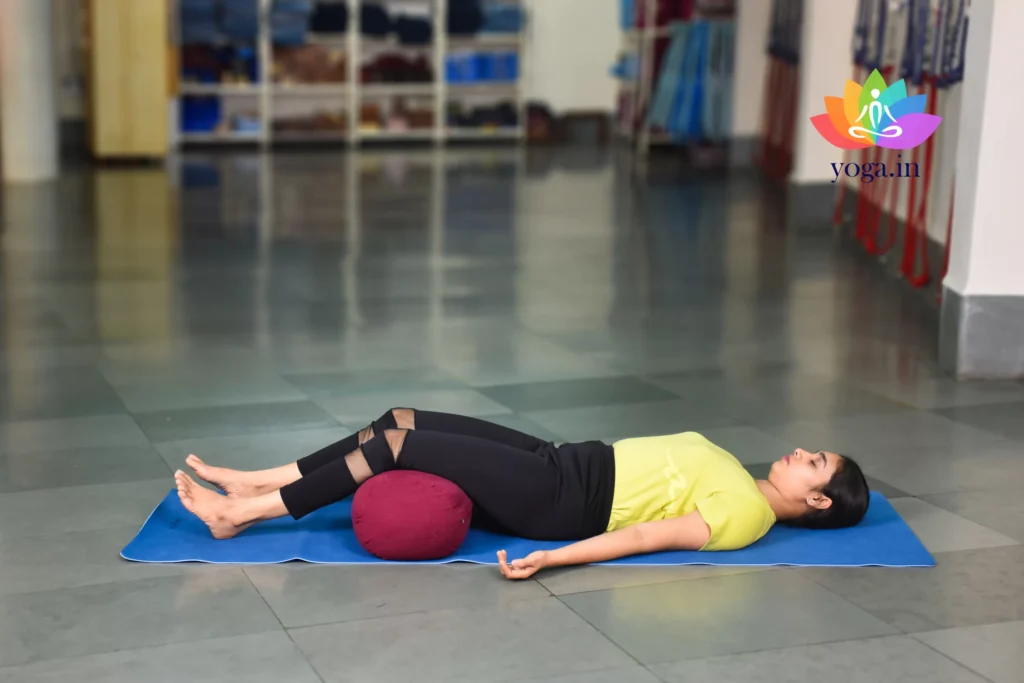
The sanskrit name is derived from Śava (शव) meaning “corpse” and āsana (आसन) meaning “posture” or “seat”
Salamba Sarvangasana (Therapy)
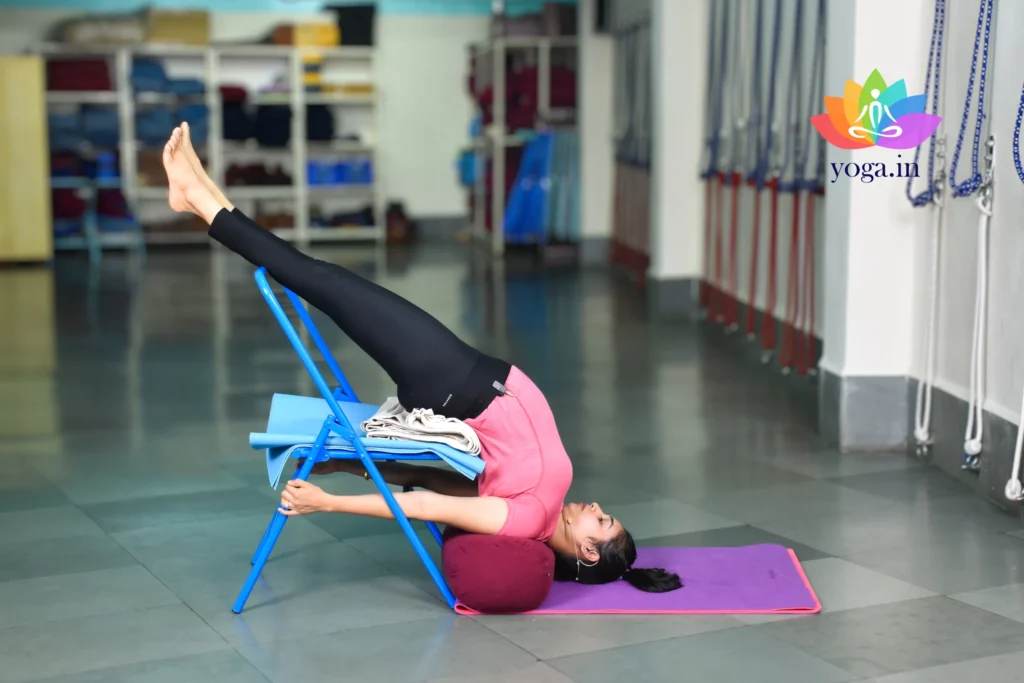
The sanskrit name is derived from Salamba (सलाम्बा) means ” supported”, Sarva (सर्वाङ्ग) meaning all, anga meaning body part and and āsana (आसन) meaning “posture” or “seat”.
Parivrtta Trikonasana (Therapy)
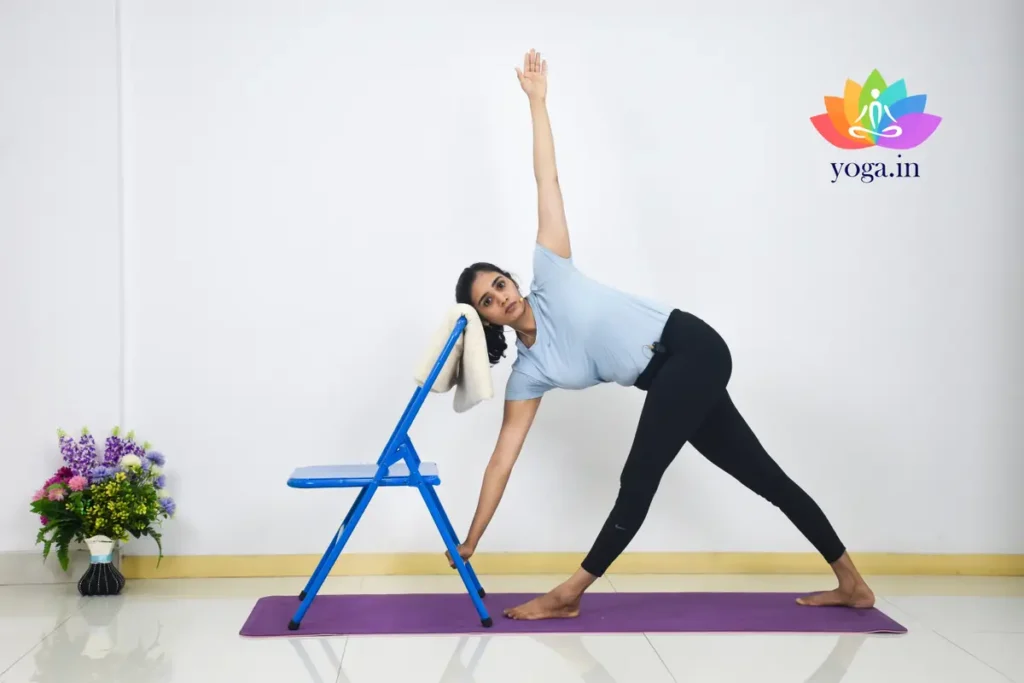
The name comes from the Sanskrit parivrtta meaning “revolve,” trikona, meaning “triangle,” and asana meaning “posture.”
Parivritta parshvkonasana (Therapy)
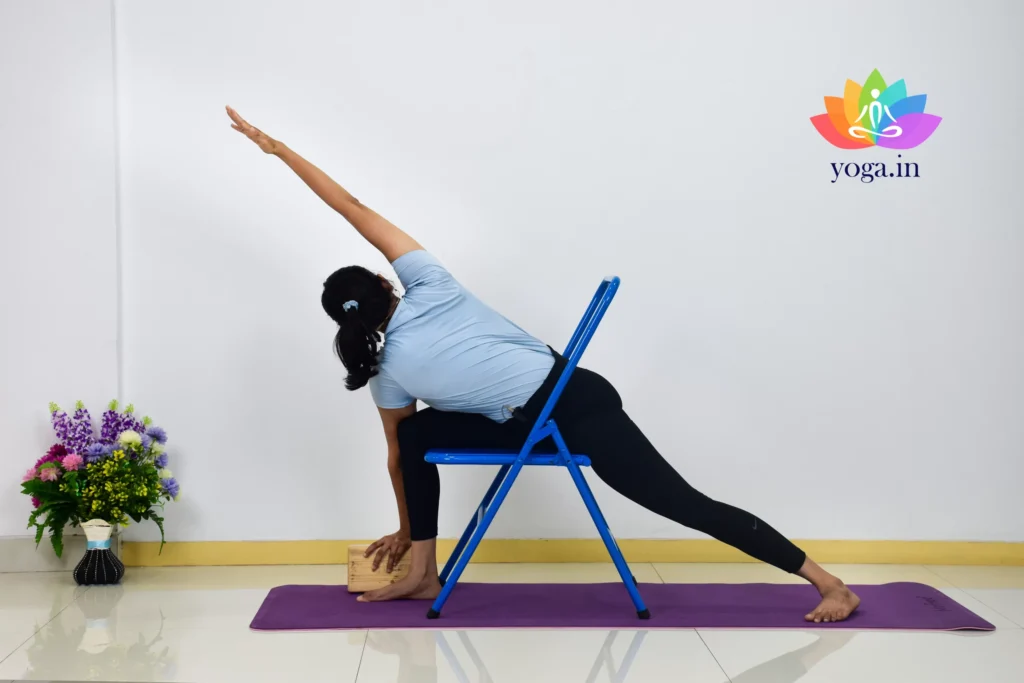
The name derives from Sanskrit terms ‘parivrtta’ meaning revolving, ‘parsva’ meaning side, ‘kona’ meaning angle, and ‘asana’ meaning posture.
Purvottanasana (Therapy)
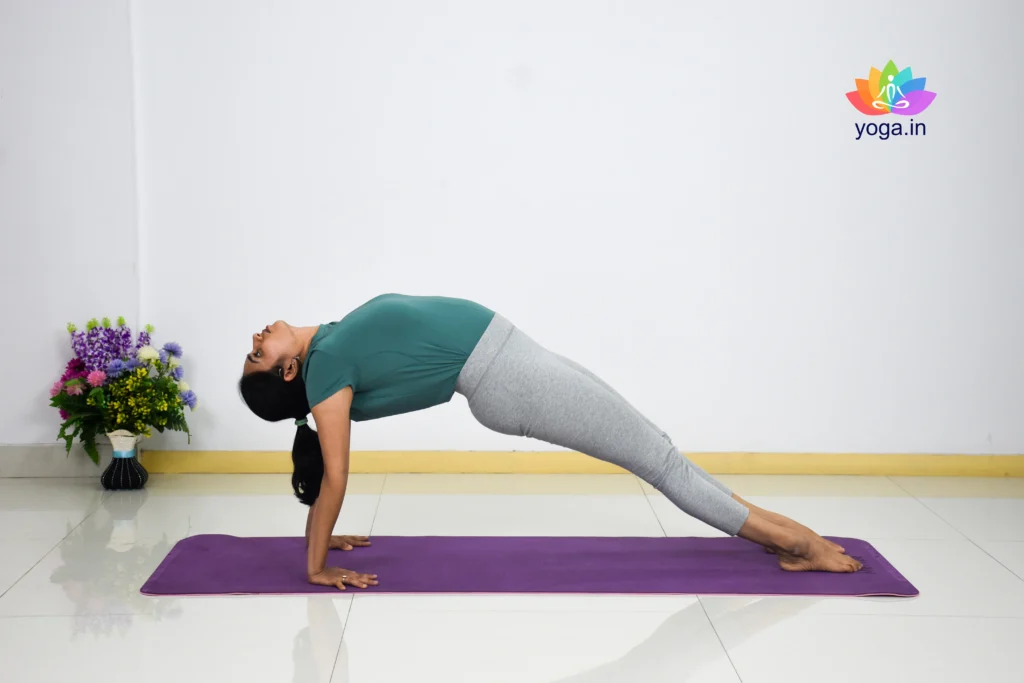
Purvottanasana, or Reverse Plank Pose, translates to “Intense East Stretch Pose” in Sanskrit. In this pose, the body is lifted into a plank-like position with the face up, stretching the front of the body and strengthening the back.
Prasarita padottanasana (Chin support) (Therapy)
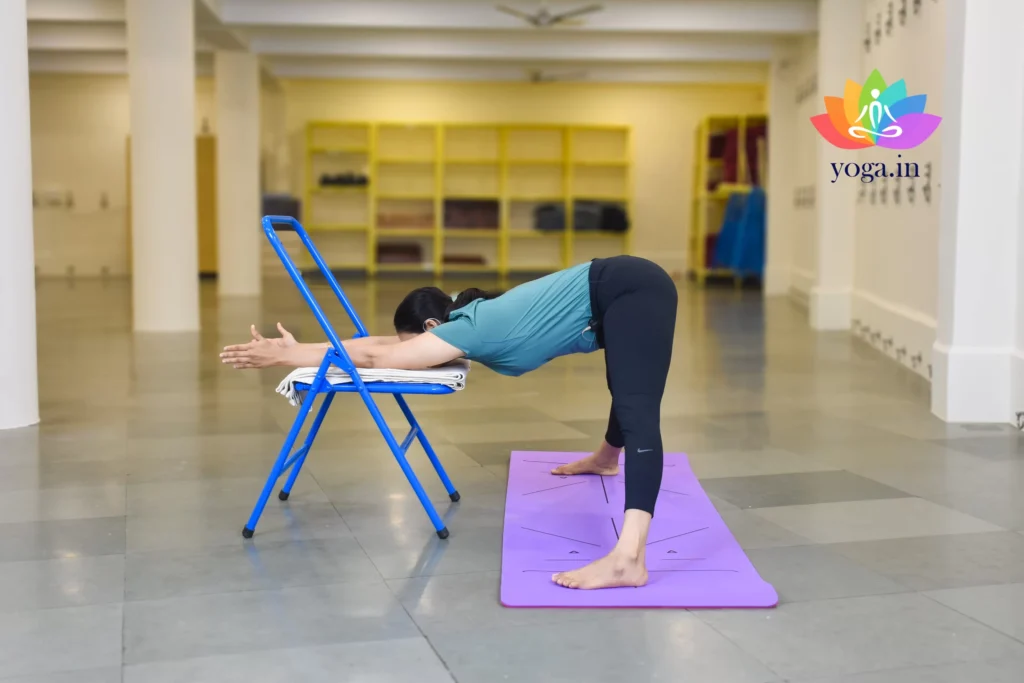
The Sanskrit name is derived from Prasārita (प्रसारित) meaning spread out or extended, Pada (पाद) meaning foot, Uttan (उत्तान) meaning extended and asana (आसन) meaning posture or seat.
Pinchamayurasana (Therapy)
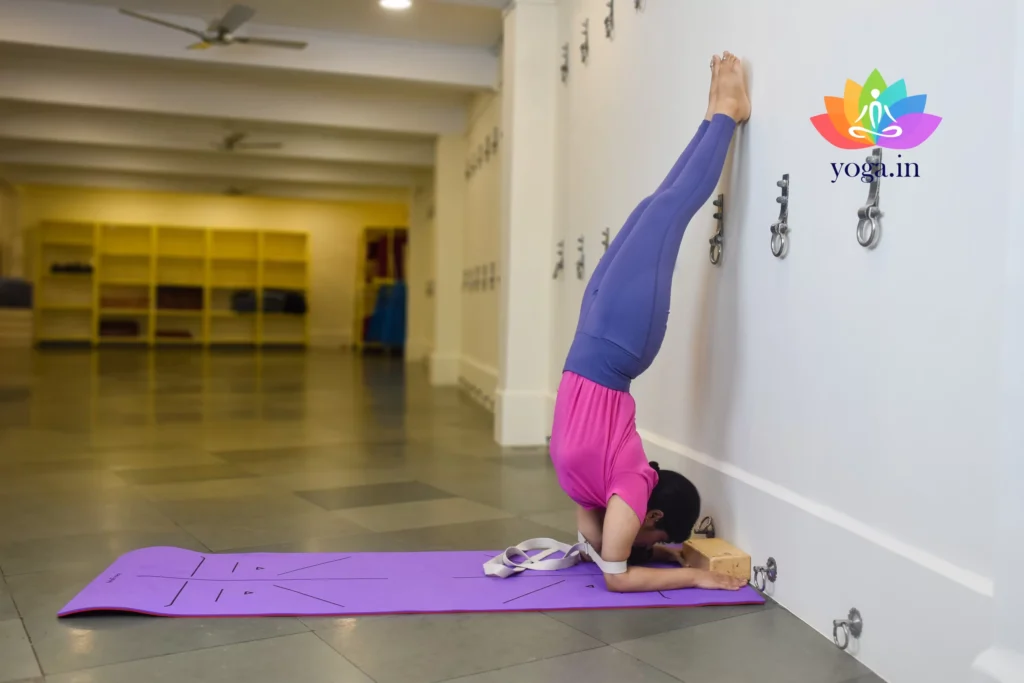
The Sanskrit name is derived from Pincha (पिञ्च ) meaning feather, Mayur (मयूर) meaning peacock and asana (आसन) meaning posture or seat.