The Sanskrit name is derived from Pincha (पिञ्च ) meaning feather, Mayur (मयूर) meaning peacock and asana (आसन) meaning posture or seat.
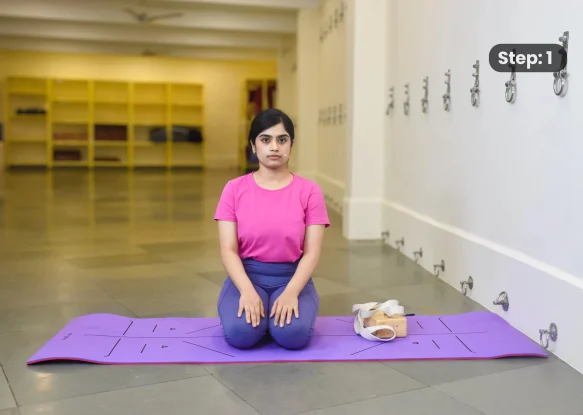
Come onto your hands and knees on your mat.
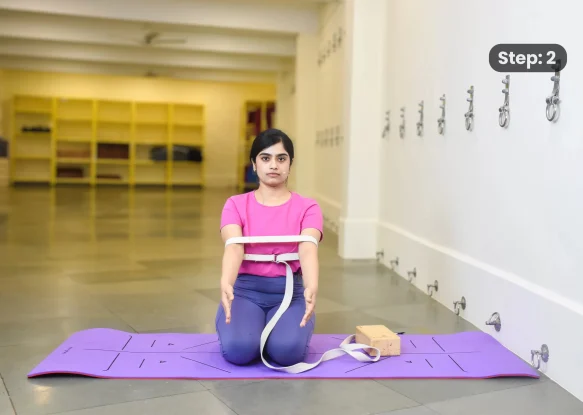
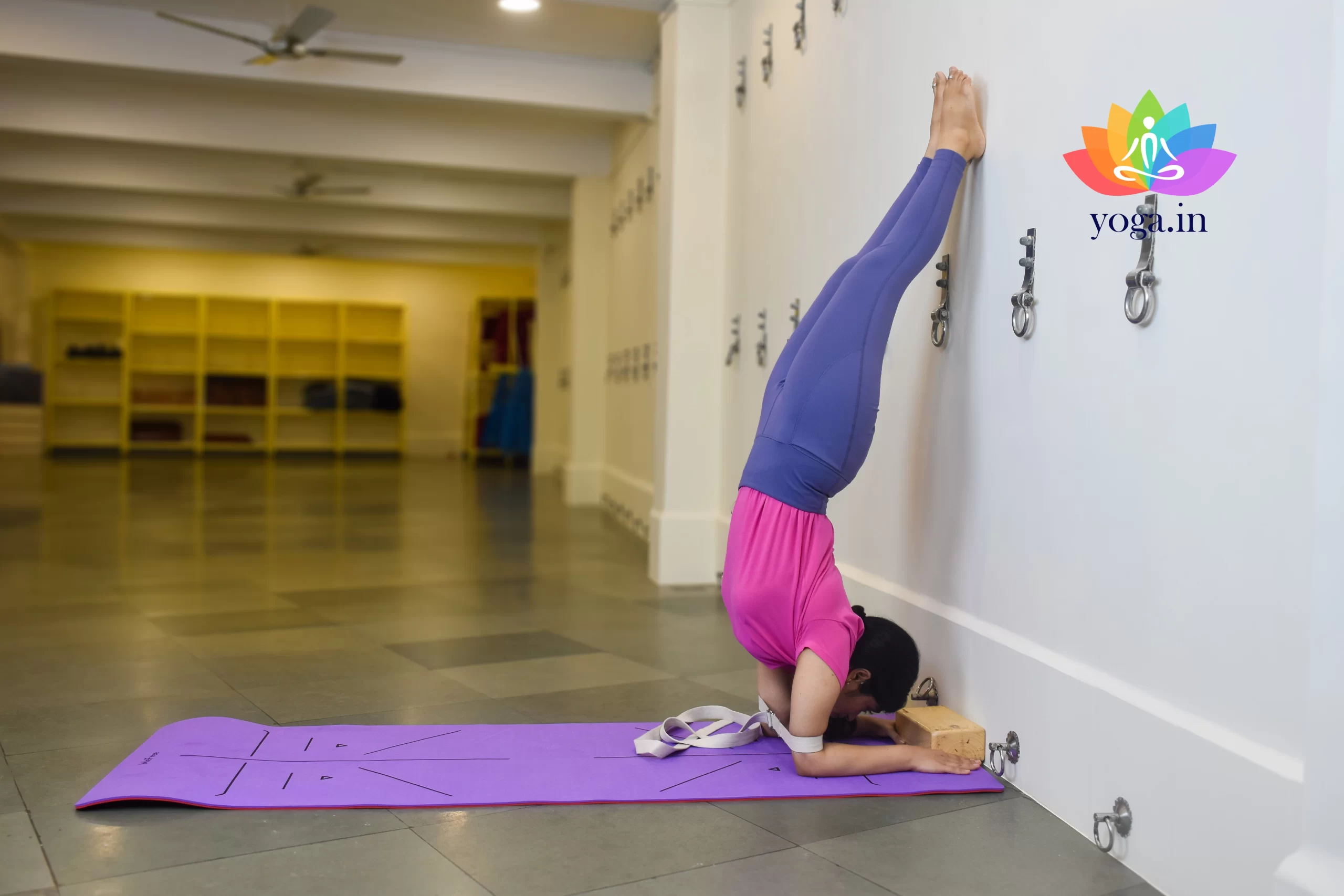
Tie a loop of belt in your both the arms to keep the arms & elbows in line with the shoulders.
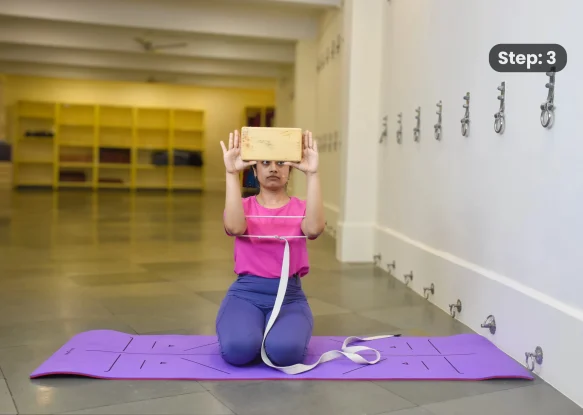
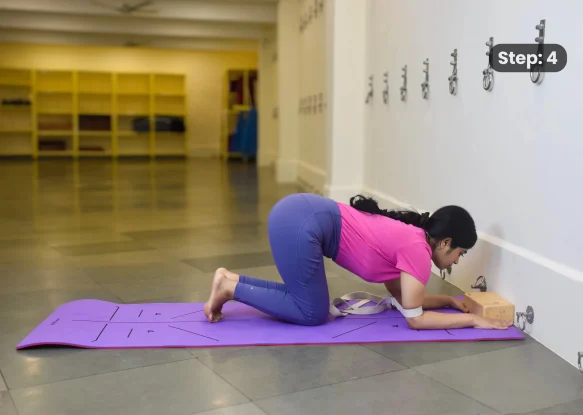
Place your forearms on the mat with the block positioned between your hands.
Your forearms should be parallel and shoulder-width apart, supported by the belt.
Press your forearms firmly into the mat and grip the block with your hands.
Spread your fingers wide and press down through your fingertips.
Engage your shoulders by drawing them away from your ears and pressing your shoulder blades towards your spine.
Engage your core muscles to support your spine and maintain stability.
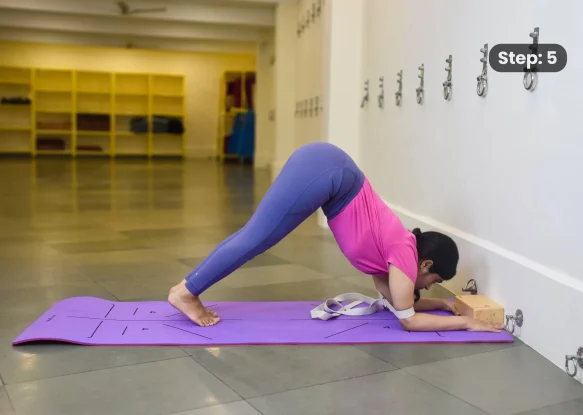
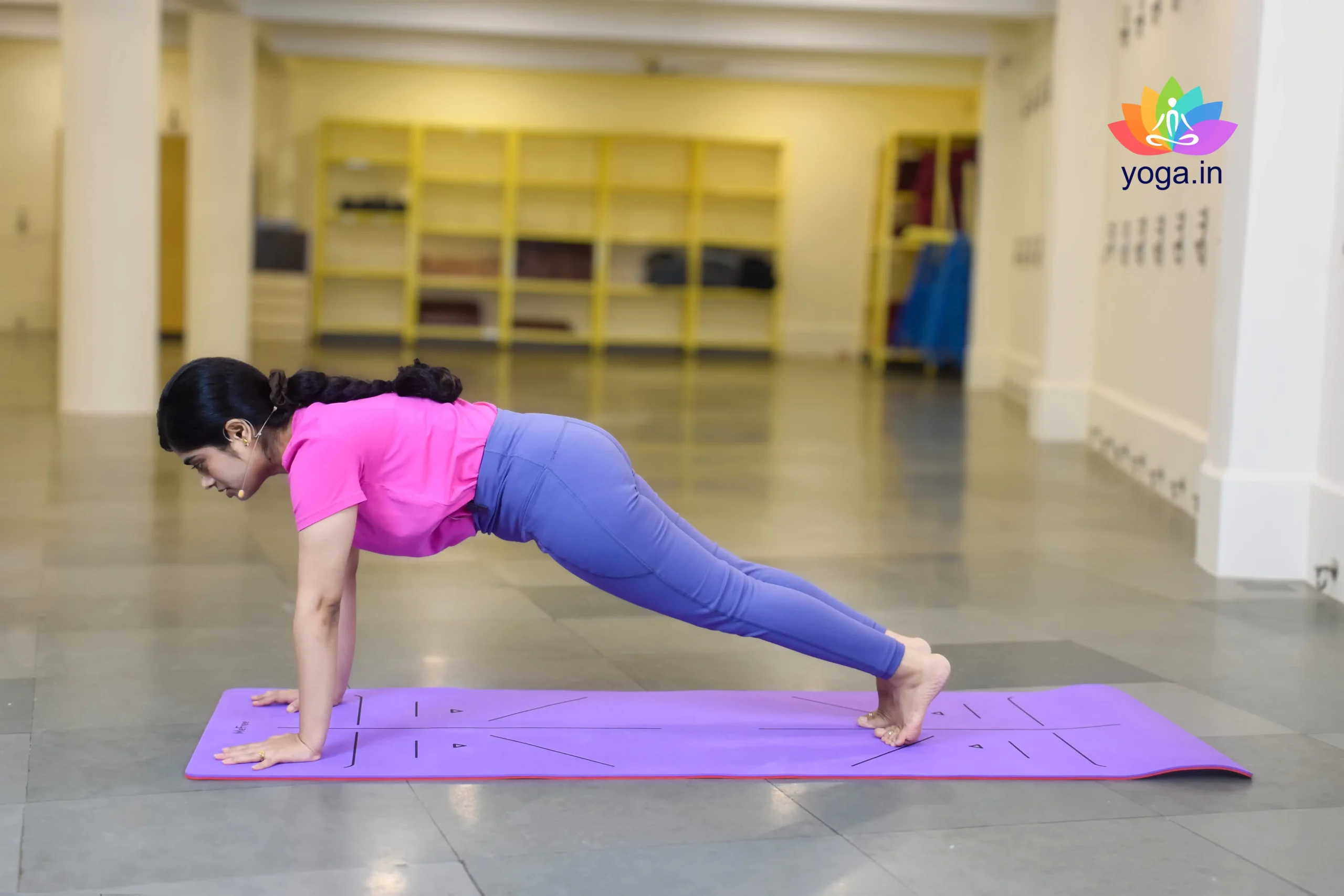
Tuck your toes under and lift your hips up, coming into Dolphin Pose.
Walk your feet closer to your elbows to bring your hips over your shoulders.
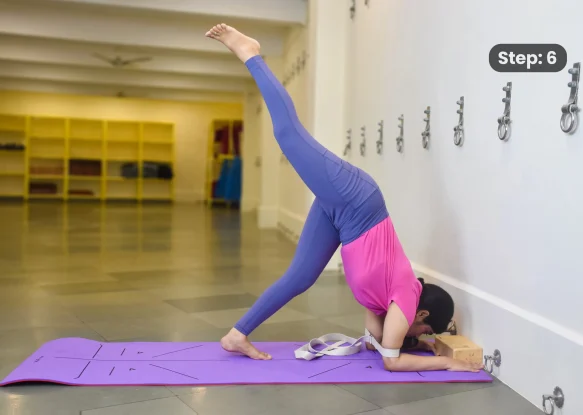
Shift your weight onto your forearms and lift one leg up towards the ceiling.
Engage your core and use the strength of your shoulders and arms to help lift the other leg off the ground.
If needed, use a small hop to help lift both legs up.
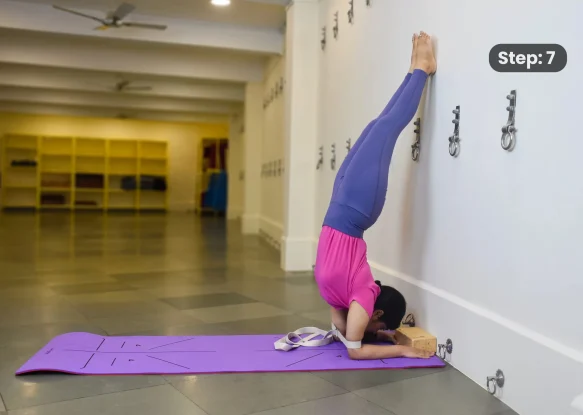
Once both legs are up, engage your legs and bring them together or keep them slightly apart (hip-width).
Keep your toes pointed and legs active, creating a long line from your feet to your forearms.
Ensure your shoulders stay directly over your elbows, supported by the belt.
Breathe deeply and steadily, focusing on maintaining your alignment.
Hold the pose for a few breaths or as long as comfortable.
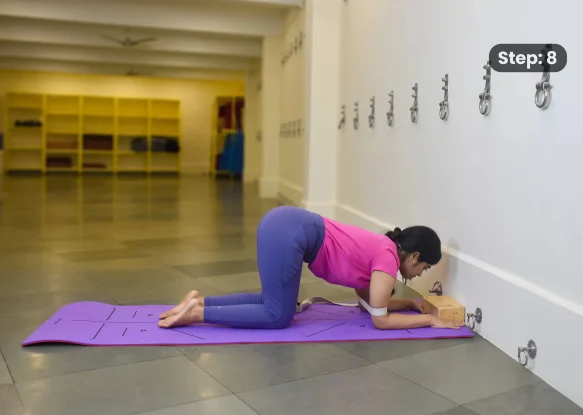
To come down, slowly lower one leg at a time back to the mat.
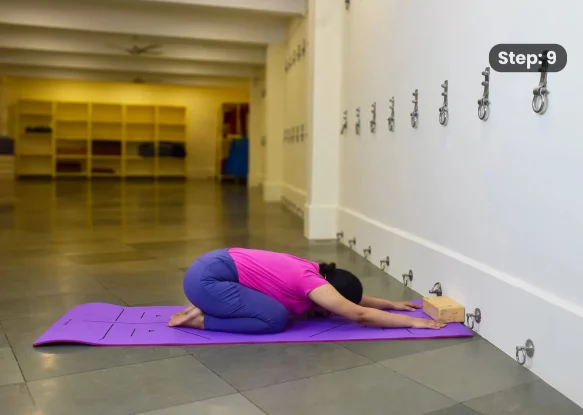
Rest in Child’s Pose (Balasana) or a seated position to recover.
Keep your shoulders directly over your elbows, maintaining a 90-degree angle.
Engage your shoulder girdle to stabilize and lift, avoiding sinking into the shoulders.
Engage your core muscles to support your spine and maintain balance.
Draw your navel towards your spine to create stability in the midsection.
Engage your glutes and inner thighs to help lift your legs and maintain alignment.
Balancing on your forearms restricts how much you can flex your shoulder joints
Ensuring that the elbows stay in line
Avoid in case of suffering from any cardiovascular diseases
Avoid in case of suffering from arthritis
Avoid in case of asthma & cold or cough
The sanskrit name is derived from sirsa
The name is derived from Sanskrit words,
The term is derived from two Sanskrit
The Sanskrit name is derived from Setu
The sanskrit name is derived from Śava
The sanskrit name is derived from Salamba
Please login with social account to support this post.