
Urdhva Baddhanguliyasana (Therapy)
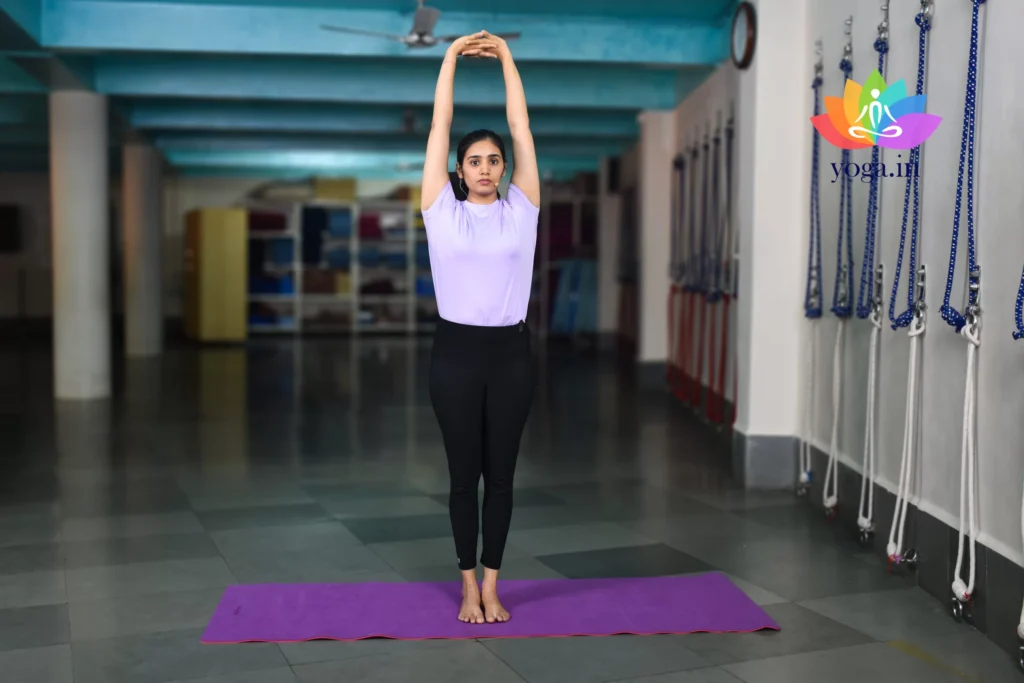
The name comes from the Sanskrit word Urdhva means “upward” and baddha indicates “caught” or “bound,” while anguli translates as “fingers” & asana meaning pose.
Tadasana (Therapy)
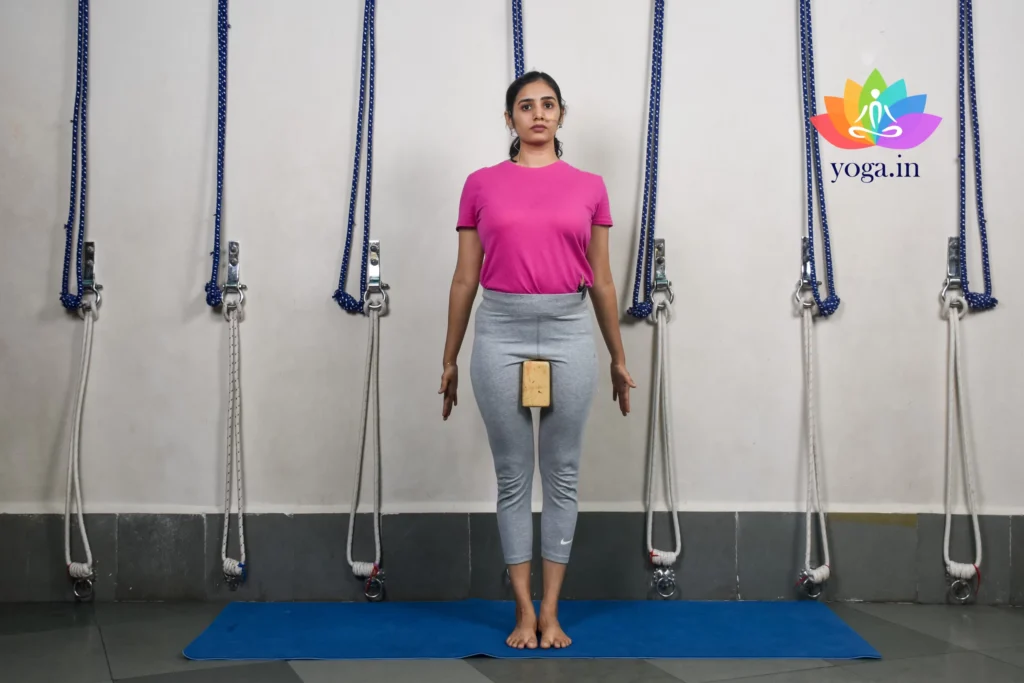
The Sanskrit name is derived from Tada (ताड़ा) meaning mountain and Asana (आसन) meaning posture or seat.
Surya Namaskara (Therapy)
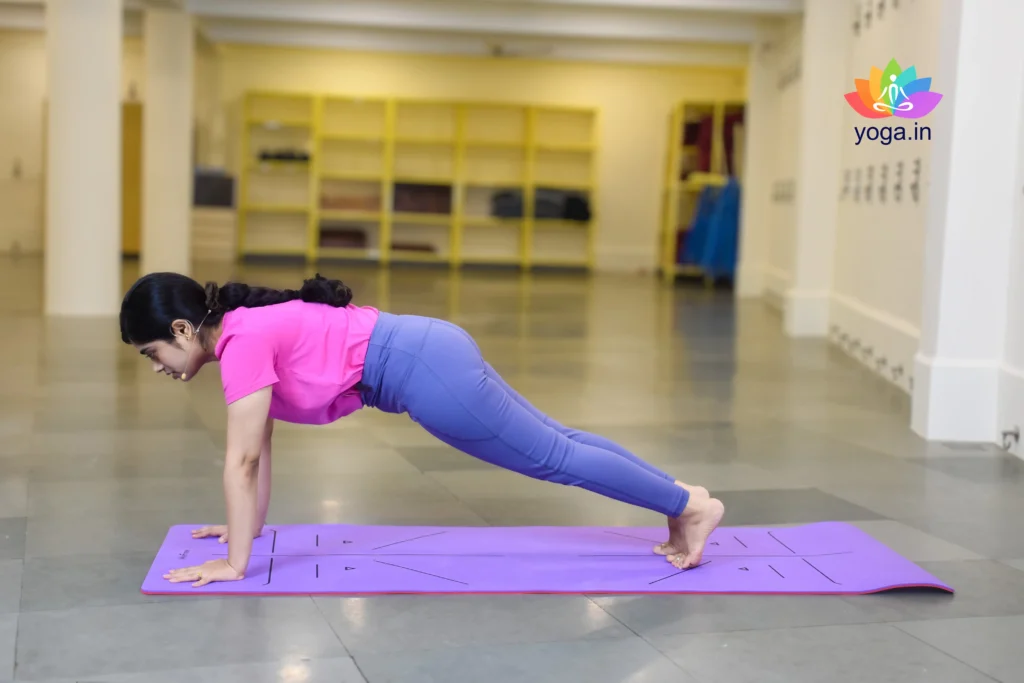
The term is derived from two Sanskrit roots surya meaning “sun” and namaskar meaning “greetings” or ‘salutations’”.
Supta virasana (Therapy)

The Sanskrit name is derived from “supta” means “reclined” “vira” meaning “hero” and “asana” means “pose”.
Supta swastikasana (Therapy)
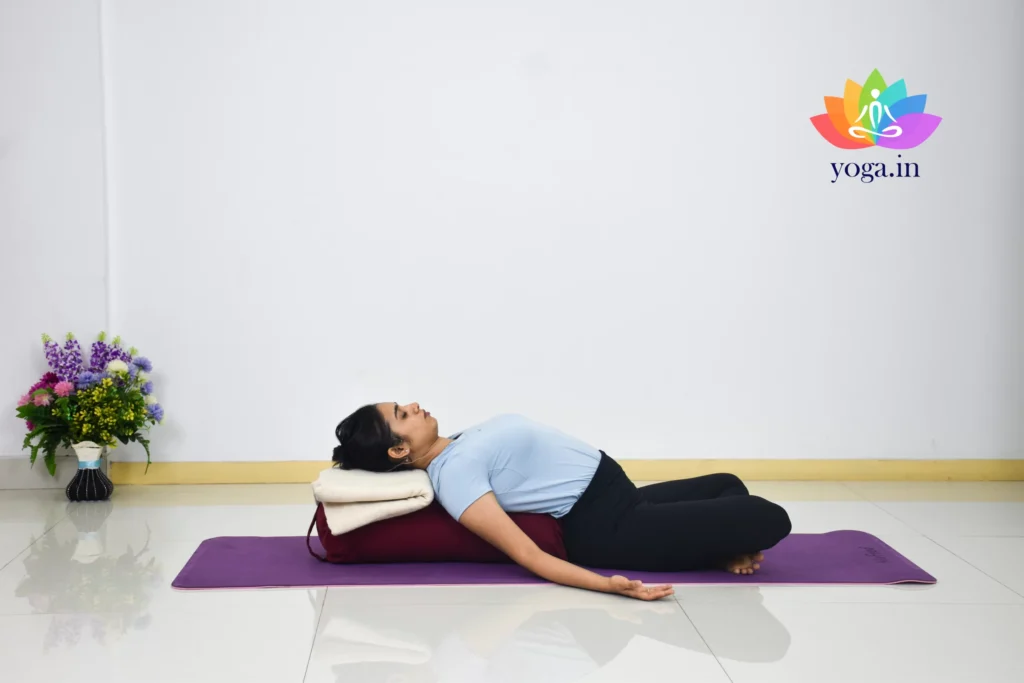
The Sanskrit name is derived from “Supta” means ” supine” and “swastika” is auspicious and asana meaning “posture” or “seat”.
Supta padangushthasana – 3 (Therapy)

The Sanskrit name is derived from Supta (सुप्त) meaning ‘supine or recline’, ‘Pada’ meaning foot’, ‘Angustha’ meaning ‘Big toe’ and āsana (आसन) meaning “posture” or “seat”.
Supta padangushthasana – 2 (Therapy)

The Sanskrit name is derived from Supta (सुप्त) meaning ‘supine or recline’, ‘pada’ meaning foot’, ‘Angustha’ meaning ‘Big toe’ and āsana (आसन) meaning “posture” or “seat”.
Supta padangushthasana (Therapy)

The Sanskrit name is derived from Supta (सुप्त) meaning ‘supine or recline’, ‘pada’ meaning foot’, ‘Angustha’ meaning ‘Big toe’ and āsana (आसन) meaning “posture” or “seat”.
Supta Matsyendrasana (Therapy)

The sanskrit name is derived from supta (सुप्त) means supine, matsya (मत्स्य) meaning fish, Indra (इन्द्र) meaning king and asana (आसन) meaning posture or seat Matsyendra was a yogi and student of the Hindu god, Lord Shiva.
Supta Baddha Konasana (Therapy)

The Sanskrit name is derived from supta, which means “reclining,” baddha, which means “bound,” kona, which means “angle,” and asana, which means posture or seat.