The Sanskrit name is derived from Tada (ताड़ा) meaning mountain and Asana (आसन) meaning posture or seat.
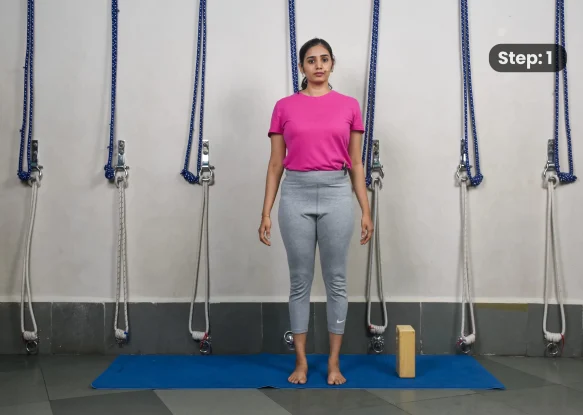
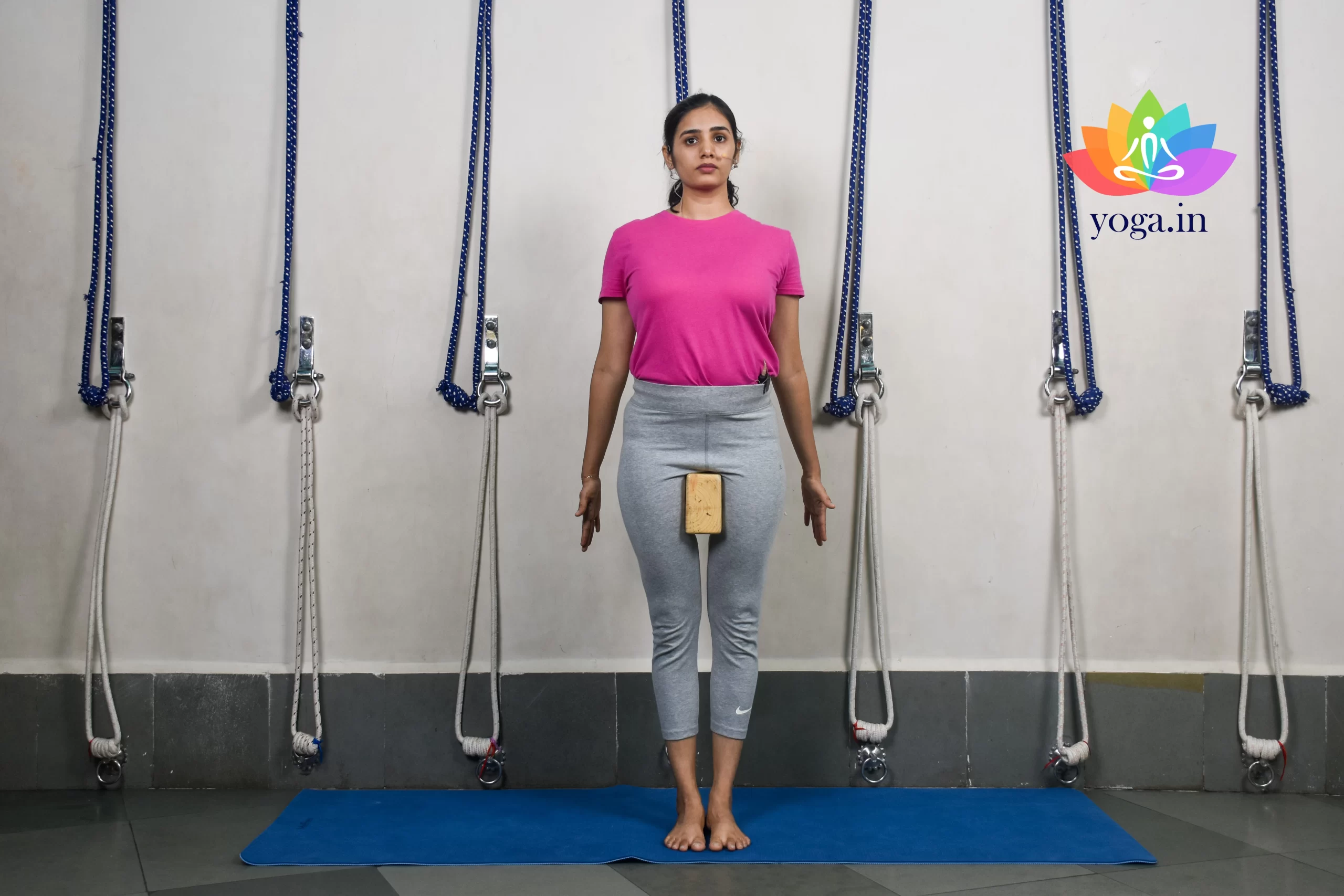
Begin by standing at the top of your yoga mat with your feet hip-width apart and parallel to each other.
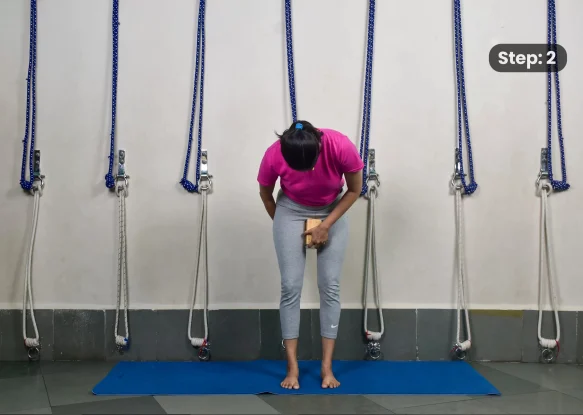
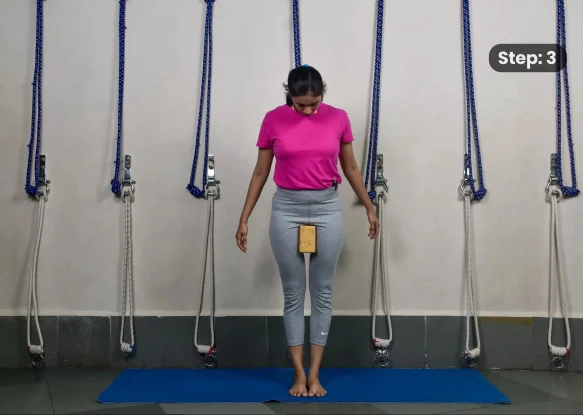
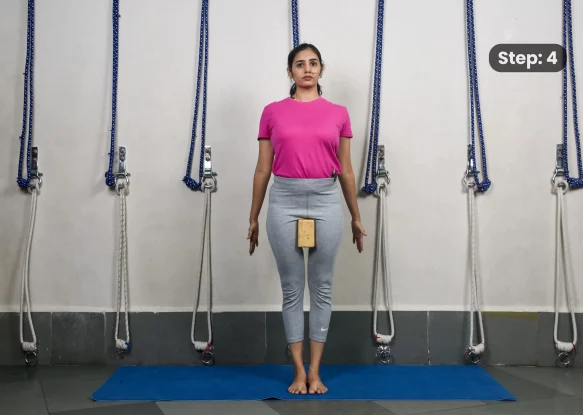
you can place a yoga brick between your thighs to engage the inner thighs and promote alignment.
Root down through your feet, spreading your toes and distributing your weight evenly across all four corners of each foot.
Engage your leg muscles by lifting your kneecaps and firming your thighs.
Align your pelvis so that it is in a neutral position, neither tilting forward nor backward.
Engage your lower abdominals to support your lower back and maintain stability in your pelvis.
Lengthen your spine upward.
Roll your shoulders back and down, broadening across your collarbones.
Keep your chin parallel to the floor and your gaze straight ahead, with your ears aligned over your shoulders.
Relax your facial muscles and soften your jaw.
Hold Tadasana for 5-10 breaths or longer, maintaining awareness of your alignment and breath throughout the pose.
Gently release the pose.
Avoid overarching or collapsing in your lower back by maintaining a neutral spine.
Ensure that you’re aligned from your feet to your head, with no excessive tension.
Thigh rotation happens in case of beginner
Putting weight on the toes
Rounding the shoulders forward
Avoid in pregnancy
Avoid if suffering from headaches or migraine
Avoid if Insomnia
Avoid if suffering from low blood pressure
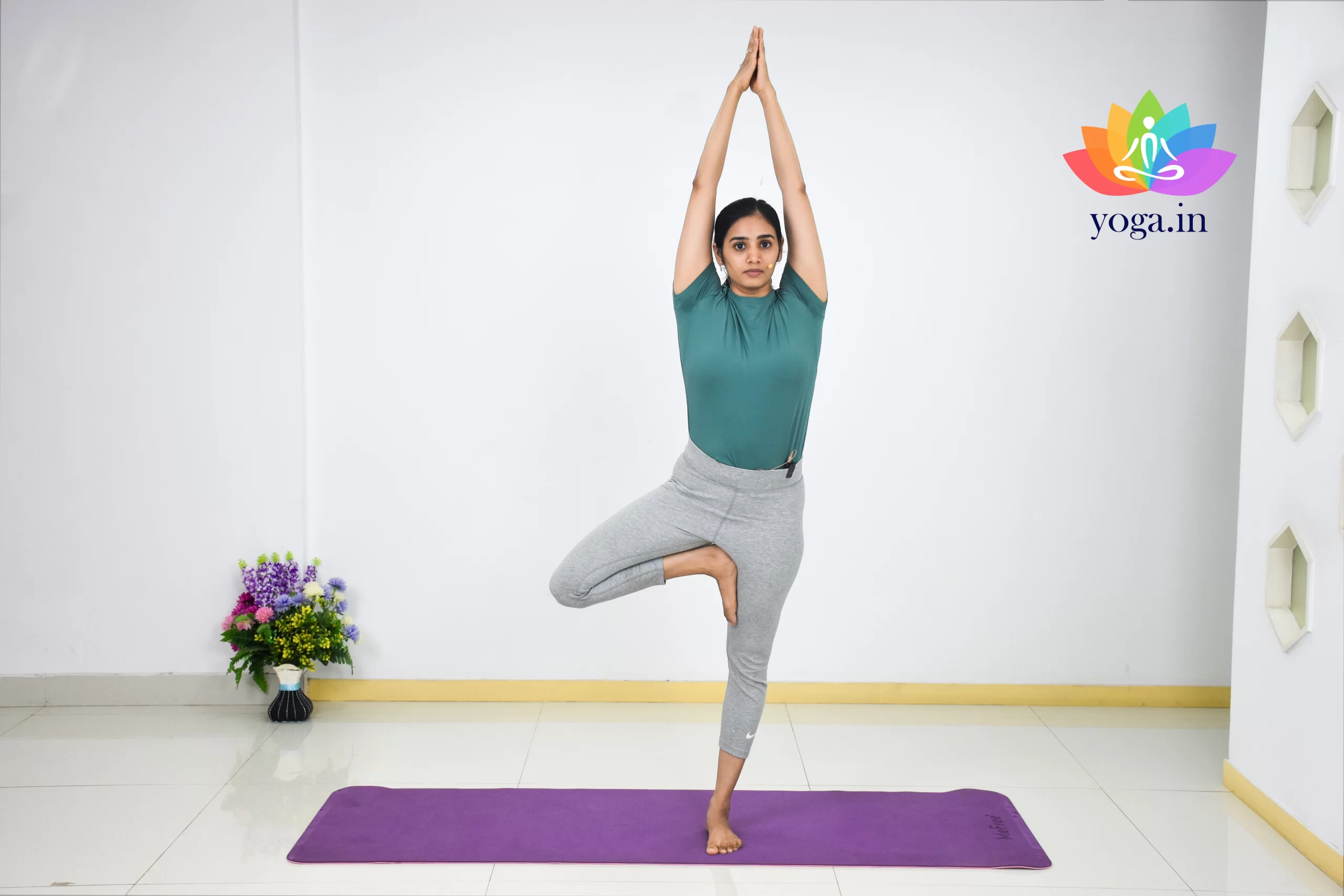
The Sanskrit name is derived from vrksa
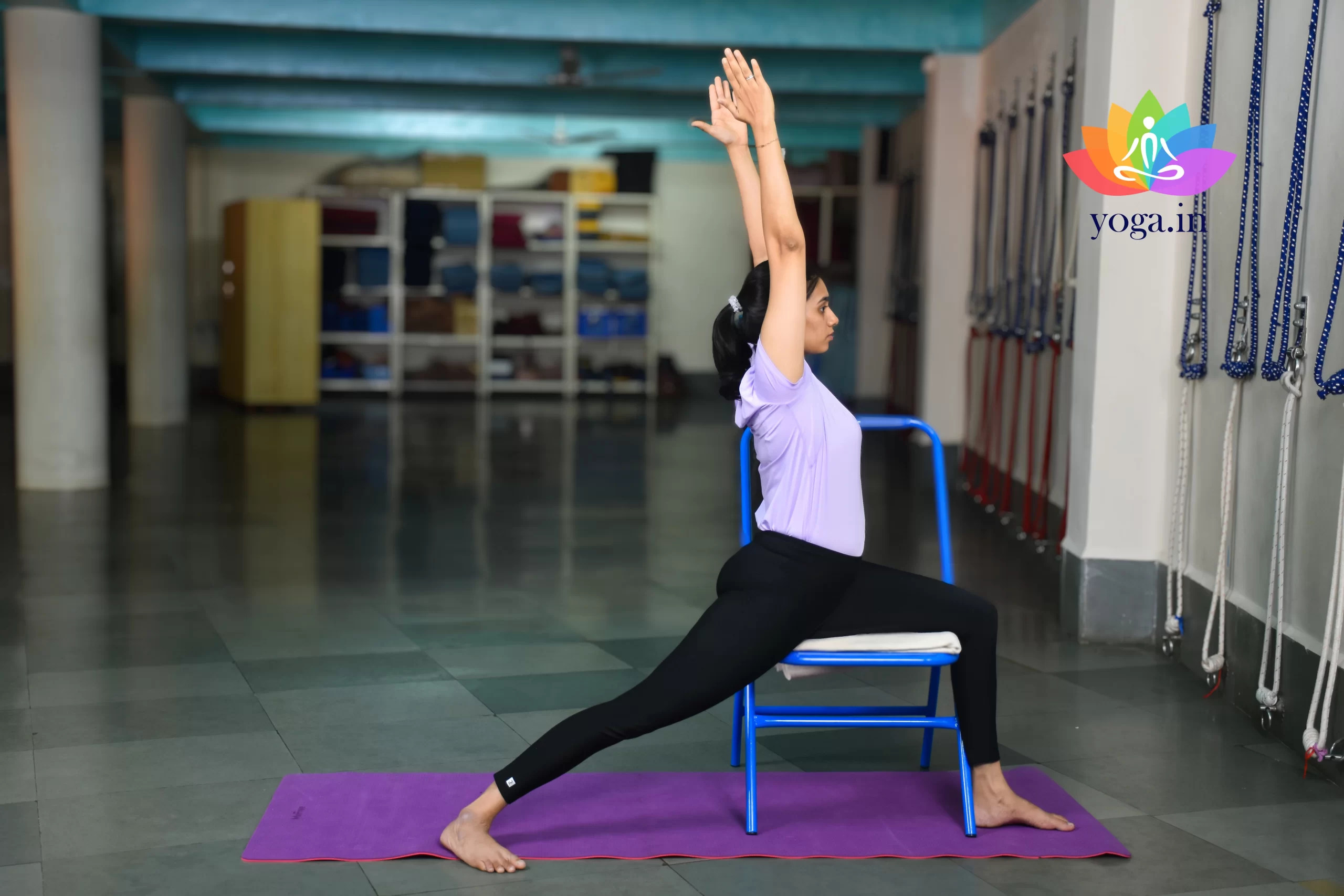
The sanskrit name is derived from Vira
The Sanskrit name is derived from Vira
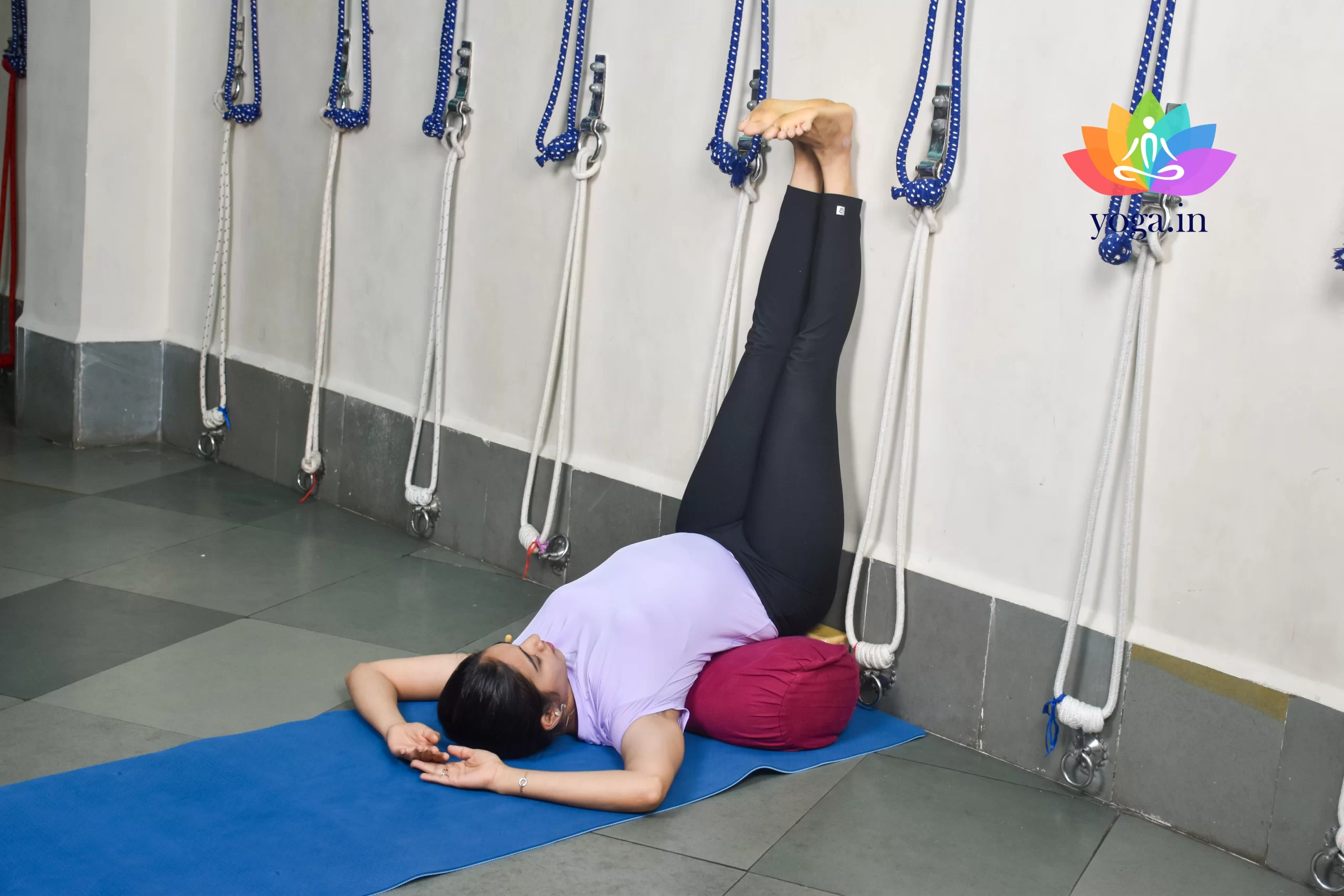
The Sanskrit name is derived from Viparita
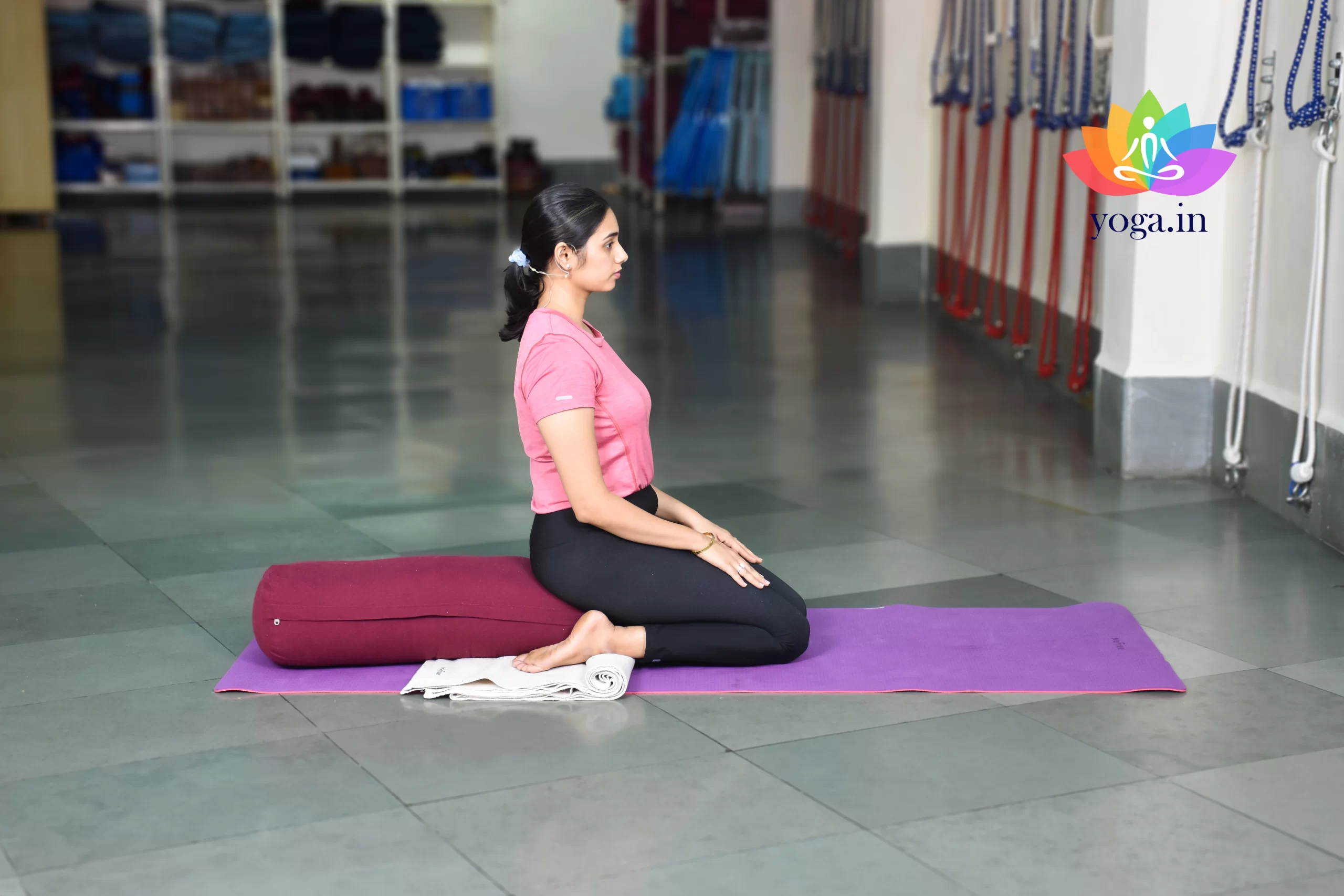
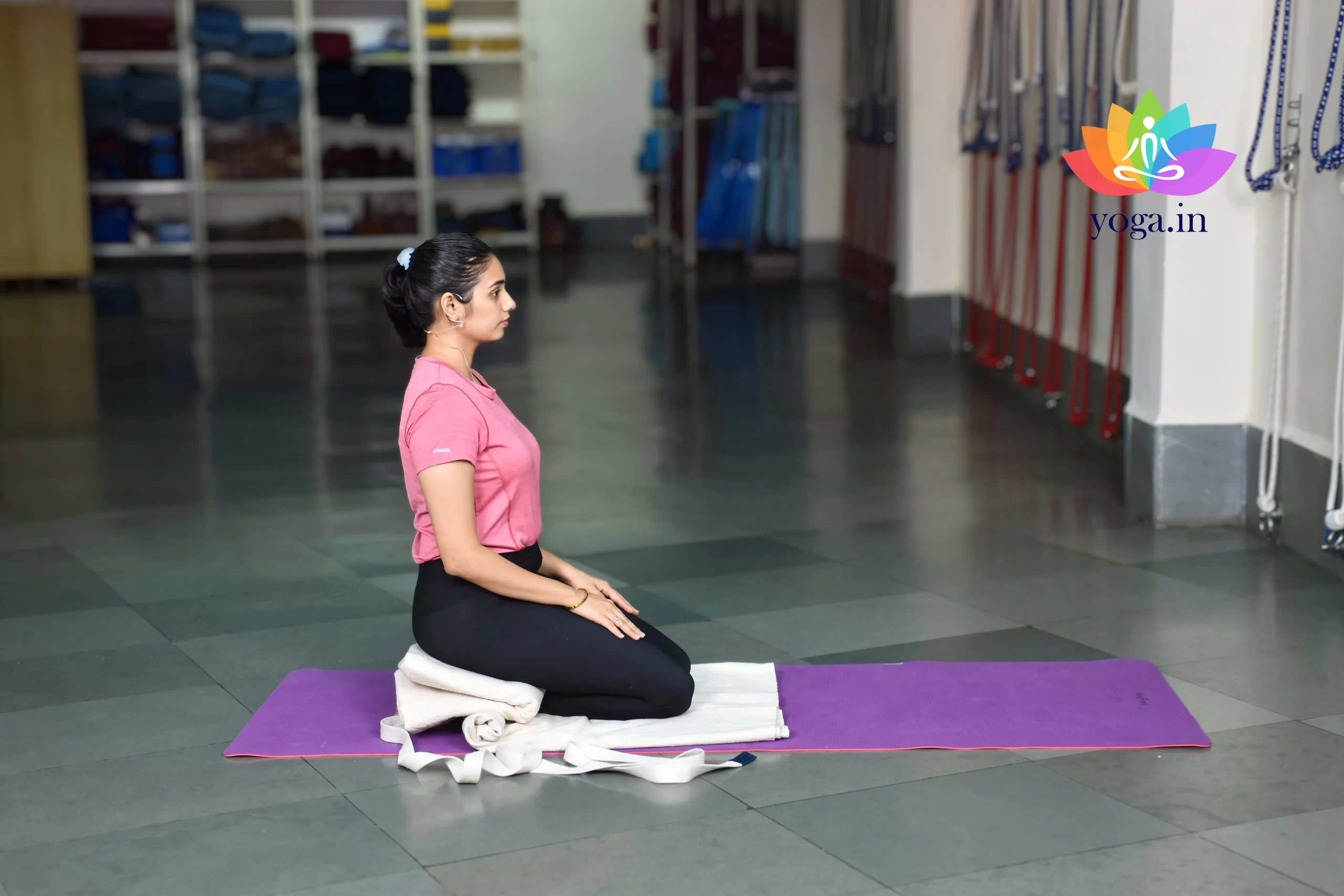
The Sanskrit term Vajra (वज्र) meaning thunderbolt
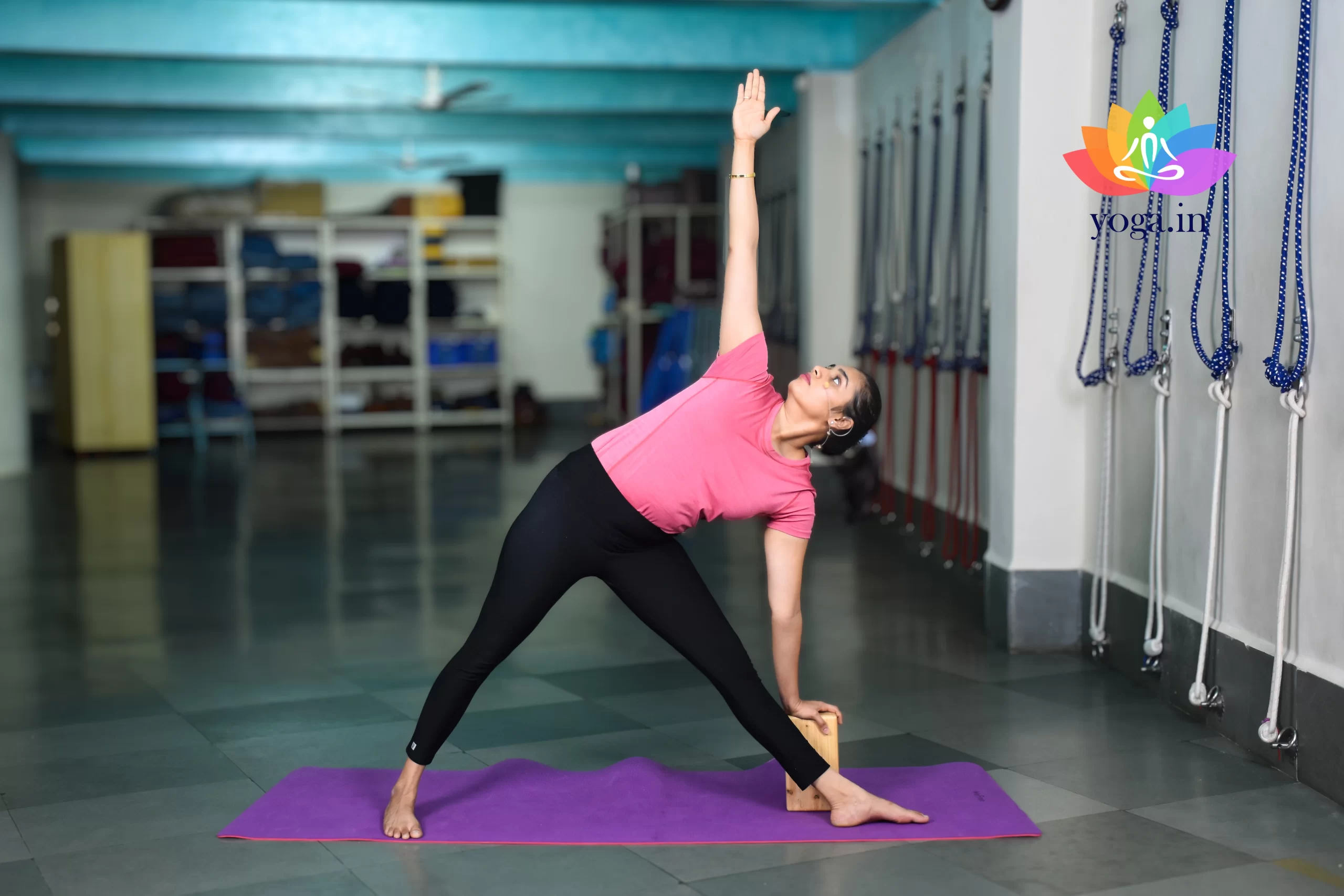
The Sanskrit name comes from the Utthita,
Please login with social account to support this post.