High blood pressure is often called a “silent condition” because it can develop gradually without obvious symptoms. Modern lifestyles often involve long working hours, chronic stress, irregular sleep, poor dietary habits, smoking, alcohol consumption, and limited physical activity—all of which can quietly contribute to high blood pressure over time. In addition, factors such as age, genetics, and certain underlying medical conditions can also increase the risk of developing hypertension.
The Limitations of Medication Alone
Medications such as vasodilators, diuretics, and beta-blockers are commonly prescribed to help control blood pressure and can be highly effective in providing relief. However, some people may experience side effects such as headaches, fatigue, dizziness, or gastric disturbances.
In certain cases, medication dosages may need to be adjusted over time to maintain effectiveness. This is why addressing lifestyle factors alongside medical treatment is important. Yoga offers a complementary approach that focuses on reducing stress, improving overall health, and addressing underlying factors that contribute to high blood pressure.
How Yoga Helps Manage High Blood Pressure
Yoga works on multiple levels of the body and mind. It helps manage blood pressure by de-stressing the nervous system and restoring elasticity to the blood vessels.
Regular yoga practice may help:
- Reduce stress and anxiety
- Improve blood circulation
- Calm the nervous system
- Enhance baroreflex sensitivity, helping the body regulate blood pressure more effectively
- Improve sleep quality
- Support healthy weight management
- Lower resting heart rate
- Enhance emotional balance
One of the key reasons yoga is beneficial for people with high blood pressure is its ability to reduce chronic stress. By encouraging the body to shift from a “fight-or-flight” state into a more relaxed state, yoga helps reduce stress-related strain on the cardiovascular system and supports healthier blood pressure levels over time.
Practicing Yoga Safely with High Blood Pressure
Even if medication has lowered your blood pressure to normal levels, it can still fluctuate, and the underlying causes may persist. For this reason, it is essential to follow the recommended precautions when practicing yoga.
- Avoid intense breath-retention practices.
- Avoid inversions unless they are practiced under the guidance of a qualified yoga teacher and with approval from your healthcare provider.
- Avoid intense or advanced yoga poses.
- Move slowly and mindfully between poses.
- Stop immediately if you feel dizzy, lightheaded, or uncomfortable.
- Continue taking prescribed medications unless advised otherwise by your doctor.
- Consult a healthcare professional if you have uncontrolled hypertension or a heart-related condition.
Using Props for Better Relaxation
Props can play an important role in making yoga more restorative and effective for people with high blood pressure.
The use of an elasto-crepe bandage over the eyes and forehead is often recommended during practice. This gentle support helps relax the facial nerves and the frontal brain, promoting a deeper sense of calm and potentially helping to reduce pressure and mental tension.
Yoga Asanas to Support Healthy Blood Pressure:
A simple standing posture that improves posture, balance, and body awareness.
This gentle standing stretch improves circulation, opens the chest, and promotes better breathing while reducing stiffness in the body.
These seated postures promote proper posture, mindful breathing, and a calm, meditative state, making them ideal for relaxation and pranayama practice. Avoid in case of any knee or ankle issues.
A deeply restorative pose that relaxes the nervous system, relieves stress, and encourages slow, calming breaths.

This pose stretches the shoulders and chest, improves posture, and helps release built-up tension in the upper body.
A mild inversion that stretches the entire body, improves circulation, and promotes relaxation when practiced correctly and comfortably.
A gentle forward fold that promotes relaxation, calms the nervous system, and may help reduce stress-related elevations in blood pressure.
This restorative forward bend encourages deep relaxation, quiets the mind, and may support healthy blood pressure by activating the body’s relaxation response.
A gentle backbend that opens the chest, improves blood flow, and helps reduce fatigue and tension.
One of the most restorative yoga poses, it helps calm the nervous system, reduce stress, and ease fatigue.
- Shava Udarakarshanasana (Universal Spinal Twist)
A gentle twisting pose that improves spinal mobility, supports digestion, and helps release physical tension.
- Supta Baddha Konasana (Reclining Bound Angle Pose)
A restorative posture that opens the chest and hips while encouraging deep relaxation and stress relief.
Breathing Techniques (Pranayama) for High Blood Pressure
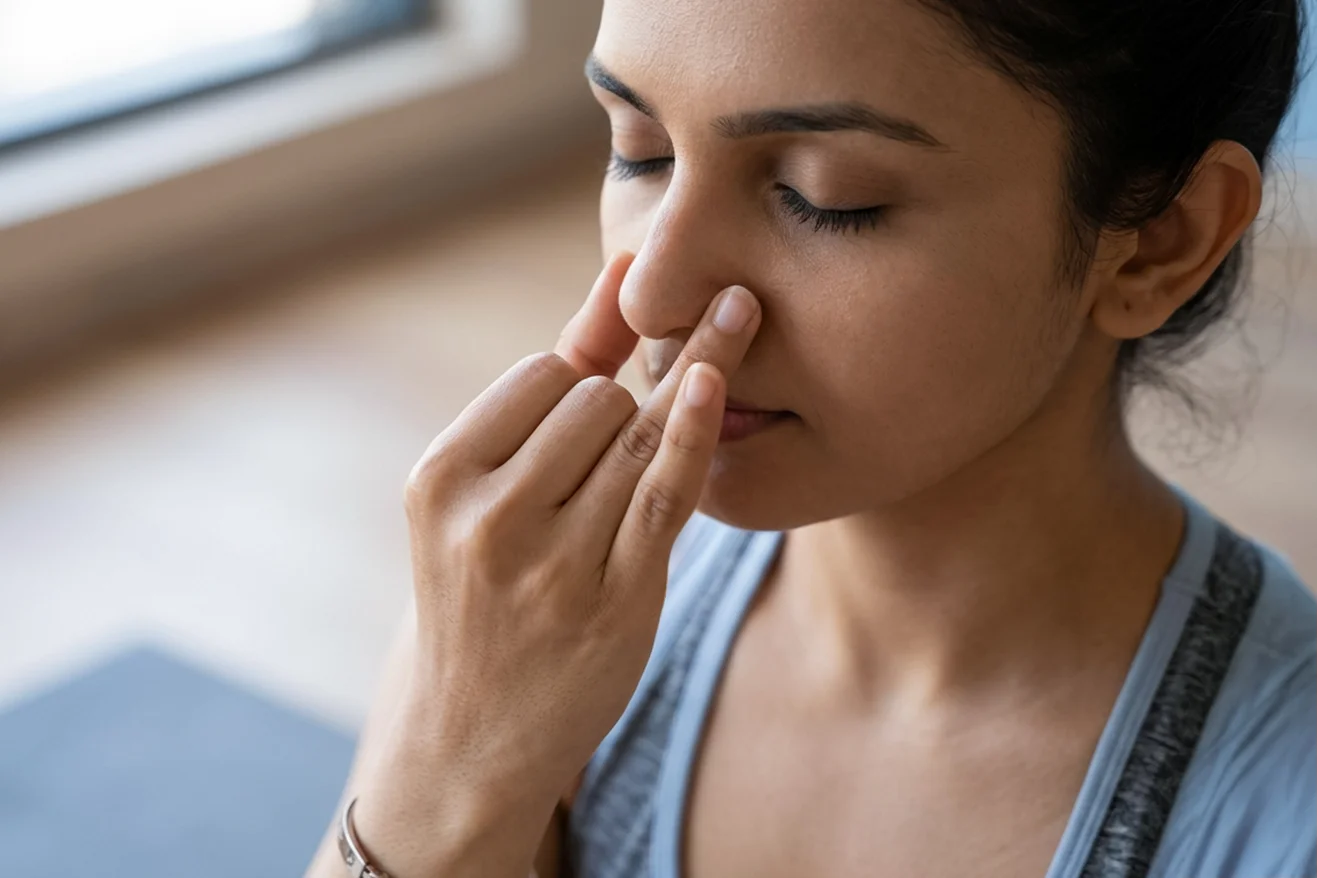
Breathing exercises are among the most effective yoga practices for calming the nervous system and managing stress.
- Straw Breathing


Lifestyle Adjustments for Long-Term Results
Attitude (Yamas and Niyamas): Beyond physical postures and breathing practices, yoga encourages the cultivation of a calm and balanced mindset through principles such as contentment (Santosha), self-awareness (Svadhyaya), and non-violence (Ahimsa).
Developing equanimity and learning to respond rather than react to everyday challenges can help reduce mental stress, support emotional well-being, and contribute to healthier blood pressure levels over time.
About Author
Author Dilasha Sethi is a Phd scholar, accomplished writer, and Yoga practitioner with a profound focus on the intersection of ancient wisdom and modern wellness. Her writing aims to focus on researched facts needed to find clarity and strength in pursuing one’s own Yoga path.

