

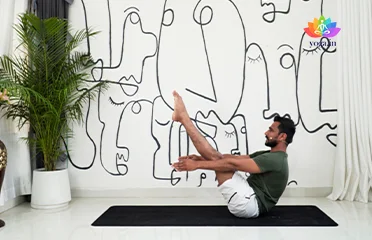
Naukasana (Boat Pose)
नौकासन / Boat Pose
The Sanskrit name is derived from Nava ( नाव) meaning boat and asana (आसन) [�K]


Padmasana (Lotus Pose)
पद्मासन / Lotus Pose
The Sanskrit name is derived from Padma (पद्मा) meaning lotus and [�K]

Paschimottanasana (Seated Forward Bend)
पश्चिमोत्तानासन / Seated Forward Bend
The Sanskrit name is derived from three sanskrit words: Paschima (पश्चिमा) [�K]

Sarvangasana (Shoulderstand)
सर्वाङ्गासनI / Shoulderstand
The Sanskrit name is derived from Sarva (सर्वाङ्ग) meaning all, [�K]

Shalabhasana (Locust Pose)
सलभासन / Locust Pose
The Sanskrit name is derived from Shalabha (शलभा) meaning locust and [�K]

Sirsasana (Headstand)
शीर्षासन / Headstand
The Sanskrit name is derived from Sirsa (शीर्ष) meaning head and asana [�K]
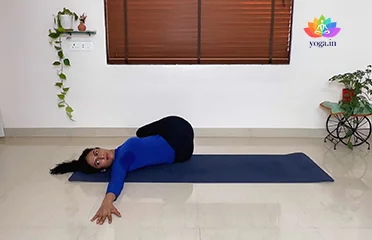
Supta Matsyendrasana (Supine Spinal Twis
सुप्त मत्स्येन्द्रासन / Supine Spinal Twist Pose
The Sanskrit name is derived from Supta (सुप्त) means supine, Matsya [�K]

Tadasana (Mountain Pose)
ताड़ासन / Mountain Pose
The sanskrit name is derived from tada (ताड़ा) meaning mountain and [�K]

Trikonasana (Triangle Pose)
त्रिकोणासन / Triangle Pose
The sanskrit name is derived from three Sanskrit Words: Tri (त्रि) meaning [�K]

Virasana (Hero Pose)
वीरासन / Hero Pose
The Sanskrit name is derived from Vira (वीरा) meaning hero or a warrior [�K]
- 1
- 2
Unveiling Diabetes – Understanding and Managing Blood Sugar
Diabetes is a chronic condition affecting how your body regulates blood sugar (glucose). Two main types exist:
- Type 1 Diabetes: The body struggles to produce enough insulin, a hormone essential for managing blood sugar.
- Type 2 Diabetes: The body either doesn’t use insulin effectively (insulin resistance) or doesn’t produce enough.
Uncontrolled high blood sugar in both cases can damage nerves, blood vessels, and organs over time.
Risk Factors – Unveiling the Causes
While genetics play a role, lifestyle choices significantly influence the risk of developing type 2 diabetes:
- Diet: Excessive sugar, refined carbohydrates, and unhealthy fats can impair insulin’s ability to function properly.
- Physical Inactivity: Regular exercise improves insulin sensitivity and helps maintain a healthy weight.
- Weight: Carrying excess weight increases the risk of developing type 2 diabetes.
- Smoking: Smokers face a higher risk of developing type 2 diabetes and experiencing complications.
- Stress: Chronic stress can elevate blood sugar levels and hinder diabetes management.
- Age: The risk of type 2 diabetes increases with age, especially after 45.
- Family History: Having a close relative with diabetes increases your risk.
- Ethnicity: Certain ethnicities have a higher genetic predisposition to type 2 diabetes.
Symptoms – Recognizing the Warning Signs
Early symptoms of diabetes can be subtle, so regular checkups are crucial. Here are some common signs to watch out for:
- Increased thirst and urination
- Excessive hunger
- Fatigue
- Blurred vision
- Slow-healing wounds
- Unexplained weight loss
Complementary Support – Yoga and Pranayama for Overall Well-being
While not a cure, yoga and pranayama can be valuable additions to a conventional diabetes management plan. These practices may help:
- Improve blood sugar control (research is ongoing)
- Promote stress reduction, which can benefit diabetes management
- Enhance overall well-being and quality of life
Dietary Adjustments – Fueling Your Body Right
- Focus on whole foods: Choose fruits, vegetables, whole grains, and lean protein.
- Limit processed foods, sugary drinks, and unhealthy fats.
- Opt for smaller, more frequent meals throughout the day instead of large portions.
- Monitor and adjust your diet based on your blood sugar levels and doctor’s advice.
Important Considerations: Safety First
- Always consult your doctor before starting yoga or pranayama, especially if you have complications from diabetes or pre-existing medical conditions.
- Modify or avoid poses that cause discomfort or pain.
- Be aware of potential blood sugar drops during practice and have a source of quick-acting carbohydrates readily available.
- Certain poses may not be suitable for everyone. Seek guidance from a qualified yoga instructor to ensure safe practice.
By understanding the risk factors, symptoms, and management strategies for diabetes, you can take charge of your health and well-being. Remember, consult your doctor before starting any new practices, and explore how yoga and pranayama can complement your journey towards a healthier you.