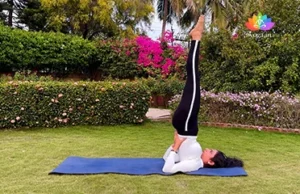
Sarvangasana (सर्वांगासन)
Sarvangasana
The Sanskrit name is derived from Sarva (सर्वाङ्ग) meaning all, Anga meaning body part and āsana…
Explore →
Inversion yoga poses place the head below the heart, built up slowly with props, strength and a qualified teacher.
Browse All Poses
Sarvangasana (सर्वांगासन)
The Sanskrit name is derived from Sarva (सर्वाङ्ग) meaning all, Anga meaning body part and āsana…
Explore →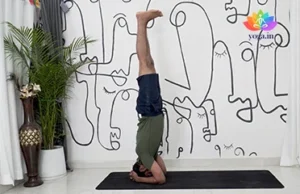
The Sanskrit name is derived from Sirsa (शीर्ष) meaning head and asana (आसन) meaning posture or…
Explore →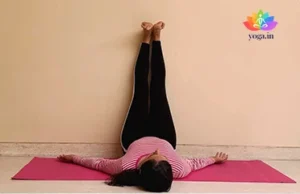
Viparita Karani (विपरीत करणी)
The Sanskrit name is derived from Viparita (विपरिता) meaning inverted and Karani (करणी) meaning action.
Explore →Inversion yoga poses put the head below the heart. This page lists a safe, step by step progression by level, with props and neck care. It also explains clearly who should avoid inversions and why.
Understanding the Category
Inversions place the head below the heart. Some, like Downward-Facing Dog, are mild. Others, like Headstand, load the neck and need strong prep. Build slowly, use a wall and learn from a qualified teacher.
These poses fall into three groups:
Warm up first. Never move the head or neck while inverted.
Why Practice
Suitability
Contraindications
Safety Note: Always consult a qualified yoga teacher and your healthcare provider before practising if you have existing medical conditions, injuries, or are pregnant.
By Level
Anatomy
Practice Tips
Common Questions
Inversions place the head below the heart. Examples range from mild Downward-Facing Dog and Legs-Up-the-Wall to full Shoulderstand and Headstand.
Start with Adho Mukha Svanasana and Viparita Karani. They are gentle and easy to adjust. Build core and shoulder strength before any full inversion.
Full inversions load the neck and carry a fall risk. Learn them from a qualified teacher, use a wall and blankets, and never move the head while inverted.
No. Claims that inversions improve thyroid function or cure illness are not supported. Treat them as strength and balance work, not medical care.
Avoid them with high blood pressure, heart problems, glaucoma, neck injury, vertigo or migraine. Also avoid them in pregnancy or menstruation without teacher advice. Ask your doctor.
Come down slowly if you feel dizzy, a pressure in the head or neck pain. Stop if you feel pain or numbness. Rest in Balasana before you continue.
Keep Exploring
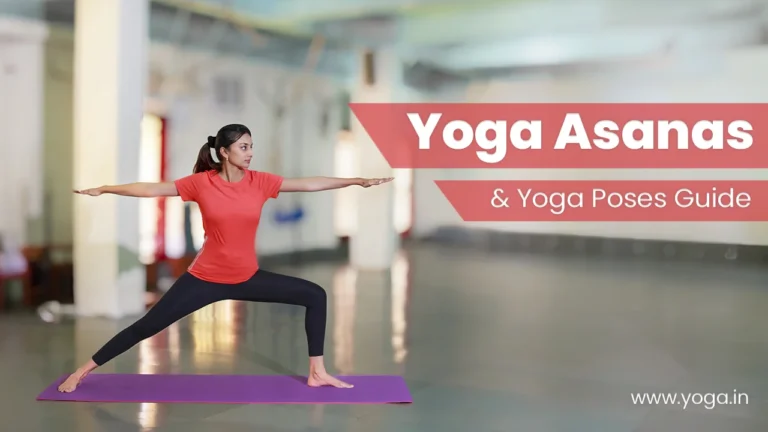
Yoga, an ancient tradition born in India, has grown into a worldwide phenomenon beyond physical fitness. It is a pathway…
Read Article →
High blood pressure (hypertension) is often called a “silent condition” because it can develop gradually without obvious symptoms. Over time,…
Read Article →
Pregnancy is one of the most beautiful and transformative phases in a woman’s life, but it can also bring physical…
Read Article →
- By Megha Agarwal You do it roughly 22,000 times a day without a second thought. But here is the catch: most…
Read Article →Please login with social account to support this post.