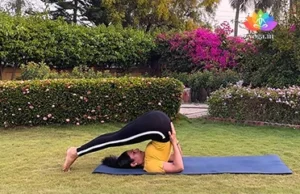
Halasana (हलासन)
Halasana
The Sanskrit name is derived from Hala (हला) meaning plough and asana (आसन) meaning posture or…
Explore →
Supine yoga poses are done lying on the back to support the spine, stretch the legs and calm the mind.
Browse All Poses
Halasana (हलासन)
The Sanskrit name is derived from Hala (हला) meaning plough and asana (आसन) meaning posture or…
Explore →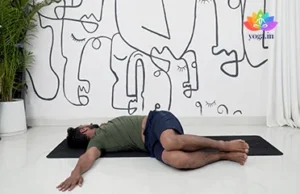
Jathara Parivartanasana (जठर परिवर्तनासन)
The Sanskrit name is derived from Jathara (ञठर) meaning belly or abdomen, Parivarta (परिवर्त) meaning revolving…
Explore →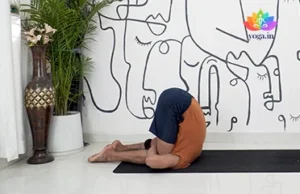
Karnapidasana (कर्णपीडासन)
The Sanskrit name is derived from Karna (कर्ण) meaning ear, Pida (पीडा) meaning pressure and asana…
Explore →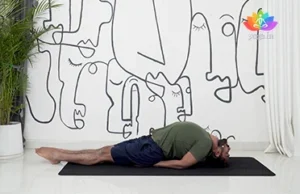
The Sanskrit name is derived from Matsya (मत्स्या) meaning fish and asana (आसन) meaning posture or…
Explore →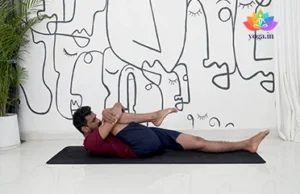
Pawanmuktasana (पवनमुक्तासन)
Pawanmuktasana is a supine wind-relieving posture composed of three Sanskrit words — Pawan (wind / Apana…
Explore →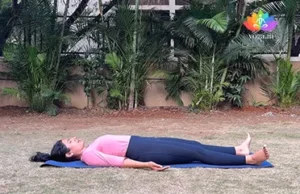
Savasana (शवासन)
The Sanskrit name is derived from Śhava (शव) meaning "corpse" and āsana (आसन) meaning "posture" or…
Explore →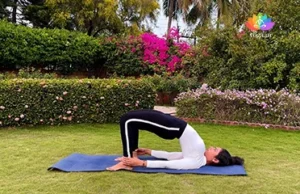
Setu Bandhasana (सेतु बन्धासन)
The Sanskrit name is derived from Setu (सेतु) meaning bridge, Bandha ( बन्धा) meaning lock and…
Explore →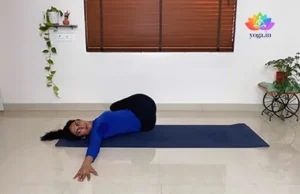
Supta Matsyendrasana (सुप्त मत्स्येन्द्रासन)
The Sanskrit name is derived from Supta (सुप्त) means supine, Matsya (मत्स्य) meaning fish, Indra (इन्द्र)…
Explore →Supine yoga poses are done lying on the back to ease the spine, stretch the legs and calm the mind. This page lists a safe progression by level, with props and tips. It also explains who should take care.
Understanding the Category
Supine means lying face up. The floor supports the spine, so the back can release. These poses stretch the legs, twist the spine gently and help the body rest. Some add a lift or an inversion, so build slowly.
These poses fall into three groups:
Why Practice
Suitability
Contraindications
Safety Note: Always consult a qualified yoga teacher and your healthcare provider before practising if you have existing medical conditions, injuries, or are pregnant.
By Level
Anatomy
Practice Tips
Common Questions
Supine poses are done lying face up. The floor supports the spine, so the body can rest and stretch. Examples are Savasana, Supta Padangusthasana and Setubandhasana.
Start with Savasana, Viparita Karani and Supta Padangusthasana with a strap. They are gentle and easy to adjust.
Lying poses may ease tightness, but not for every cause. See a doctor first for acute pain. With lower back pain, avoid overstretching the legs.
Halasana and Sarvangasana start lying down, but they load the neck. They are advanced and need blanket support and a qualified teacher.
Lying flat on the back is not advised later in pregnancy. Ask a qualified prenatal teacher for safe options. Ask your doctor if unsure.
Take care with neck injury, reflux, high blood pressure, glaucoma, disc herniation or recent surgery. Ask your doctor if unsure.
Keep Exploring
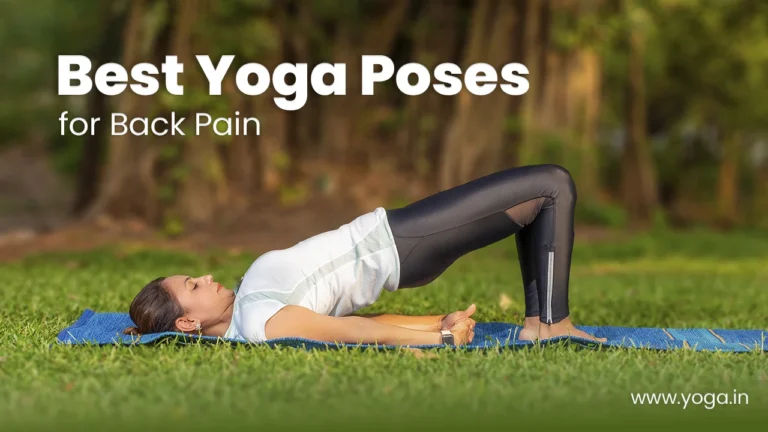
Back pain is a common ailment that affects millions of people worldwide. Whether caused by poor posture, muscle strain, or…
Read Article →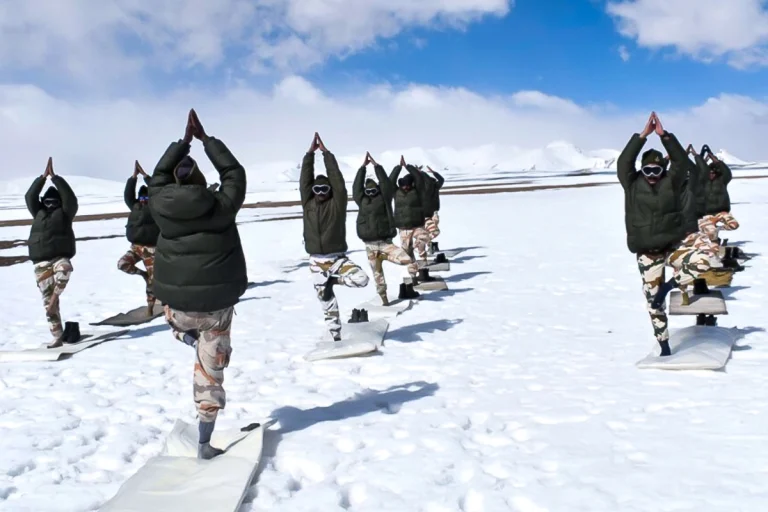
There was significant improvement in the healing of injuries once we adopted Yoga as a way of life in the…
Read Article →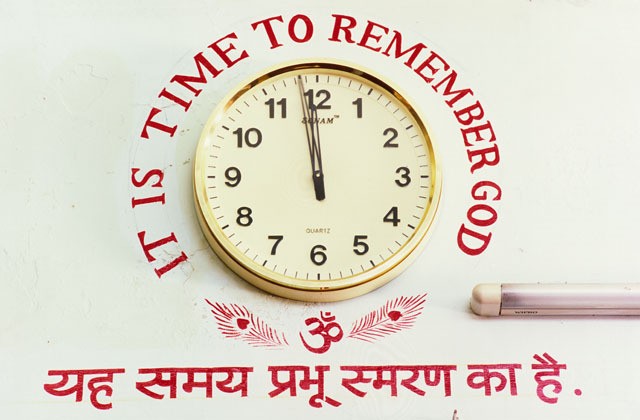
BY KRISHNA PRAKASH Today there are innumerable styles of Yoga and an equally impressive array of studios and great teachers.…
Read Article →
Meditation, for many years, was something I approached casually. I believed it was a tool for stress relief or a…
Read Article →Please login with social account to support this post.