COPD

Enhance Lung Capacity and Ease Breathing with Yoga for COPD

What is COPD (Chronic Obstructive Pulmonary Disease)?

COPD is a group of lung diseases that make breathing difficult. The two main types are emphysema and chronic bronchitis. Emphysema damages the air sacs in your lungs, making it harder to take in air. Chronic bronchitis causes inflammation and mucus buildup in the airways, making it difficult to breathe out.

Key Factors Contributing to COPD
  • Smoking: The leading cause of COPD, smoking damages the lungs and airways over time.
  • Exposure to secondhand smoke: Inhaling secondhand smoke can contribute to developing COPD, even if you never smoked yourself.
  • Air pollution: Long-term exposure to air pollution can irritate the lungs and contribute to COPD development.
  • Occupational dust and fumes: Exposure to dust and fumes in certain workplaces can increase the risk of COPD.
  • Genetics: Some people are genetically predisposed to developing COPD, especially if they have a family history of the disease.
Causes of COPD
  • Lung and airway damage: Primarily caused by long-term exposure to irritants, like cigarette smoke, that damage lung tissue and airways.
  • Other potential contributors: In rare cases, long-term exposure to air pollution, occupational dusts and chemicals, or childhood respiratory infections can also contribute.
Symptoms of COPD
  • Breathlessness: Shortness of breath, especially when active, climbing stairs, or talking.
  • Wheezing: A whistling sound during breathing, indicating narrowed airways.
  • Chest tightness: Feeling of discomfort or pressure in the chest.
  • Productive cough: A cough that brings up mucus, often phlegm-like.
  • Frequent infections: Increased susceptibility to chest colds, bronchitis, and pneumonia.
  • Fatigue and tiredness: Feeling drained and lacking energy due to impaired oxygen intake.
  • Ankle, foot, or leg swelling: This can occur in advanced stages due to fluid buildup in the body.
Yoga Asanas for COPD
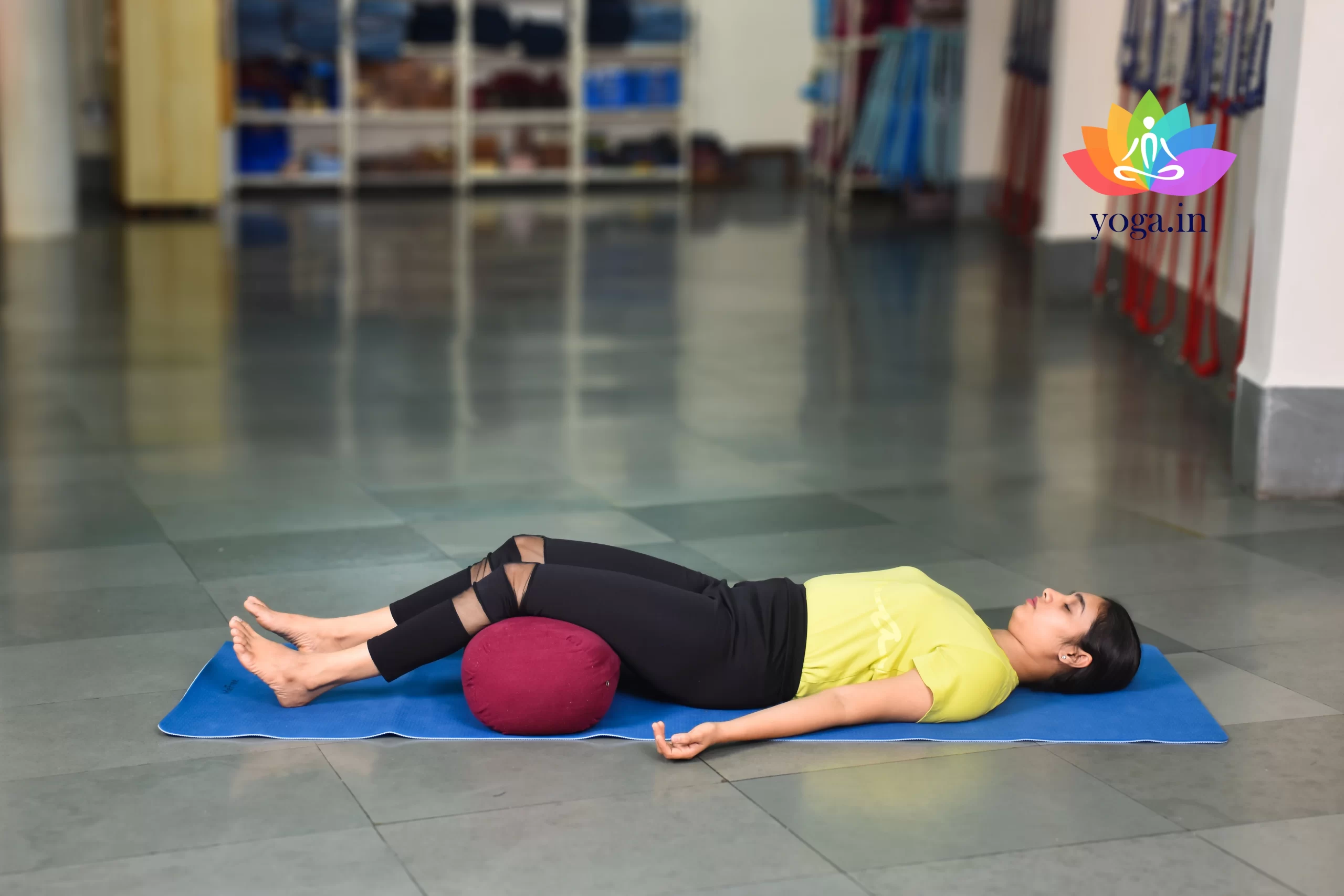
  • Savasana for copd: Promotes deep relaxation and controlled breathing, which can help reduce stress and improve lung function in individuals with Chronic Obstructive Pulmonary Disease (COPD). It encourages mindfulness and gentle awareness of breath, aiding in respiratory relaxation.
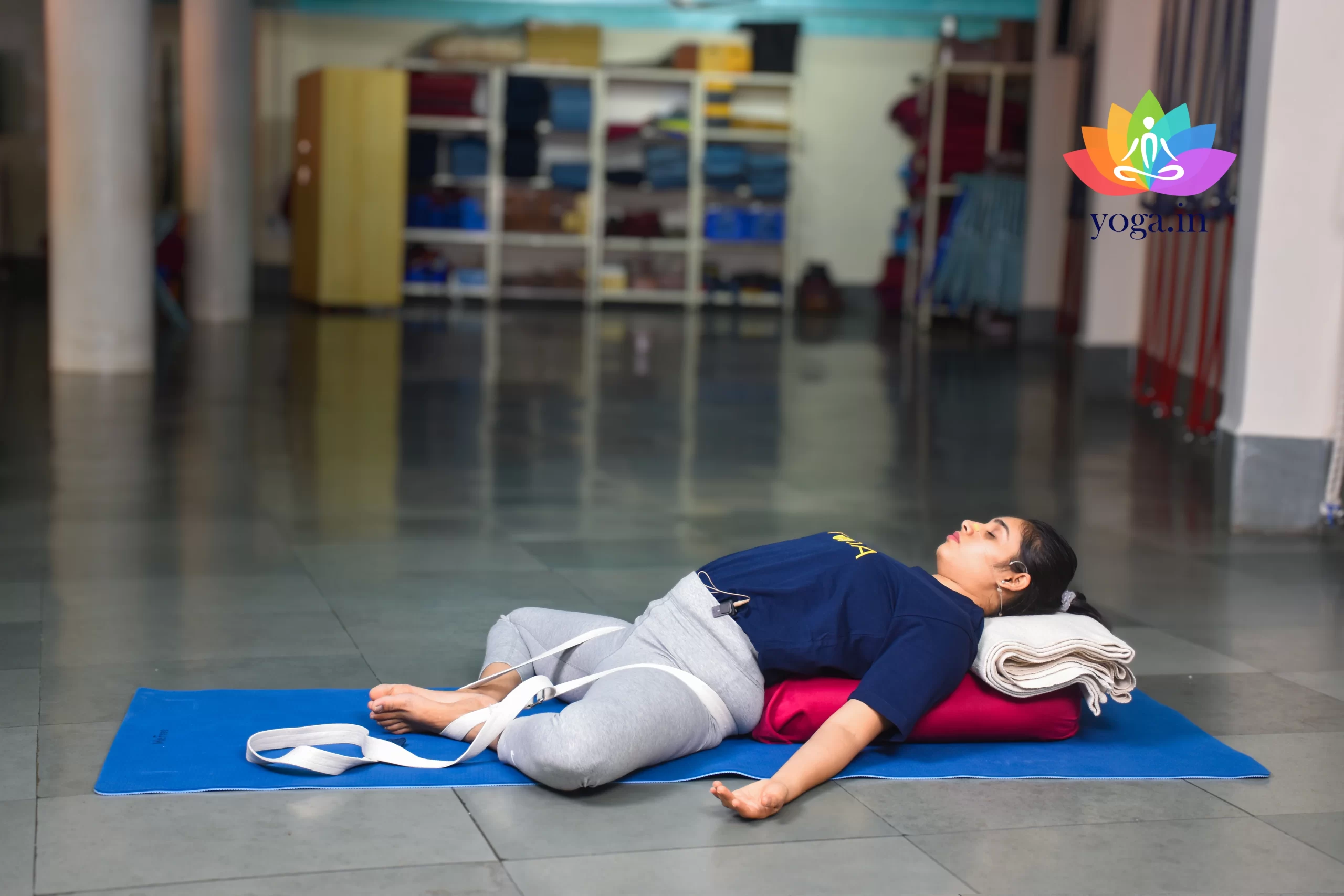
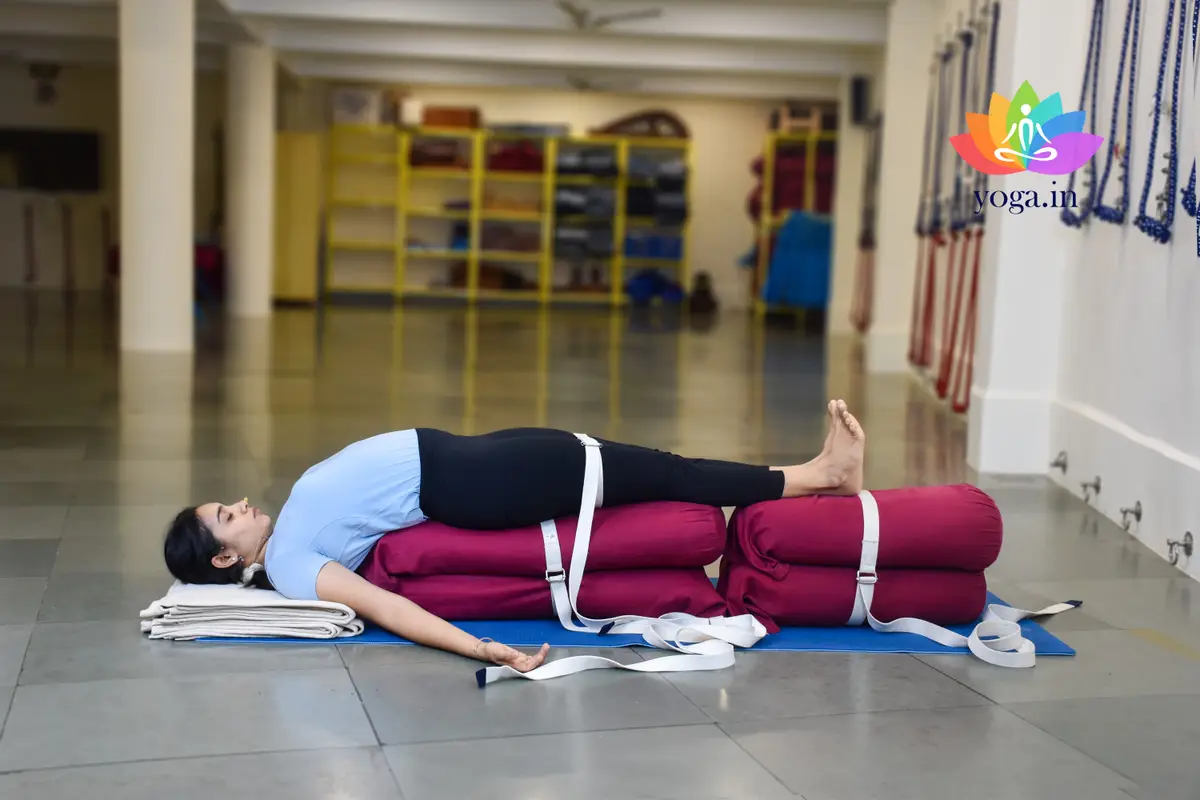
  • Supta Baddha Konasana for copd: Helps open the chest and improve lung capacity, making it beneficial for individuals with Chronic Obstructive Pulmonary Disease (COPD). It promotes deep, relaxed breathing, easing tension in the chest and encouraging better airflow.
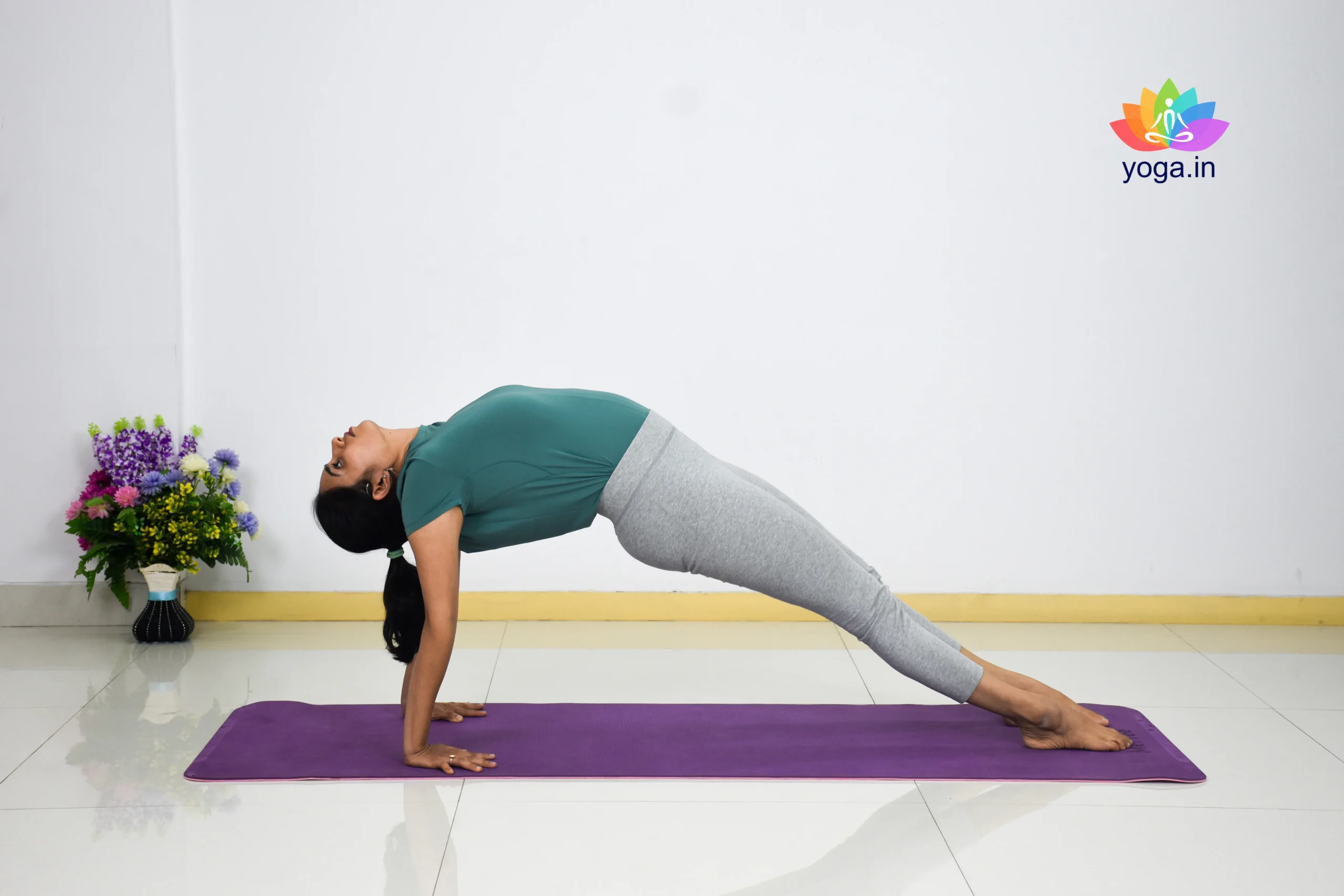
  • Purvottanasana for copd: Opens the chest and shoulders, promoting better lung expansion and deeper breathing, which can be beneficial for individuals with Chronic Obstructive Pulmonary Disease (COPD). It helps improve posture, increase lung capacity, and encourage respiratory health.
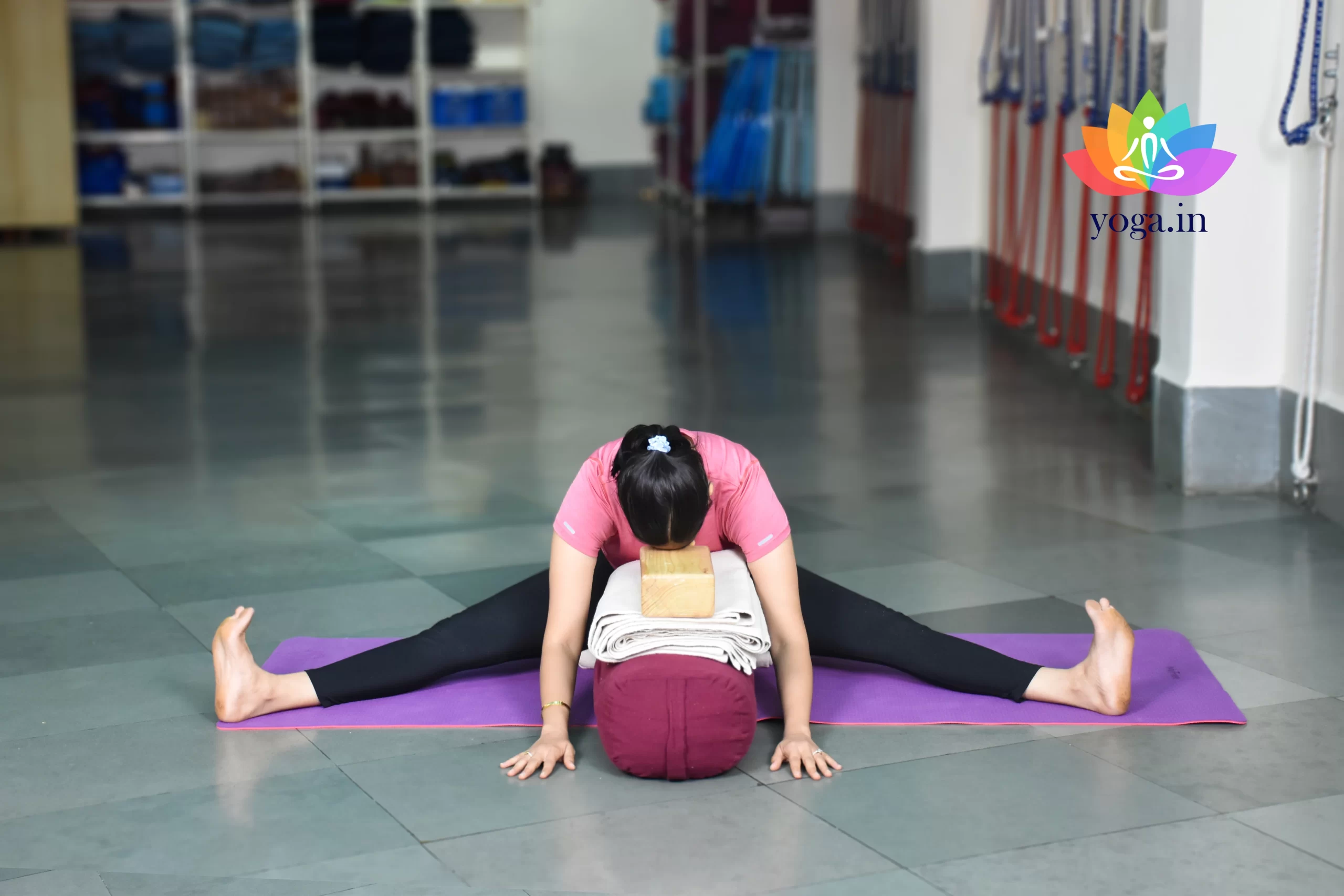
  • Upvista Konasana for copd: Opens the chest and encourages deep breathing, which can help individuals with Chronic Obstructive Pulmonary Disease (COPD) improve lung capacity. It stretches the spine and promotes better airflow, supporting respiratory health.
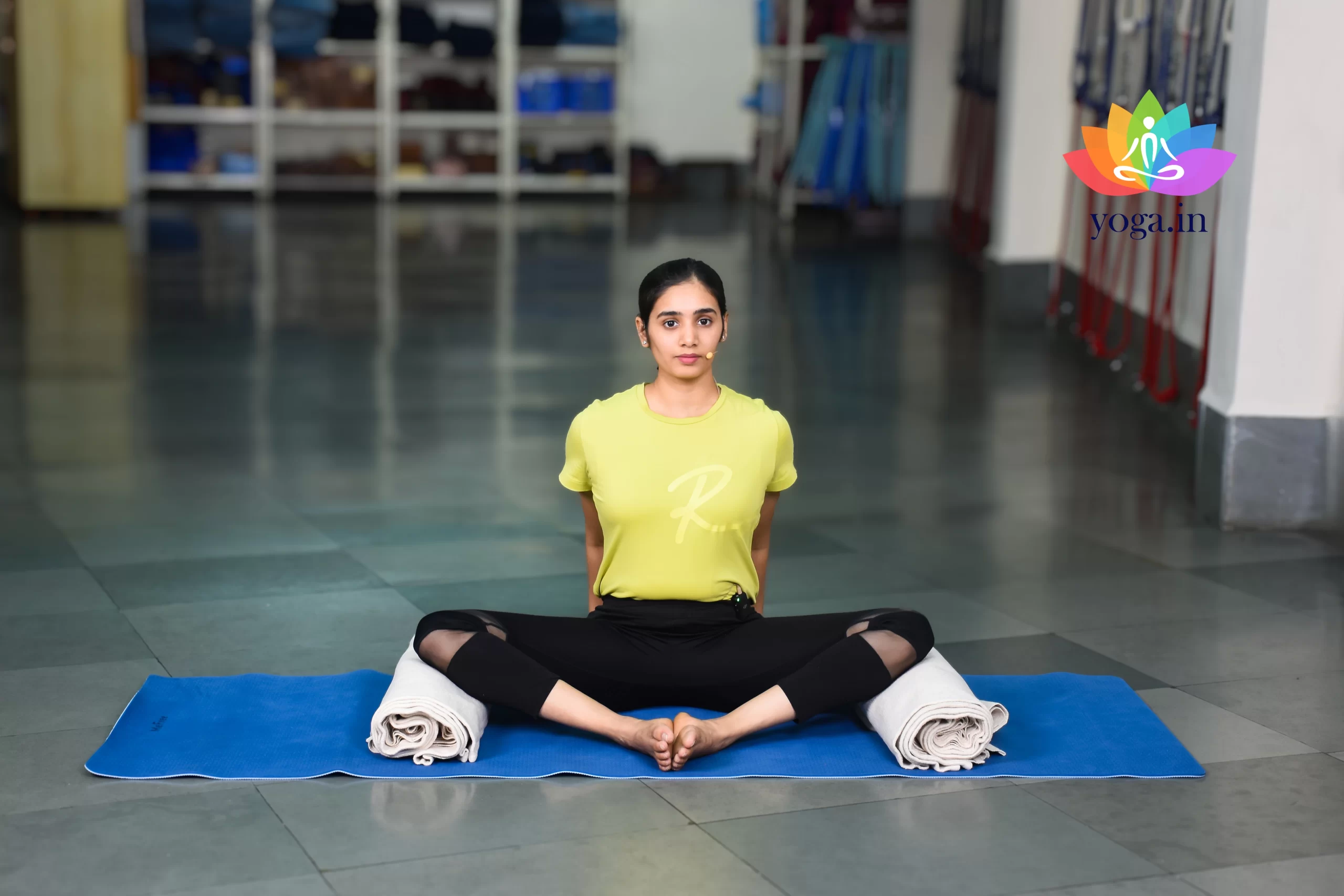
  • Baddha Konasana for copd: Helps open the chest and improve lung capacity, making it beneficial for individuals with Chronic Obstructive Pulmonary Disease (COPD). It promotes deep, relaxed breathing, easing tension in the chest and encouraging better airflow.
  • Bhujangasana for copd: Gently stretches the chest and strengthens the back muscles.
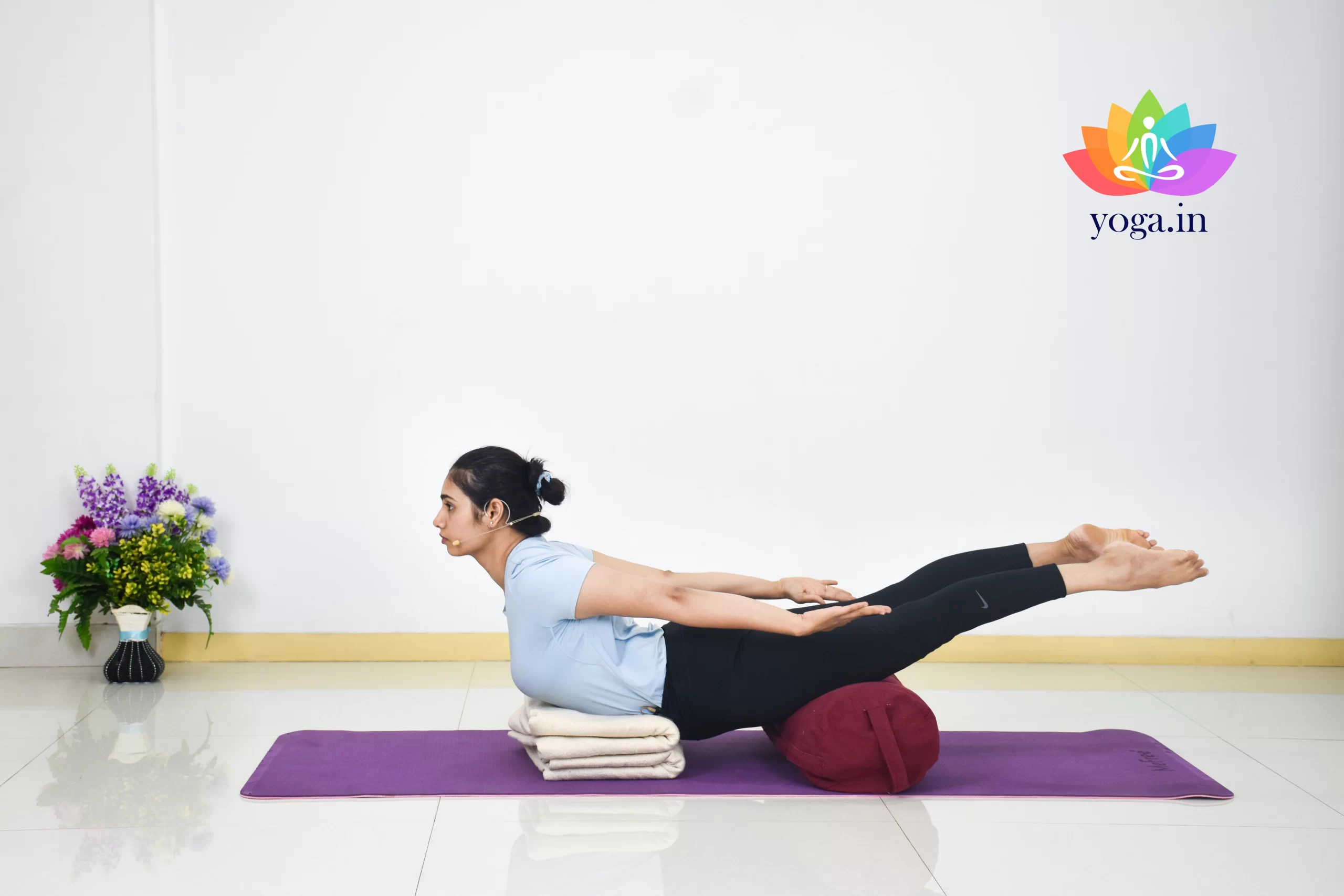
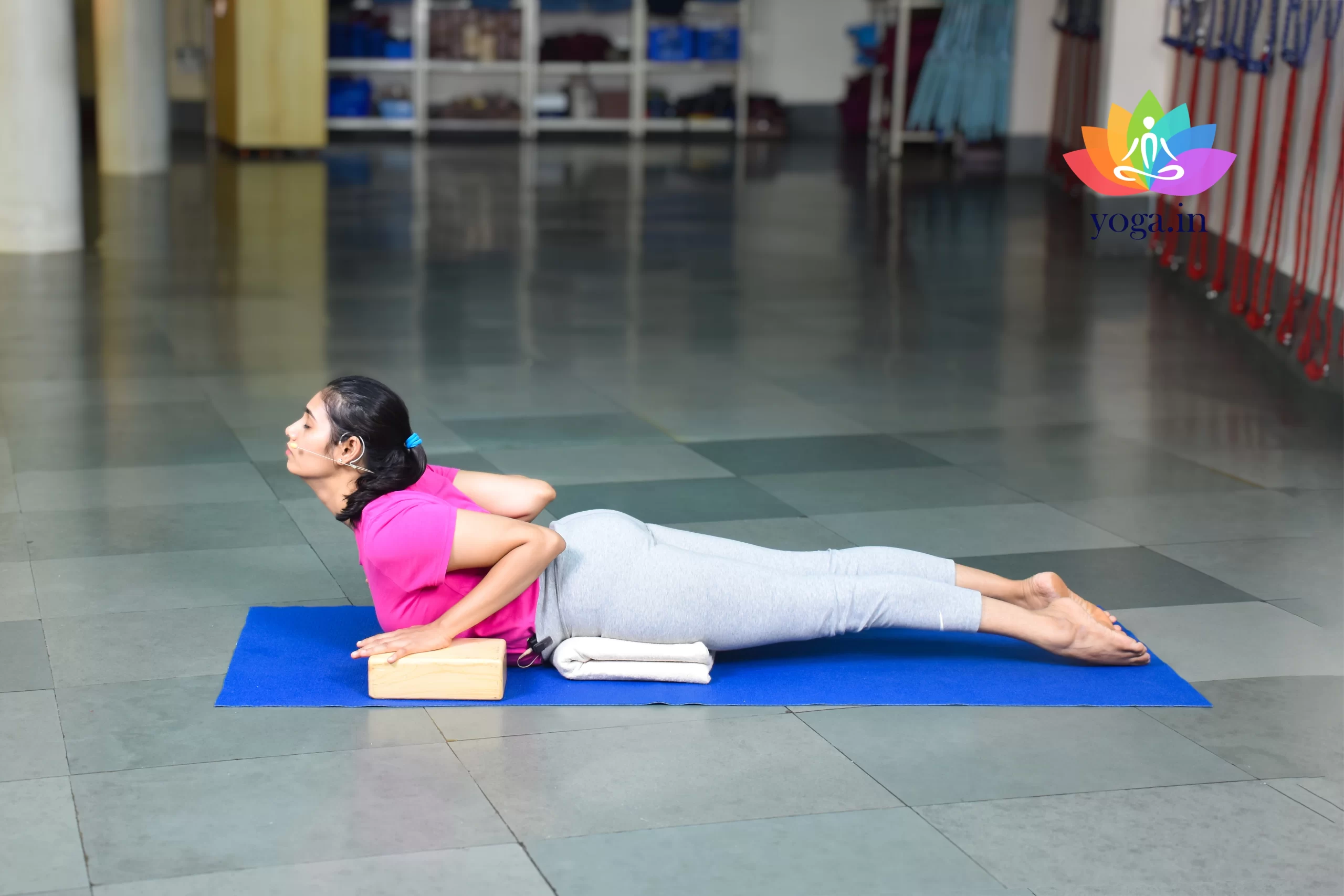
  • Shalabhasana for copd: Strengthens the back muscles and improves lung capacity.
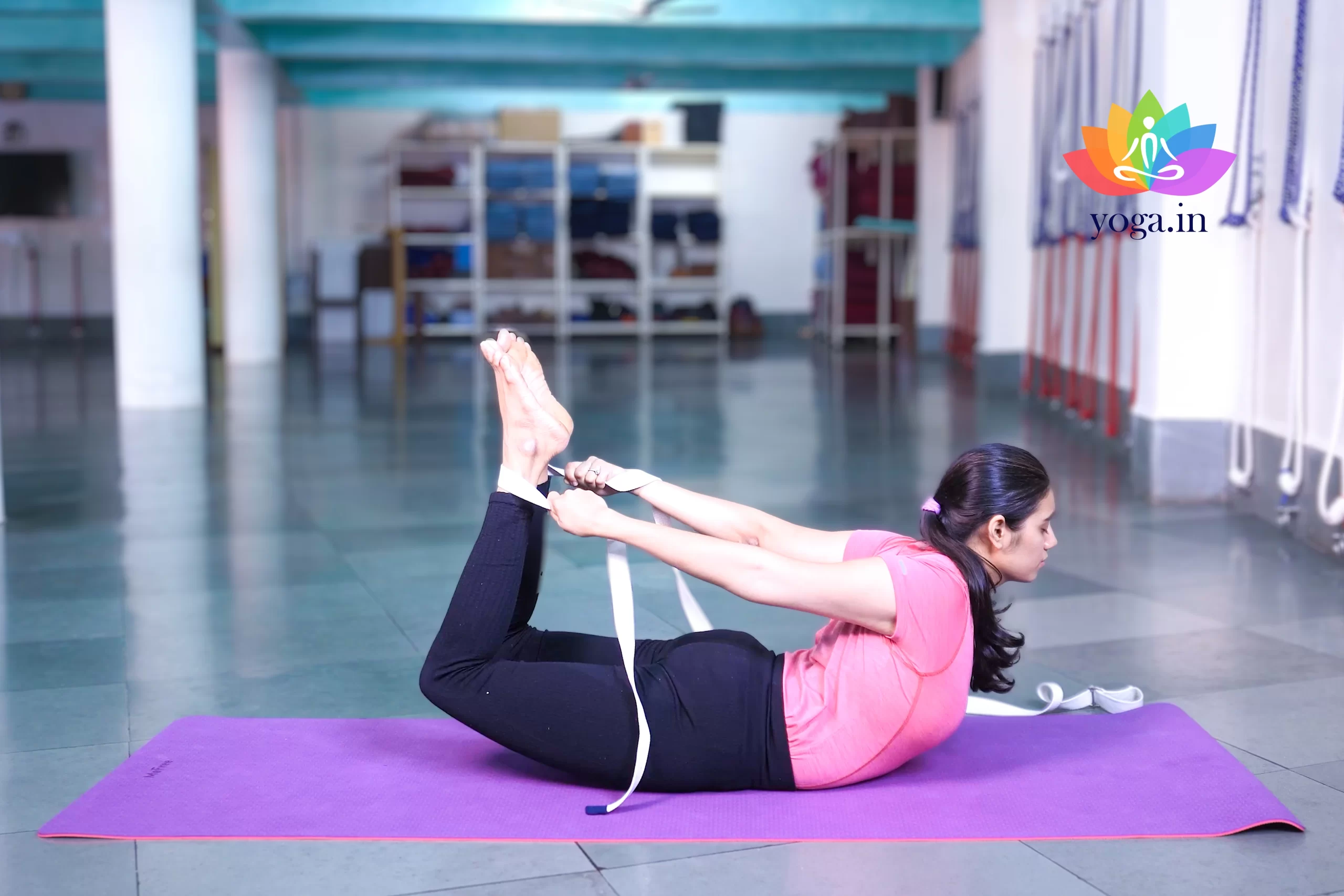
  • Dhanurasana for copd: Opens the chest and strengthens the back muscles.
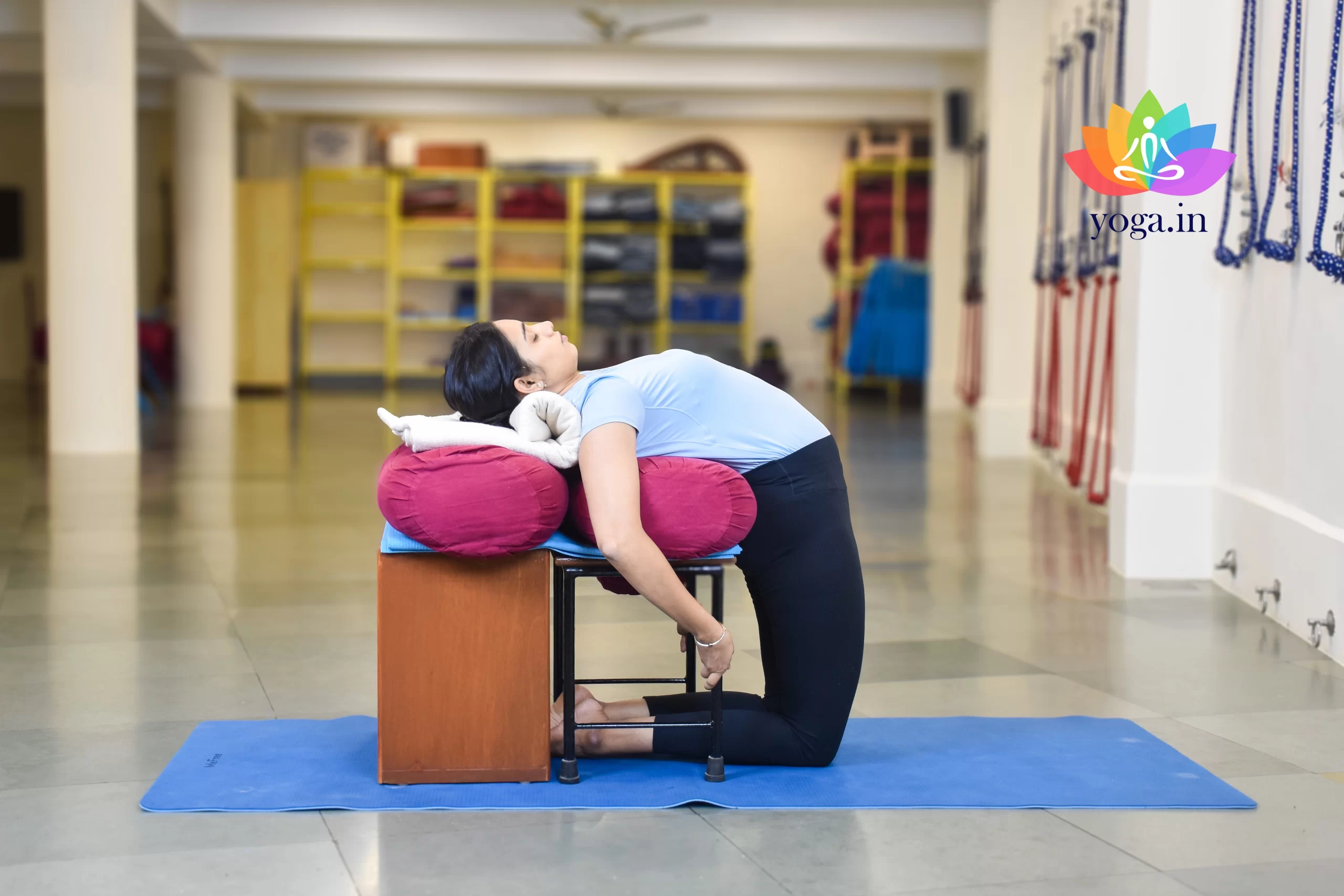
  • Ushtrasana for copd: Opens the chest and improves breathing.
  • Setubandha Sarvangasana for copd: Opens the chest and improves lung expansion, which can help individuals with Chronic Obstructive Pulmonary Disease (COPD) breathe more deeply. The pose also strengthens the back and encourages better posture, aiding in overall respiratory function.
Pranayama for COPD
  • Kapalbhati Pranayama (Skull-Shining Breath): This energizing breath technique helps clear mucus and improve lung capacity.
  • Bhastrika Pranayama (Bellows Breath): This faster-paced breathing technique can help strengthen respiratory muscles and improve lung function.

Leave a Reply

Video Tutorial Series

Ailments Category

Advance Search

Recent Ailments

Video Tutorial Series

✕

Login to Like

Please login with social account to support this post.

[nextend_social_login]

Find Your Videos

Choose a category