The Sanskrit name is derived from bhujanga (भुजंगा) meaning cobra or snake and āsana (आसन) meaning posture or seat. The pose resembles a serpent about to strike.
The Sanskrit name is derived from bhujanga (भुजंगा) meaning cobra or snake and āsana (आसन) meaning posture or seat. The pose resembles a serpent about to strike.
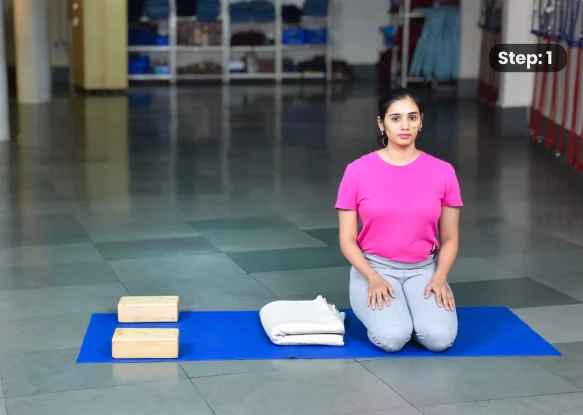
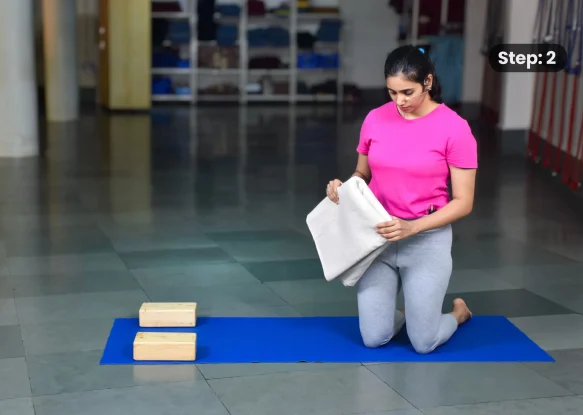
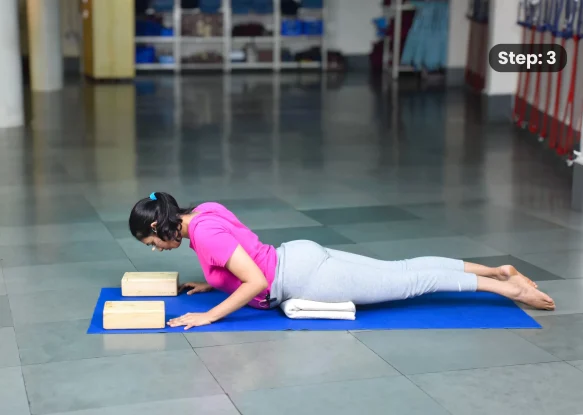
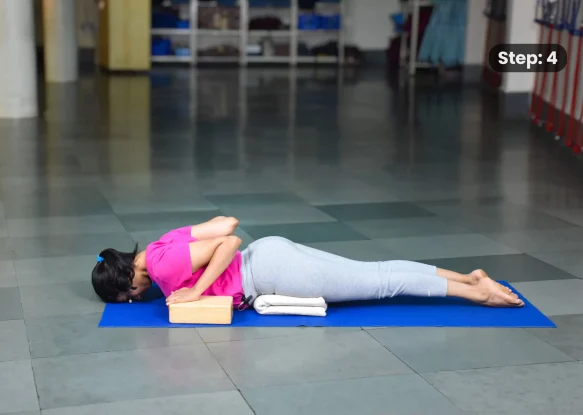
Steps to perform the Asana: Bhujangasana (Therapy)
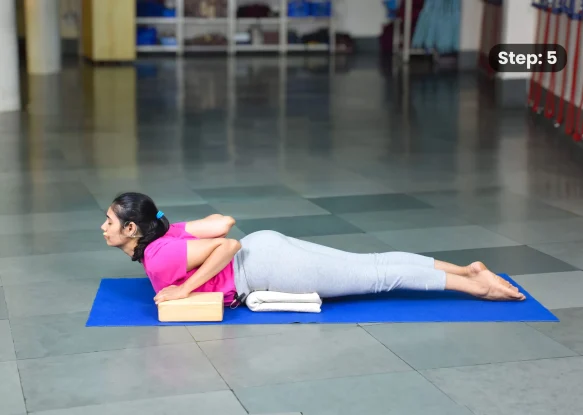
Begin by lying on your stomach on the yoga mat with your legs extended behind you and the tops of your feet resting on the mat.
Place the yoga blanket to provide gentle support and lift to your lower abdomen and pelvis.
Rest your forehead on the mat and bring your palms flat on the floor beside your chest, elbows bent and tucked in close to your sides.
Engage your abdominal muscles and press the tops of your feet into the mat to stabilize your lower body.
Keep your legs extended behind you and gently engage your back muscles as you prepare to lift your chest.
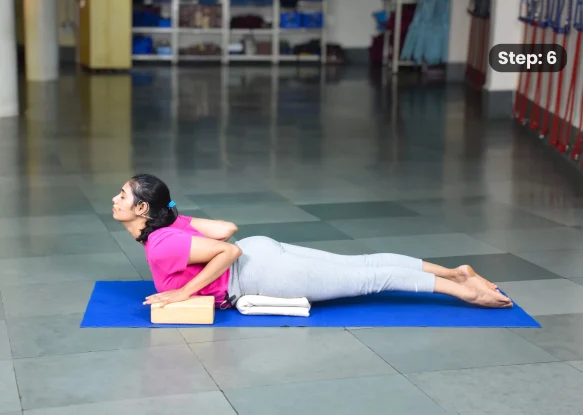
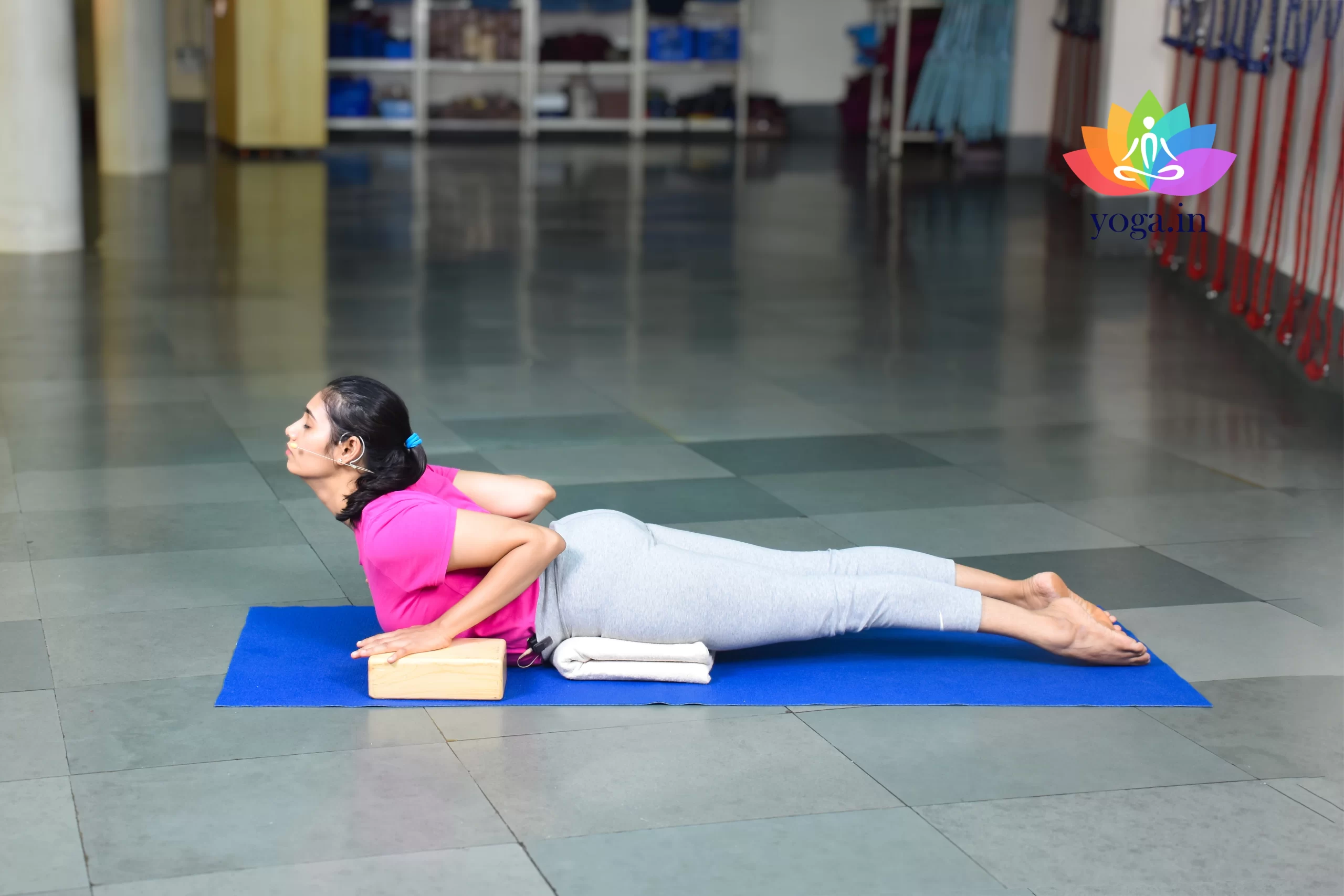
On an inhalation, press into your hands and gently lift your chest and head off the mat.
Keep your elbows bent and shoulders relaxed, drawing them down away from your ears.
Maintain a soft gaze forward or slightly upward to avoid straining your neck, keeping the back of your neck long and relaxed.
Hold the pose for 15-30 seconds, breathing deeply and evenly as you elongate your spine and open through your chest.
Slowly coming back to the starting position by releasing the pose.
Key Alignment Points
Lengthen through the crown of your head and reach your chest forward, creating space between each vertebra in your spine.
Keep your legs active and engaged, pressing your thighs and pubic bone gently into the bolster or blanket for support.
Common Misalignments / (Mistakes)
Not keeping the hands in right position
Locking the Shoulders
Lifting the hips
Crunching the low back
Contraindication / Cautions
Avoid in case of abdominal surgery
Avoid if suffering from ulcers or hernia, spondylitis, hypertension, heart ailments
Avoid in case of pregnancy and severe back-related problems