

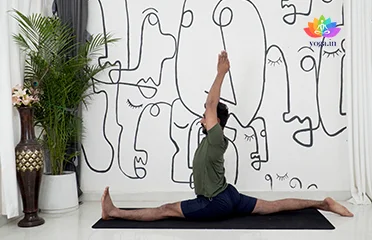
Hanumanasana (Monkey Pose)
हनुमानासन / Monkey Pose
The Sanskrit name is derived from the Hindu God -Hanuman (हनुमान) [¡K]


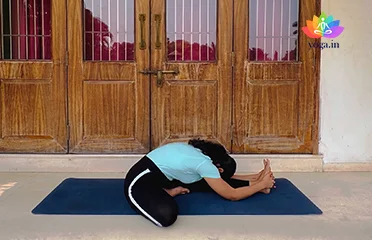
Janusirsasana (Head to Knee Pose)
जानुशीर्षासन / Head to Knee Pose
The Sanskrit name is derived from (जानु) Janu means knee, Sirsa (शीर्षा) [¡K]
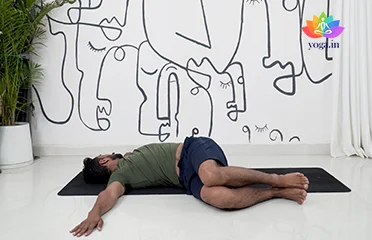
Jathara Parivartanasana (The Abdominal T
ञठर परिवर्तनासन / The Abdominal Twist
The Sanskrit name is derived from Jathara (ञठर) meaning belly or abdomen, [¡K]
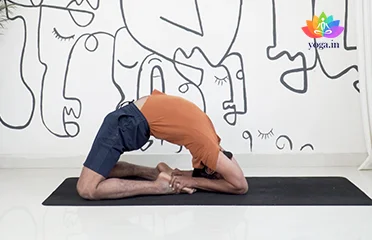
Kapotasana (Pigeon Pose)
कपोटासन / Pigeon Pose
The Sanskrit name is derived from Kapota (कपोटा) meaning pigeon or [¡K]
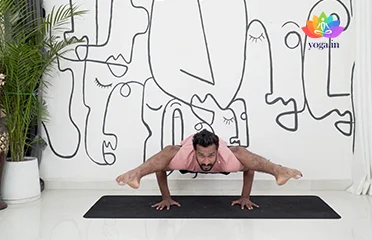
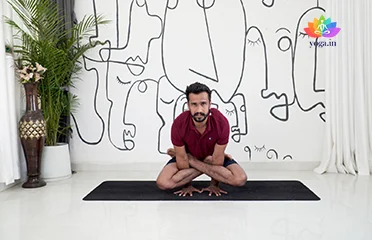
Kukkutasana (Cockerel Pose)
कुक्कुटासन / Cockerel Pose
The Sanskrit name is derived from Kukkut (कुक्कुट) meaning rooster [¡K]
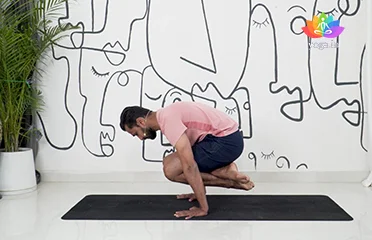
Lolasana (Pendant Pose)
लोलासन / Pendant Pose
The Sanskrit name is derived from Lolā (लोला) meaning dangling posture [¡K]
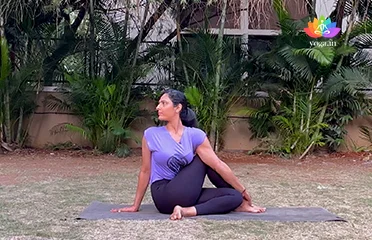
Matsyendrasana (Lord of the Fishes Pose)
मत्स्येन्द्रासन / Lord of the Fishes Pose
The name Matsyendrasana is derived from the Sanskrit words Matsya (मत्स्य) [¡K]

Natarajasana (Lord of the Dance Pose)
नटराजासन / Lord of the Dance Pose
The Sanskrit name is derived from Nata (नट) meaning dance, Raja (राजा)) [¡K]

Naukasana (Boat Pose)
नौकासन / Boat Pose
The Sanskrit name is derived from Nava ( नाव) meaning boat and asana (आसन) [¡K]
- 1
- 2
- 3
- 4
How Yoga Can Help Cure Spleen:
The spleen, a vital organ in the lymphatic system, plays a crucial role in filtering blood, fighting infection, and maintaining overall immune function. Yoga offers a holistic approach to improving spleen health by enhancing circulation, reducing stress, and boosting immune function.
Understanding Spleen:
The spleen is a lymphoid organ located in the upper left side of the abdomen, beneath the rib cage. It acts as a blood filter, removing old or damaged red blood cells and storing white blood cells to fight infection. Dysfunction of the spleen can lead to immune system disorders and increased susceptibility to infections.
Yoga’s Role in Relieving Spleen:
Yoga practices can aid in spleen health by stimulating lymphatic flow, improving circulation, and reducing stress. Specific asanas (postures), pranayama (breathing exercises), and meditation techniques can help alleviate symptoms associated with spleen disorders and enhance overall well-being.
Key Factors Contributing to Spleen:
Various factors can contribute to spleen dysfunction, including:
- Infections: Viral, bacterial, or parasitic infections can affect spleen function.
- Trauma: Physical trauma or injury to the abdomen can damage the spleen.
- Autoimmune Disorders: Conditions like lupus or rheumatoid arthritis can cause spleen inflammation.
- Blood Disorders: Disorders like sickle cell disease or leukemia can affect spleen health.
- Congenital Conditions: Some individuals may be born with spleen abnormalities.
Symptoms of Spleen:
Common symptoms associated with spleen disorders include:
- Pain or Discomfort: Aching or tenderness in the upper left abdomen.
- Fatigue: Feeling tired or weak, even after adequate rest.
- Enlargement: Swelling or enlargement of the spleen (splenomegaly).
- Recurrent Infections: Increased susceptibility to infections.
- Anemia: Low red blood cell counts leading to fatigue and weakness.
- Easy Bruising: Increased bruising due to decreased platelet count.
Treatment of Spleen through Yoga and Pranayama:
Yoga and pranayama can complement conventional treatment approaches for spleen disorders. Some beneficial practices include:
Specific Yoga Poses:
- Dvipada Pitham (Bridge Pose): Improves circulation and stimulates the lymphatic system.
- Bhujangasana (Cobra Pose): Strengthens the abdomen and improves digestion.
Pranayama Exercises:
- Kapalabhati (Skull Shining Breath): Increases oxygen supply to the spleen and improves lymphatic flow.
Diet for Spleen:
A balanced diet can support spleen health and immune function. Recommendations include:
- Whole Foods: Focus on whole grains, fruits, vegetables, and lean proteins.
- Hydration: Drink plenty of water to flush toxins and support lymphatic circulation.
- Probiotics: Incorporate probiotic-rich foods like yogurt or kefir to promote gut health.
- Anti-inflammatory Foods: Include turmeric, ginger, and omega-3 fatty acids to reduce inflammation.
Caution for Spleen:
While practicing yoga for spleen health, it is essential to:
- Avoid Compression: Avoid intense abdominal compression or pressure on the spleen area.
- Listen to Your Body: Stop any pose that causes discomfort or pain in the abdomen.
Consult with a healthcare provider before starting any new exercise regimen, especially if you have a known spleen disorder or abdominal injury.
Contraindications for Spleen:
Individuals with spleen disorders or abdominal trauma should:
- Avoid Deep Twists: Twisting poses may exert pressure on the spleen area.
- Avoid High-Impact Activities: Activities that involve sudden movements or jarring motions.
- Seek Medical Advice: Consult a healthcare professional for personalized recommendations and precautions.