
Teaching yoga offers more than just sharing poses and breathing techniques. Over time, I’ve seen students grow in ways I never expected. These lessons have reshaped my approach, reminding me that teaching yoga is as much about learning as it is about guiding. This article shares the key insights I’ve gained from working with diverse yoga students—lessons that can help any teacher or practitioner grow.
The Power of Mindset: Cultivating Patience and Resilience
Understanding Student Mindsets
Every student comes to class with a different mindset. Some are confident and eager, while others feel nervous or doubtful. Recognizing these feelings helps me adapt my approach. Encouraging a growth mindset means showing students that progress comes with effort, not perfection. When students see challenges as opportunities, they develop resilience.
Overcoming Challenges and Plateaus
Many students hit obstacles—like difficulty balancing or deepening stretches. These moments can feel frustrating, but they’re also powerful lessons. I’ve seen students push through injuries or mental blocks to achieve breakthroughs. Teaching persistence involves reminding students that setbacks are part of growth. Using stories of perseverance energizes them to keep trying.
Actionable Tips
- Use positive affirmations to build confidence.
- Incorporate mindful breathing to ease tension during tough poses.
- Share stories of perseverance to inspire your class.
Creating a supportive environment helps students trust the process and stay committed, even when progress seems slow. This became even more clear to me through two students whose journeys have left a lasting impact on both my teaching and my heart. They reminded me that the essence of yoga lies not in perfection but in patience, resilience, and the belief that transformation is always possible — no matter your starting point.

The Grace of Patience: Her First Step
She came to class quietly, carrying more than just physical pain. Unable to sit down or stand up on her own, her every movement was slow and fragile. I saw the frustration in her eyes, the weariness in her body. But I also saw something else — the faint flicker of determination.
There were many moments when progress felt distant, almost impossible. But she kept showing up. And I kept standing by her, gently supporting her through every movement. I reminded myself constantly — patience is the real practice. It was not about forcing change but about holding space for it.
Then, one day, something extraordinary happened. She slowly lowered herself to the floor… and rose back up. Unassisted. Strong. Radiant. I was speechless. That moment wasn’t just a breakthrough for her body; it was a lesson for my soul. She taught me that no matter how slow the journey, if we do not give up on someone and more importantly, if they don’t give up on themselves healing will come.
Her courage taught me that yoga is more than movement. It is resilience. It is hope. It is rising when no one thinks you can.
The Diversity of Bodies and Abilities
Embracing Inclusivity in Yoga Practice
One of the biggest lessons I’ve learned is that yoga is for everyone. Whether someone is young or old, flexible or stiff, each body has its own story. Respecting different abilities and respecting individual differences make yoga accessible. I’ve seen significant transformations in students of all ages and sizes, proving that yoga truly welcomes everyone.
Adapting Poses for Individual Needs
Not everyone can do a full split or hold a pose for five minutes. Using props or small modifications makes all the difference. For injured knees, gentle stretches work better than deep forward bends. Small variations allow students to experience the benefits safely and comfortably.
Actionable Tips
- Always ask about injuries or limitations before class.
- Use blocks, straps, and chairs to adapt poses.
- Teach students how to modify poses for their bodies.
Creating an inclusive space builds trust and helps everyone feel seen and supported.
And then, there’s another remarkable student — an 82-year-old man with Parkinson’s — whose practice has shown me the profound impact yoga can have on physical health, mental resilience, and the spirit of lifelong learning.
The Warrior with Parkinson’s: Strength Beyond Years
Another student, now 82, has been part of my yoga family for over two years. He is living with Parkinson’s — a condition that often takes away more than it gives. When he first came to me, he couldn’t get out of bed without help. Today, he can do 100 push-ups in sets and climb seven floors daily. His transformation is nothing short of miraculous.
But this journey has not been easy. There are days when his energy fades when his body doesn’t cooperate. On those days, I tell him: “Uncle, your body may give up, but let your willpower guide you. Let your spirit lead.”
And he does. Every time.
But he’s not just a student — he’s a teacher too. He shares stories of his younger days, of how he worked tirelessly, explored endlessly, and learned constantly. He encourages me to keep growing — to try new things, build connections, and never settle. His wisdom goes far beyond yoga; it’s about life, purpose, and staying curious even at 82.
He reminds me that yoga is not only a path to physical health but also a sanctuary for the soul. His faith in God, his strength of will, and his relentless dedication show me that age may slow the body, but it cannot dim the fire of a determined heart.

The Importance of Listening and Intuition
Developing Empathy Through Observation
A good yoga teacher learns to read students’ body language and facial expressions. Sometimes, a student shifts nervously or looks uncomfortable, signalling the need for a change. Adjusting poses based on these cues can prevent injury and deepen their practice. Being present and attentive makes all the difference.
Adjusting Teaching Styles
No two classes are alike, and each student responds differently. Sometimes, I change a sequence mid-class if I notice students struggling. Listening to the energetic flow helps me decide when to slow down or pick up pace. Flexibility in teaching keeps the class engaging and effective.
Actionable Tips
- Make eye contact and observe body language.
- Encourage students to voice their needs.
- Be willing to modify your plan based on real-time feedback.
Listening carefully allows teachers to connect more deeply with students’ needs.
From both students, I’ve learned that being a yoga teacher is not just about instruction- it’s about observation, sensitivity, and knowing when to push and when to be present simply. Their perseverance sharpened my awareness and helped me understand how much more we say with our breath and bodies than with our words.
The Humility and Vulnerability of a Teacher
Recognizing Personal Growth Through Teaching
Teaching yoga is a journey of constant learning. I’ve had moments where I realized I didn’t know everything. Admitting this creates trust. Sharing my own struggles makes students feel comfortable sharing theirs. Vulnerability fosters genuine relationships and opens doors to growth.
Learning from Student Feedback
Students are often the best teachers. Their honest feedback helps me improve. When I changed my approach based on their input, I saw better engagement. Accepting criticism without defensiveness makes me a better teacher and strengthens the class dynamic.
Actionable Tips
- Reflect after each class on what worked and what didn’t.
- Welcome feedback — ask students how they felt.
- Practice self-awareness and keep learning.
Humility keeps us grounded and open to new ways of teaching.
The Joy and Challenge of Seeing Transformation
Celebrating Small Wins and Breakthroughs
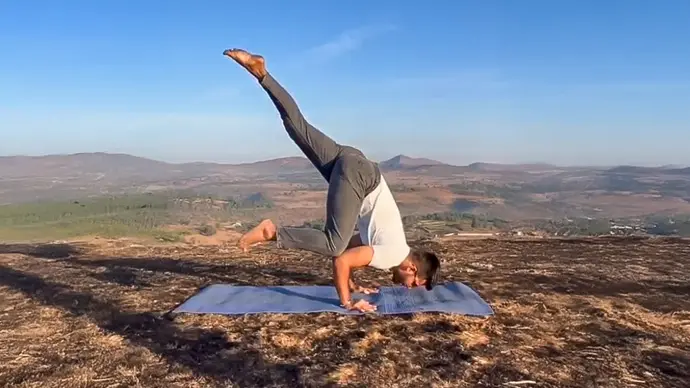
Watching students improve, even slightly, is incredibly rewarding. When a timid student finally balances on one leg, it’s a small victory that boosts their confidence. These moments ripple outward, inspiring other students.
Navigating Frustration and Plateaus
Progress isn’t always a straight line. Sometimes, students plateau or lose motivation. As teachers, managing our expectations and maintaining patience are key. Encouraging realistic goals and celebrating progress keeps the momentum alive.
Actionable Tips
- Set manageable goals for each session.
- Share success stories to motivate your class.
- Focus on progress, not perfection.
Continual encouragement fosters resilience and motivation.
The Role of Community and Connection
Building a Supportive Yoga Environment
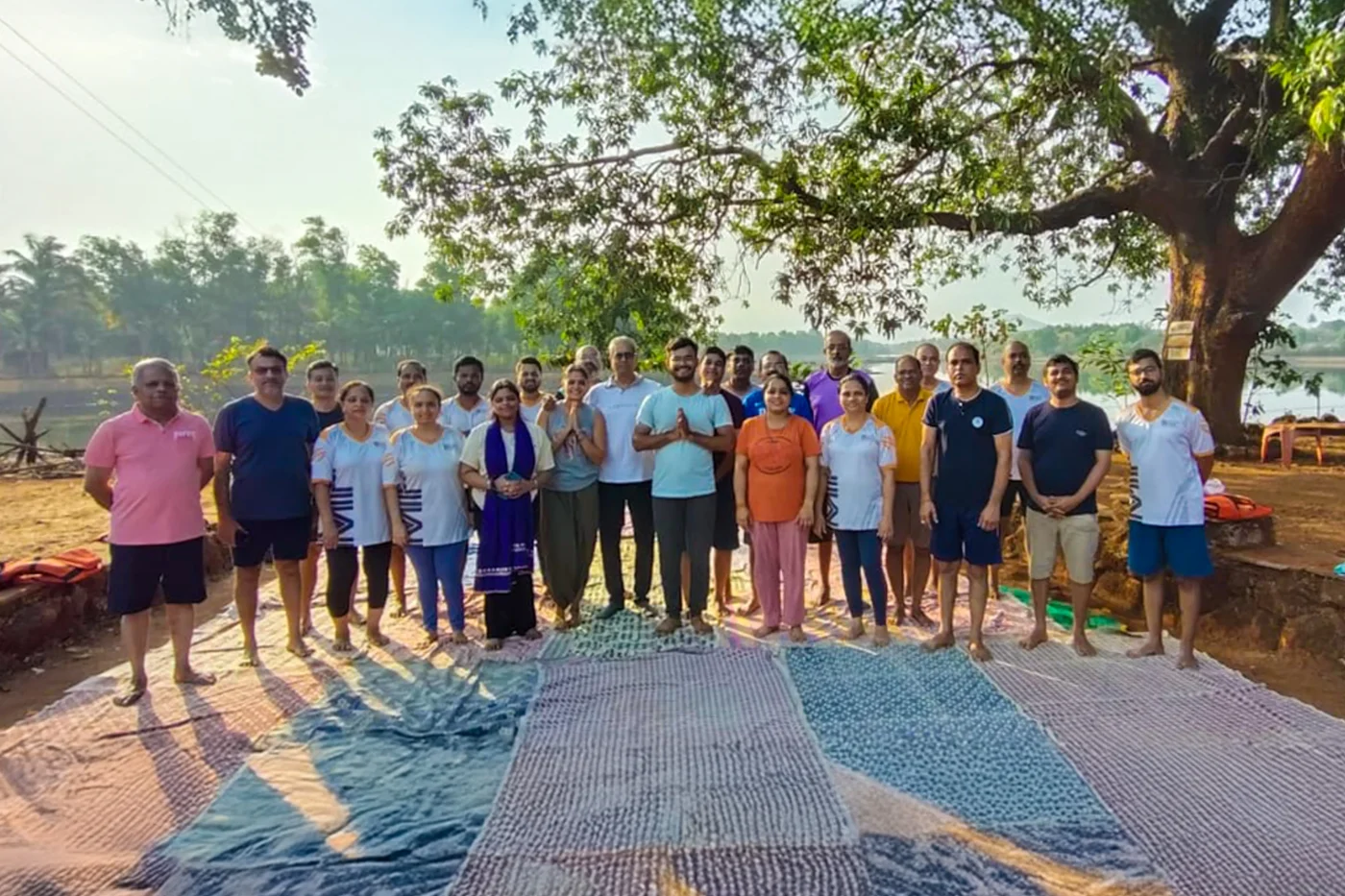
A strong community keeps students coming back. I’ve seen how friendships formed in class become sources of ongoing support. Together, students motivate each other beyond the mat.
Teaching Beyond the Mat
Yoga teaches more than physical poses. It fosters kindness, patience, and shared purpose. Building a sense of community creates a safe space where everyone feels valued.
Actionable Tips
- Encourage students to introduce themselves.
- Create group activities or challenges.
- Host small community events or outings.
A connected community turns yoga into a life-changing experience.
Conclusion
Working with yoga students has taught me invaluable lessons—patience, inclusion, active listening, humility, celebration, and connection. These insights shape not only my teaching but also my practice. They remind us that yoga is about growth, both on and off the mat.
Whether it’s watching someone rise from the floor unassisted for the first time or guiding an 82-year-old to master push-ups while living with Parkinson’s — these moments reveal what yoga is truly about. Keep learning from your students, stay humble, and celebrate each step forward.
Your journey as a teacher and practitioner will keep evolving when you embrace the lessons found in every shared moment.
– Fenil Purohit
The author Fenil Purohit is a trained Yoga teacher with a Graduation in Psychology & Master’s in Yogashastra. Fenil ji believes in sustainable transformation through a blend of traditional wisdom and scientific insights. Find more about himhere.
Instagram: @yoga_with_fennil

