

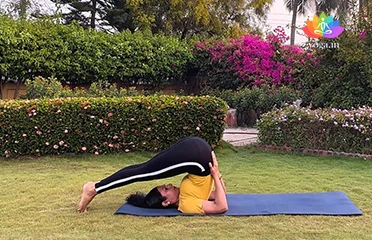
Halasana (Plough Pose)
हलासन / Plough Pose
The Sanskrit name is derived from Hala (हला) meaning plough and asana [¡K]


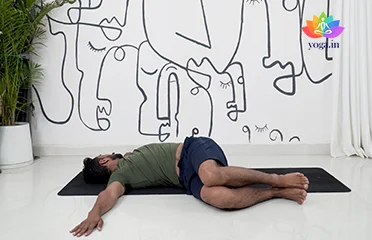
Jathara Parivartanasana (The Abdominal T
ञठर परिवर्तनासन / The Abdominal Twist
The Sanskrit name is derived from Jathara (ञठर) meaning belly or abdomen, [¡K]
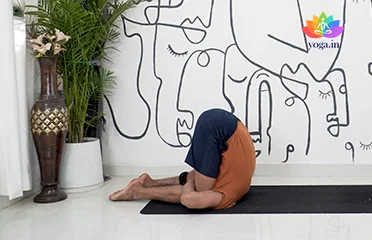
Karnapidasana (Ear Pressure Pose)
कर्णपीडासन / Ear Pressure Pose
The Sanskrit name is derived from Karna (कर्ण) meaning ear, Pida (पीडा) [¡K]
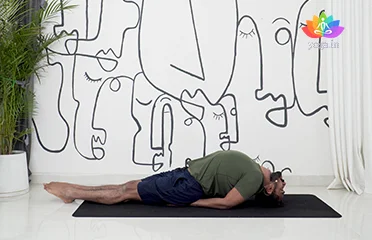
Matsyasana (Fish Pose)
मत्स्यासनI / Fish Pose
The Sanskrit name is derived from Matsya (मत्स्या) meaning fish [¡K]
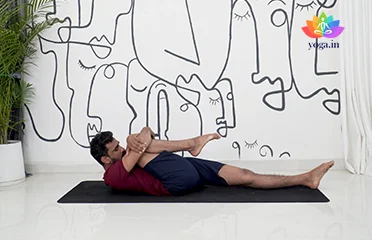
Pawanmuktasana (Wind Release Pose)
पवनमुक्तासन / Wind Release Pose
The Sanskrit name is derived from Pawan (पवन) meaning wind or gas, Mukta [¡K]
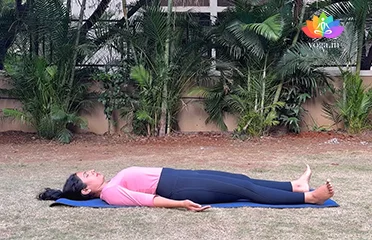
Savasana (Corpse Pose)
शवासना / Corpse Pose
The Sanskrit name is derived from Śhava (शव) meaning "corpse" and āsana [¡K]
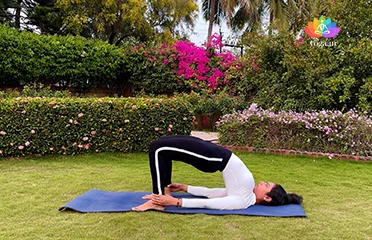
Setubandhasana (Bridge Pose)
सेतु बन्धासन / Bridge Pose
The Sanskrit name is derived from Setu (सेतु) meaning bridge, Bandha [¡K]
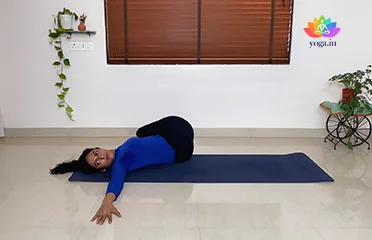
Supta Matsyendrasana (Supine Spinal Twis
सुप्त मत्स्येन्द्रासन / Supine Spinal Twist Pose
The Sanskrit name is derived from Supta (सुप्त) means supine, Matsya [¡K]
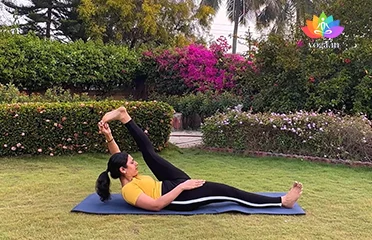
Supta Padangusthasana (Reclining Posture
सुप्त पदंगुष्टासन / Reclining Posture
The Sanskrit name is derived from Supta (सुप्त) meaning 'supine or [¡K]
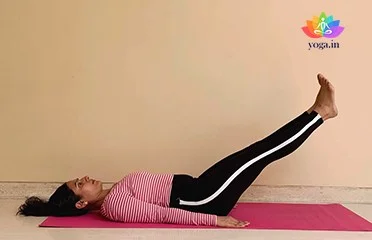
Uttanapadasana (Raised Leg Pose)
उत्तान पादासन / Raised Leg Pose
In Sanskrit, Uttana means 'raised', and pada means 'leg'; thus, Uttanpadasana [¡K]
A Guide to Supine Yoga Poses
Supine yoga poses are performed while lying on your back and are perfect for improving back health. They offer various benefits for the body as a whole. Poses vary in the difficulty levels. Lying on your back, supine yoga poses are mild but powerful methods to increase strength, flexibility, and relaxation. Both beginners and advanced practitioners should find these poses perfect since they allow for deep stretching.
Benefits of Supine Yoga poses
- Strengthens the Body: Helps to improve spinal alignment by gently stretching the back and legs, opening the hips and chest.
- Improves Posture: Corrects posture and reduces back pain by means of these poses.
- Promotes Relaxation: Lying on the back activates the parasympathetic nervous system, therefore inducing a calm and restful state.
- Reduces Stress: For better sleep, anxiety reduction, and stress release especially, this makes them very helpful.
- Focus on Breath Awareness: They let practitioners concentrate on deep, deliberate breathing. During practice, their grounding quality gives one solidity and centring.
List of Supine Yoga Poses
- Halasana (Plough Pose): A deeper inversion than shoulder stand, it stretches the spine, shoulders, and hamstrings.
- Jathara Parivartanasana (The Abdominal Twist): This abdominal twist enhances core strength, alignment and posture. Also releases tension in the lumbar spine and strengthens the spine and legs
- Karnapidasana (Ear Pressure Pose): An advanced pose which gives relief from constipation, aids hearing impairments and improves the flexibility of pelvis and abdomen.
- Setu Bandhasana (Bridge Pose): This backbend is a preparatory pose for more advanced inversions, strengthening the back and legs.
- Matsyasana (Fish Pose): A beginner’s pose stretches your abdominal and chest muscles, giving an internal massage to your respective organs.
- Pawanmuktasana (Wind Release Pose): This beginner friendly pose provides amazing benefits. It gives a good stretch to the neck and back. It strengthens the lower back muscles and loosens the spinal vertebrae.
- Savasana (Corpse Pose): This restorative pose promotes total relaxation and integration.
- Supta Matsyendrasana (Supine Spinal Twist): A pose which gives a spinal twist which aids digestion and spinal mobility.
- Supta Padangusthasana (Reclining Posture): This reclining posture gives a good stretch to the hamstrings and calves.
- Uttanapadasana (Raised Leg Pose): This supine pose is an easy beginner level pose which gives a good stretch to the hamstrings, glutes, improves flexibility of the spine and strengthens your back.
Tips for Practicing Supine Yoga Poses
- Comfort and alignment should be given top priority when learning supine positions.
- Support the body and improve the experience with props including blocks, blankets or bolsters.
- To deepen relaxation and connection with the body, concentrate on calm breathing.
- To keep awareness and prevent tension, move slowly between poses. As you move or maintain energetic positions like Bridge, gently engage the core.
- Particularly in restful positions, keep the spine and neck in a neutral position.
- Finally, pay attention to your body; these stances ought to be encouraging rather than uncomfortable. Consistent practice over time will raise body awareness, flexibility, and mental clarity.
Common Challenges and How to Overcome Them
- Tight Hamstrings: Bending the other knee, use a yoga strap in leg stretches.
- Lower Back Pain: Steer clear of overstretching legs and lay a folded blanket beneath hips.
- Neck/Shoulder Strain: Support head and arms with objects; release shoulder blades.
- Knee Discomfort: In positions like Supta Baddha Konasana, use cushions or blocks under knees.
- Hip Balance: Use Prop hips for support; steer clear of pressing knees down.
- Mental restlessness: Practice guided relaxation or breath concentration to quiet the mind.
- Lack of Engagement: Activate core muscles and move deliberately to be present.