

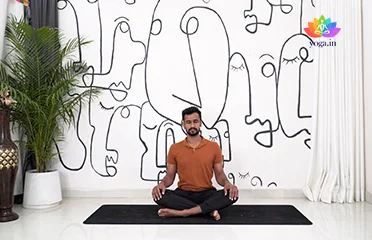
Sukhasana (Easy Pose)
सुखासनम् / Easy Pose
The Sanskrit name is derived from Sukh (सुख) means anand/ aaram and asana [¡K]


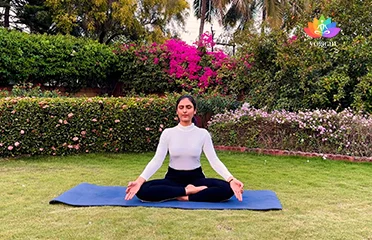
Svastikasana (Auspicious Pose)
स्वस्तिकासन / Auspicious Pose
The Sanskrit name is derived from Swastika (स्वस्तिका) meaning [¡K]
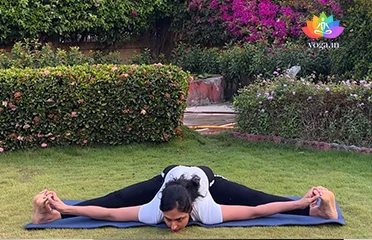
Upavishta Konasana (Wide-Angled Seated F
उपविष्ट कोनासन / Wide-Angled Seated Forward Bend
The Sanskrit name is derived from Upavistha (उपविष्ट) means open/seated, [¡K]
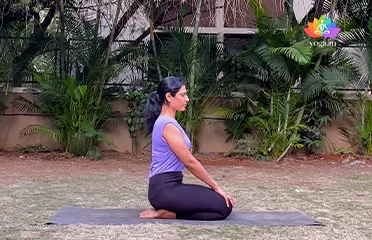
Vajrasana (Thunderbolt Pose)
वज्रासन / Thunderbolt Pose
The sanskrit term Vajra (वज्र) meaning thunderbolt and asana (आसन) [¡K]
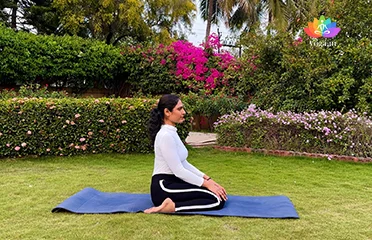
Virasana (Hero Pose)
वीरासन / Hero Pose
The Sanskrit name is derived from Vira (वीरा) meaning hero or a warrior [¡K]
- 1
- 2
- 3
Seated Yoga Poses: Relieve Discomfort & Enhance Flexibility
Seated yoga poses, or asanas, offer a profound way to cultivate inner peace, flexibility, and strength. These postures are accessible to individuals of all fitness levels and can be practiced anywhere, making them a convenient choice for busy lifestyles. By focusing on the breath and body alignment, seated poses can help alleviate stress, improve posture, and enhance overall well-being.
Benefits of Seated Yoga Poses
- Improved flexibility: Regular practice of seated poses can increase flexibility in the hips, spine, and lower back.
- Enhanced focus and concentration: Seated poses require mental focus, helping to improve concentration and mindfulness.
- Reduced stress and anxiety: The calming nature of seated poses promotes relaxation and stress reduction.
- Improved posture: Regular practice can help correct postural imbalances and strengthen the core.
- Digestive benefits: Certain seated poses can aid digestion and alleviate discomfort.
List of Seated Yoga Poses
- Sukhasana (Easy Pose): A foundational pose, Sukhasana involves sitting cross-legged with a comfortable spine. It’s a great starting point for beginners.
- Vajrasana (Thunderbolt Pose): Kneeling with buttocks resting on heels, this pose improves digestion and grounding.
- Dandasana (Staff Pose): Sitting upright with legs extended, Dandasana strengthens the spine and core.
- Paschimottanasana (Seated Forward Fold): This pose stretches the hamstrings, lower back, and spine, promoting flexibility and relaxation.
- Baddha Konasana (Butterfly Pose): A hip-opening pose that also stretches the inner thighs and groin.
- Ardha Matsyendrasana (Half Spinal Twist): This twisting pose helps improve spinal flexibility and digestion.
- Virasana (Hero Pose): Kneeling with knees together and hips on heels, this pose strengthens the ankles and knees.
- Padmasana (Lotus Pose): A challenging pose that requires flexibility and practice, Padmasana is considered a meditative posture.
Tips for Practicing Seated Yoga Poses
- Use props: Blankets, blocks, and chairs can be helpful for support and comfort.
- Focus on breath: Deep and steady breathing enhances the benefits of the poses.
- Start slowly: Begin with simpler poses and gradually progress as your flexibility improves.
- Find a comfortable space: Choose a quiet place where you won’t be disturbed.
- Practice regularly: Consistent practice is key to reaping the full benefits of seated yoga.
Common Challenges and How to Overcome Them
- Tight hips: Use props like blankets or blocks to support your hips and gradually increase flexibility.
- Back pain: Focus on core engagement and avoid rounding the back.
- Difficulty sitting cross-legged: Explore alternative poses like Dandasana or Virasana.
- Mind wandering: Bring your attention back to the breath and body to maintain focus.