

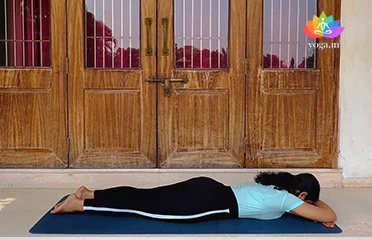
Makarasana (Crocodile Pose)
मकरासन / Crocodile Pose
The Sanskrit name is derived from Makara (मकरा) meaning crocodile and [¡K]


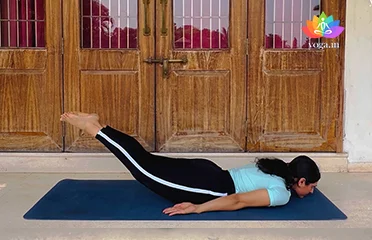
Shalabhasana (Locust Pose)
सलभासन / Locust Pose
The Sanskrit name is derived from Shalabha (शलभा) meaning locust and [¡K]
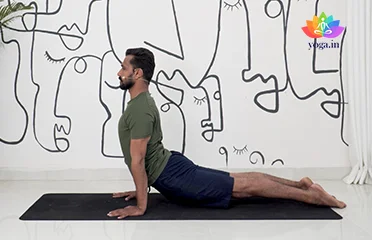
Urdhva Mukha Svanasana (Upward-Facing Do
ऊर्ध्वमुखश्वानासन / Upward-Facing Dog Pose
The Sanskrit name is derived from Urdhva (ऊर्ध्व) meaning up, Mukha [¡K]
Perfecting Prone Yoga Poses – An Insightful Guide to Flexibility and Strength
In prone yoga poses you lie on your stomach and face the ground. They are perfect for back stretches, chest opening, and core strength training. These movements help reverse all that slouching if you sit a lot or have poor posture!
Whether you have been learning for some time or are just starting yoga, prone positions provide a calm and consistent way to increase flexibility and strengthen your spine.
Benefits of Prone Yoga Poses
- Enhancing Muscle Strength: Prone Poses increase the muscles in the back, core, and glutes, therefore enhancing posture and reducing lower back discomfort.
- Improves Flexibility: These poses also stretch the hip flexors, chest, and shoulders and improve spinal flexibility.
- Reduces Stress: Prone positions serve to ground and settle oneself, therefore reducing tension and worry.
- Stimulates Digestion: Locust pose, boost circulation and stimulate the digestive tract. Since they are done close to the floor and promote stability and reflection, they are ideal for progressively gaining strength.
List of Prone Yoga Poses
There are several effective prone yoga poses that target different areas of the body. Some commonly practiced ones include:
- Shalabhasana (Locust Pose): Lower back and glute strength are developed in the prone position.
- Makarasana (Crocodile Pose): A beginner friendly restorative posture for relaxation.
- Urdhva Mukha Svanasana (Upward-Facing Dog Pose): The upward-facing dog position, aids in stretching front of the body, chest.
Tips for Practicing Prone Yoga Poses
- Focus on Breath: Practice prone yoga poses with an attention toward alignment and breath.
- Start with Warm-up: Start with a good warm-up to keep the hips and spine active.
- Incorporate Core Strength: Use your core to guard your lower back and avoid deep backbends.
- Maintaining Neck Alignment: Maintaining neck alignment with the spine helps you prevent strain.
- Use Support: Use a folded blanket beneath the hips or chest for further assistance.
- Pay Great Attention to Your Body: If a posture produces discomfort, modify it or with changes.
Common Challenges and How to Overcome Them
- Reduced Flexibility: People may find it difficult to activate the core, have reduced spinal flexibility, and experience back pain. If flexibility is limited, practice gentle asanas like Baby Cobra instead of whole Cobra.
- Lack of Support: Some poses call for proper alignment with help. Put pillows or yoga blocks underfoot.
- Back Pain: If you experience lower back pain, focus on engaging the abdominal muscles to support the lumbar spine and reduce strain.