

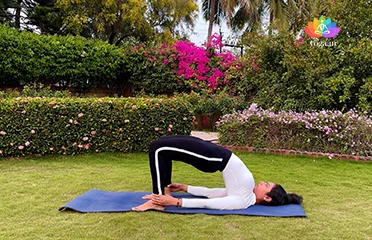
Setubandhasana (Bridge Pose)
सेतु बन्धासन / Bridge Pose
The Sanskrit name is derived from Setu (सेतु) meaning bridge, Bandha [¡K]


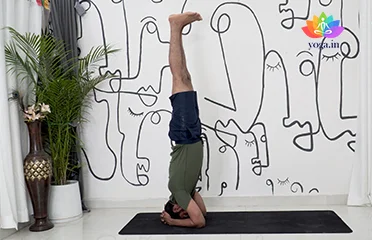
Sirsasana (Headstand)
शीर्षासन / Headstand
The Sanskrit name is derived from Sirsa (शीर्ष) meaning head and asana [¡K]
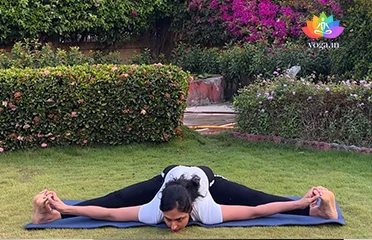
Upavishta Konasana (Wide-Angled Seated F
उपविष्ट कोनासन / Wide-Angled Seated Forward Bend
The Sanskrit name is derived from Upavistha (उपविष्ट) means open/seated, [¡K]
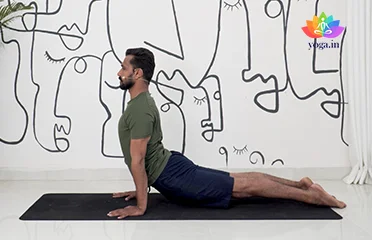
Urdhva Mukha Svanasana (Upward-Facing Do
ऊर्ध्वमुखश्वानासन / Upward-Facing Dog Pose
The Sanskrit name is derived from Urdhva (ऊर्ध्व) meaning up, Mukha [¡K]
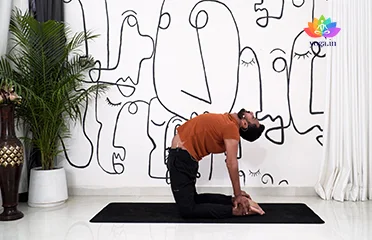
Ushtrasana (Camel Pose)
उष्ट्रासनI / Camel Pose
The Sanskrit name is derived from Ushtra (उष्ट्रासनI) meaning [¡K]
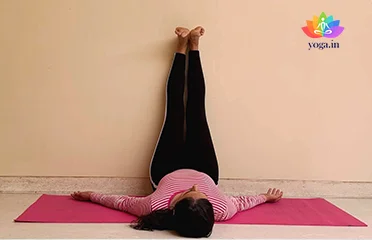
Viparita Karani (Legs Up The Wall Pose)
विपरिता करणी / Legs Up The Wall Pose
The Sanskrit name is derived from Viparita (विपरिता) meaning inverted [¡K]
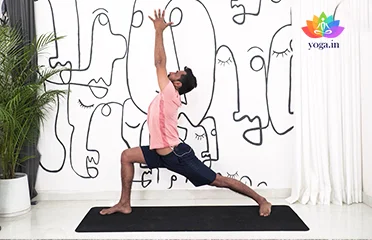
Virabhadrasana I (Warrior I Pose)
विरभद्रासन I / Warrior I Pose
The Sanskrit name is derived from Vira (विरा) means hero, Bhadra (भद्रा [¡K]
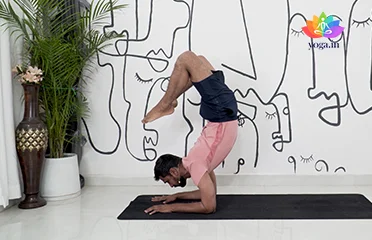
Vrischikasana (Scorpion Pose)
वृश्चिकासन / Scorpion Pose
The Sanskrit name is derived from Vrischik (वृश्चिक) meaning scorpion [¡K]
- 1
- 2
How Yoga Can Help Cure Insomnia and Sleep Disorders:
Insomnia and sleep disorders refer to conditions that disrupt the normal sleep pattern, causing difficulty in falling or staying asleep. Yoga can help manage and alleviate the symptoms of insomnia and sleep disorders by promoting relaxation, reducing stress, and creating a calm mind and body. Through physical postures, breathing exercises, and meditation, yoga can enhance sleep quality and help establish a healthy sleep routine.
Understanding Insomnia and Sleep Disorders:
Insomnia and sleep disorders encompass various conditions that affect sleep quality and duration. Insomnia is characterized by difficulty falling asleep, staying asleep, or waking up too early and not being able to go back to sleep. Other sleep disorders include sleep apnea, restless legs syndrome, and narcolepsy. These conditions can lead to daytime fatigue, mood disturbances, and decreased cognitive function.
Yoga’s Role in Relieving Insomnia and Sleep Disorders:
Yoga offers specific practices and techniques that can help alleviate the symptoms of insomnia and sleep disorders. Gentle yoga poses, pranayama (breathing exercises), and meditation can calm the nervous system, reduce anxiety, and prepare the body for restful sleep. These practices can help regulate the sleep-wake cycle and promote a state of relaxation conducive to sleep.
Key Factors Contributing to Insomnia and Sleep Disorders:
Several factors can contribute to the development of insomnia and sleep disorders, including:
- Stress: Chronic stress can disrupt the sleep-wake cycle.
- Anxiety: Persistent worry can make it difficult to relax and fall asleep.
- Poor Sleep Hygiene: Irregular sleep patterns and habits can lead to sleep disturbances.
- Medical Conditions: Chronic pain, asthma, and other medical issues can interfere with sleep.
- Lifestyle Factors: Consumption of caffeine, alcohol, and exposure to screens before bed can affect sleep quality.
Symptoms of Insomnia and Sleep Disorders:
Common symptoms associated with insomnia and sleep disorders include:
- Difficulty Falling Asleep: Struggling to fall asleep despite being tired.
- Frequent Awakenings: Waking up multiple times during the night.
- Early Morning Awakenings: Waking up too early and being unable to go back to sleep.
- Daytime Fatigue: Feeling excessively tired during the day.
- Mood Disturbances: Irritability, anxiety, or depression due to lack of sleep.
- Difficulty Concentrating: Trouble focusing or remembering things.
Treatment of Insomnia and Sleep Disorders through Yoga and Pranayama:
Yoga and pranayama can be very beneficial in managing insomnia and sleep disorders. Some effective practices include:
Specific Yoga Poses:
- Supta Baddha Konasana (Reclining Bound Angle Pose): Promotes relaxation and calms the mind.
- Viparita Karani (Legs-Up-the-Wall Pose): Helps reduce stress and anxiety.
Pranayama Exercises:
- Nadi Shodhana (Alternate Nostril Breathing): Balances the mind and reduces stress.
- Bhramari (Bee Breath): Calms the mind and induces relaxation.
Diet for Insomnia and Sleep Disorders:
A balanced diet can help manage insomnia and sleep disorders. Recommendations include:
- Magnesium-Rich Foods: Include leafy greens, nuts, and seeds to promote relaxation.
- Tryptophan-Rich Foods: Consume turkey, dairy, and bananas to support melatonin production.
- Complex Carbohydrates: Whole grains, fruits, and vegetables can stabilize blood sugar levels.
- Herbal Teas: Chamomile or lavender tea can have a calming effect before bed.
Caution for Insomnia and Sleep Disorders:
While practicing yoga for insomnia and sleep disorders, it is essential to:
- Avoid Stimulants: Reduce intake of caffeine and nicotine, especially in the evening.
- Create a Relaxing Environment: Ensure your sleep space is comfortable, quiet, and dark.
- Establish a Routine: Maintain a consistent sleep schedule and bedtime routine.
Contraindications for Insomnia and Sleep Disorders:
Individuals with severe sleep disorders or other medical conditions should:
- Avoid Vigorous Exercise Before Bed: Intense workouts can increase alertness and delay sleep onset.
- Consult a Healthcare Provider: Seek professional advice for underlying conditions before starting yoga practices.
- Be Mindful of Medications: Certain medications may affect sleep patterns; consult a doctor for guidance.