


Kurmasana (Tortoise Pose)
कूर्मासन / Tortoise Pose
The Sanskrit name is derived from Kurma (कूर्मा) meaning tortoise [¡K]


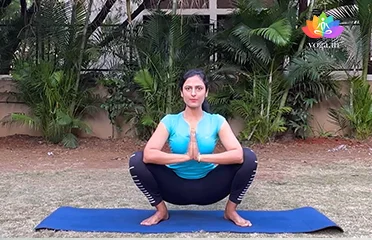
Malasana (Garland Pose)
मालासना / Garland Pose
The Sanskrit name is derived from Mala (माला) means garland or rosary [¡K]
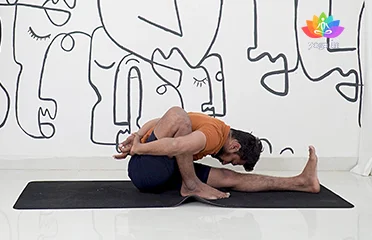
Marichyasana (Sage Twist Pose)
मरीच्यासन / Sage Twist Pose
The Sanskrit name is derived from Marichya (मरीच्) meaning ray of [¡K]

Matsyendrasana (Lord of the Fishes Pose)
मत्स्येन्द्रासन / Lord of the Fishes Pose
The name Matsyendrasana is derived from the Sanskrit words Matsya (मत्स्य) [¡K]
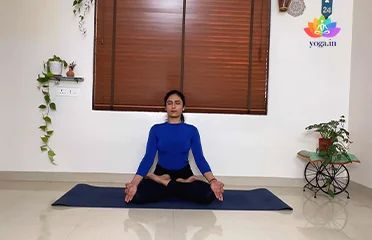
Padmasana (Lotus Pose)
पद्मासन / Lotus Pose
The Sanskrit name is derived from Padma (पद्मा) meaning lotus and [¡K]

Sarvangasana (Shoulderstand)
सर्वाङ्गासनI / Shoulderstand
The Sanskrit name is derived from Sarva (सर्वाङ्ग) meaning all, [¡K]
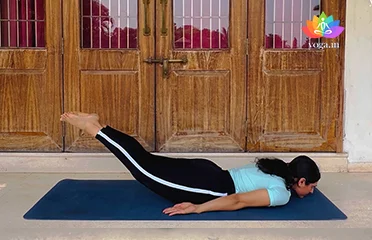
Shalabhasana (Locust Pose)
सलभासन / Locust Pose
The Sanskrit name is derived from Shalabha (शलभा) meaning locust and [¡K]

Sirsasana (Headstand)
शीर्षासन / Headstand
The Sanskrit name is derived from Sirsa (शीर्ष) meaning head and asana [¡K]
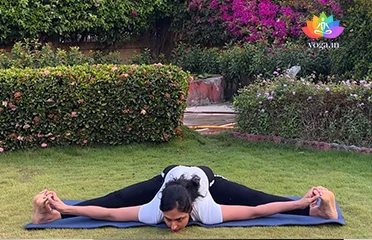
Upavishta Konasana (Wide-Angled Seated F
उपविष्ट कोनासन / Wide-Angled Seated Forward Bend
The Sanskrit name is derived from Upavistha (उपविष्ट) means open/seated, [¡K]
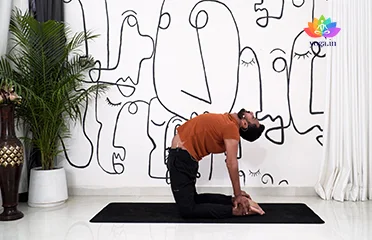
Ushtrasana (Camel Pose)
उष्ट्रासनI / Camel Pose
The Sanskrit name is derived from Ushtra (उष्ट्रासनI) meaning [¡K]
- 1
- 2
- 3
Breathe Deep, Breathe Easy – Yoga for Enhanced Respiratory Health
Yoga offers a natural approach to cultivate healthy lungs and a robust respiratory system. It combines physical postures (asanas), breathing exercises (pranayama), and mindfulness to:
- Improve Lung Function: Specific yoga practices enhance lung capacity by increasing expansion and flexibility.
- Boost Respiratory Strength: Yoga postures and breathing techniques strengthen the diaphragm, the key muscle responsible for inhalation.
- Promote Overall Well-being: By addressing stress, a major contributor to shallow breathing, yoga fosters deeper, more efficient respiration.
Understanding the Impact on Your Breath:
Several factors can influence your respiratory health:
- Stress: Chronic stress triggers rapid, shallow breathing, hindering lung function. Yoga’s focus on relaxation combats stress, allowing your lungs to work optimally.
- Sedentary Lifestyle: Inactivity weakens respiratory muscles. Yoga’s gentle movements and mindful breathing help strengthen these muscles, improving your ability to take in oxygen.
- Environmental Toxins: Air pollution, allergens, and smoking irritate airways. Yoga promotes deeper breathing patterns, potentially helping clear irritants and improve overall lung health.
- Age: Lung function naturally declines with age. Yoga can help maintain lung elasticity and capacity for optimal breathing, even as you get older.
- Underlying Conditions: Certain medical conditions like asthma can affect breathing. While not a cure, yoga can be a valuable complementary therapy.
Symptoms of Respiratory Issues:
- Shortness of breath
- Wheezing
- Chest tightness
- Cough
- Fatigue
- Sleep disturbances
- Frequent colds and infections
Yoga & Pranayama: Natural Allies for Your Lungs
Yoga offers a safe and effective way to manage respiratory issues by:
- Strengthening the Diaphragm: As the primary muscle for breathing, a stronger diaphragm translates to deeper, more efficient breaths.
- Enhancing Lung Expansion: Specific yoga poses, and breathing exercises help open the chest and lungs, allowing for greater air intake.
- Reducing Stress and Anxiety: Chronic stress can exacerbate respiratory symptoms. Yoga’s relaxation techniques promote mindfulness and reduce stress, fostering better breathing patterns.
- Improving Circulation: Enhanced circulation optimizes oxygen delivery throughout the body, including the lungs.
- Boosting the Immune System: Regular yoga practice may strengthen the immune system, potentially reducing susceptibility to respiratory infections.
Dietary Support for Healthy Breathing
Complement your yoga practice with a diet rich in:
- Anti-inflammatory Foods: Fruits, vegetables, whole grains, and healthy fats can help reduce inflammation in the airways, easing breathing difficulties.
- Hydration: Proper water intake keeps the respiratory system moist and functioning optimally.
- Limited Processed Foods & Added Sugars: These can contribute to inflammation and worsen respiratory symptoms in some individuals.
A Word of Caution & Contraindications
Always listen to your body, especially if you have any pre-existing respiratory conditions. Modify or skip poses that cause discomfort and consult a qualified yoga teacher experienced in working with respiratory conditions. Be sure to communicate any medical conditions to your yoga teacher to ensure safe and beneficial practice.
By incorporating yoga, pranayama, and a healthy diet into your routine, you can take charge of your respiratory health and breathe easier, naturally.