

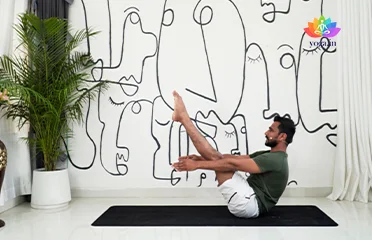
Naukasana (Boat Pose)
नौकासन / Boat Pose
The Sanskrit name is derived from Nava ( नाव) meaning boat and asana (आसन) [¡K]


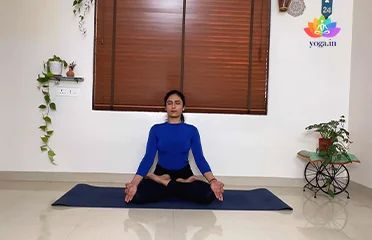
Padmasana (Lotus Pose)
पद्मासन / Lotus Pose
The Sanskrit name is derived from Padma (पद्मा) meaning lotus and [¡K]
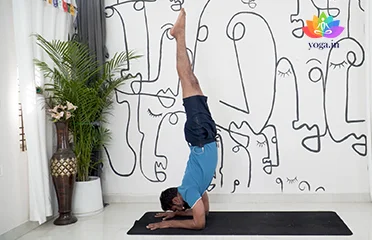
Pincha Mayurasana (Peacock Feather Pose)
पिंचमयूरासन / Peacock Feather Pose
The Sanskrit name is derived from Pincha (पिंच) meaning feathered, Mayur [¡K]
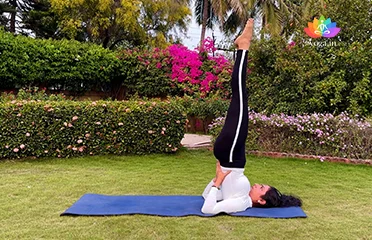
Sarvangasana (Shoulderstand)
सर्वाङ्गासनI / Shoulderstand
The Sanskrit name is derived from Sarva (सर्वाङ्ग) meaning all, [¡K]
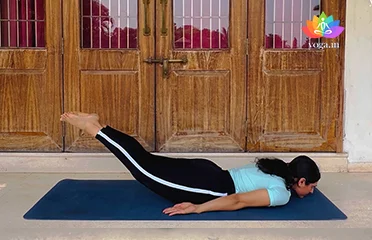
Shalabhasana (Locust Pose)
सलभासन / Locust Pose
The Sanskrit name is derived from Shalabha (शलभा) meaning locust and [¡K]
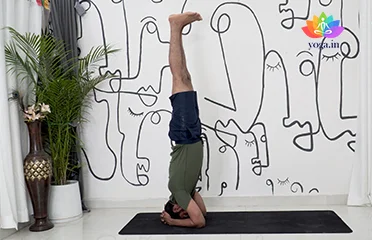
Sirsasana (Headstand)
शीर्षासन / Headstand
The Sanskrit name is derived from Sirsa (शीर्ष) meaning head and asana [¡K]
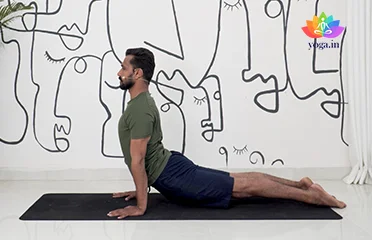
Urdhva Mukha Svanasana (Upward-Facing Do
ऊर्ध्वमुखश्वानासन / Upward-Facing Dog Pose
The Sanskrit name is derived from Urdhva (ऊर्ध्व) meaning up, Mukha [¡K]
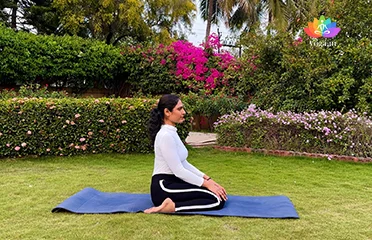
Virasana (Hero Pose)
वीरासन / Hero Pose
The Sanskrit name is derived from Vira (वीरा) meaning hero or a warrior [¡K]
- 1
- 2
How Yoga Can Help Cure Prostate Issues:
Prostate issues, such as benign prostatic hyperplasia (BPH) and prostatitis, are common among men, particularly as they age. Yoga can be a valuable tool in managing and alleviating symptoms associated with prostate problems. Through specific postures, breathing exercises, and relaxation techniques, yoga can help improve blood circulation, reduce inflammation, and promote overall prostate health.
Understanding Prostate Issues:
The prostate is a small gland located below the bladder in men, responsible for producing seminal fluid. Prostate issues primarily include benign prostatic hyperplasia (BPH), a non-cancerous enlargement of the prostate, and prostatitis, an inflammation of the prostate gland. These conditions can lead to urinary problems, pelvic pain, and other discomforts.
Yoga’s Role in Relieving Prostate Issues:
Yoga can help alleviate prostate symptoms through various practices that improve pelvic floor strength, enhance blood flow to the prostate area, and reduce stress. Specific yoga poses and pranayama techniques can target the lower abdominal region and promote relaxation, which is crucial for managing prostate conditions.
Key Factors Contributing to Prostate Issues:
Several factors can contribute to the development of prostate issues, including:
- Aging: The risk of prostate problems increases with age.
- Hormonal Changes: Fluctuations in hormone levels can affect prostate health.
- Genetics: A family history of prostate issues can increase risk.
- Lifestyle Factors: Poor diet, lack of exercise, and smoking can contribute to prostate problems.
- Chronic Infections: Recurrent urinary tract infections can lead to prostatitis.
- Inflammation: Chronic inflammation in the body can affect the prostate.
Symptoms of Prostate Issues:
Common symptoms of prostate issues include:
- Frequent Urination: A frequent need to urinate, especially at night.
- Difficulty Urinating: Straining to start or maintain urination.
- Weak Urine Flow: A weak or interrupted urine stream.
- Painful Urination: Discomfort or pain during urination.
- Pelvic Pain: Persistent pain or discomfort in the pelvic area.
- Erectile Dysfunction: Difficulty achieving or maintaining an erection.
- Blood in Urine or Semen: Visible blood in urine or semen.
Treatment of Prostate Issues through Yoga and Pranayama:
Yoga and pranayama can be highly effective in managing prostate issues. Some beneficial practices include:
Specific Yoga Poses:
- Supta Baddha Konasana (Reclining Bound Angle Pose): Opens the hips and improves blood flow to the pelvic region.
- Malasana (Garland Pose): Strengthens the pelvic floor and promotes digestion.
- Setu Bandhasana (Bridge Pose): Enhances blood circulation and strengthens the lower back.
Pranayama Exercises:
- Anulom Vilom (Alternate Nostril Breathing): Balances the mind and reduces stress.
- Bhramari (Bee Breath): Calms the mind and reduces stress levels.
Diet for Prostate Issues:
A balanced diet can help manage prostate issues. Recommendations include:
- Anti-Inflammatory Foods: Tomatoes, berries, and fatty fish reduce inflammation.
- High-Fiber Foods: Whole grains, fruits, and vegetables aid digestion and reduce strain on the bladder.
- Healthy Fats: Nuts, seeds, and avocados support overall health.
- Hydration: Drink plenty of water to maintain urinary health.
Caution for Prostate Issues:
While practicing yoga for prostate issues, it is essential to:
- Avoid Overexertion: Practice at a gentle pace to prevent strain on the pelvic region.
- Be Mindful of Pain: Stop immediately if any pose causes discomfort or pain.
Always consult with a healthcare provider before starting any new exercise regimen, especially if you have severe prostate issues.
Contraindications for Prostate Issues:
Individuals with severe prostate issues or significant pelvic pain should:
- Avoid Intense Yoga Practices: Vigorous exercises might exacerbate symptoms.
- Steer Clear of Certain Poses: Inversions and poses that put pressure on the abdomen may increase discomfort.
- Seek Professional Guidance: Consult a yoga therapist or healthcare professional for personalized recommendations.