

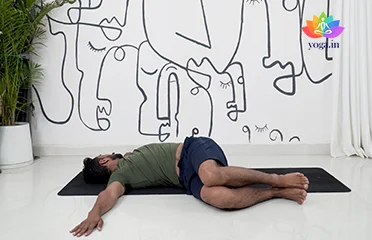
Jathara Parivartanasana (The Abdominal T
ञठर परिवर्तनासन / The Abdominal Twist
The Sanskrit name is derived from Jathara (ञठर) meaning belly or abdomen, [¡K]


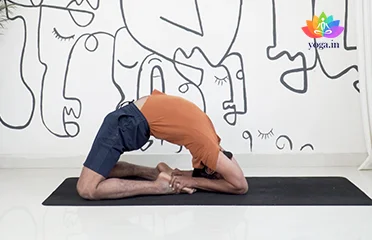
Kapotasana (Pigeon Pose)
कपोटासन / Pigeon Pose
The Sanskrit name is derived from Kapota (कपोटा) meaning pigeon or [¡K]
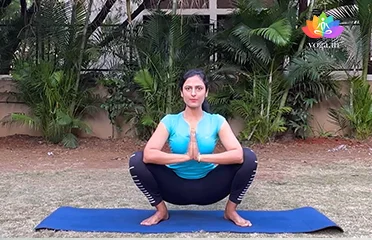
Malasana (Garland Pose)
मालासना / Garland Pose
The Sanskrit name is derived from Mala (माला) means garland or rosary [¡K]
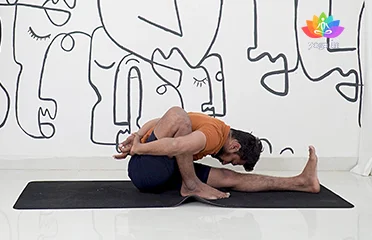
Marichyasana (Sage Twist Pose)
मरीच्यासन / Sage Twist Pose
The Sanskrit name is derived from Marichya (मरीच्) meaning ray of [¡K]
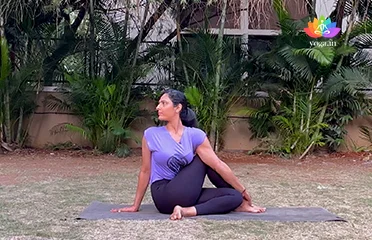
Matsyendrasana (Lord of the Fishes Pose)
मत्स्येन्द्रासन / Lord of the Fishes Pose
The name Matsyendrasana is derived from the Sanskrit words Matsya (मत्स्य) [¡K]
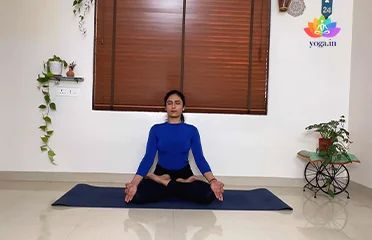
Padmasana (Lotus Pose)
पद्मासन / Lotus Pose
The Sanskrit name is derived from Padma (पद्मा) meaning lotus and [¡K]
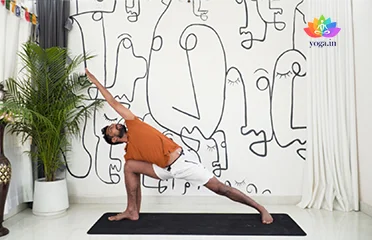
Parsvakonasana (Extended Lateral Angle P
पार्श्वकोनासन / Extended Lateral Angle Pose
The Sanskrit name is derived from Parsva (पार्श्व) meaning side, [¡K]
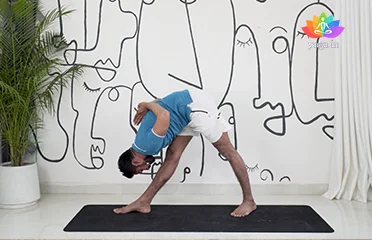
Parsvottanasana (Intense Side Stretch Po
पार्श्वोत्तनासनम् / Intense Side Stretch Pose
The Sanskrit name is derived from parsva (पार्श्वो) meaning [¡K]

Sarvangasana (Shoulderstand)
सर्वाङ्गासनI / Shoulderstand
The Sanskrit name is derived from Sarva (सर्वाङ्ग) meaning all, [¡K]

Setubandhasana (Bridge Pose)
सेतु बन्धासन / Bridge Pose
The Sanskrit name is derived from Setu (सेतु) meaning bridge, Bandha [¡K]
- 1
- 2
- 3
How Yoga Can Help Cure Rheumatic Pains:
Rheumatic pains, often associated with conditions like arthritis, involve chronic inflammation and discomfort in the joints and muscles. Yoga can significantly aid in the treatment and relief of these pains. Through gentle stretching, strengthening exercises, and relaxation techniques, yoga helps reduce inflammation, improve joint flexibility, and enhance overall physical and mental well-being.
Understanding Rheumatic Pains:
Rheumatic pains encompass a range of conditions characterized by inflammation, pain, and swelling in the joints and muscles. Common types include rheumatoid arthritis, osteoarthritis, and fibromyalgia. These conditions can lead to stiffness, decreased mobility, and a reduced quality of life.
Yoga’s Role in Relieving Rheumatic Pains:
Specific yoga practices can help alleviate the symptoms of rheumatic pains by improving joint flexibility, reducing inflammation, and enhancing muscle strength. Techniques such as gentle asanas (postures), pranayama (breathing exercises), and meditation promote relaxation and mental clarity, which are crucial for managing chronic pain.
Key Factors Contributing to Rheumatic Pains:
Several factors can contribute to the development of rheumatic pains, including:
- Genetic Predisposition: A family history of rheumatic conditions increases the risk.
- Age: The risk of rheumatic pains increases with age.
- Autoimmune Reactions: The immune system attacking the body’s tissues.
- Infections: Certain bacterial and viral infections can trigger rheumatic conditions.
- Obesity: Excess weight puts additional strain on joints.
- Joint Injuries: Previous injuries can increase the risk of rheumatic pains.
Symptoms of Rheumatic Pains:
Common symptoms of rheumatic pains include:
- Joint Pain: Persistent pain in the joints, often described as aching or throbbing.
- Swelling: Inflammation and swelling in the affected joints.
- Stiffness: Difficulty in moving joints, especially after periods of inactivity.
- Fatigue: Chronic tiredness and lack of energy.
- Redness and Warmth: Joints may appear red and feel warm to the touch.
- Limited Range of Motion: Difficulty in fully moving the affected joints.
- Muscle Pain: Aching or soreness in the muscles surrounding the joints.
Treatment of Rheumatic Pains through Yoga and Pranayama:
Yoga and pranayama can be highly effective in managing rheumatic pains. Some beneficial practices include:
Specific Yoga Poses:
- Tadasana (Mountain Pose): Improves posture and balance.
- Vrikshasana (Tree Pose): Enhances balance and strengthens legs.
- Setu Bandhasana (Bridge Pose): Strengthens back muscles and relieves tension.
Pranayama Exercises:
- Anulom Vilom (Alternate Nostril Breathing): Balances the mind and reduces stress.
- Ujjayi (Ocean Breath): Soothes the nervous system and reduces stress.
Diet for Rheumatic Pains:
A balanced diet can help manage rheumatic pains. Recommendations include:
- Anti-Inflammatory Foods: Include turmeric, ginger, and leafy greens to reduce inflammation.
- Omega-3 Fatty Acids: Found in fish, flaxseeds, and walnuts, these support joint health.
- High-Fiber Foods: Fruits, vegetables, and whole grains aid digestion and overall health.
- Lean Proteins: Chicken, fish, and legumes provide essential nutrients for muscle repair.
- Hydration: Drink plenty of water to stay hydrated and support joint function.
Caution for Rheumatic Pains:
While practicing yoga for rheumatic pains, it is essential to:
- Avoid Overexertion: Practice at a gentle pace to prevent strain on the joints.
- Be Mindful of Pain: Stop immediately if any pose causes discomfort or pain.
Always consult with a healthcare provider before starting any new exercise regimen, especially if you have severe rheumatic pains.
Contraindications for Rheumatic Pains:
Individuals with severe rheumatic pains or significant joint damage should:
- Avoid High-Intensity Yoga: Vigorous practices might exacerbate symptoms.
- Steer Clear of Certain Poses: Inversions and poses that put pressure on affected joints may increase discomfort.
- Seek Professional Guidance: Consult a yoga therapist or healthcare professional for personalized recommendations.