

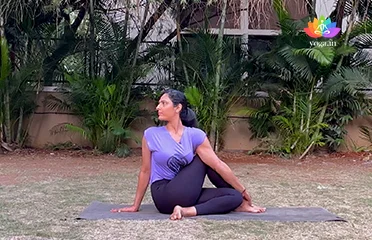
Matsyendrasana (Lord of the Fishes Pose)
मत्स्येन्द्रासन / Lord of the Fishes Pose
The name Matsyendrasana is derived from the Sanskrit words Matsya (मत्स्य) [¡K]


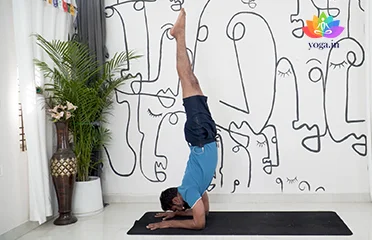
Pincha Mayurasana (Peacock Feather Pose)
पिंचमयूरासन / Peacock Feather Pose
The Sanskrit name is derived from Pincha (पिंच) meaning feathered, Mayur [¡K]
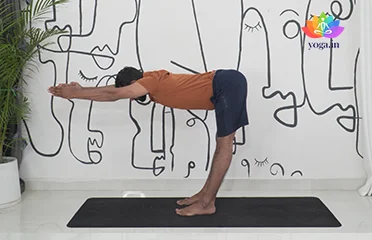
Samakonasana (The Right-Angle Posture)
समकोणासन / The Right-Angle Posture
The Sanskrit name is derived from Sama (समा) meaning straight, Kona meaning [¡K]
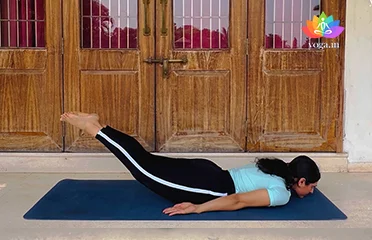
Shalabhasana (Locust Pose)
सलभासन / Locust Pose
The Sanskrit name is derived from Shalabha (शलभा) meaning locust and [¡K]
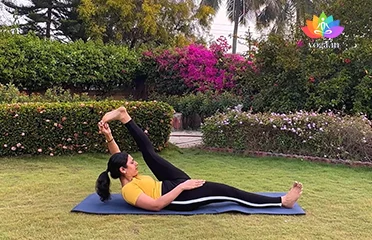
Supta Padangusthasana (Reclining Posture
सुप्त पदंगुष्टासन / Reclining Posture
The Sanskrit name is derived from Supta (सुप्त) meaning 'supine or [¡K]
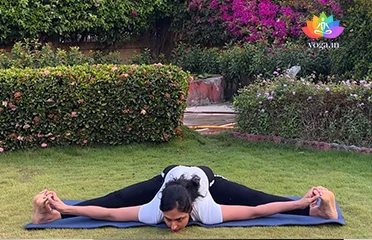
Upavishta Konasana (Wide-Angled Seated F
उपविष्ट कोनासन / Wide-Angled Seated Forward Bend
The Sanskrit name is derived from Upavistha (उपविष्ट) means open/seated, [¡K]
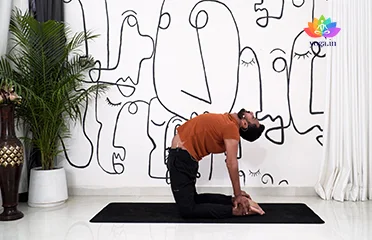
Ushtrasana (Camel Pose)
उष्ट्रासनI / Camel Pose
The Sanskrit name is derived from Ushtra (उष्ट्रासनI) meaning [¡K]
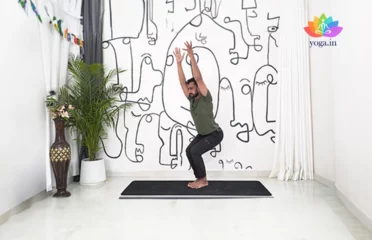
Utkatasana (Chair Pose)
उत्कटासन / Chair Pose
The Sanskrit name is derived from Utkata (उत्कटा) meaning “powerful” [¡K]
- 1
- 2
How Yoga Can Help Cure Hunch Back:
A hunch back, also known as kyphosis, is a condition characterized by an excessive curvature of the upper spine, leading to a hunched or rounded back. Yoga can aid in its treatment by improving posture, strengthening back muscles, and increasing flexibility. Regular practice of specific yoga postures can help correct spinal alignment and alleviate discomfort associated with a hunch back.
Understanding Hunch Back:
Hunch back, or kyphosis, refers to an abnormal curvature of the thoracic spine, resulting in a hunched or rounded upper back. This condition can be caused by poor posture, age-related degeneration, vertebral fractures, or underlying diseases such as osteoporosis. Kyphosis can range from mild to severe and can lead to pain, stiffness, and mobility issues.
Yoga’s Role in Relieving Hunch Back:
Yoga can play a crucial role in managing and alleviating the symptoms of a hunch back. Specific yoga practices can help by:
- Improving Posture: Yoga postures that encourage spinal extension can counteract the forward curvature.
- Strengthening Back Muscles: Strengthening the muscles along the spine can support better alignment.
- Increasing Flexibility: Stretching tight muscles in the chest and shoulders can reduce the hunch.
Key Factors Contributing to Hunch Back:
Several factors can contribute to the development of a hunch back, including:
- Poor Posture: Slouching or hunching over for prolonged periods.
- Osteoporosis: Weak and brittle bones that can lead to vertebral fractures.
- Age-Related Degeneration: Wear and tear on the spine over time.
- Scheuermann’s Disease: A condition in adolescents causing vertebrae to wedge forward.
- Spinal Injuries: Fractures or trauma to the spine.
- Congenital Conditions: Birth defects affecting spinal development.
Symptoms of Hunch Back:
Common symptoms associated with a hunch back include:
- Rounded Upper Back: Visible curvature of the upper spine.
- Back Pain: Chronic or intermittent pain in the back.
- Stiffness: Reduced flexibility and stiffness in the spine.
- Fatigue: Tiring easily due to poor posture and back strain.
- Balance Issues: Difficulty maintaining balance and coordination.
- Breathing Problems: Severe cases may impact lung capacity and breathing.
Treatment of Hunch Back through Yoga and Pranayama:
Yoga and pranayama can be highly effective in managing and improving a hunch back. Some beneficial practices include:
Specific Yoga Poses:
- Bhujangasana (Cobra Pose): Strengthens the spine and opens the chest.
- Setu Bandhasana (Bridge Pose): Strengthens the back muscles and improves posture.
- Marjariasana-Bitilasana (Cat-Cow Pose): Increases spinal flexibility and releases tension.
Pranayama Exercises:
- Anulom Vilom (Alternate Nostril Breathing): Balances the mind and reduces stress.
- Bhramari (Bee Breath): Calms the mind and reduces stress levels.
Diet for Hunch Back:
A balanced diet can help support the treatment of a hunch back. Recommendations include:
- Calcium-Rich Foods: Dairy products, leafy greens, and fortified foods to strengthen bones.
- Vitamin D: Fatty fish, egg yolks, and sunlight exposure to aid calcium absorption.
- Protein: Lean meats, beans, and nuts to support muscle health.
- Anti-Inflammatory Foods: Fruits, vegetables, and whole grains to reduce inflammation.
- Hydration: Drink plenty of water to stay hydrated and maintain spinal health.
Caution for Hunch Back:
While practicing yoga for a hunch back, it is essential to:
- Avoid Overexertion: Practice at a gentle pace to prevent strain on the spine.
- Be Mindful of Pain: Stop immediately if any pose causes discomfort or pain.
Always consult with a healthcare provider before starting any new exercise regimen, especially if you have severe kyphosis.
Contraindications for Hunch Back:
Individuals with severe hunch back or significant spinal issues should:
- Avoid Intense Yoga Practices: Vigorous exercises might exacerbate symptoms.
- Steer Clear of Certain Poses: Inversions and deep backbends may increase discomfort.
- Seek Professional Guidance: Consult a yoga therapist or healthcare professional for personalized recommendations.