

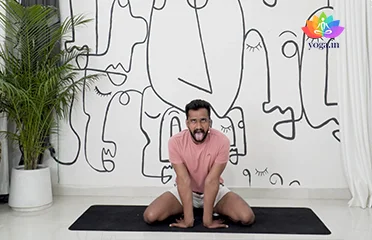
Simhasana (Lion Pose)
सिंहासना / Lion Pose
The Sanskrit name is derived from Simha (सिंहा) which means lion and [¡K]


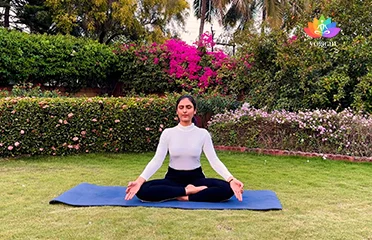
Svastikasana (Auspicious Pose)
स्वस्तिकासन / Auspicious Pose
The Sanskrit name is derived from Swastika (स्वस्तिका) meaning [¡K]
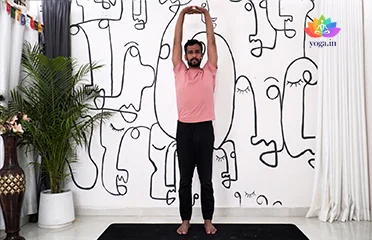
Tadasana (Mountain Pose)
ताड़ासन / Mountain Pose
The sanskrit name is derived from tada (ताड़ा) meaning mountain and [¡K]
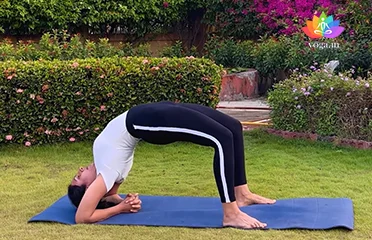
Viparita Dandasana (Inverted Staff Pose)
विपरिता दण्डासन / Inverted Staff Pose
The Sanskrit name is derived from Viparita (विपरिता) meaning inverted, [¡K]
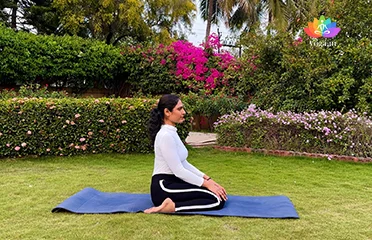
Virasana (Hero Pose)
वीरासन / Hero Pose
The Sanskrit name is derived from Vira (वीरा) meaning hero or a warrior [¡K]
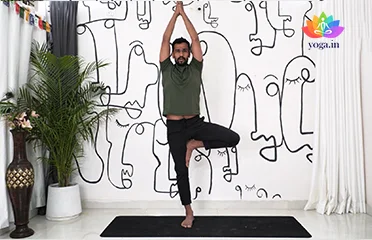
Vrikshasana (Tree Pose)
वृक्षासन / Tree Pose
The Sanskrit name is derived from Vriksha (वृक्षा) meaning tree [¡K]
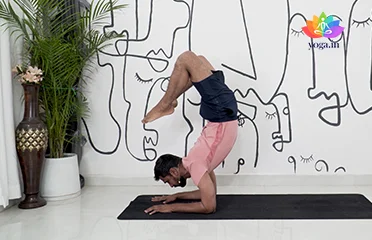
Vrischikasana (Scorpion Pose)
वृश्चिकासन / Scorpion Pose
The Sanskrit name is derived from Vrischik (वृश्चिक) meaning scorpion [¡K]
- 1
- 2
Nurturing Balance – Yoga for Low Blood Pressure
Feeling lightheaded when you stand up? Experiencing fatigue despite getting enough sleep? These could be signs of low blood pressure, a condition where the force of blood pushing against your artery walls is weaker than usual. While medication is a primary approach, yoga and pranayama can be valuable natural allies in managing low blood pressure and promoting overall well-being.
Understanding Low Blood Pressure:
Low blood pressure, medically known as hypotension, can cause various symptoms, including:
- Dizziness and Lightheadedness: Feeling faint, especially upon standing abruptly.
- Blurry Vision: Occasional episodes of blurred or hazy vision.
- Fatigue: Persistent tiredness that doesn’t improve with rest.
- Nausea: Periodic feelings of queasiness or stomach upset.
- Difficulty Concentrating: Struggling to focus and stay mentally sharp.
Identifying the Causes:
Several factors can contribute to low blood pressure:
- Dehydration: Not drinking enough fluids reduces blood volume.
- Heart Issues: Weak or slow heartbeats can lead to lower blood pressure.
- Endocrine Problems: Conditions like an underactive thyroid or adrenal gland issues can play a role.
- Severe Infections: Significant drops in blood pressure can occur during infections.
- Nutritional Deficiencies: Lack of essential vitamins and minerals can affect blood pressure regulation.
Yoga and Pranayama – A Gentle Approach
Yoga and pranayama (breathing exercises) offer natural ways to support low blood pressure by:
- Enhancing Circulation: Specific yoga poses can promote blood flow throughout the body, helping to regulate blood pressure.
- Promoting Relaxation: Yoga’s focus on mindful movement and breathwork can help manage stress, a factor that can contribute to low blood pressure fluctuations.
Dietary Support for Balance:
Complement your yoga practice with a balanced diet that includes:
- Moderate Salt Intake: A slight increase in salt can help retain fluids and stabilize blood pressure (consult your doctor for personalized recommendations).
- Small, Frequent Meals: Eating smaller portions more frequently prevents blood pressure dips that can occur after large meals.
- Hydration is Key: Drink plenty of water and electrolyte-rich beverages to maintain proper hydration levels.
- Embrace Vitamin B12: Include foods like fish and dairy products, which are good sources of vitamin B12, important for blood pressure regulation.
- Limit Alcohol: Excessive alcohol consumption can further lower blood pressure, so moderation is key.
Simple Daily Practices for Stability:
- Rise Slowly: Avoid sudden changes in position, stand up gradually to prevent dizziness.
- Mind the Heat: Be cautious in hot environments, as heat can worsen low blood pressure symptoms.
- Compression Stockings: Consider using compression stockings to improve blood circulation in the legs.
- Regular Exercise: Engage in moderate, regular exercise to strengthen your cardiovascular system.
- Monitor and Seek Guidance: Regularly monitor your blood pressure and consult a healthcare professional if symptoms persist.
Knowing Your Limits – When to Seek Professional Help
While yoga and lifestyle modifications can be beneficial, there are situations where seeking medical advice is crucial:
- Severe Low Blood Pressure: If you have very low blood pressure readings, consult a doctor.
- Pregnancy: Certain yoga poses may need modification during pregnancy.
- History of Fainting or Dizziness: If you have a history of fainting or severe dizziness, consult a doctor before starting yoga.
- Heart Conditions: If you have a heart condition, practice yoga under the supervision of a qualified instructor.
A Holistic Approach to Well-being
By incorporating yoga, pranayama, dietary adjustments, and healthy habits, you can take charge of managing low blood pressure naturally. Remember, a mindful approach is essential. Always consult a healthcare professional for personalized guidance. With this holistic approach, you can nurture balance in your blood pressure, reduce symptoms, and experience a renewed sense of well-being.