

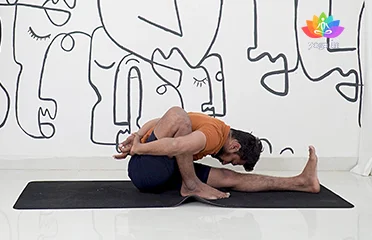
Marichyasana (Sage Twist Pose)
मरीच्यासन / Sage Twist Pose
The Sanskrit name is derived from Marichya (मरीच्) meaning ray of [¡K]


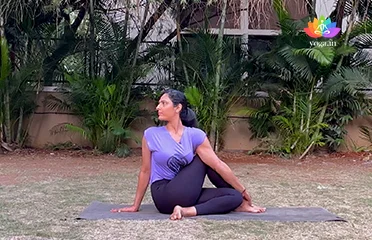
Matsyendrasana (Lord of the Fishes Pose)
मत्स्येन्द्रासन / Lord of the Fishes Pose
The name Matsyendrasana is derived from the Sanskrit words Matsya (मत्स्य) [¡K]
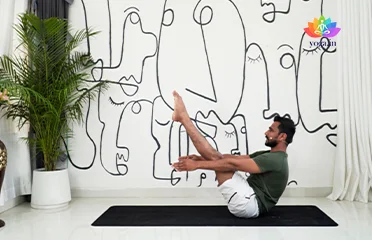
Naukasana (Boat Pose)
नौकासन / Boat Pose
The Sanskrit name is derived from Nava ( नाव) meaning boat and asana (आसन) [¡K]
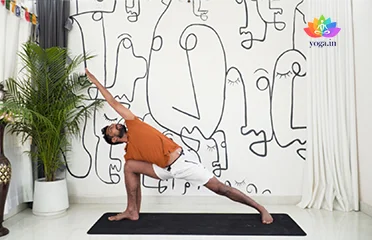
Parsvakonasana (Extended Lateral Angle P
पार्श्वकोनासन / Extended Lateral Angle Pose
The Sanskrit name is derived from Parsva (पार्श्व) meaning side, [¡K]
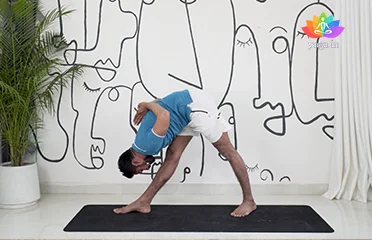
Parsvottanasana (Intense Side Stretch Po
पार्श्वोत्तनासनम् / Intense Side Stretch Pose
The Sanskrit name is derived from parsva (पार्श्वो) meaning [¡K]
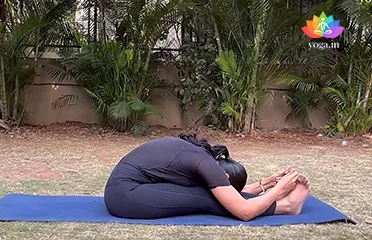
Paschimottanasana (Seated Forward Bend)
पश्चिमोत्तानासन / Seated Forward Bend
The Sanskrit name is derived from three sanskrit words: Paschima (पश्चिमा) [¡K]
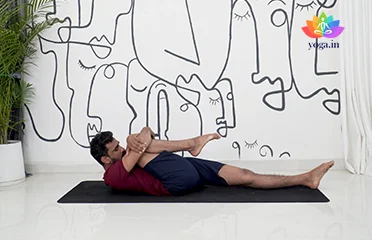
Pawanmuktasana (Wind Release Pose)
पवनमुक्तासन / Wind Release Pose
The Sanskrit name is derived from Pawan (पवन) meaning wind or gas, Mukta [¡K]
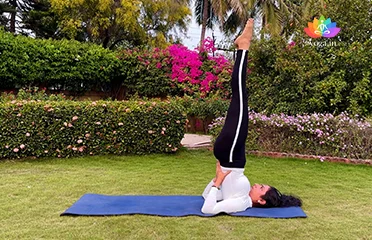
Sarvangasana (Shoulderstand)
सर्वाङ्गासनI / Shoulderstand
The Sanskrit name is derived from Sarva (सर्वाङ्ग) meaning all, [¡K]
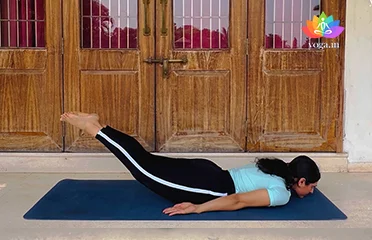
Shalabhasana (Locust Pose)
सलभासन / Locust Pose
The Sanskrit name is derived from Shalabha (शलभा) meaning locust and [¡K]
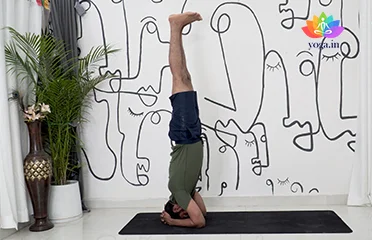
Sirsasana (Headstand)
शीर्षासन / Headstand
The Sanskrit name is derived from Sirsa (शीर्ष) meaning head and asana [¡K]
- 1
- 2
- 3
Yoga for Gallbladder and Liver Health
The gallbladder and liver are vital organs responsible for digestion and detoxification. When these organs malfunction, it can lead to various health issues, including gallstones, liver inflammation, and digestive problems. Yoga offers a holistic approach to supporting gallbladder and liver health by improving digestion, reducing stress, and promoting overall well-being.
Benefits of Yoga for Gallbladder and Liver
Regular yoga practice can offer numerous benefits for gallbladder and liver health:
- Improved digestion: Gentle yoga poses stimulate the digestive system, aiding in bile production and release.
- Reduced inflammation: Yoga’s stress-reducing effects can help lower inflammation in the body, beneficial for liver and gallbladder health.
- Enhanced detoxification: Certain yoga poses support the body’s natural detoxification processes.
- Stress management: Chronic stress can negatively impact liver function. Yoga’s stress-reducing qualities can help protect liver health.
List of Yoga Poses for Gallbladder and Liver Health
- Balasana (Child’s Pose): This gentle pose stretches the back, hips, and thighs, while also relaxing the mind. It can help relieve digestive discomfort.
- Supta Baddha Konasana (Reclining Bound Angle Pose): This pose gently stretches the inner thighs, groin, and lower back. It can help improve blood flow to the pelvic region and stimulate the digestive organs.
- Viparita Karani (Legs-Up-the-Wall Pose): This restorative pose helps improve circulation, reduce swelling, and calm the nervous system.
- Marjaryasana-Bitilasana (Cat-Cow Pose): This gentle spinal movement massages the abdominal organs and improves digestion.
- Paschimottanasana (Seated Forward Fold): This pose stretches the hamstrings, lower back, and abdomen, promoting relaxation and digestion.
- Twisting Poses: Twists like Bharadvajasana (Bharadvaja’s Twist) or Ardha Matsyendrasana (Half Spinal Twist) can help stimulate the digestive organs and improve liver function.
Tips for Practicing Yoga Poses for Gallbladder and Liver Health
- Start gently: Begin with basic poses and gradually increase the intensity as your body adapts.
- Listen to your body: Pay attention to your body’s signals and avoid any pose that causes discomfort.
- Practice regularly: Consistent practice yields better results. Aim for at least 20-30 minutes of yoga daily.
- Focus on breath: Deep and steady breathing enhances the benefits of yoga for digestion.
- Combine with a healthy diet: A balanced diet rich in fruits, vegetables, and whole grains supports liver and gallbladder health.
Common Challenges and How to Overcome Them
- Lack of flexibility: Begin with gentle poses and gradually increase your flexibility. Use props like blankets or blocks for support.
- Time constraints: Even short yoga sessions can be beneficial. Find time for a quick practice throughout the day.
- Finding the right class: Look for yoga classes specifically designed for beginners or those with digestive issues.