

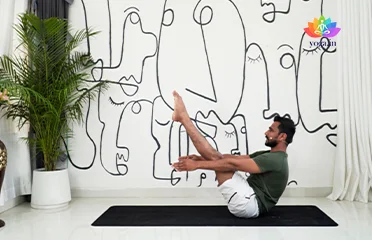
Naukasana (Boat Pose)
नौकासन / Boat Pose
The Sanskrit name is derived from Nava ( नाव) meaning boat and asana (आसन) [¡K]


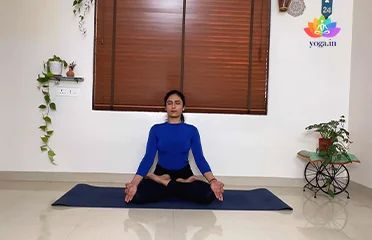
Padmasana (Lotus Pose)
पद्मासन / Lotus Pose
The Sanskrit name is derived from Padma (पद्मा) meaning lotus and [¡K]
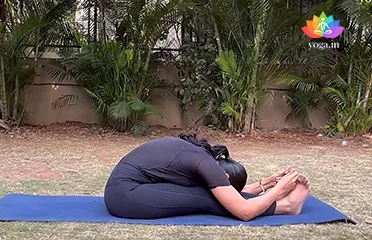
Paschimottanasana (Seated Forward Bend)
पश्चिमोत्तानासन / Seated Forward Bend
The Sanskrit name is derived from three sanskrit words: Paschima (पश्चिमा) [¡K]
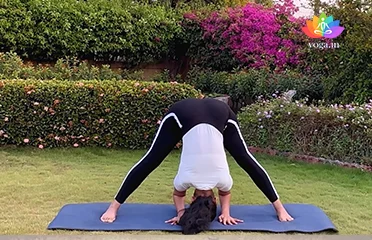
Prasaritta Padottanasana (Wide-Legged Fo
प्रसारिता पदोत्तनासन / Wide-Legged Forward Bend
The Sanskrit name is derived from Prasārita (प्रसारित) meaning [¡K]

Sarvangasana (Shoulderstand)
सर्वाङ्गासनI / Shoulderstand
The Sanskrit name is derived from Sarva (सर्वाङ्ग) meaning all, [¡K]

Savasana (Corpse Pose)
शवासना / Corpse Pose
The Sanskrit name is derived from Śhava (शव) meaning "corpse" and āsana [¡K]

Setubandhasana (Bridge Pose)
सेतु बन्धासन / Bridge Pose
The Sanskrit name is derived from Setu (सेतु) meaning bridge, Bandha [¡K]
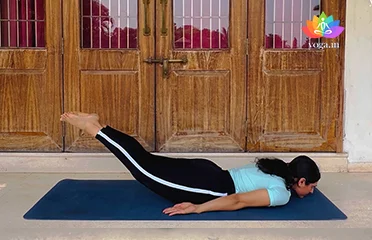
Shalabhasana (Locust Pose)
सलभासन / Locust Pose
The Sanskrit name is derived from Shalabha (शलभा) meaning locust and [¡K]
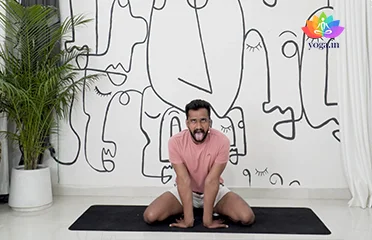
Simhasana (Lion Pose)
सिंहासना / Lion Pose
The Sanskrit name is derived from Simha (सिंहा) which means lion and [¡K]
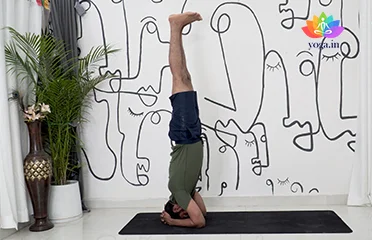
Sirsasana (Headstand)
शीर्षासन / Headstand
The Sanskrit name is derived from Sirsa (शीर्ष) meaning head and asana [¡K]
- 1
- 2
- 3
- 4
How Yoga Can Help Cure Dyspepsia:
Dyspepsia, commonly known as indigestion, refers to discomfort or pain in the upper abdomen often accompanied by bloating, nausea, or a feeling of fullness. Yoga offers holistic approaches to alleviate dyspepsia symptoms by promoting digestion, reducing stress, and enhancing overall well-being.
Understanding Dyspepsia:
Dyspepsia encompasses a range of digestive symptoms, including bloating, discomfort, and nausea. It can arise from various factors such as overeating, eating too quickly, or consuming spicy or fatty foods. Dyspepsia can hinder daily activities and significantly impact quality of life.
Yoga’s Role in Relief Dyspepsia:
Yoga offers gentle movements, breathing exercises, and relaxation techniques that can aid in digestion and alleviate dyspepsia symptoms. Specific yoga postures, such as twists and forward bends, help stimulate digestion and relieve abdominal discomfort. Additionally, practices like deep breathing and meditation promote relaxation, reducing stress that can exacerbate dyspepsia.
Key Factors Contributing to Dyspepsia:
Factors contributing to dyspepsia include:
- Dietary Habits: Consuming spicy, fatty, or large meals can trigger dyspepsia.
- Stress: Emotional stress and anxiety can disrupt digestion and worsen dyspepsia symptoms.
- Lifestyle Choices: Smoking, excessive alcohol consumption, and lack of physical activity can contribute to dyspepsia.
- Medical Conditions: Conditions such as gastroesophageal reflux disease (GERD) or peptic ulcers can cause dyspepsia.
- Medications: Certain medications may irritate the stomach lining, leading to dyspepsia symptoms.
Symptoms of Dyspepsia:
Common symptoms of dyspepsia include:
- Abdominal Pain: Discomfort or pain in the upper abdomen.
- Bloating: Feeling full or bloated after eating.
- Nausea: Sensation of queasiness or an urge to vomit.
- Early Satiety: Feeling full quickly while eating.
- Heartburn: Burning sensation in the chest or throat after eating.
- Belching: Excessive burping or gas.
- Acidic Taste: Sour taste in the mouth, especially after meals.
Treatment of Dyspepsia through Yoga and Pranayama:
Yoga and pranayama offer effective strategies for managing dyspepsia. Recommended practices include:
Specific Yoga Poses:
- Ardha Matsyendrasana (Half Lord of the Fishes Pose): Stimulates digestion and relieves abdominal discomfort.
- Pavanamuktasana (Wind-Relieving Pose): Alleviates bloating and aids digestion.
- Vajrasana (Thunderbolt Pose): Improves digestion and reduces acidity.
Pranayama Exercises:
- Kapalabhati (Skull Shining Breath): Cleanses the digestive system and increases energy levels.
- Agnisar Kriya (Fire Cleansing): Stimulates digestive fire and improves metabolism.
Diet for Dyspepsia:
A balanced diet plays a crucial role in managing dyspepsia. Dietary recommendations include:
- Fiber-rich Foods: Incorporate fruits, vegetables, and whole grains to promote regular bowel movements.
- Hydration: Drink plenty of water throughout the day to aid digestion and prevent constipation.
- Probiotics: Consume yogurt or fermented foods to support gut health and digestion.
- Avoid Trigger Foods: Limit intake of spicy, fatty, or processed foods that may exacerbate dyspepsia symptoms.
Caution for Dyspepsia:
When practicing yoga for dyspepsia relief, it’s important to:
- Listen to Your Body: Avoid poses or practices that exacerbate discomfort or pain.
- Stay Hydrated: Drink water before and after yoga sessions to stay hydrated and support digestion.
Contraindications for Dyspepsia:
Individuals with severe dyspepsia or underlying medical conditions should:
- Avoid Intense Twists: Vigorous twisting poses may worsen abdominal discomfort.
- Avoid Inversions: Upside-down poses may aggravate acid reflux or gastric issues.
- Consult a Healthcare Professional: Seek guidance from a healthcare provider before starting any new yoga practice, especially if you have severe dyspepsia or digestive issues.