

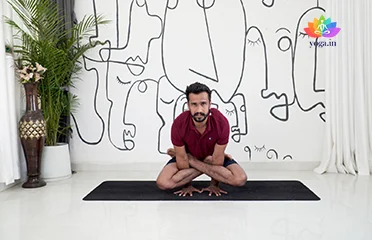
Kukkutasana (Cockerel Pose)
कुक्कुटासन / Cockerel Pose
The Sanskrit name is derived from Kukkut (कुक्कुट) meaning rooster [¡K]


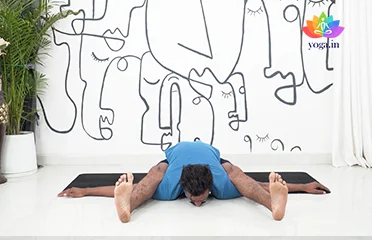
Kurmasana (Tortoise Pose)
कूर्मासन / Tortoise Pose
The Sanskrit name is derived from Kurma (कूर्मा) meaning tortoise [¡K]
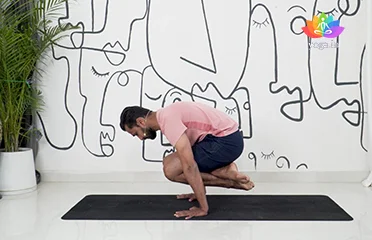
Lolasana (Pendant Pose)
लोलासन / Pendant Pose
The Sanskrit name is derived from Lolā (लोला) meaning dangling posture [¡K]
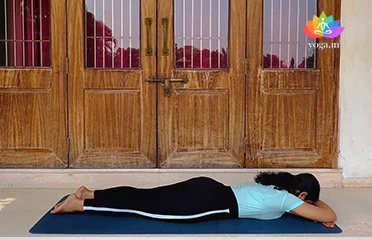
Makarasana (Crocodile Pose)
मकरासन / Crocodile Pose
The Sanskrit name is derived from Makara (मकरा) meaning crocodile and [¡K]
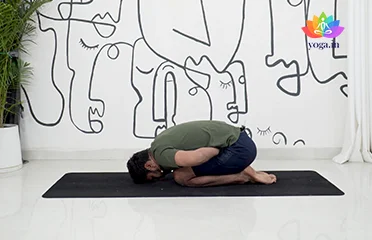
Mandukasana (Frog Pose)
मण्डुकासन / Frog Pose
The Sanskrit name is derived from Manduka (मण्डुका) meaning frog [¡K]
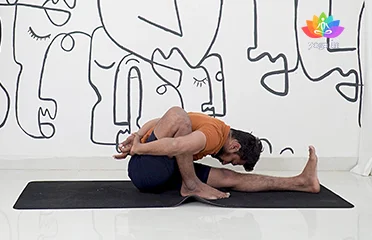
Marichyasana (Sage Twist Pose)
मरीच्यासन / Sage Twist Pose
The Sanskrit name is derived from Marichya (मरीच्) meaning ray of [¡K]
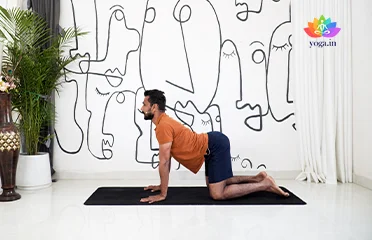
Marjariasana (Cat Pose)
मार्जरियासन / Cat Pose
The Sanskrit name is derived from Marjari (मार्जरि) meaning cat [¡K]
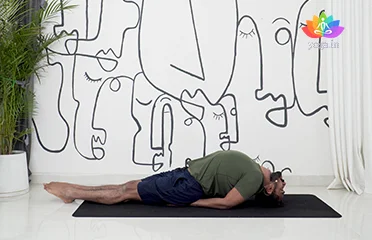
Matsyasana (Fish Pose)
मत्स्यासनI / Fish Pose
The Sanskrit name is derived from Matsya (मत्स्या) meaning fish [¡K]
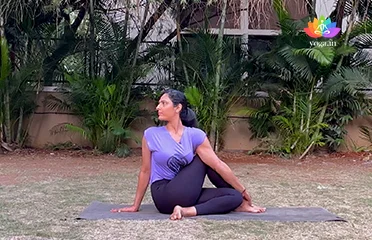
Matsyendrasana (Lord of the Fishes Pose)
मत्स्येन्द्रासन / Lord of the Fishes Pose
The name Matsyendrasana is derived from the Sanskrit words Matsya (मत्स्य) [¡K]
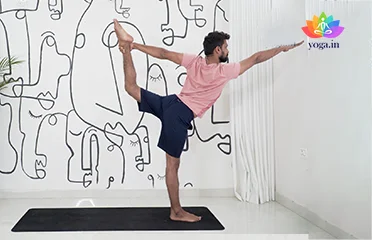
Natarajasana (Lord of the Dance Pose)
नटराजासन / Lord of the Dance Pose
The Sanskrit name is derived from Nata (नट) meaning dance, Raja (राजा)) [¡K]
- 1
- 2
- 3
- 4
- 5
- ...
- 6
- 7
Yoga Poses for Shoulder Relief: Find Strength and Ease
Stiff, sore shoulders? Yoga can be your knight in shining armor! Discomfort in the shoulders is a common complaint, often caused by tight muscles, poor posture, or overuse. Yoga offers a gentle yet effective approach to improve shoulder mobility, reduce pain, and restore a sense of ease in your upper body.
Understanding Shoulder Pain:
The shoulder joint is a complex ball-and-socket structure, allowing for a wide range of motion. However, this mobility also makes it susceptible to injury and tightness. Daily activities, repetitive motions, and even stress can contribute to shoulder discomfort.
Yoga’s Role in Relieving Shoulder Pain:
Yoga incorporates postures, breathing exercises, and mindfulness practices to address shoulder pain in a holistic way. Here’s how yoga can help:
- Improved Flexibility: Gentle stretching poses can increase your range of motion in the shoulders, reducing stiffness and tension.
- Strengthening Muscles: Specific yoga postures can target and strengthen the muscles that support the shoulder joint, improving stability.
- Stress Reduction: Stress can manifest as tension in the shoulders. Yoga’s relaxation techniques help to calm the mind and release physical tension.
- Improved Body Awareness: Yoga practices enhance your awareness of your body and posture, allowing you to identify and correct imbalances that contribute to pain.
Key Factors Contributing to Shoulder Pain:
Several factors can lead to shoulder pain, including:
- Muscle Tension: Repetitive motions or poor posture can cause muscles to tighten and compress the shoulder joint.
- Injuries: Accidents, falls, or overuse injuries can damage the shoulder joint or surrounding tissues.
- Arthritis: Degenerative changes in the joint can lead to pain and stiffness.
- Bursitis: Inflammation of the fluid-filled sacs cushioning the shoulder joint can cause pain.
Symptoms of Shoulder Pain:
Common symptoms of shoulder pain can include:
- Aching or stiffness in the shoulder joint
- Difficulty reaching overhead or behind the back
- Pain with certain movements, like throwing or lifting
- Weakness in the arm or shoulder
Treatment of Shoulder Pain through Yoga and Pranayama:
Here are some specific yoga poses and breathing exercises beneficial for shoulder pain:
- Cat-Cow Pose (Marjaryasana-Bitilasana): This flowing movement warms up the spine and shoulders.
- Child’s Pose (Balasana): This gentle pose promotes relaxation and stretches the shoulders.
- Eagle Arms (Garudasana): This variation opens up the shoulders and chest.
- Upward-Facing Salute (Urdhva Hastasana): This posture gently stretches the shoulders and chest.
- Deep Breathing (Pranayama): Techniques like diaphragmatic breathing can ease tension and promote relaxation.
Diet for Shoulder Pain:
While diet alone won’t cure shoulder pain, staying hydrated and incorporating anti-inflammatory foods can support healing. Consider including:
- Fruits and Vegetables: Rich in antioxidants that fight inflammation. Aim for a variety of colors like tomatoes, bell peppers, oranges, and leafy greens.
- Omega-3 Fatty Acids: Found in flaxseeds, walnuts, and chia seeds. These can help reduce inflammation.
- Whole Grains: A good source of fiber and complex carbohydrates, which provide sustained energy. Brown rice, quinoa, and oats are all excellent choices.
- Legumes: Beans, lentils, and chickpeas are a great source of plant-based protein, crucial for building and repairing tissues.
- Spices: Turmeric, ginger, and garlic possess anti-inflammatory properties. Experiment with adding them to your curries, stir-fries, and dals.
Caution for Shoulder Pain:
Listen to your body! If you experience any sharp pain during yoga practice, stop the pose and consult a healthcare professional before continuing.
Contraindications for Shoulder Pain:
If you have a recent shoulder injury or severe pain, avoid poses that aggravate the condition. It’s important to discuss your specific needs with a doctor or yoga therapist before starting any yoga practice for shoulder pain.
By incorporating yoga into your routine, you can find natural relief for shoulder pain, improve mobility, and restore a sense of ease and strength in your upper body. Remember, yoga is a journey of self-discovery. Be patient, listen to your body, and enjoy the process of finding lasting relief for your shoulders.