Slipped Disc

Safely Relieve Pain and Support Recovery with Gentle Yoga for Slipped Disc

Home > Therapy Yoga > Slipped Disc
What is Slipped Disc?

A slipped disc, also known as a herniated disc, occurs when the soft inner material (nucleus) of a spinal disc push through a tear in the tough outer layer (annulus). This can irritate or compress nearby nerves, leading to pain, numbness, and weakness. Slipped discs are most common in the lower back (lumbar spine), but they can also occur in the neck (cervical spine).

Causes of a Slipped Disc
  • Sudden injury: Lifting a heavy object, falling, or being in a car accident can cause a disc to herniate.
  • Gradual wear and tear: Over time, repetitive strain or poor posture can weaken the discs, making them more likely to herniate.
Symptoms of a Slipped Disc
  • Pain and sciatica: Pain in the back radiating down one leg (sciatica) – Sharp pain often traveling down the buttocks and leg due to nerve pressure.
  • Numbness/tingling: Numbness or tingling in the back or leg – Loss of sensation or a tingling feeling in the affected area.
  • Weakness: Weakness in the leg – Difficulty lifting, moving, or controlling the leg.
  • Posture problems: Difficulty standing or sitting straight – Trouble maintaining proper alignment due to pain or weakness.
  • Loss of control (severe): Loss of bladder or bowel control (in severe cases) – Inability to control urination or bowel movements (rare symptom).
Yoga Asanas for Slipped Disc
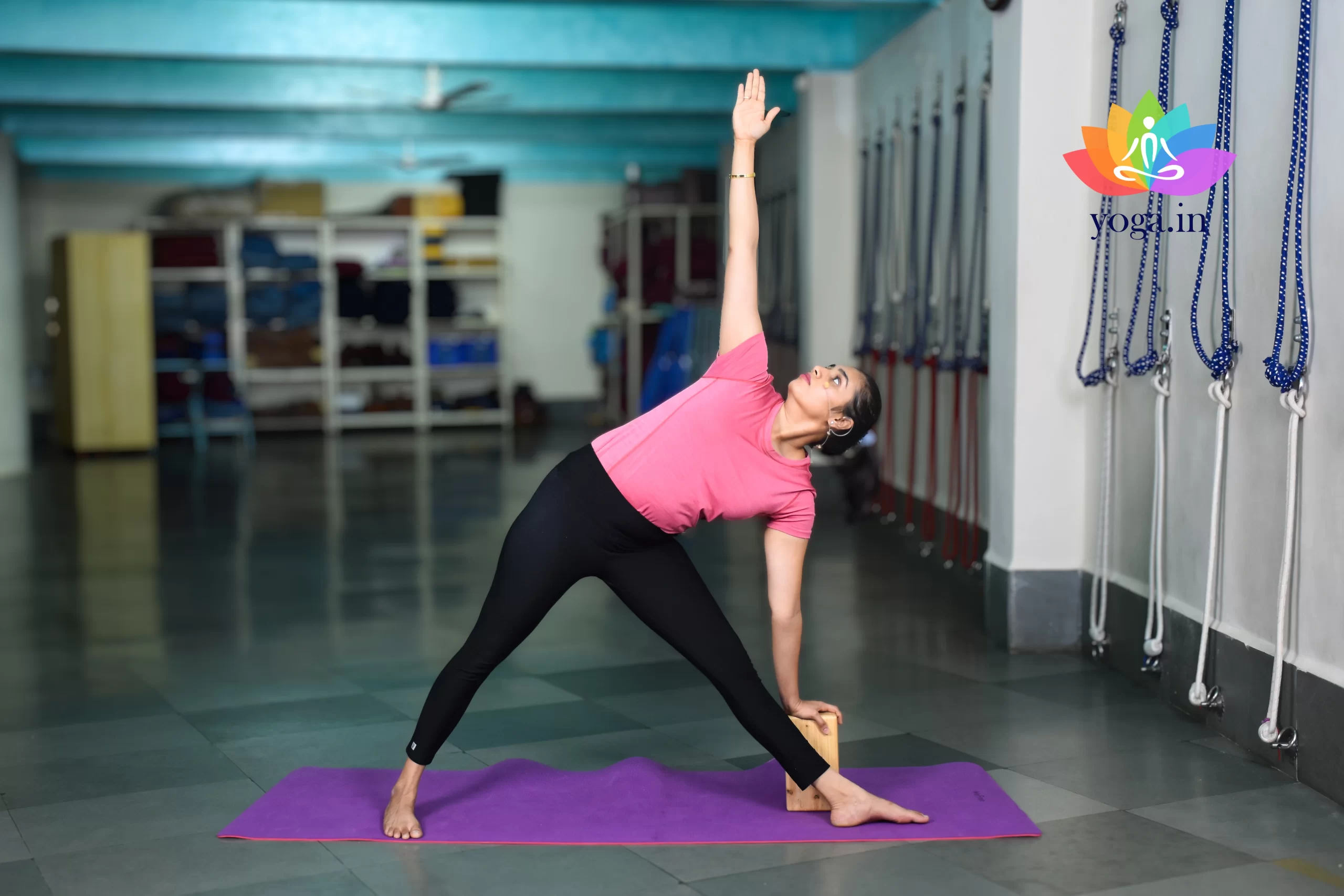
  • Utthita Trikonasana for slipped disc: Helps improve posture, reduce stress, and stretch the spine, which can aid in relieving insomnia. However, for those with a slipped disc, it should be practiced gently, avoiding excessive twisting or strain on the lower back.
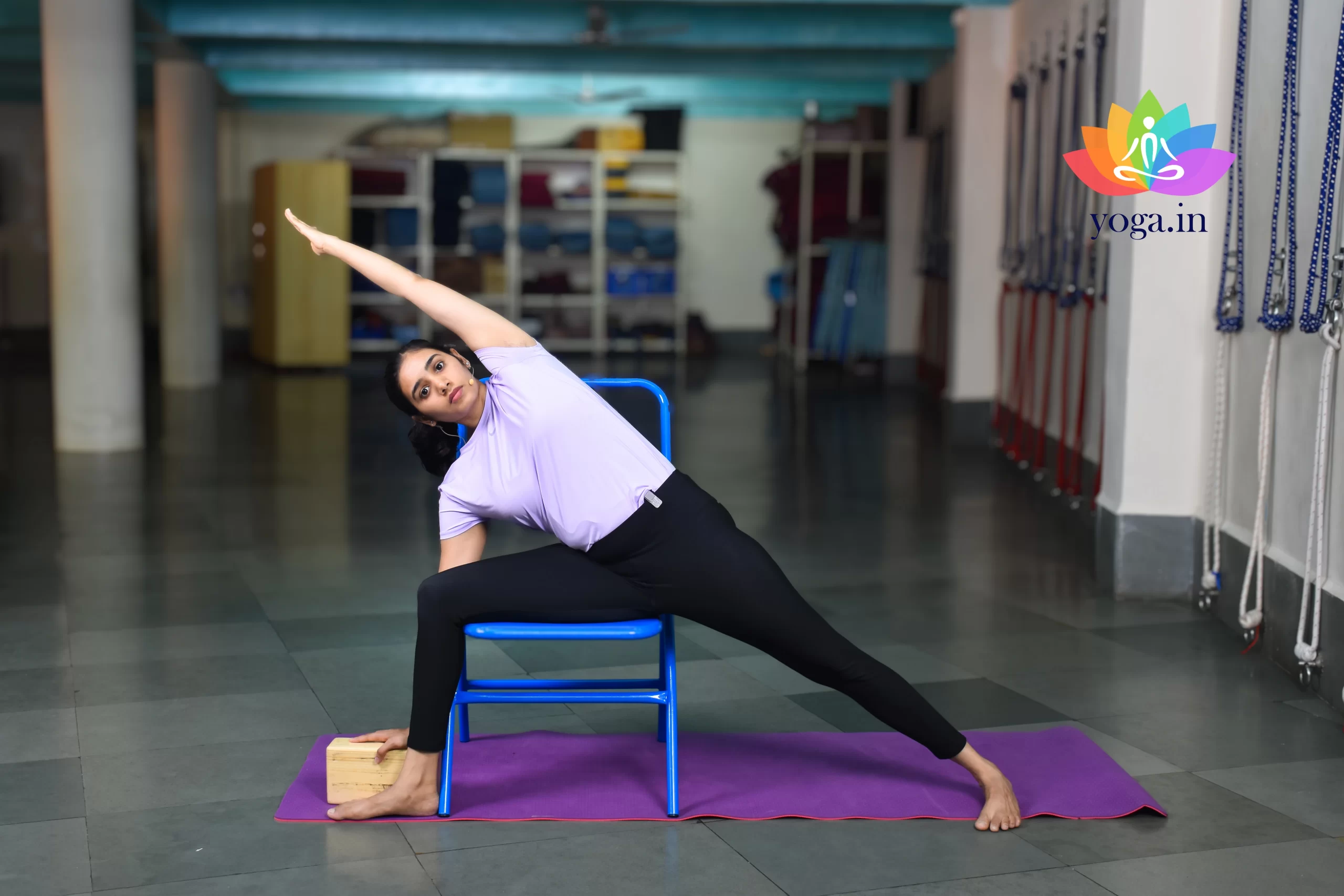
  • Utthita Parsvakonasana for slipped disc: Helps improve posture, reduce stress, and stretch the spine, which can aid in relieving insomnia. However, for those with a slipped disc, it should be practiced gently, avoiding excessive twisting or strain on the lower back.
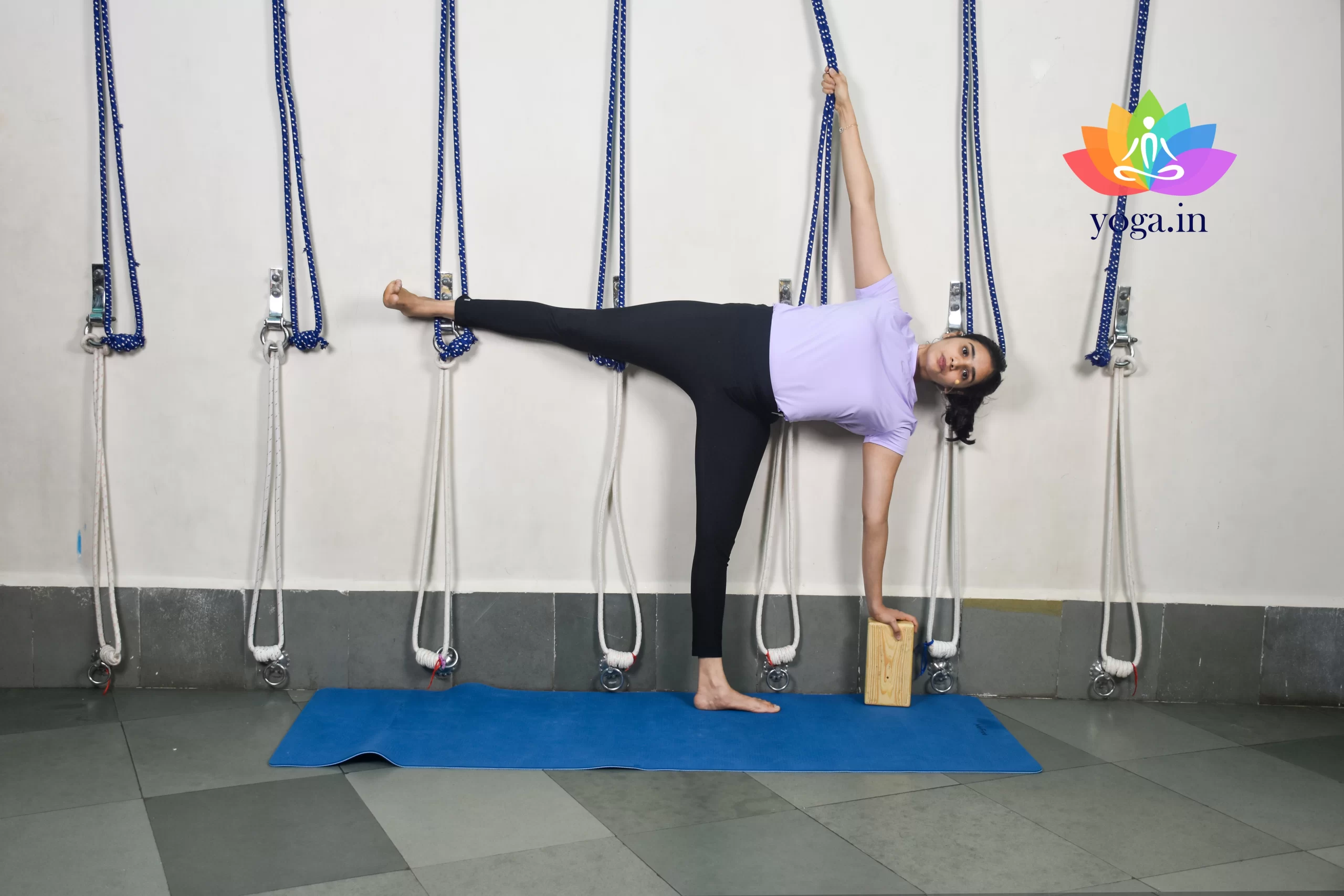
  • Ardha Chandrasana for slipped disc: Improves balance, reduces stress, and stretches the spine, which can help with insomnia. For individuals with a slipped disc, it should be practiced gently, focusing on core stability and avoiding excessive strain on the lower back.
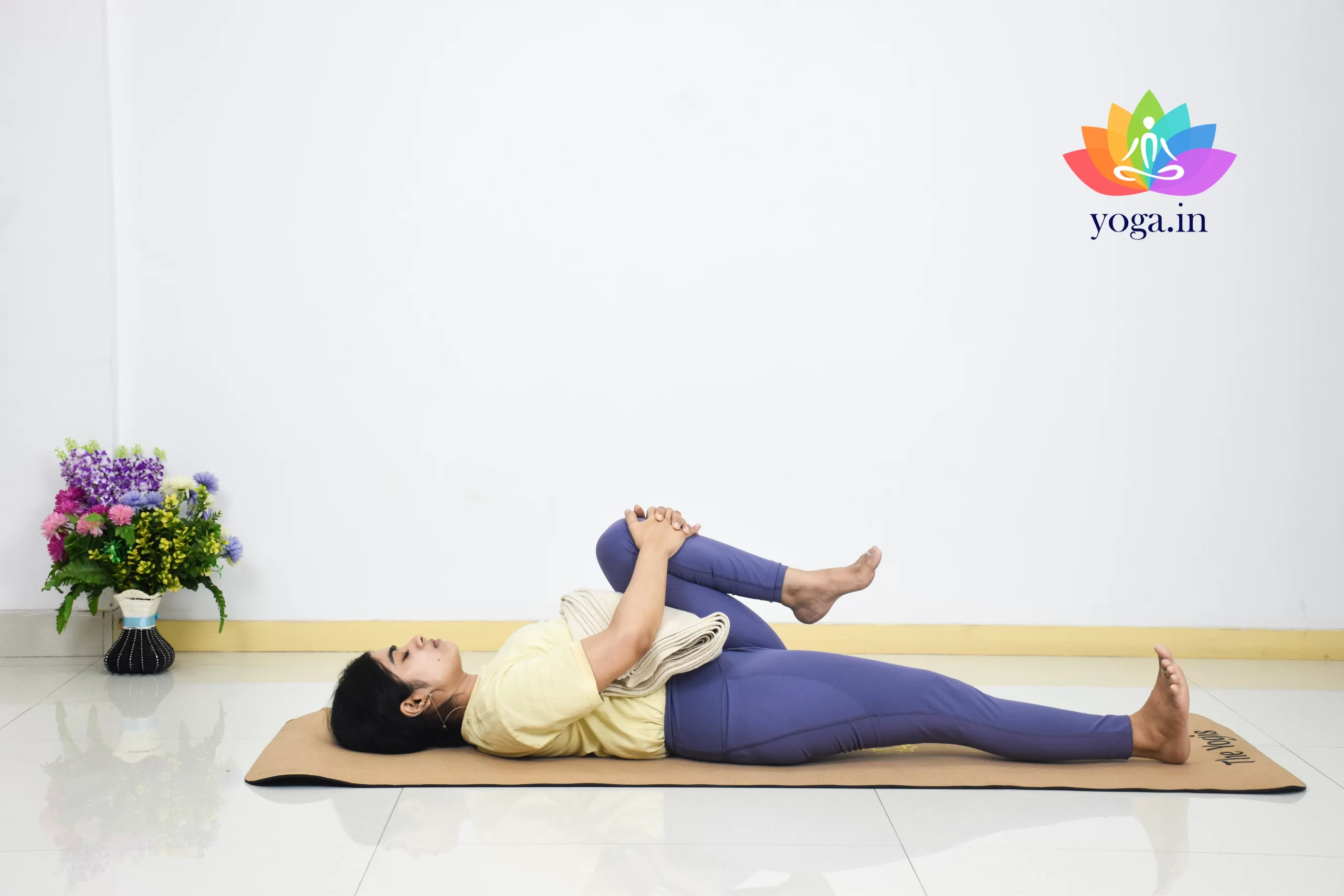
  • Supta Akunchanasana for slipped disc: Calms the mind, relieves stress, and gently stretches the lower back, making it beneficial for insomnia. It is also helpful for those with a slipped disc, as it decompresses the spine and alleviates tension without causing strain.
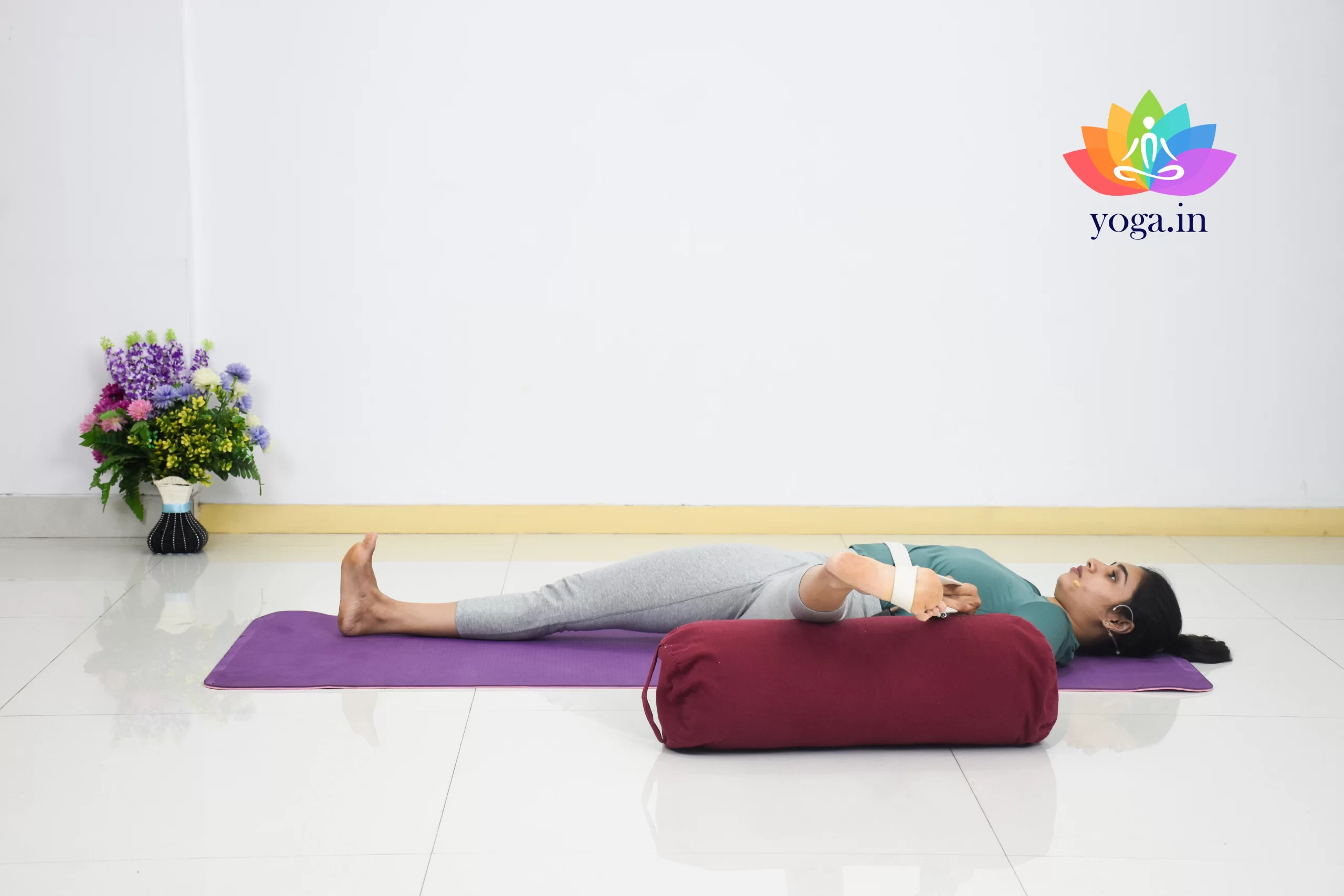
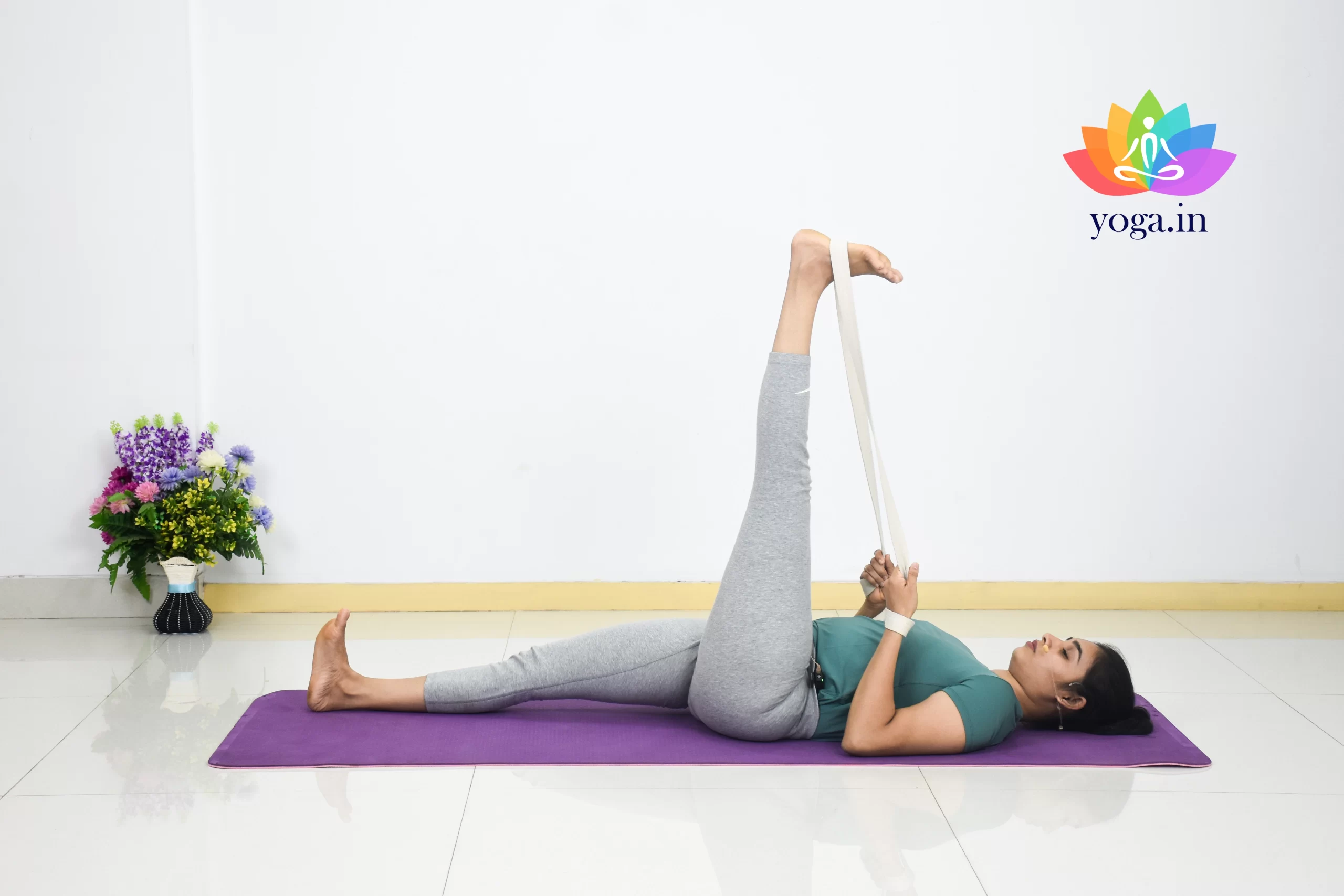
  • Supta Padangushthasana for slipped disc: Romotes relaxation, reduces stress, and gently stretches the hamstrings and lower back, aiding in relief from insomnia. For those with a slipped disc, it provides a safe stretch while supporting spinal alignment and avoiding strain.
  • Supta Padangushthasana – 2 for slipped disc: Romotes relaxation, reduces stress, and gently stretches the hamstrings and lower back, aiding in relief from insomnia. For those with a slipped disc, it provides a safe stretch while supporting spinal alignment and avoiding strain.
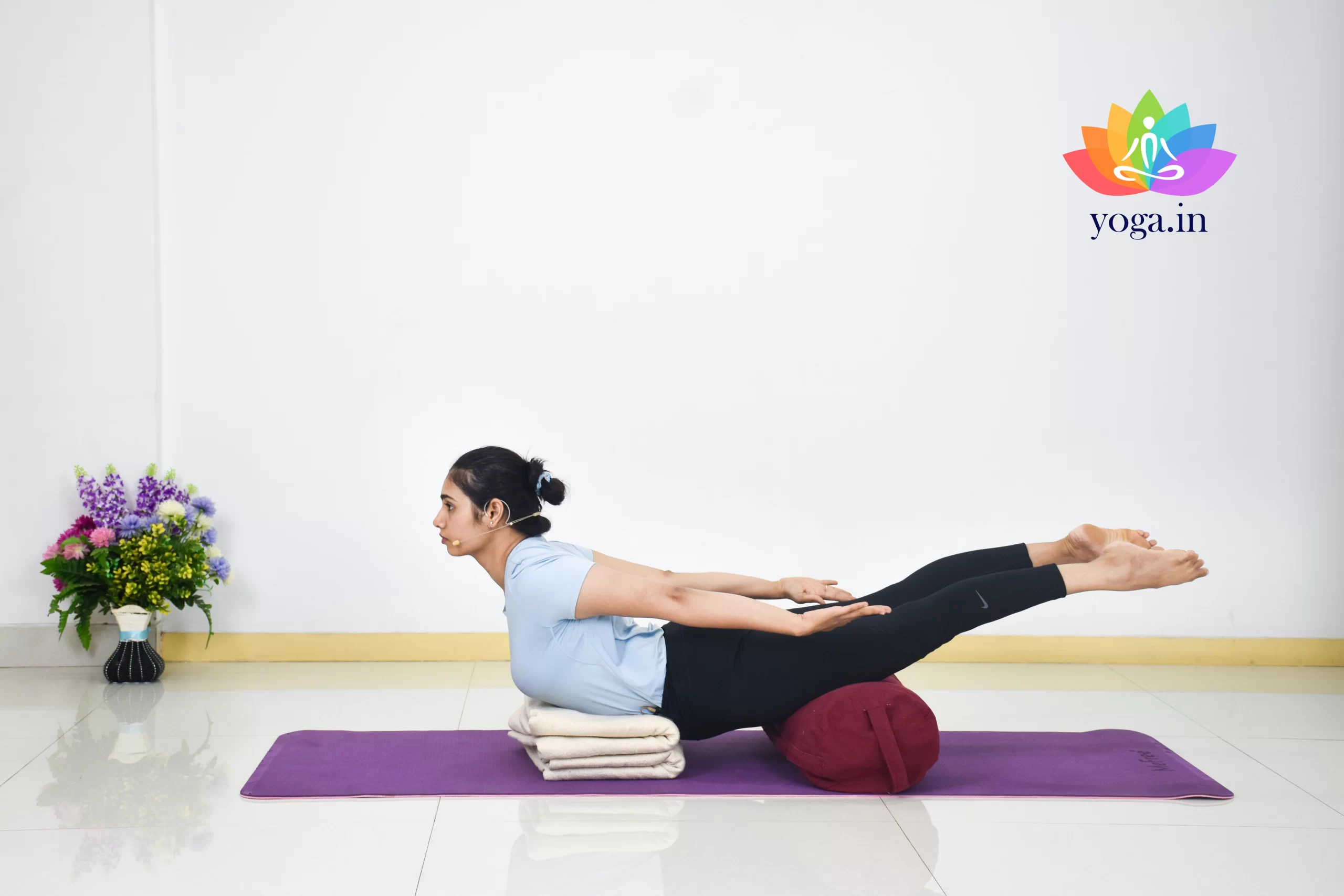
  • Shalabhasana for slipped disc: Strengthens the lower back muscles and improves flexibility.
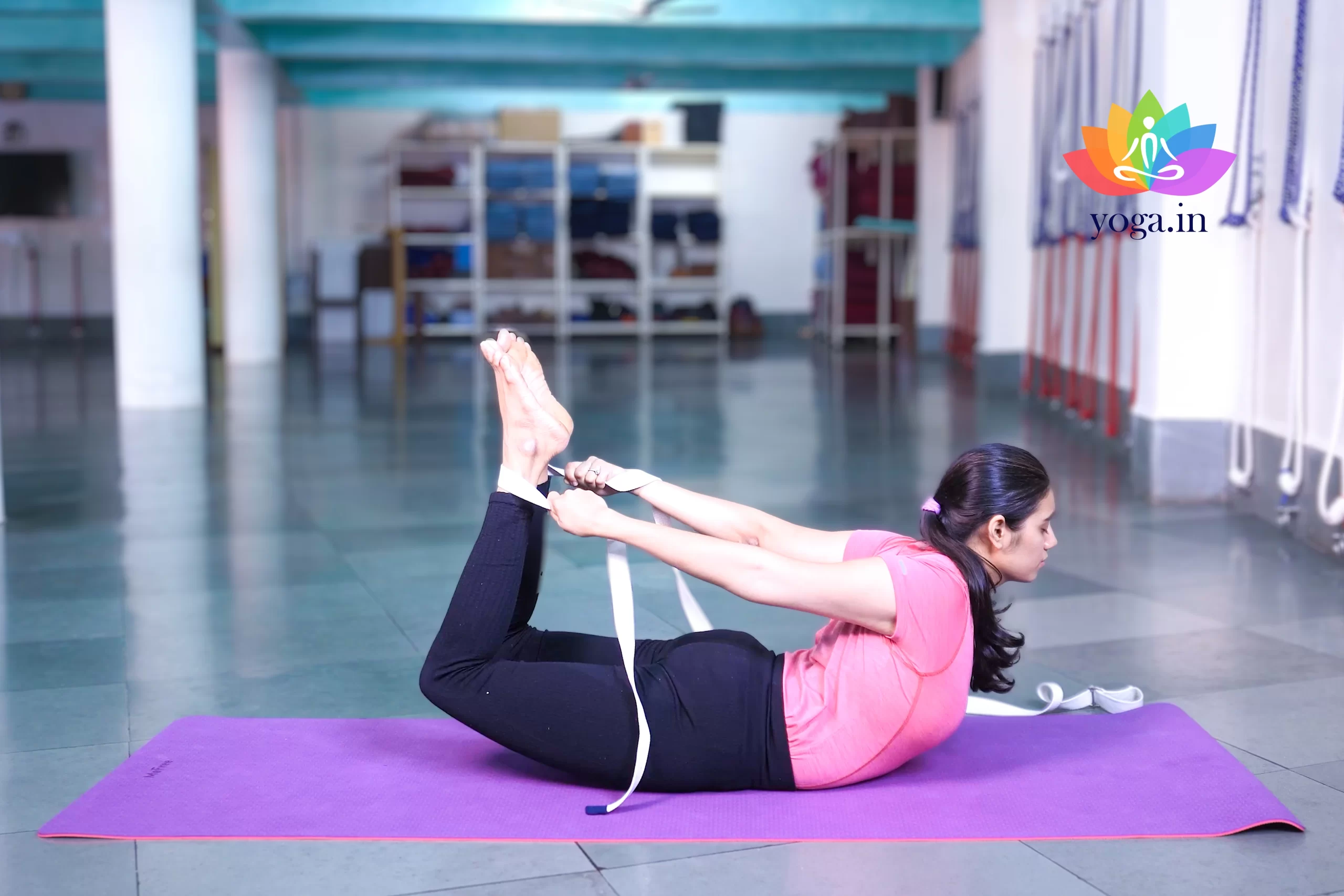
  • Dhanurasan for slipped disc: Stimulates the nervous system, relieves fatigue, and helps reduce stress, which can benefit insomnia. For those with a slipped disc, it should be practiced cautiously or avoided if it exacerbates back discomfort, as it involves significant spinal extension.
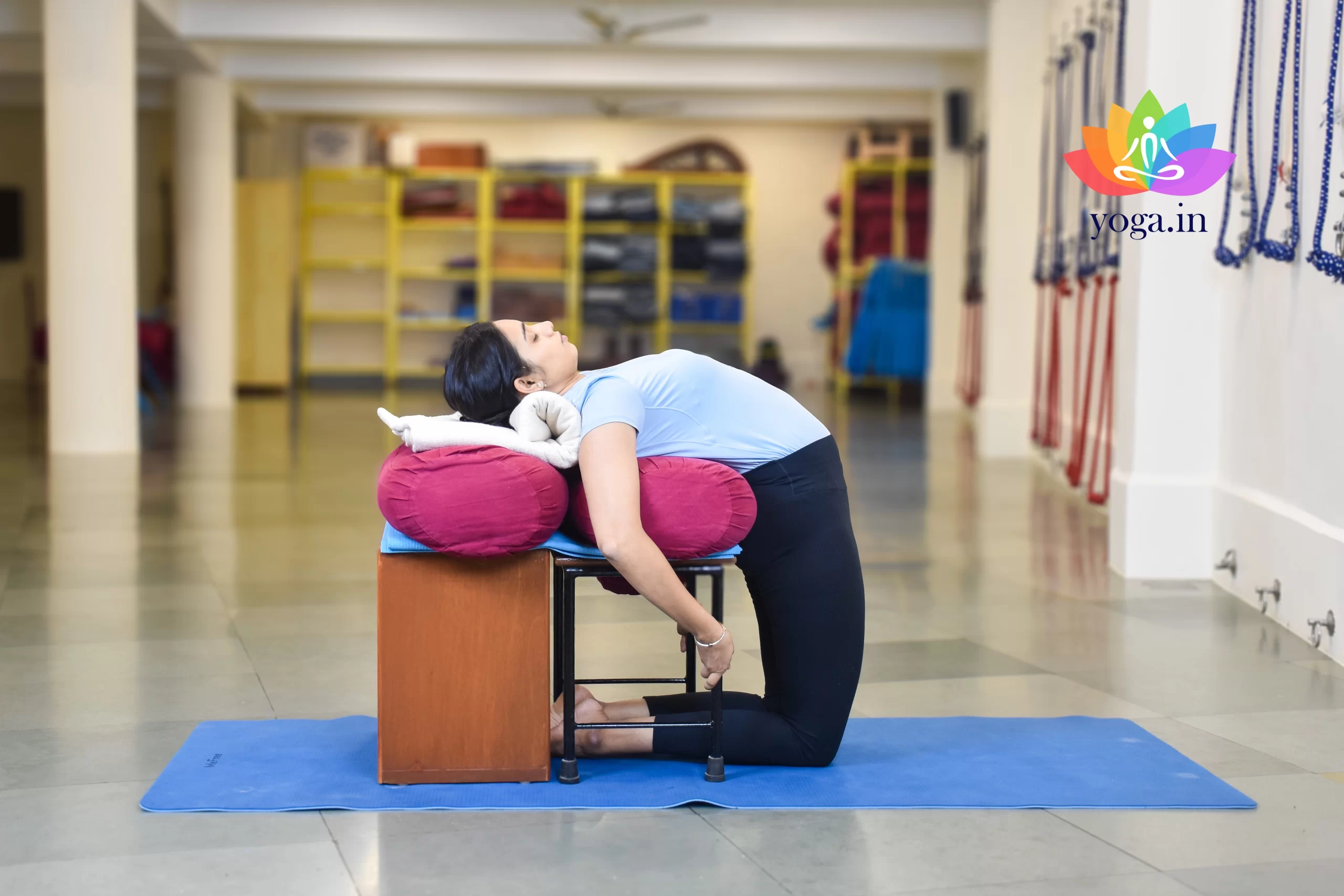
  • Ushtrasan for slipped disc: Opens the chest, relieves stress, and promotes relaxation, making it beneficial for insomnia. However, for those with a slipped disc, it should be practiced gently, avoiding excessive strain on the lower back, and with proper support if needed.
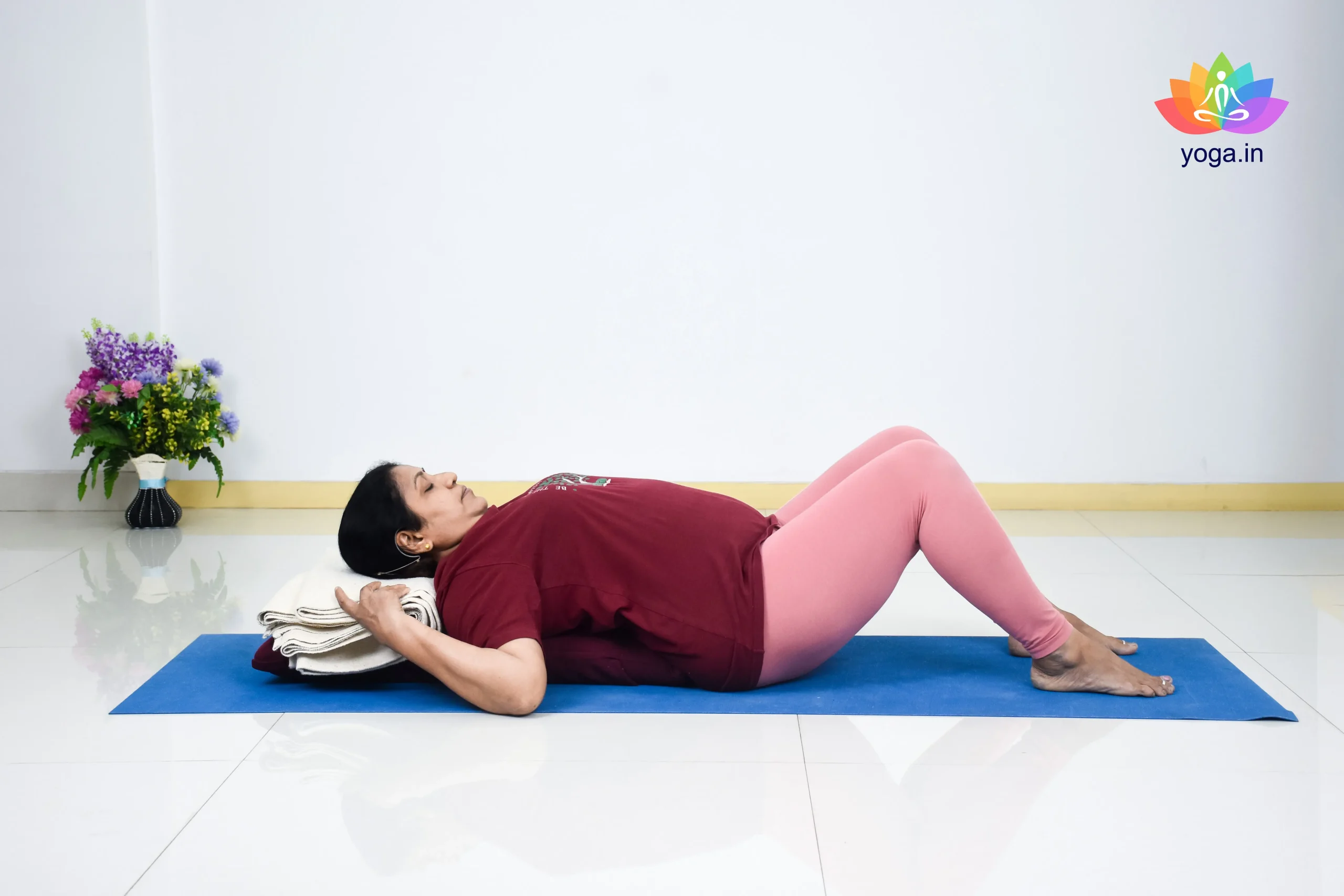
  • Setubandha Sarvangasana for slipped disc: Calms the mind, reduces stress, and gently stretches the spine, making it helpful for insomnia. For those with a slipped disc, it provides support to the back while strengthening it, but it should be done carefully to avoid overextension.
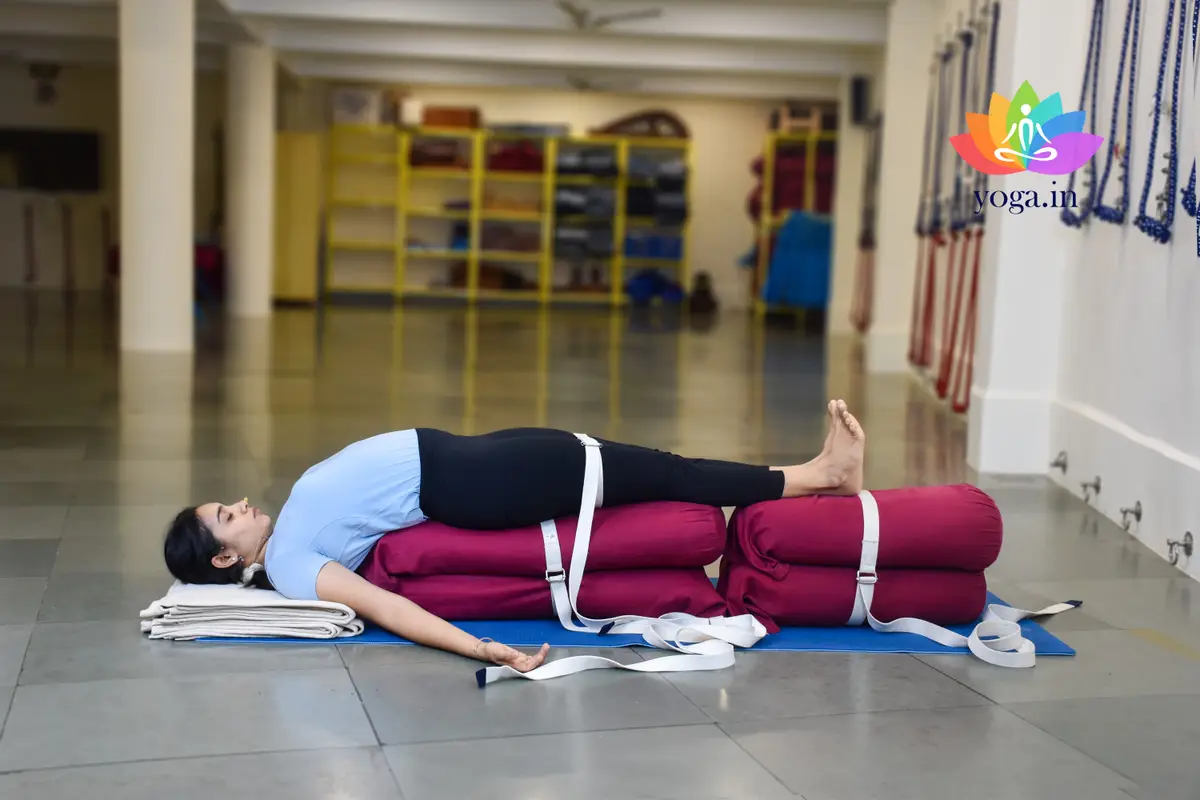
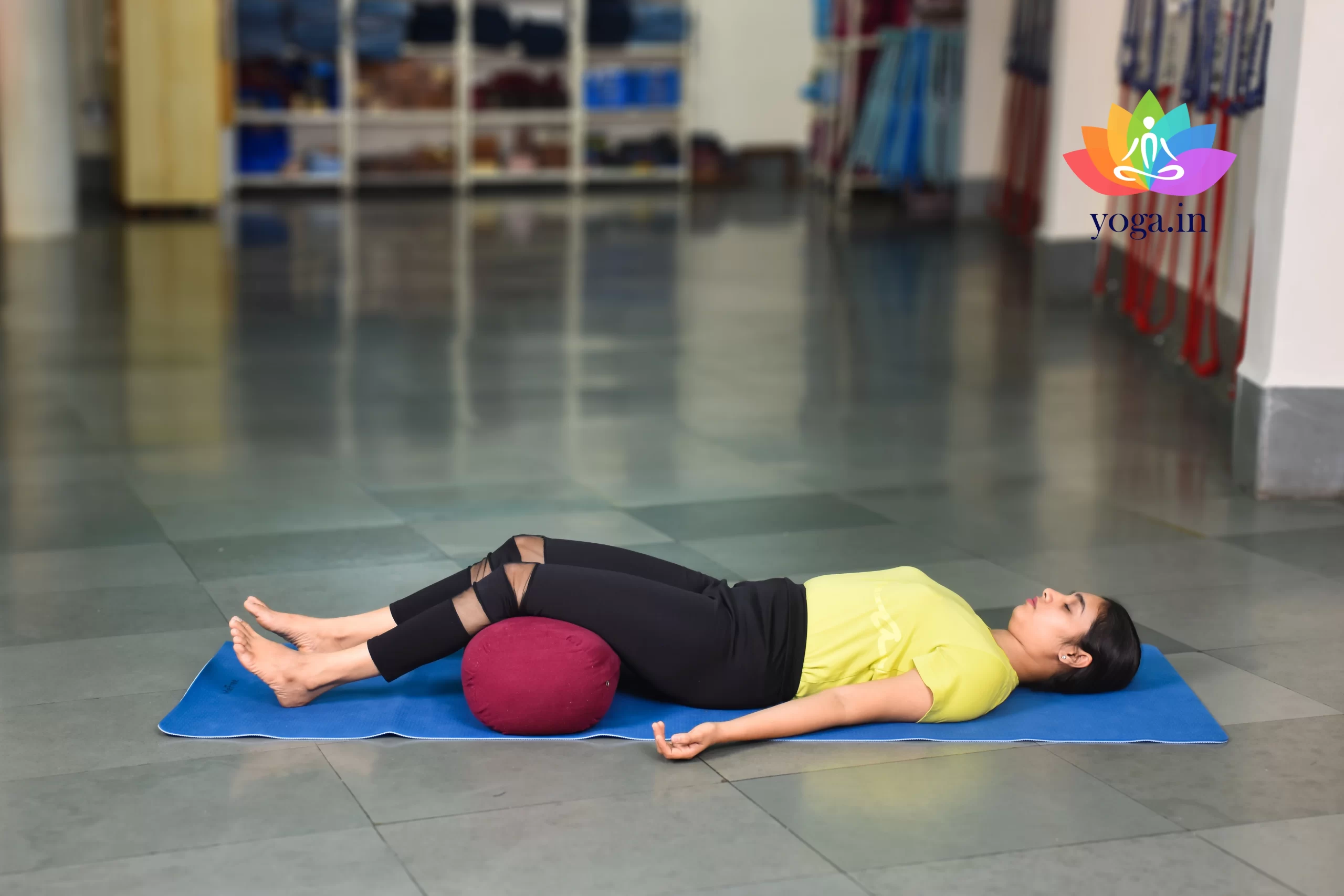
  • Savasana for slipped disc: Deeply relaxes the body and mind, relieving stress and promoting better sleep, making it ideal for insomnia. For those with a slipped disc, it provides gentle spinal alignment and relaxation without strain.
Pranayama for Slipped Disc
  • Ujjayi Pranayama: It  support recovery from a slipped disc by calming the nervous system, reducing stress, and improving posture awareness to alleviate strain on the spine.
  • Anulom Vilom Pranayama: It reduces stress, promoting relaxation, and improving blood circulation, which supports healing.

Leave a Reply

Video Tutorial Series

Ailments Category

Advance Search

Recent Ailments

Video Tutorial Series

✕

Login to Like

Please login with social account to support this post.

[nextend_social_login]

Find Your Videos

Choose a category