
November 3, 2025/
This 500-hour YTTC is a 35-day immersive experience designed for anyone who wishes to become a certified yoga teacher or...
This 500-hour YTTC is a 35-day immersive experience designed for anyone who wishes to become a certified yoga teacher or...
The 500-Hour Yoga Teacher Training in Rishikesh is a combination of the 200-Hour and 300-Hour Yoga Teacher Training programs in...
The 500-Hour Yoga Teacher Training in Rishikesh, India, is a master-level yoga training course that is more elaborate and in-depth....
The 500 Hour Yoga Teacher Training in Rishikesh provides an integrated 200 hour course and a 300 hour course to...
The esteemed 500 hour yoga teacher training program, registered with Yoga Alliance USA and recognized globally. This comprehensive course is...
A 500 hour yoga teacher training course in Rishikesh is an advanced level program designed for individuals who have completed...
500 Hour Yoga Teacher Training isn’t just about mastering poses — it’s about transforming how you move, think, and teach....
The combination of 200 and 300 hours YTTC equals 500 hours YTT. The 500 hour yoga teacher training in Rishikesh...
A 500 Hour Yoga Teacher Training in India at Sri Yoga Ashram in Rishikesh is an intensive yoga course that...
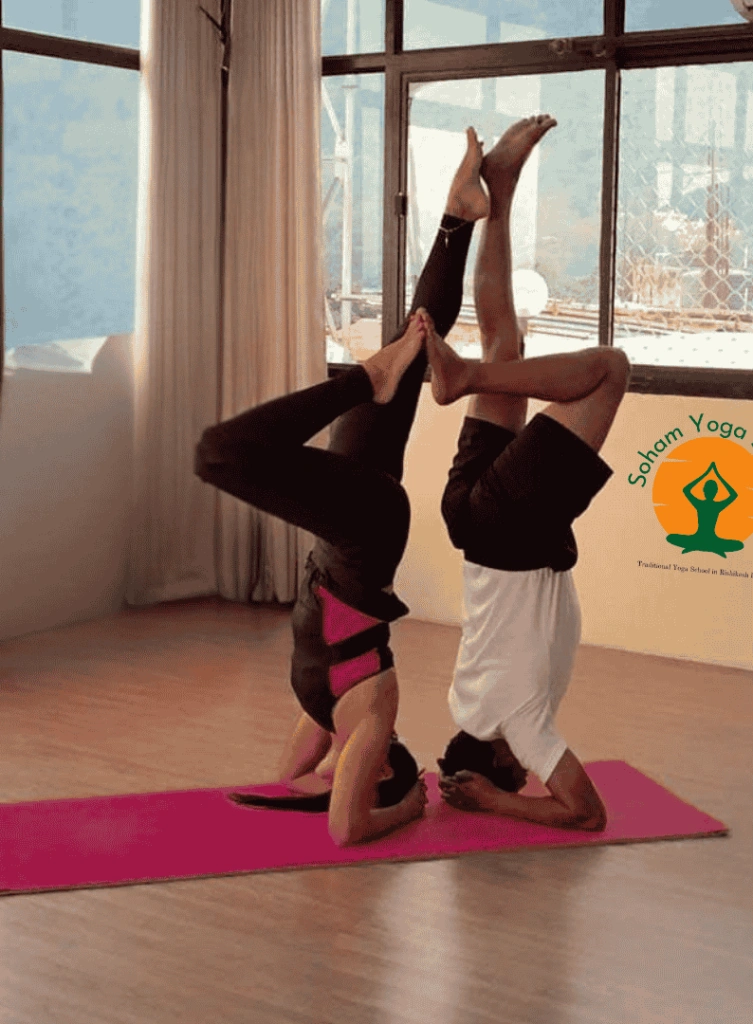
This 500-hour, in-depth yoga teacher training course is designed to help yoga professionals improve their practice and teaching abilities. The...