About
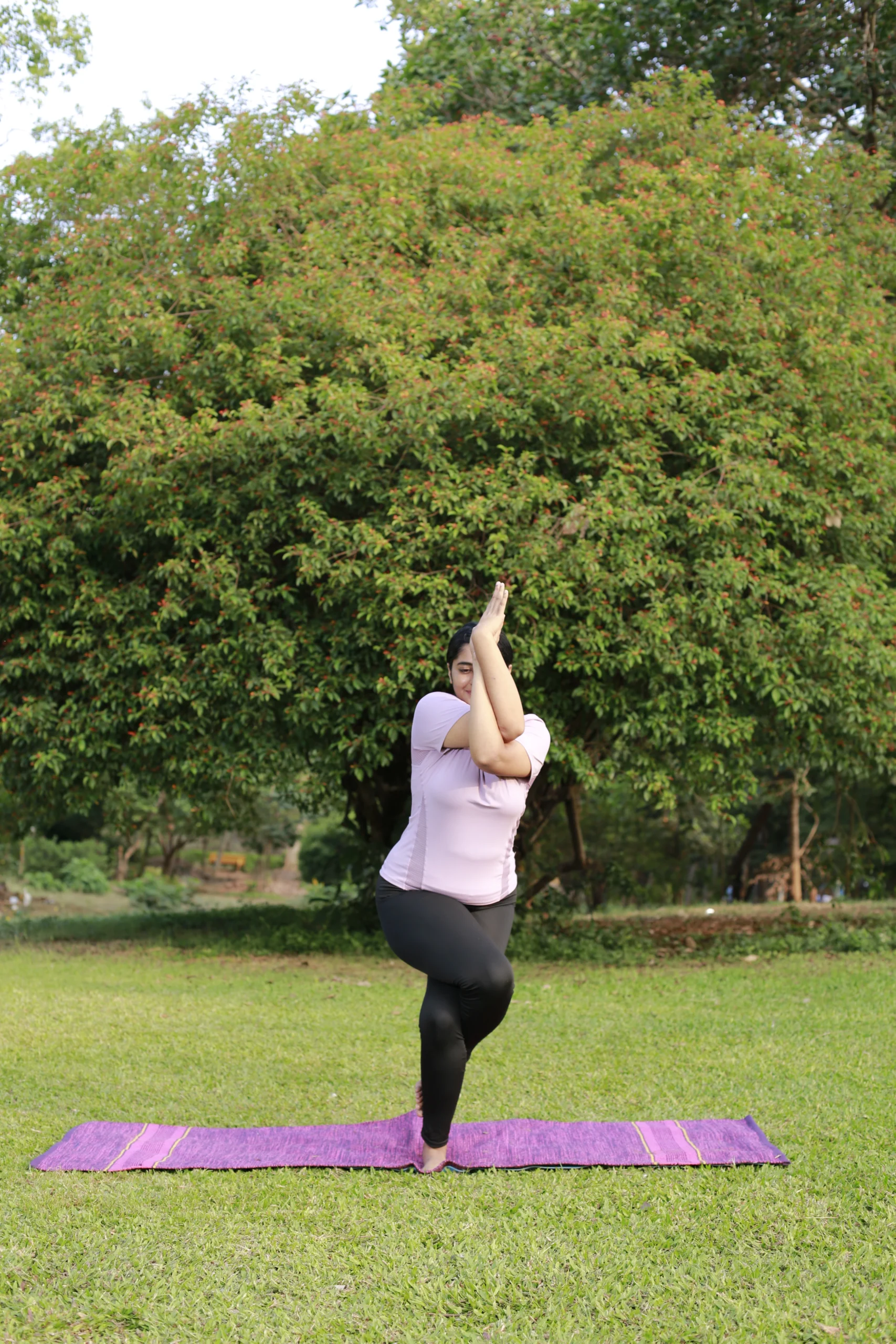
The system of yoga known as “Iyengar Yoga” was created and developed over 75 years ago by Yogacharya B.K.S. Iyengar. Iyengar Guruji devoted his life to the evolution of his approach to yoga, based on the traditional eight limbs of yoga taught over 2500 years ago by the sage Patanjali. A worldwide, standardized instruction system differentiates Iyengar Yoga from other methods. Certified Iyengar Yoga Teachers (CIYTs) undergo rigorous training and evaluation to earn their certifications. Only CIYTs are permitted to describe their method of instruction as Iyengar Yoga. CIYTs are trained to provide clear demonstrations of each posture. They are skilled in using simple props to maximize the opening and awareness of the body, providing support to the less flexible and extra extension to the more advanced student.
Iyengar yoga certification is considered the “gold standard” because it is the most rigorous teacher certification program in the world. Candidates for Iyengar yoga certification must study for a minimum of three years, complete a 500-hour training or equivalent program, complete an apprenticeship and pass two levels of intense testing and evaluation.
For Iyengar yoga certification, teachers are evaluated on more than 45 different criteria, including the clarity of their instruction, their ability to teach poses to a wide range of students, and their skill in observing and correcting students.
How to become a Certified Teacher of Iyengar Yoga:
Introductory I and II
Junior Intermediate I, II and III
Senior Intermediate I, II and III
Junior Advanced I,II and III
Senior Advanced I and II
Syllabus and examination:
| |
| Theory paper: Questions about asanas, pranayama, anatomy, physiology and yoga |
| |
| |
| 1. Personal practice 2. Acquiring clarity in giving instructions 3. Learning to make subtle adjustments with the use of props 4. Understanding problems faced by specific individuals |
| |
| |
| |
| |
| |
| Theory paper: Questions about asanas, pranayama, anatomy, physiology and yoga |
Conclusion
Iyengar Yoga certification represents a rigorous and esteemed pathway for individuals seeking to deepen their practice and become highly skilled teachers in this precise and methodical style of yoga. The certification process ensures that practitioners possess a deep understanding of the postures, alignment principles, and teaching techniques, while also fostering a commitment to lifelong learning and personal growth. By adhering to the high standards set by the Iyengar Yoga system, certified instructors are equipped to offer safe, effective, and transformative experiences for their students. As the popularity of Iyengar Yoga continues to grow worldwide, the certification process serves as a mark of excellence, ensuring that the integrity of this profound tradition is upheld and passed on to future generations.