
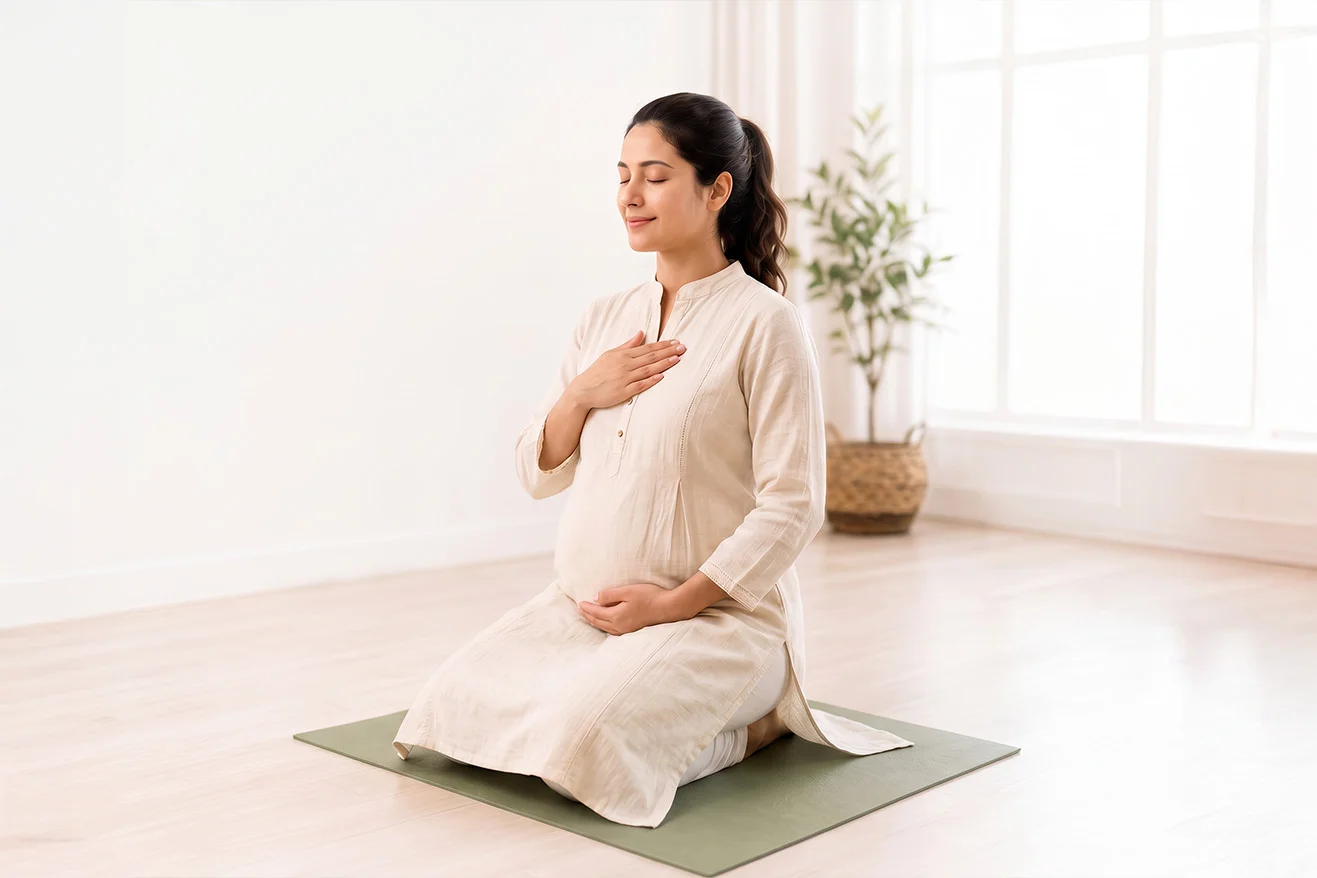
Pregnancy is one of the most beautiful and transformative phases in a woman’s life, but it can also bring physical discomfort, emotional changes, stress, and uncertainty. Caring for the mother during this time is deeply important, not only for her well-being but also for the baby’s healthy growth and development.
Today, pregnancy yoga has become increasingly popular worldwide for relaxation, emotional balance, physical comfort, and childbirth preparation. But beyond the trends and testimonials, what does real scientific research say?
A large systematic review published in 2022 looked at 31 studies involving more than 2,400 pregnant women, and the results were quite encouraging.
First, what exactly did researchers study?
The review included studies from different parts of the world, including 13 from India, 8 from the United States, and others from Iran, China, Indonesia, Japan, Thailand, and the UK.
Researchers compared pregnant women who practised yoga with women receiving regular prenatal care, walking programs, exercise classes, health education, social support, or no special intervention.
The studies included a wide range of pregnant women, from healthy pregnancies to high-risk pregnancies, including women experiencing anxiety or depression, gestational diabetes, mild high blood pressure, and even women on bed rest.

So… did yoga help?
The Mental Health Benefits Were Big
One of the strongest findings was around emotional well-being. Compared to women who did not practice yoga, those who practised pregnancy yoga reported:
● less anxiety,
● fewer depressive symptoms,
● and lower stress levels.
Yoga May Help During Labour Too
Now for the part many pregnant women really want to know…Could yoga help birth itself?
According to the review, women in yoga groups:
● experienced labour that was almost 2 hours shorter on average,
● were more likely to have a vaginal birth,
● and often reported better comfort and pain tolerance during labor.

Some studies also found:
● lower rates of cesarean birth,
● reduced need for intravenous pain medication,
● and higher comfort scores during labour.
That doesn’t mean yoga guarantees a certain kind of birth, but it does suggest yoga may help women feel more physically and mentally prepared.
Another reassuring finding? None of the studies reported serious harmful effects from pregnancy yoga when practised appropriately.
Components & Frequency of Pregnancy Yoga?
Most studies did not clearly mention a specific yoga style. However, the yoga programs commonly included gentle postures, breathing exercises, meditation, relaxation techniques, and yoga nidra, with all studies involving some form of physical movement or yoga postures.
Classes ranged from:
● 20 minutes to 2 hours long,
● weekly to daily practice,
● short programs to months-long interventions.
Interestingly, researchers noticed:
● longer sessions (over 60 minutes) seemed especially helpful for stress and anxiety,
● and programs with more than 12 sessions showed stronger effects for stress reduction and vaginal birth outcomes.

The Most Important Takeaway
The research suggests that pregnancy yoga is much more than just stretching. Women who practised yoga during pregnancy generally felt less stressed, less anxious, and more emotionally balanced, and felt more prepared and comfortable during labour. Some studies even found that yoga was associated with shorter labour duration and a higher likelihood of normal vaginal delivery. Most importantly, the studies also showed that consistency mattered more than intensity; you don’t need advanced yoga, just regular and gentle practice. Interestingly, even practising just once or twice a week seemed to make a difference.
Source
Corrigan L, Moran P, McGrath N, Eustace-Cook J, Daly D. The characteristics and effectiveness of pregnancy yoga interventions: a systematic review and meta-analysis. BMC Pregnancy Childbirth. 2022 Mar 25;22(1):250. doi: 10.1186/s12884-022-04474-9. PMID: 35337282; PMCID: PMC8957136.
https://link.springer.com/article/10.1186/s12884-022-04474-9
About Author
The author is an integral part of the Yoga.in team with a strong research background in yoga and holistic wellness. Her writing is rooted in evidence-based insights and aims to help readers find clarity, confidence, and strength on their yoga journey.

