
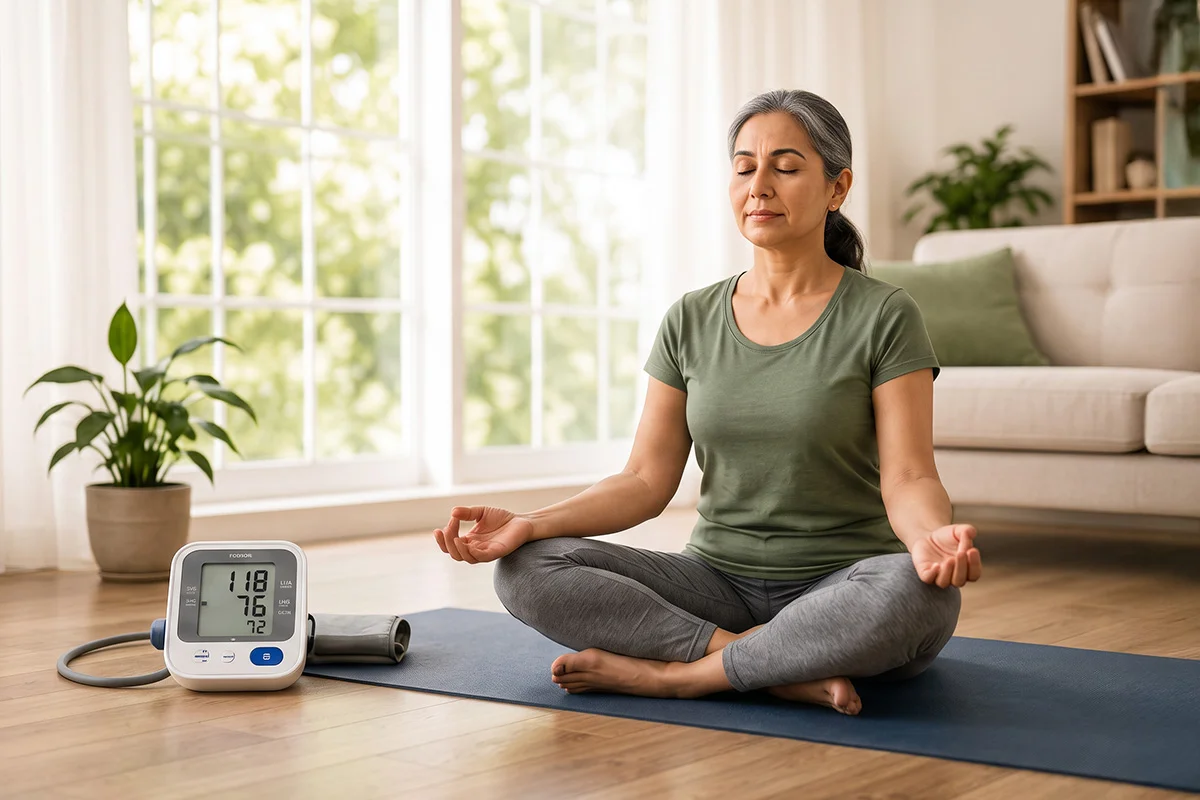
High blood pressure (hypertension) is often called a “silent condition” because it can develop gradually without obvious symptoms. Over time, however, it can increase the risk of heart disease, stroke, kidney disease, and other health complications. Factors such as chronic stress, poor sleep, physical inactivity, unhealthy dietary habits, smoking, alcohol consumption, age, genetics, and certain medical conditions can all contribute to elevated blood pressure.
While medications remain an important part of treatment for many individuals, researchers have increasingly explored whether yoga can help support healthy blood pressure levels.
So, what does the research actually say?
1. Yoga May Help Lower Blood Pressure
Several studies have found that regular yoga practice can help reduce blood pressure in people with hypertension, pre-hypertension, metabolic syndrome, pre-diabetes, and type 2 diabetes. In some studies, participants who practiced yoga alongside standard care experienced greater improvements than those receiving standard care alone.
One particularly interesting study found that 13 participants with pre-hypertension achieved normal blood pressure after practicing yoga in addition to standard lifestyle advice, compared with only 4 who received standard care alone.
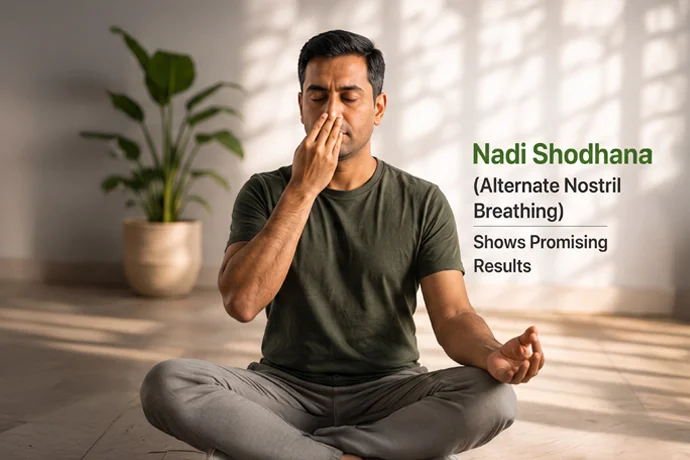
2. Nadi Shodhana (Alternate Nostril Breathing) Shows Promising Results
Among yogic breathing techniques, Nadi Shodhana has received considerable research attention.
Studies suggest that alternate nostril breathing may help lower blood pressure during and immediately after practice. Researchers believe this may occur because the technique encourages relaxation and enhances parasympathetic (rest-and-digest) activity, helping the body shift away from stress response.
3. Meditation Can Positively Influence Blood Pressure
Research has shown that meditation may help lower blood pressure and improve emotional well-being.
By calming mental activity and reducing stress, meditation may decrease the burden placed on the cardiovascular system. Even short periods of regular practice have been associated with measurable improvements in blood pressure in some studies.
One study involving older adults with hypertension found that regular meditation practice was associated with reductions in systolic blood pressure along with improvements in psychological health. These findings suggest that meditation may be particularly valuable for older individuals, although its stress-reducing benefits can support people of all ages.
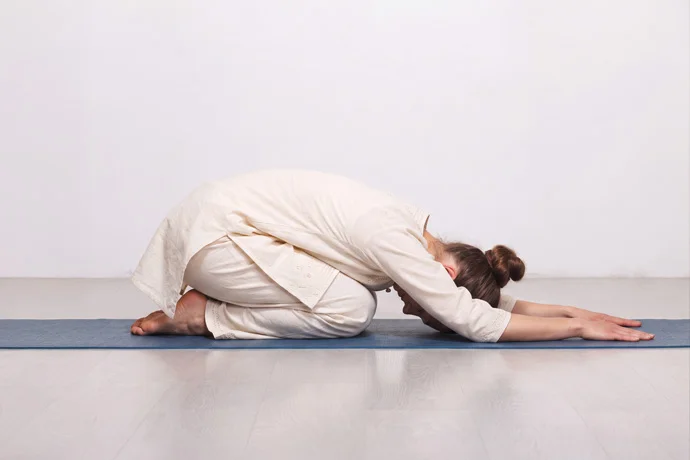
4. Stress Reduction Is One of Yoga’s Greatest Strengths
Chronic stress is a well-known contributor to elevated blood pressure.
Yoga combines movement, breath awareness, relaxation, and mindfulness, helping practitioners move from a state of tension and reactivity toward one of calm and balance. This stress reduction may be one of the key reasons yoga supports cardiovascular health.
Many researchers believe that yoga’s influence on the nervous system is one of the primary mechanisms through which it helps regulate blood pressure.
5. Better Sleep and Emotional Well-Being May Also Help
Poor sleep and emotional stress are both associated with higher blood pressure.
Many people report improved sleep quality, greater emotional balance, and a stronger sense of well-being through regular yoga practice. These indirect benefits may contribute to healthier blood pressure levels over time by addressing some of the underlying lifestyle factors associated with hypertension.
6. A Well-Rounded Yoga Practice Appears to Be Most Beneficial
Research suggests that the greatest benefits for blood pressure are seen when yoga is practiced as a complete system rather than as physical posture alone. Programs that combine asanas (postures), pranayama (breathing techniques), relaxation, and meditation appear to be more effective in supporting healthy blood pressure levels.
This highlights an important principle of yoga: its benefits come not only from movement, but also from its ability to calm the mind and regulate the nervous system.
What Is the Bottom Line?
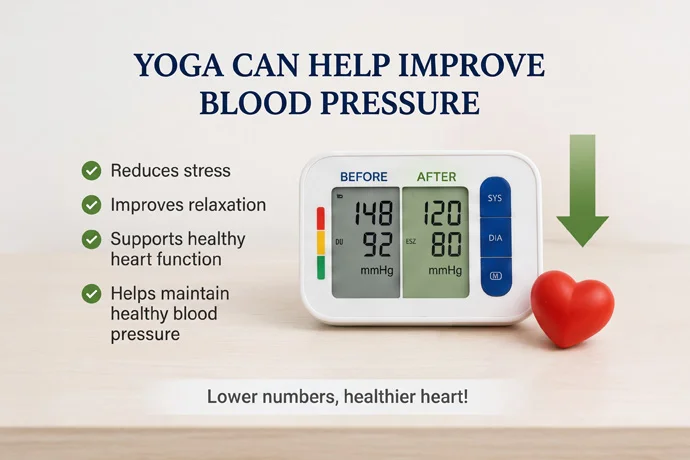
Current research suggests that yoga may help support healthy blood pressure, particularly structured yoga practices including breathwork and meditation. The evidence is especially encouraging for people with hypertension, pre-hypertension, and related metabolic conditions.
While more high-quality research is still needed, yoga appears to be a safe and valuable complementary approach that can help reduce stress, improve overall well-being, and support long-term cardiovascular health.
Research Sources
- Wang J, Xiong X, Liu W. Yoga for essential hypertension: A systematic review.
PLOS ONE, 2013.
- Thiyagarajan R, et al. Additional benefit of yoga to standard lifestyle modification on blood pressure in prehypertensive subjects. Hypertension Research, 2014.
- Balkrishna A. Blood pressure and heart rate variability during yoga-based alternate nostril breathing practice and breath awareness. Medical Science Monitor Basic Research, 2014.
- Marchiori M, et al. Decrease in blood pressure and improved psychological aspects through meditation training in hypertensive older adults. Geriatrics & Gerontology International, 2014.
- Dhungana R, et al. Effects of a health worker-led 3-month yoga intervention on blood pressure of hypertensive patients. BMC Public Health, 2021.
About the Author
The author is an integral part of the Yoga.in team with a strong research background in yoga and holistic wellness. Her writing is rooted in evidence-based insights and aims to help readers find clarity, confidence, and strength on their yoga journey.

