

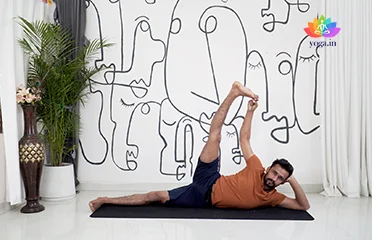
Anantasana (Sleeping Vishnu Pose)
अनन्तासन / Sleeping Vishnu Pose | Vishnu's Couch Pose
The Sanskrit name is derived from Ananta (अनन्त) meaning without end [¡K]


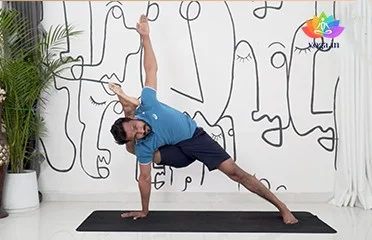
Bhairavasana (Formidable Pose)
भैरवासन / Formidable Pose
Bhairava (भैरव, Bhairava) is a manifestation of Shiva (शिव, Śiva); [¡K]
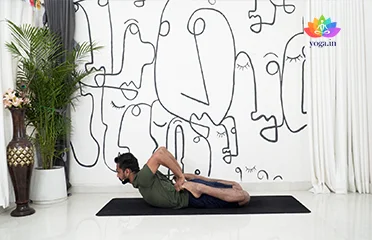
Bhekasana (Frog Pose II)
भेकासन / Frog Pose II
The Sanskrit name is derived from Bheka (भेका) meaning frog and asana [¡K]
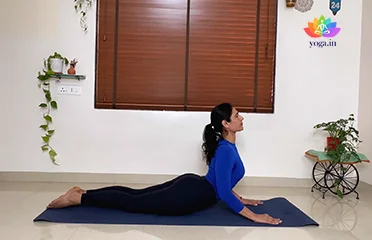
Bhujangasana (Cobra Pose)
भुजंगासन / Cobra Pose
The Sanskrit name is derived from Bhujanga (भुजंगा) meaning cobra [¡K]
A Guide to Reclining Yoga Poses
Reclining yoga poses is done while lying on the back and provide a supportive and grounded way to stretch and relax the body. Reclining poses can also be the first or last individual poses of a yoga set, to quiet the nervous system, develop gentle flexibility and promote the state of mindful breathing. While the gentle nature of reclining poses theoretically allows for all areas of the body (hips, hamstrings and lower back) to be addressed, it is important that the practice is focused nonetheless to allow for deeper body awareness and alignment.
Benefits of Reclining Yoga Poses
- Releases Tension: The Reclining poses free up tension in the spine, hips and hamstrings. They also improve flexibility and circulation.
- Provides Relaxation: Many of Reclining poses consist of deep breathing which may promote relaxation that can lessen stress, decrease blood pressure and calm the nervous system.
- Promotes Meditative State: As the body is supported by the floor, reclined poses also encourage relaxation and create a meditative state.
- Therapeutic Effects: These poses assist in digestion, reduce fatigue and aid in recovery from injury or illness.
- Promotes Mindfulness: Reclined poses promote stillness and mindfulness which makes them an excellent cool down at the end of a practice.
List of Reclining Yoga Poses
From restful postures to more energetic stretches, yoga offers a variety of reclining positions. Here are several basic reclining yoga poses:
- Anantasana (Sleeping Vishnu Pose): It helps in strengthening the core, stretches the hamstrings and inner thighs.
- Bhairavasana (Formidable Pose): A demanding side-reclining arm balance. It calls for great core strength and hip flexibility.
- Bhekasana (Frog Pose II): Laying on your stomach, this deep backbend and hip opening extends the quadriceps and ankles.
- Bhujangasana (Cobra Pose): This reclining pose is a basic prone backbend gently expands the chest and strengthens the spine.
Tips for Practicing Reclining Poses
- Use Props: Props like bolsters, blankets or straps to adjust these poses to suit the vast range of practitioners and demands.
- Take Your Time: Moving gently into and out of the positions is crucial. Be careful not to strain yourself and keep awareness.
- Focus on Your Breathing: Inhale and then completely exhale letting release of stress. Remember to maintain the body relaxed, especially the jaw, shoulders and hands.
- Relaxing Environment: Practice the poses in a peaceful place to improve the restoring power.
Common Challenges and How to Overcome Them
One can have a few various difficulties in reclining postures. Few of them are listed here:
- Fear of Falling: Start small using the wall as support. Use the wall as protection and use bolsters or blankets for soft landings.
- Tight Hamstrings or Shoulders: Just keep actively stretching in these tight spots. You can use a folded blanket under your shoulders or head to protect your neck or use a belt to go a little deeper.
- Strain on the Neck: Make sure you are evenly getting weight through your hands and forearms, not just your head. If you use a folded blanket under your head or shoulders you can easily keep neck, cushioned and protected.