The Sanskrit term Vajra (वज्र) meaning thunderbolt and asana (आसन) meaning posture or seat.
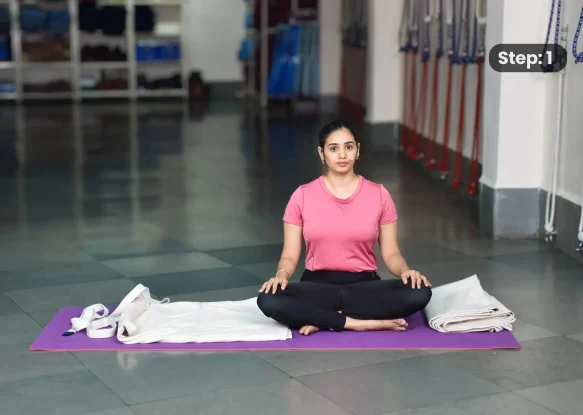
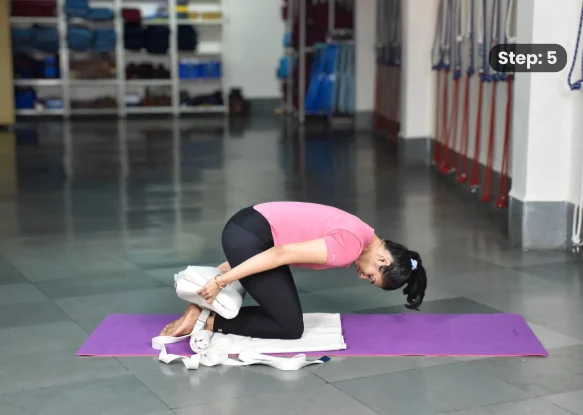
Begin by kneeling on your yoga mat with your knees together.
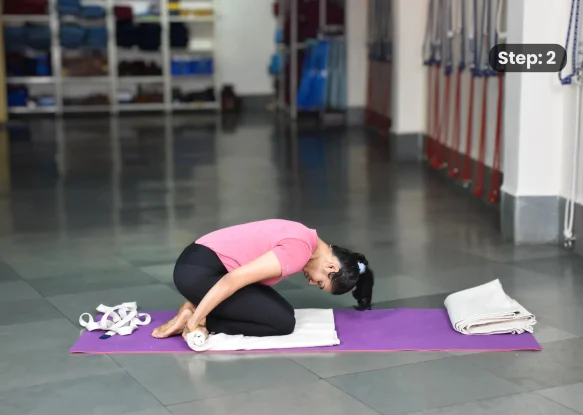
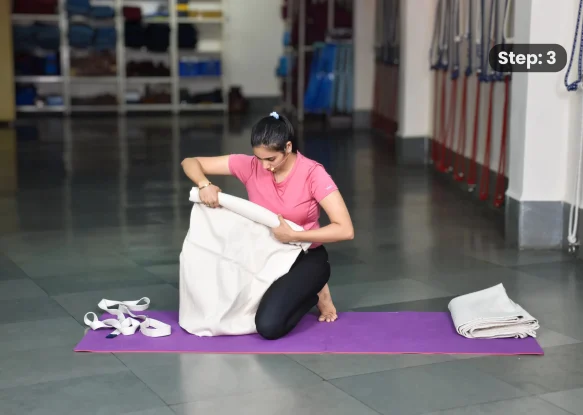
Place a yoga blanket on your feet, positioning it so that it sits on its narrowest side.
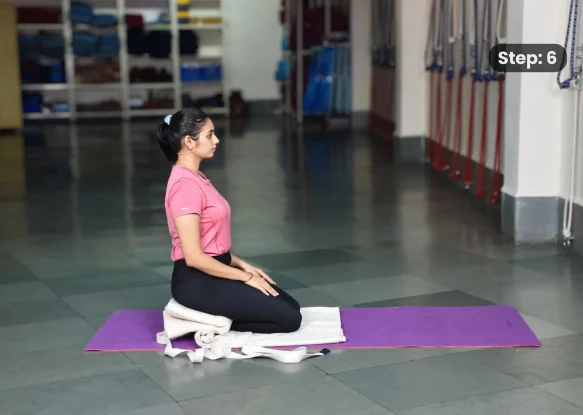
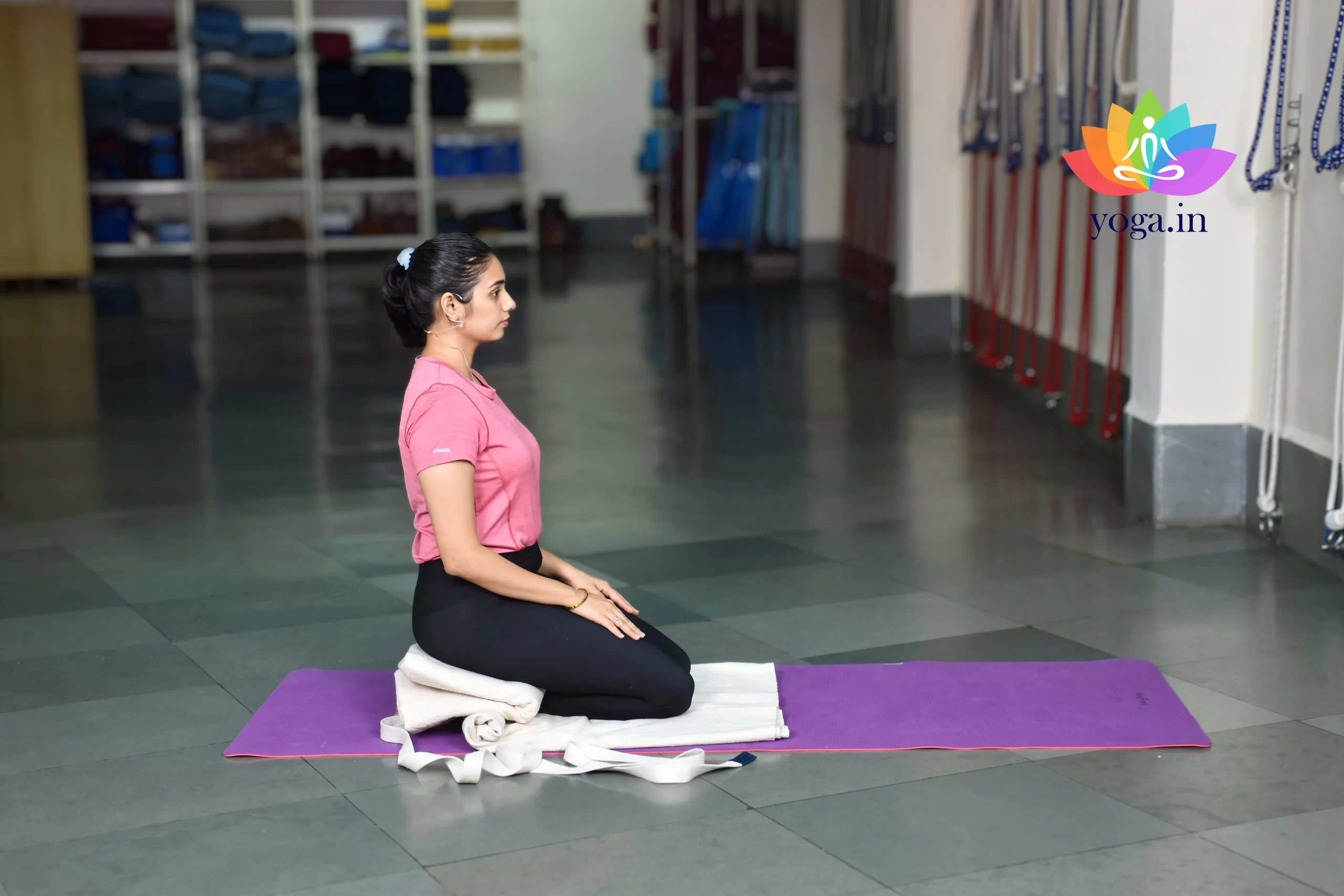
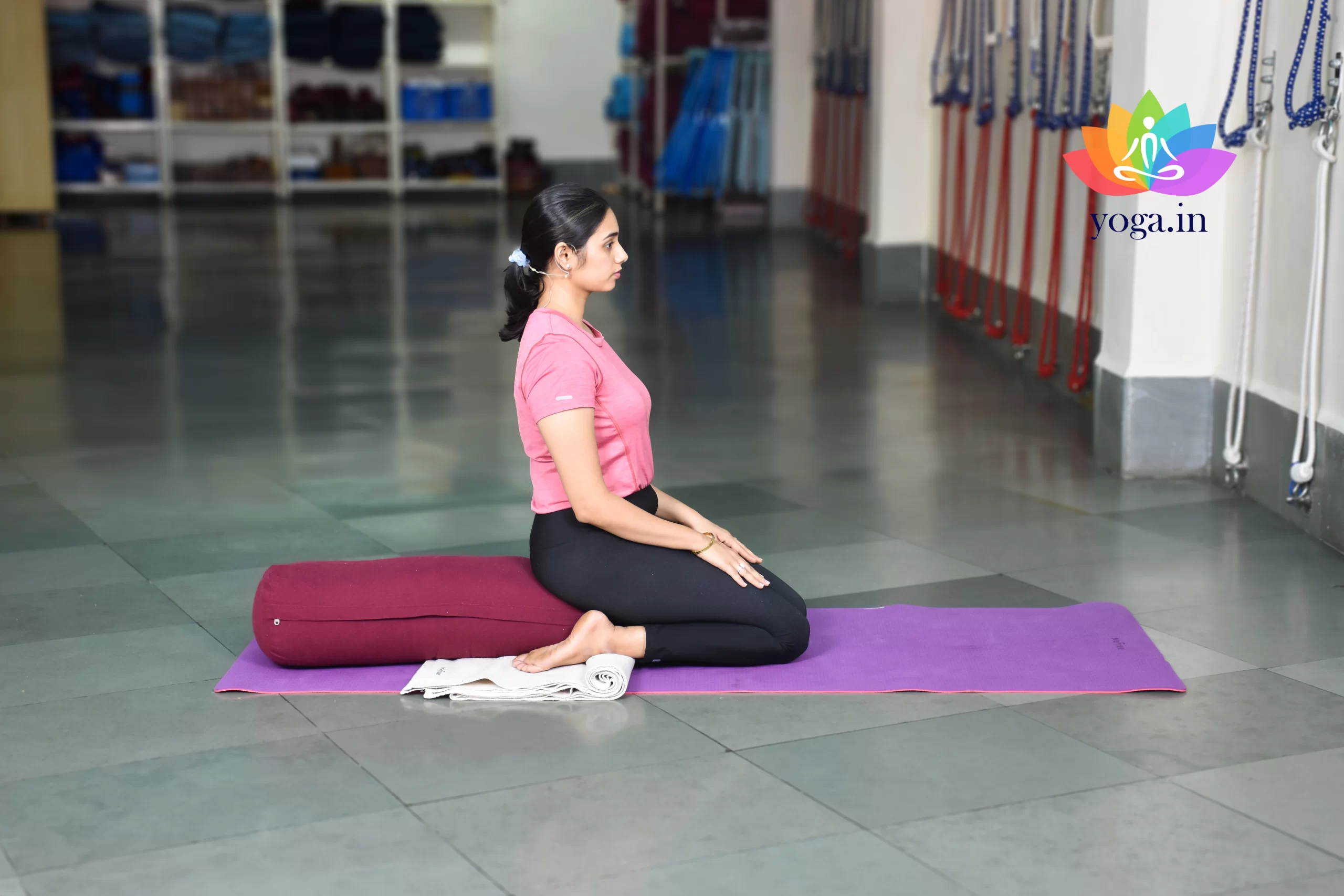
Lower your buttocks toward your heels, aiming to sit back.
Keep the spine elevated. While seated here keep the back and the shoulders straight yet relaxed.
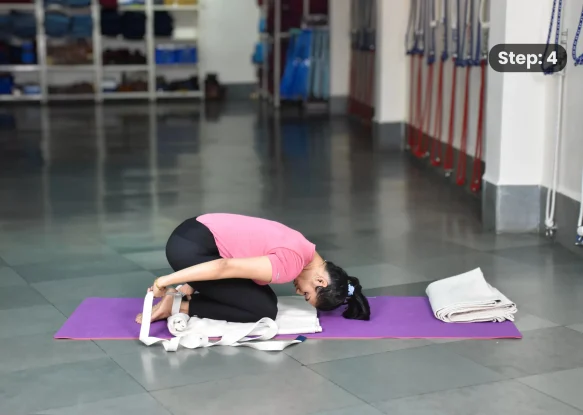
If the knees hurt, place a blanket below the knees. Stay for about 6 breaths to relax and connect.
Once you’ve found a comfortable position, rest your buttocks on the blanket.
Allow your weight to be evenly distributed between your buttocks and your feet.
Keep your shoulders relaxed and your chest open.
Rest your hands on your thighs, with your palms facing downward.
Hold Vajrasana for 30-60 seconds, or as long as feels comfortable.
Begin by gently lifting your hips off your heels, coming into a kneeling position. Place your hands on the floor beside you for support if needed.
Extend one leg at a time out in front of you. Stretch your legs out straight or cross them in front of you.
Engage your abdominal muscles slightly to support your lower back.
Draw your navel gently toward your spine.
Rounding of the back
Avoid in case of injured ankles, knees ligament or pain, hamstring injury
Avoid in case of Arthritis
Avoid during slipped disc
The sanskrit name is derived from Vira
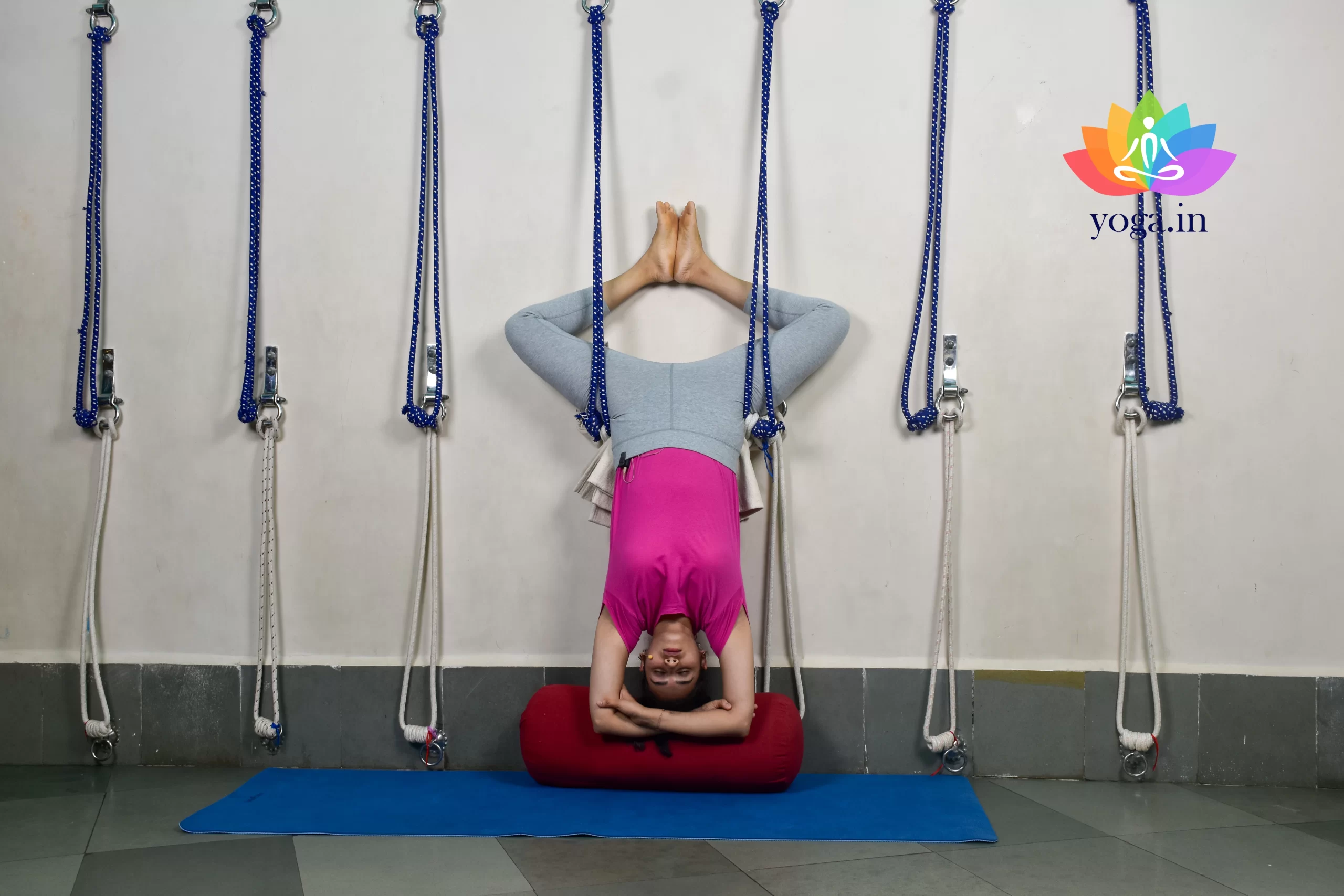
The sanskrit name is derived from sirsa
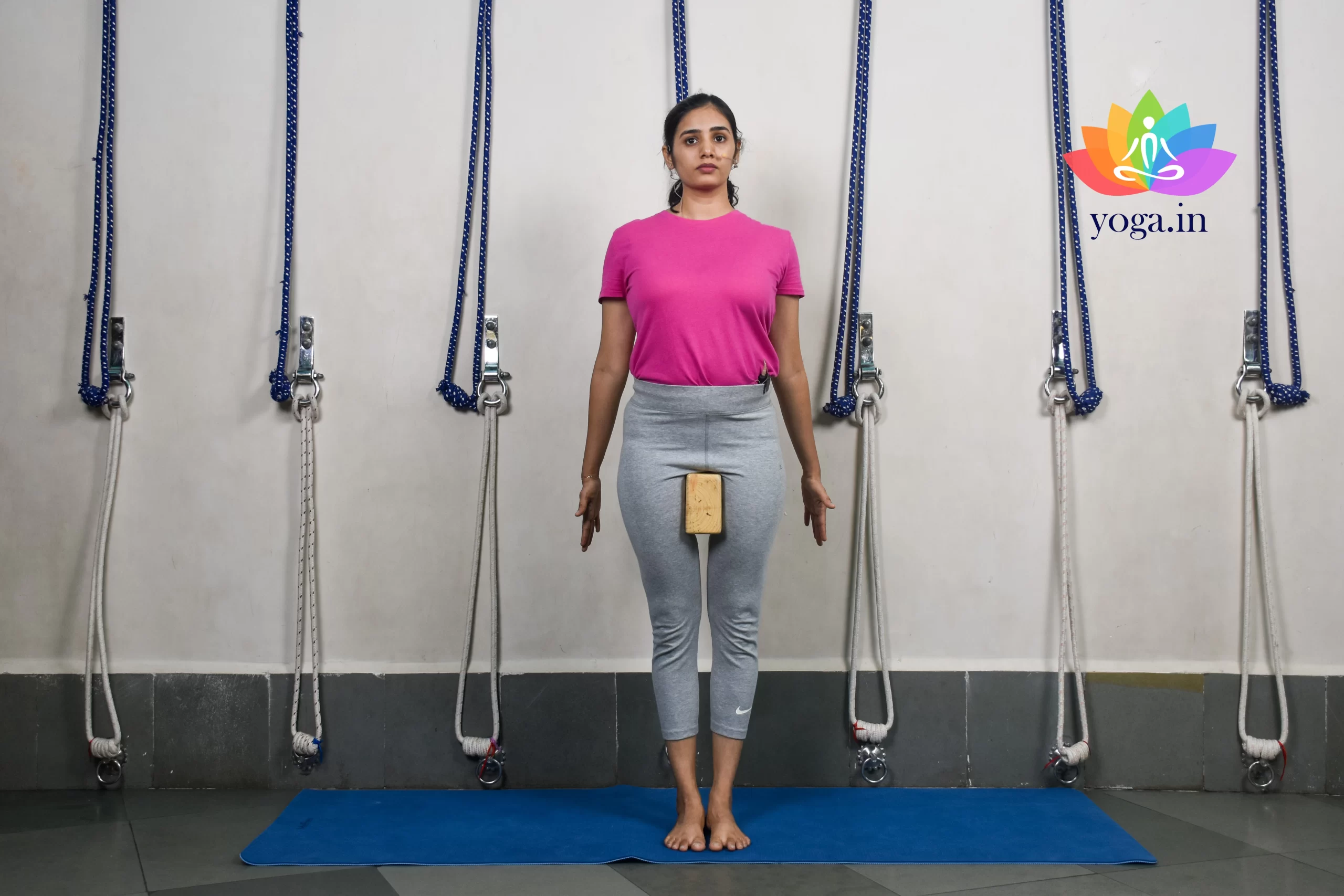
The Sanskrit name is derived from Tada
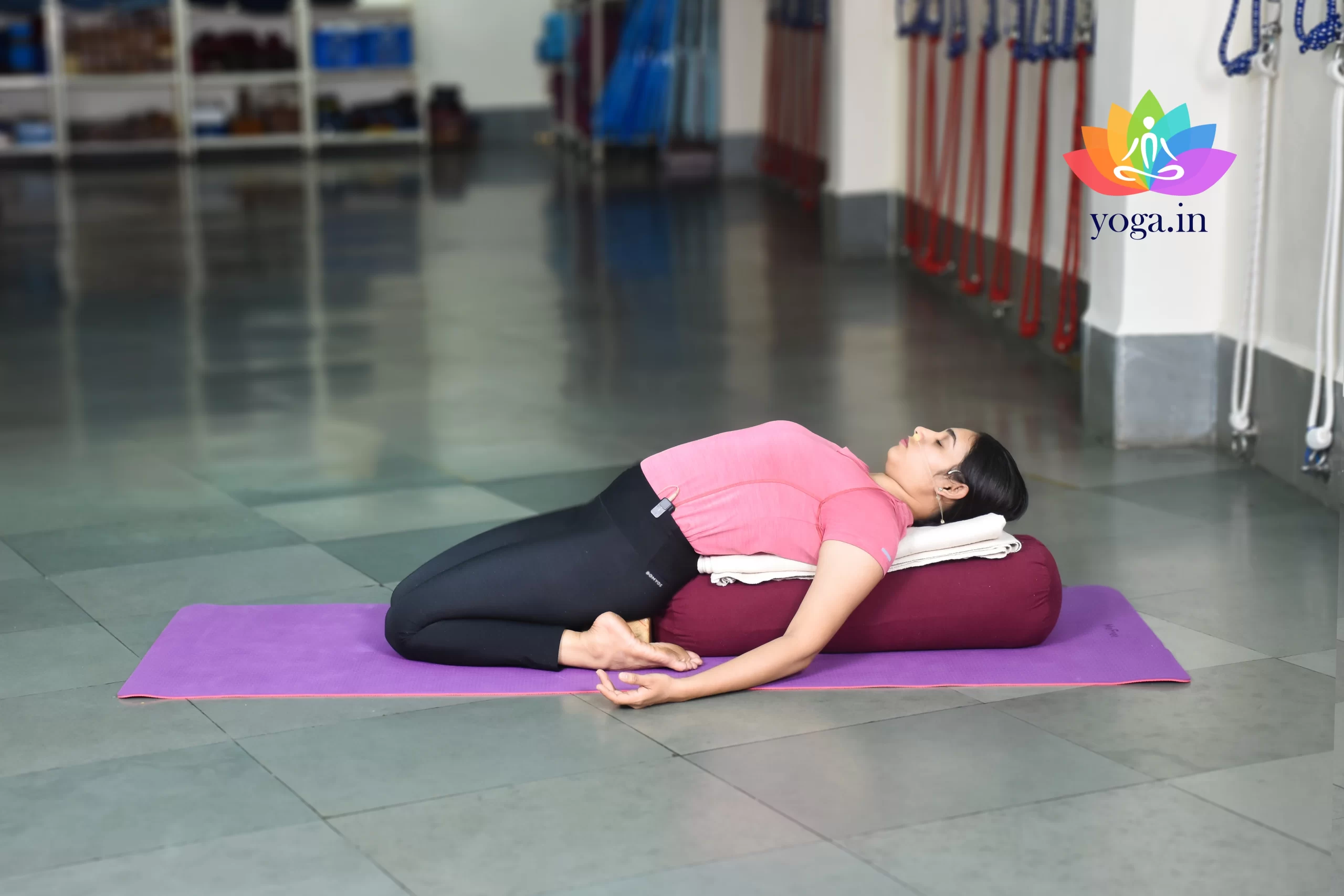
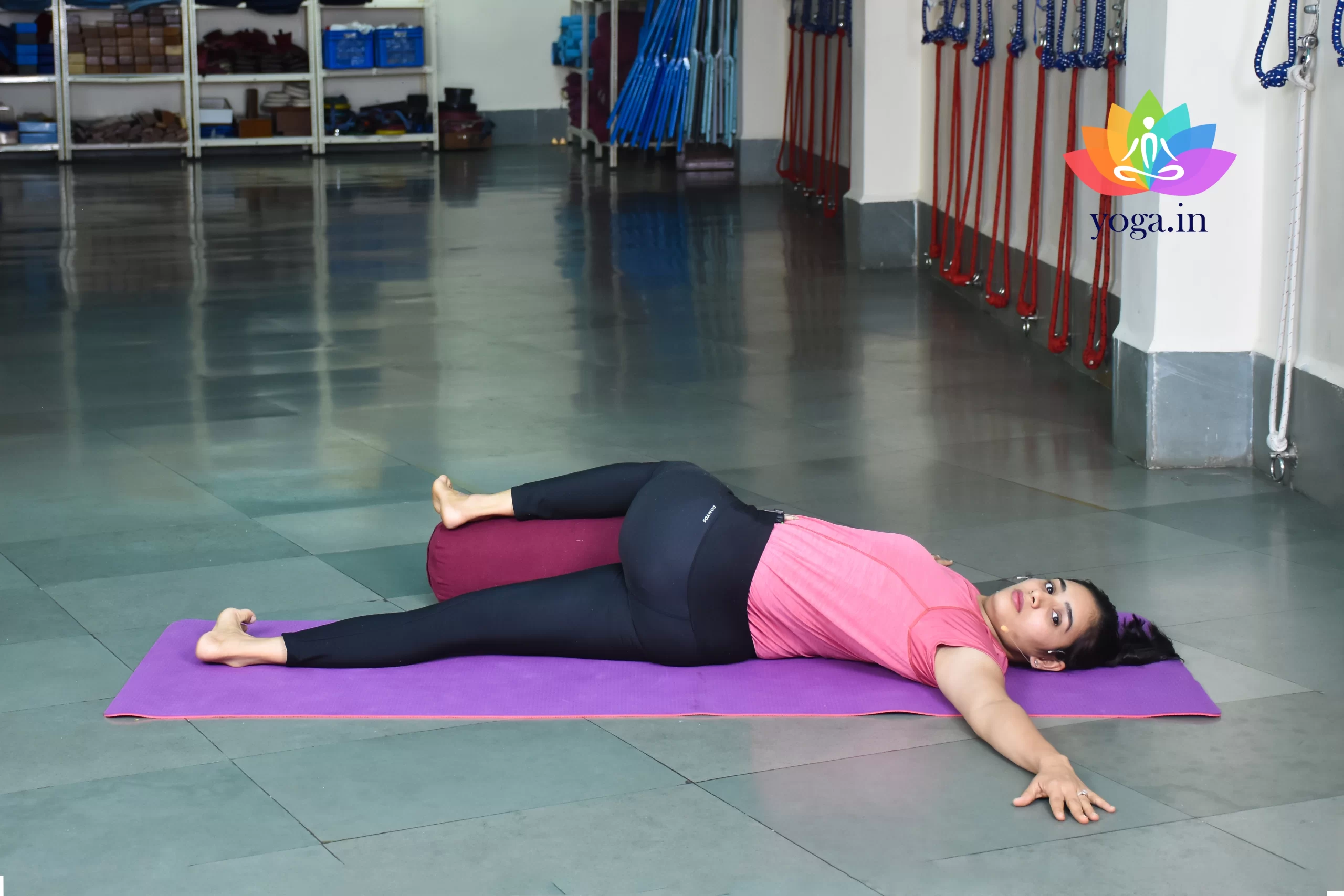
The Sanskrit name is derived from “supta”
The sanskrit name is derived from supta
The sanskrit name is derived from Salamba
Please login with social account to support this post.