Variscose Veins

Improve Circulation and Reduce Discomfort with Yoga for Varicose Veins

Home > Therapy Yoga > Variscose Veins
What is Varicose Veins?

Varicose veins are enlarged, twisted veins that typically appear in the legs, although they can occur in other parts of the body like the esophagus (esophageal varices) or the scrotum (varicoceles). These bulging veins are often visible just under the skin and can be unsightly and uncomfortable.

Causes of Varicose Veins
  • Weak veins: Weakened vein walls and valves due to age, genetics, or other factors.
  • Poor circulation: Prolonged standing or sitting, hindering blood flow in the legs.
  • Hormonal fluctuations: Pregnancy-related hormonal changes affecting vein health.
  • Excess weight: Obesity putting pressure on the veins in the legs.
  • Constipation: Chronic constipation causing increased abdominal pressure on veins.
Symptoms of Varicose Veins
  • Visible bulges: Swollen, bulging veins visible beneath the skin.
  • Aching legs: Aching or throbbing pain in the legs.
  • Itchy skin: Itchy or irritated skin around the affected veins.
  • Muscle issues: Muscle cramps or fatigue in the legs.
  • Standing/sitting discomfort: Worsened discomfort with prolonged standing or sitting.
Yoga Asanas for Varicose Veins
  • Urdhva Prasarita Padasana for varicose veins: Aids in improving blood circulation and reducing pressure in the legs, making it beneficial for varicose veins. It provides relief by encouraging venous return while keeping the legs elevated.
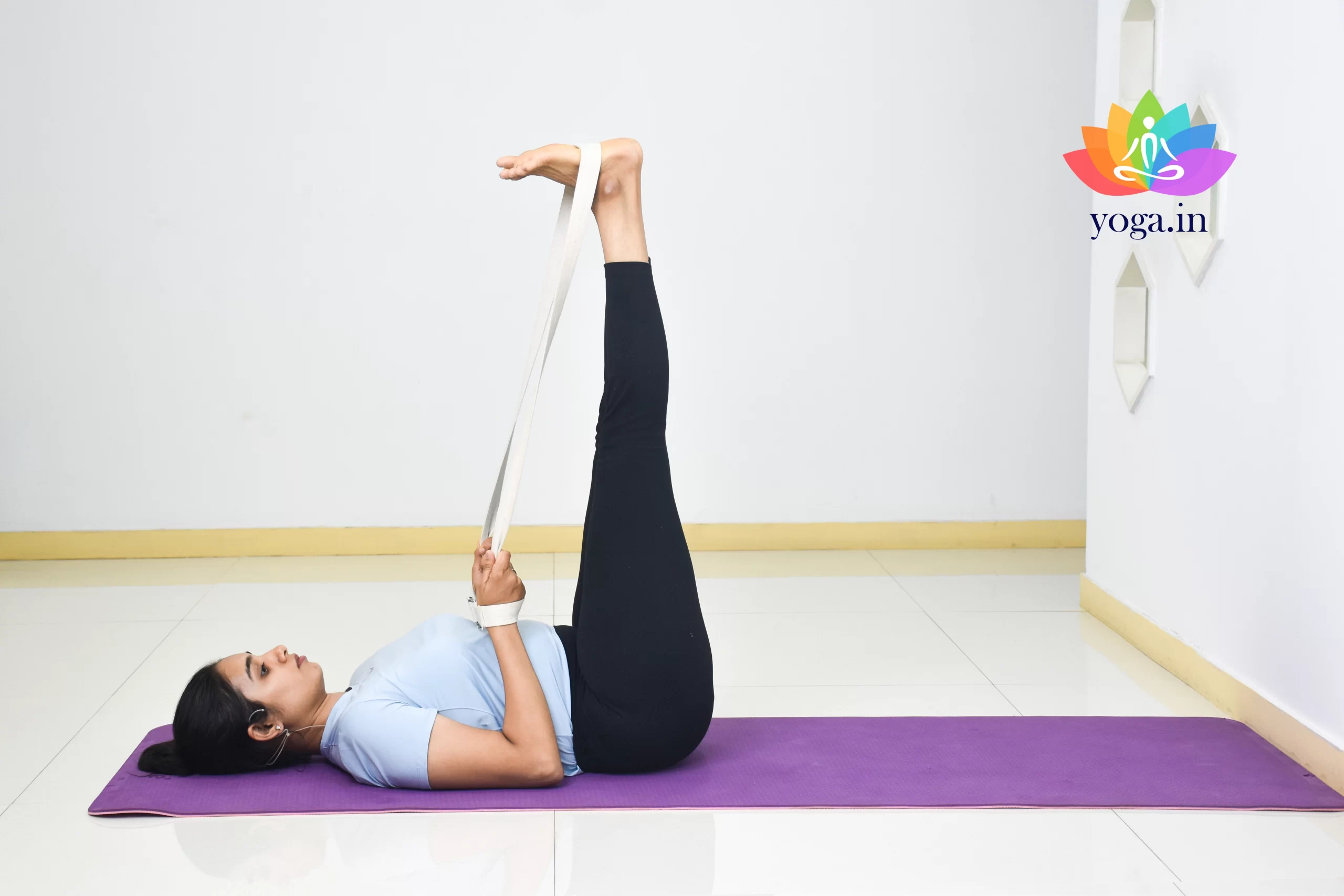
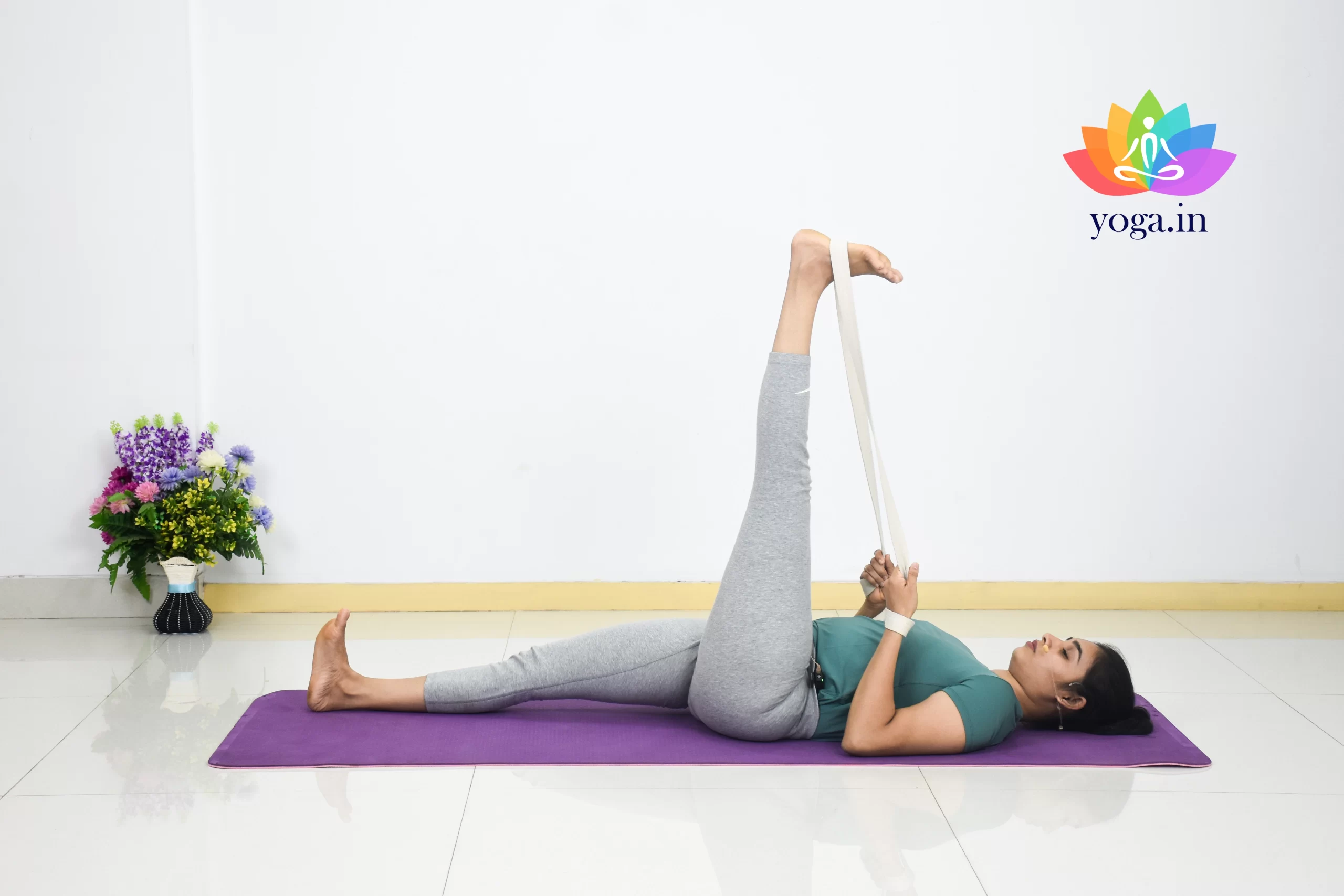
  • Supta Padangushthasana for varicose veins: Stretches the legs and improves blood circulation, helping alleviate discomfort from varicose veins. Keeping the legs elevated in this pose supports venous return and reduces swelling.
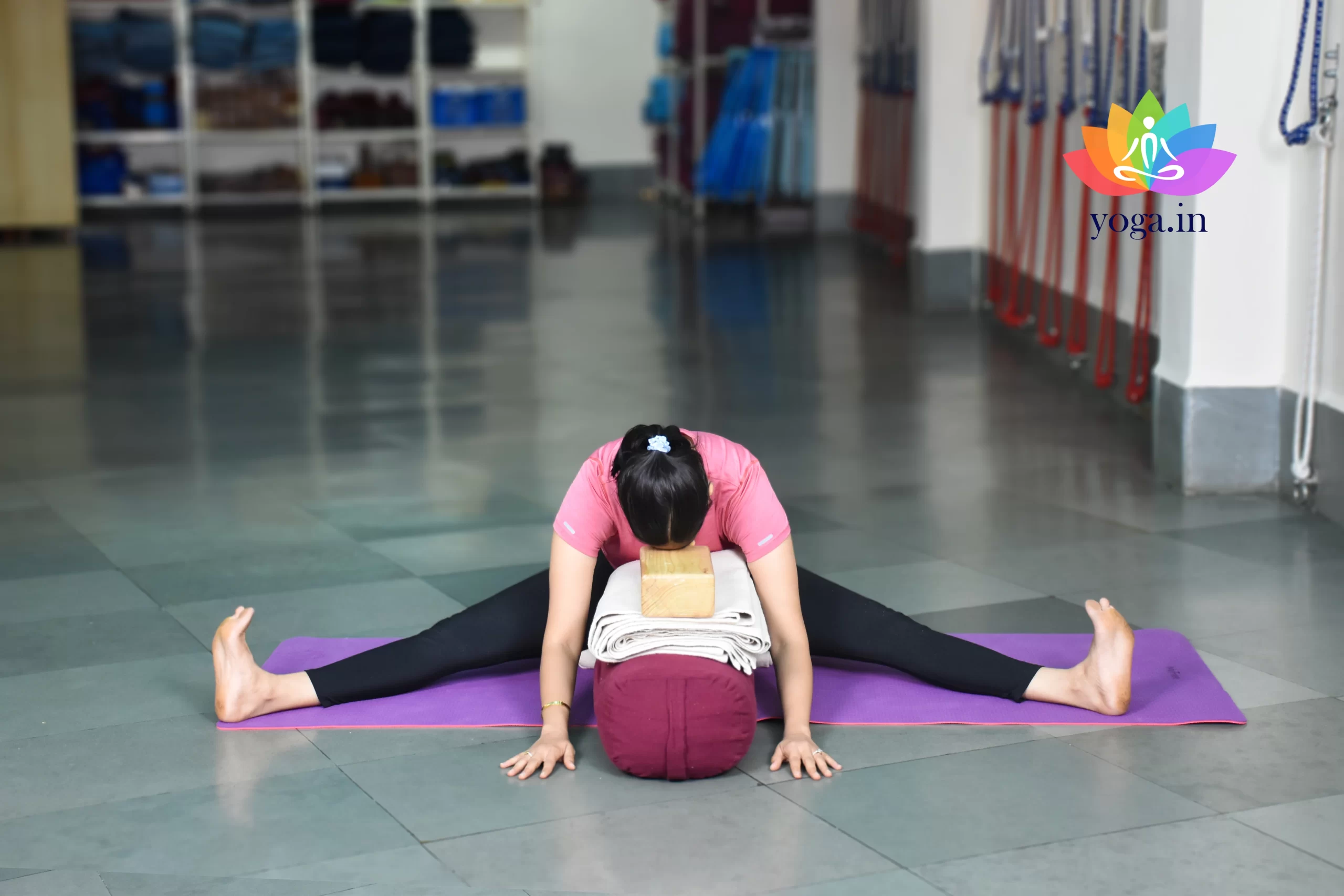
  • Upvishta Konasana for varicose veins: Gently stretches the legs and improves circulation, which can help relieve discomfort from varicose veins. Practicing with proper support can further reduce strain on the legs.
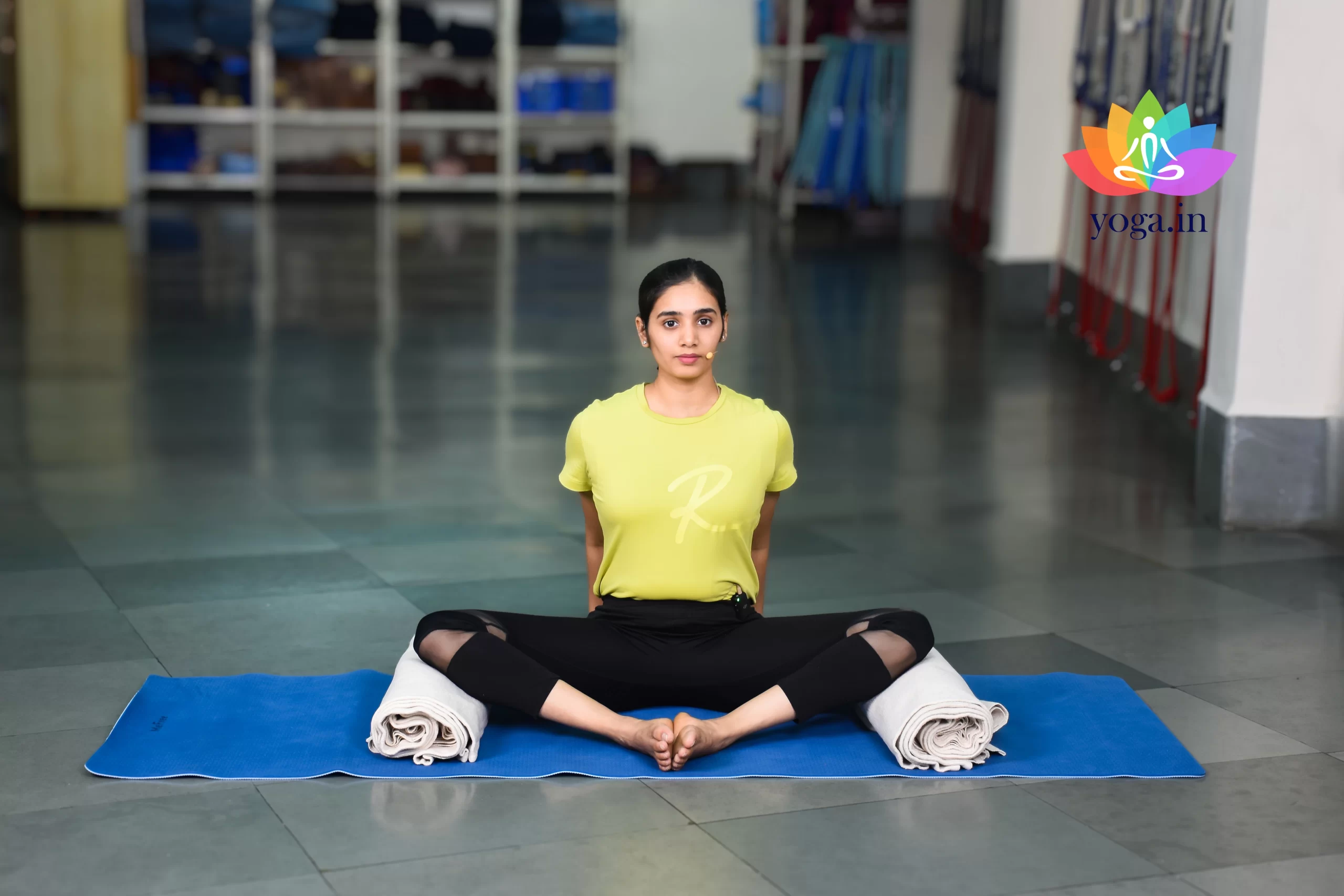
  • Baddha Konasana for varicose veins: promotes circulation in the legs and alleviates tension, making it beneficial for managing varicose veins. Practicing gently helps reduce leg discomfort and improves flexibility.
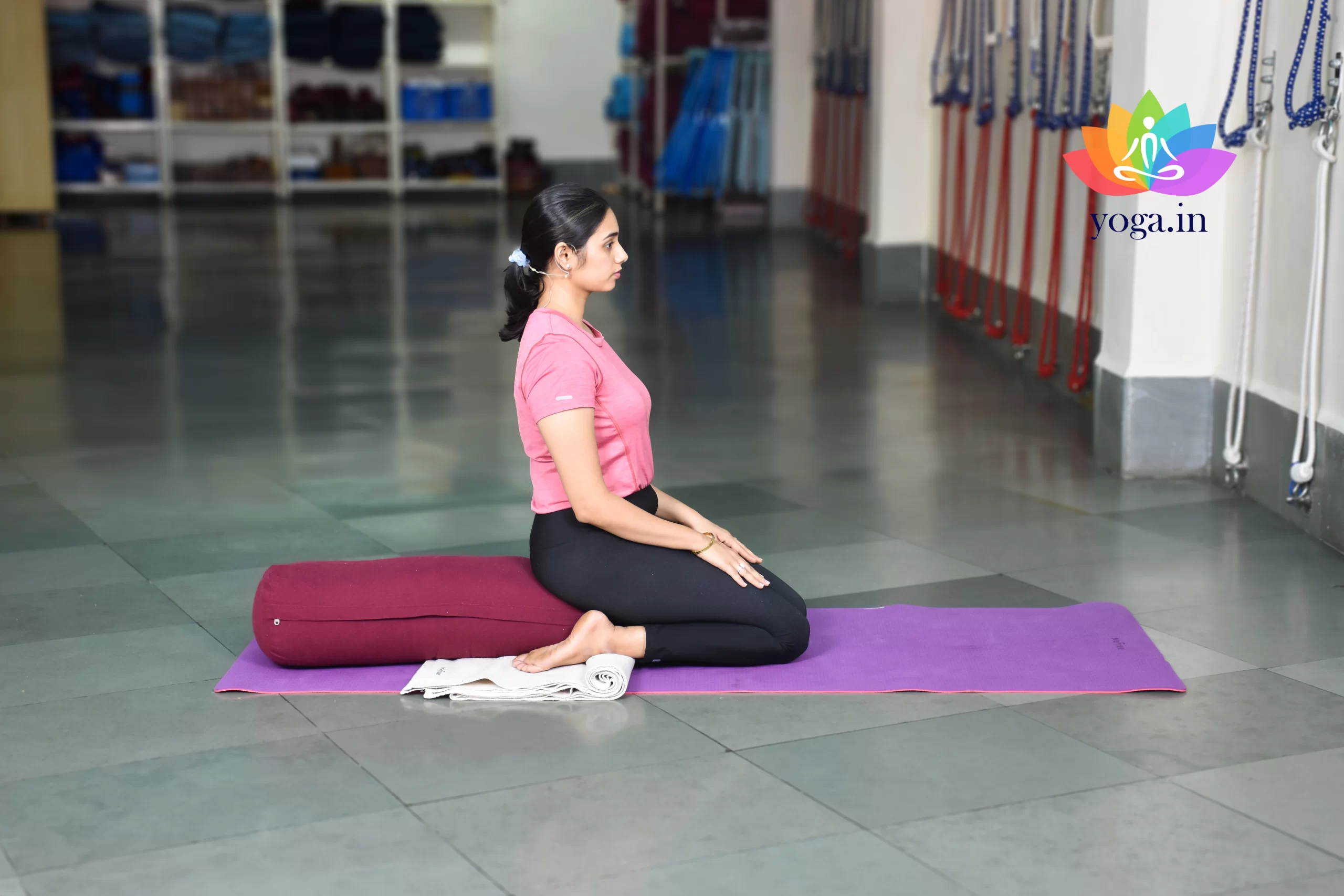
  • Virasana for varicose veins: Helps improve circulation in the legs and relieves tension, making it beneficial for managing varicose veins. However, prolonged sitting should be avoided if it causes discomfort in the legs.
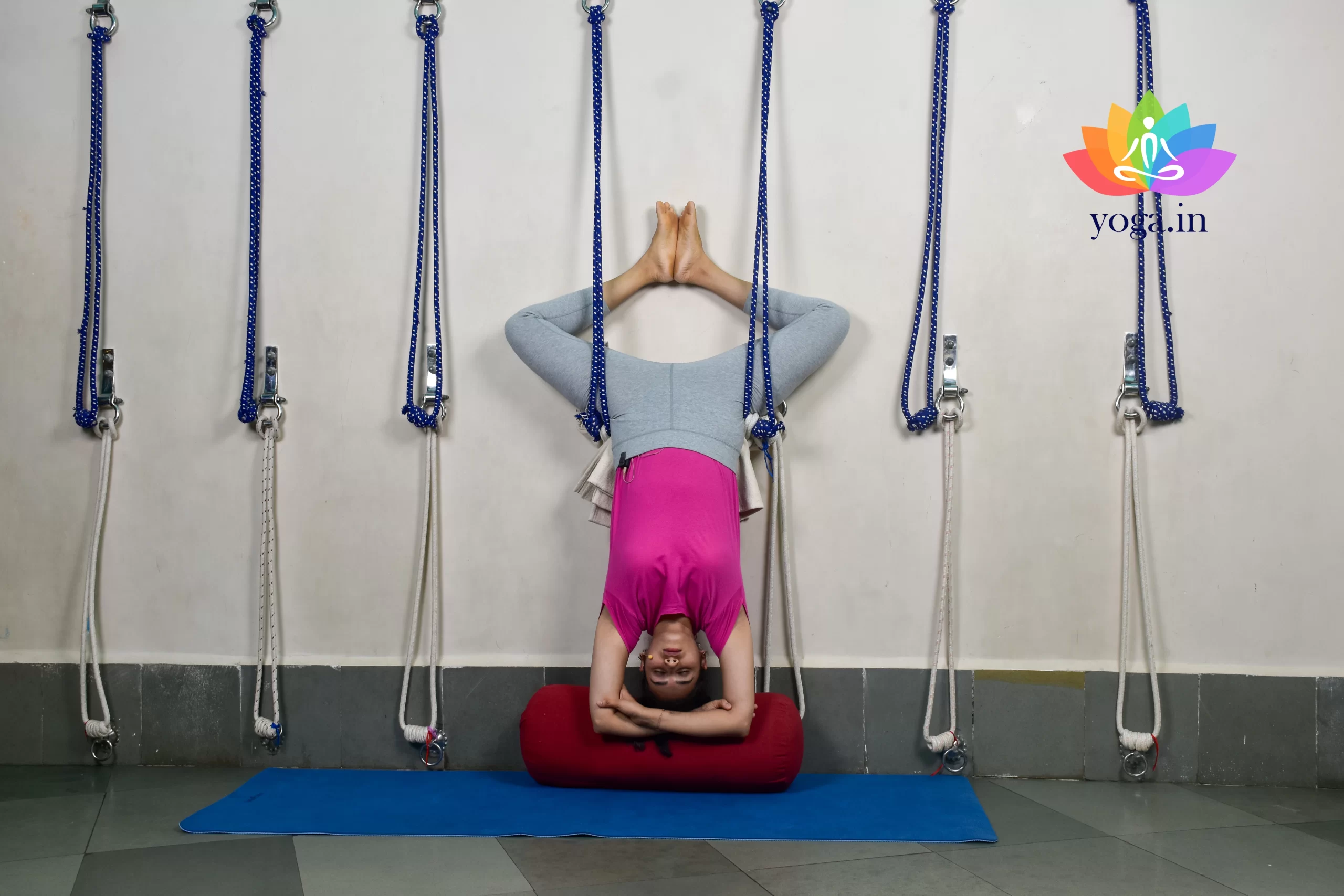
  • Sirsasana for varicose veins: Encourages venous return by reversing blood flow, which can alleviate pressure from varicose veins. However, it should be practiced cautiously, especially for beginners or those with severe vein issues, to avoid strain.
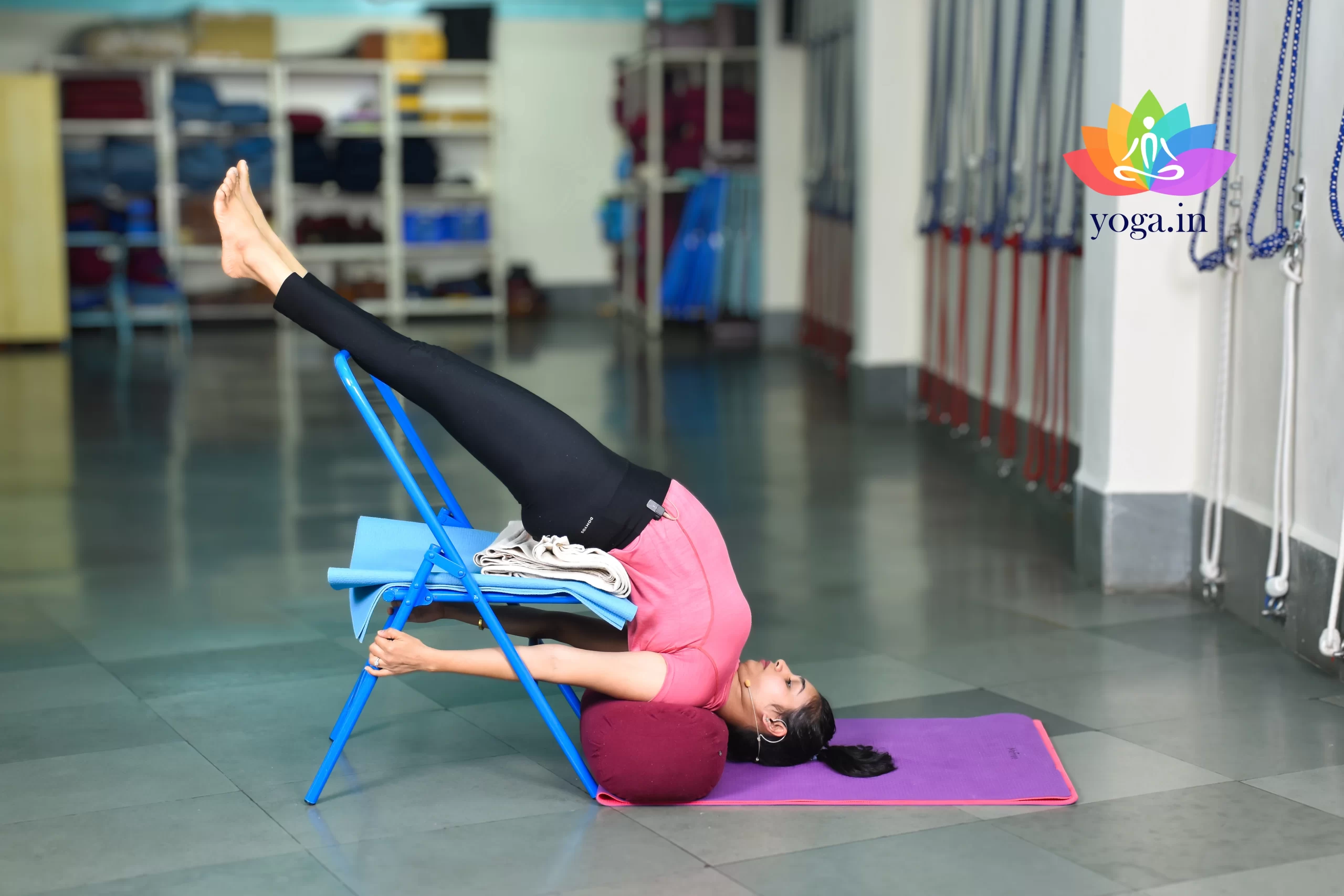
  • Salamba Sarvangasana for varicose veins: Inverts the body, encouraging blood circulation and reducing leg swelling.
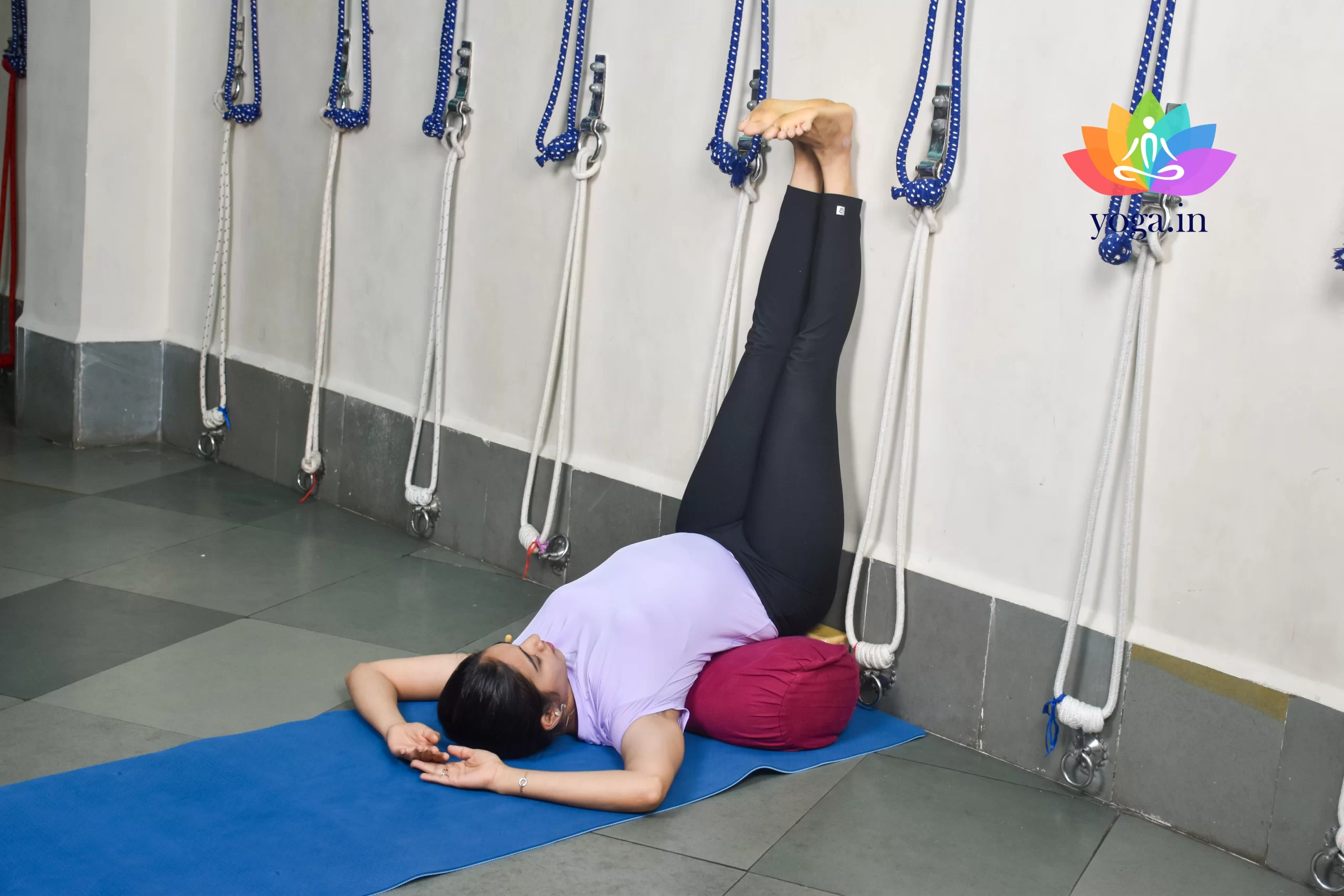
  • Viparita Karani for varicose veins: Promotes blood flow from the legs to the heart, relieving pressure on veins.
Pranayama for Varicose Veins
  • Kapalbhati: Improves overall blood circulation and oxygenation, reducing pressure on leg veins. 
  • Anulom Vilom Pranayama: Balances the nervous system, promoting optimal blood flow and easing vein-related discomfort. 

Leave a Reply

Video Tutorial Series

Ailments Category

Advance Search

Recent Ailments

Video Tutorial Series

✕

Login to Like

Please login with social account to support this post.

[nextend_social_login]

Find Your Videos

Choose a category