PCOS

Regulate Hormones and Manage PCOS Symptoms with Yoga

What is PCOS (Polycystic Ovary Syndrome)?

Polycystic Ovary Syndrome (PCOS) is a hormonal imbalance affecting 1 in 10 women of childbearing age. It disrupts the body’s production of reproductive hormones, leading to irregular or absent periods, excess male hormones (androgens), and the development of small cysts in the ovaries. While the exact cause of PCOS is unknown, genetic and environmental factors likely contribute.
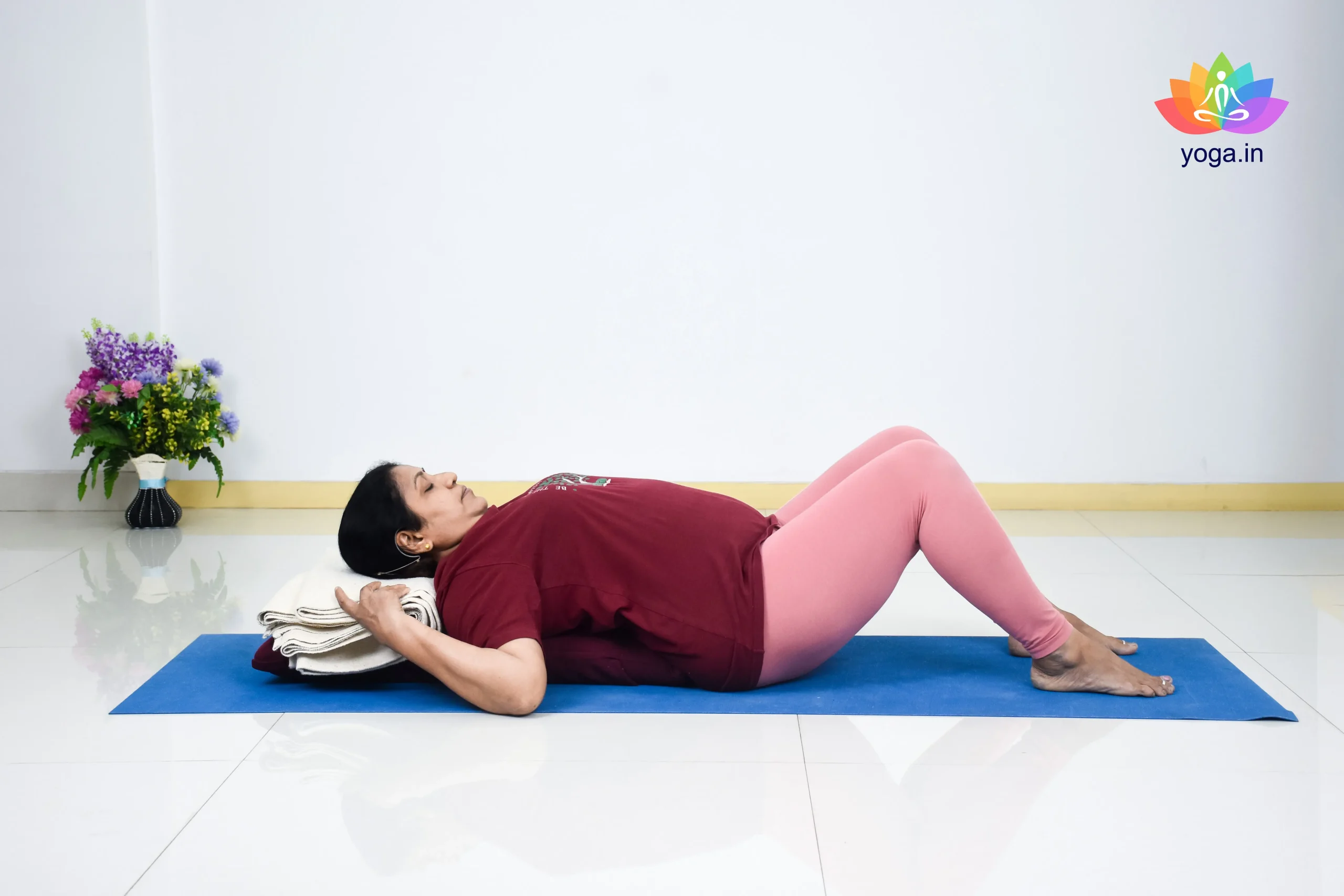
Symptoms of PCOS
  • Menstrual irregularities: Infrequent, irregular, or absent periods due to hormonal imbalances.
  • Excessive hair growth: Unwanted hair growth on areas typically associated with male hormones (face, chest, abdomen, back).
  • Acne breakouts: Oily skin and frequent acne, often on the face, back, and chest.
  • Hair loss and thinning: Thinning hair or male-pattern baldness, particularly on the scalp.
  • Weight concerns: Difficulty losing weight or unexplained weight gain due to hormonal influence on metabolism.
  • Skin changes: Darkened patches of skin, especially in areas like the back of the neck, armpits, and groin.
  • Fatigue and tiredness: Feeling drained and lacking energy due to hormonal imbalances.
  • Infertility challenges: Difficulty getting pregnant due to irregular ovulation or other factors associated with PCOS.
Yoga Asanas for PCOS
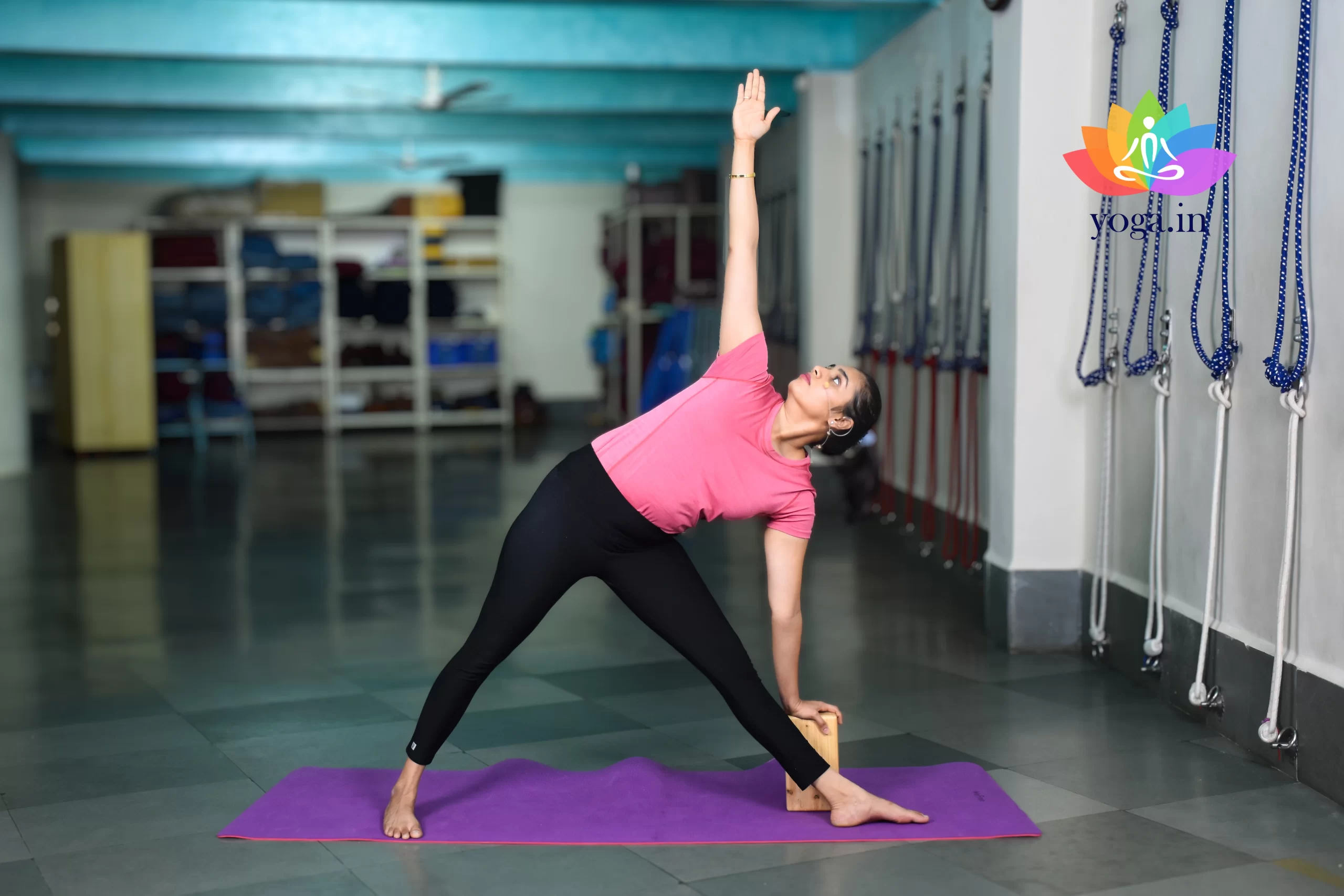
  • Utthita Trikonasana (Tringle Pose): Stimulates the abdominal organs, improves hormonal balance, and enhances circulation, which can help alleviate symptoms of PCOS. It also strengthens the pelvic region and promotes overall physical and mental well-being.
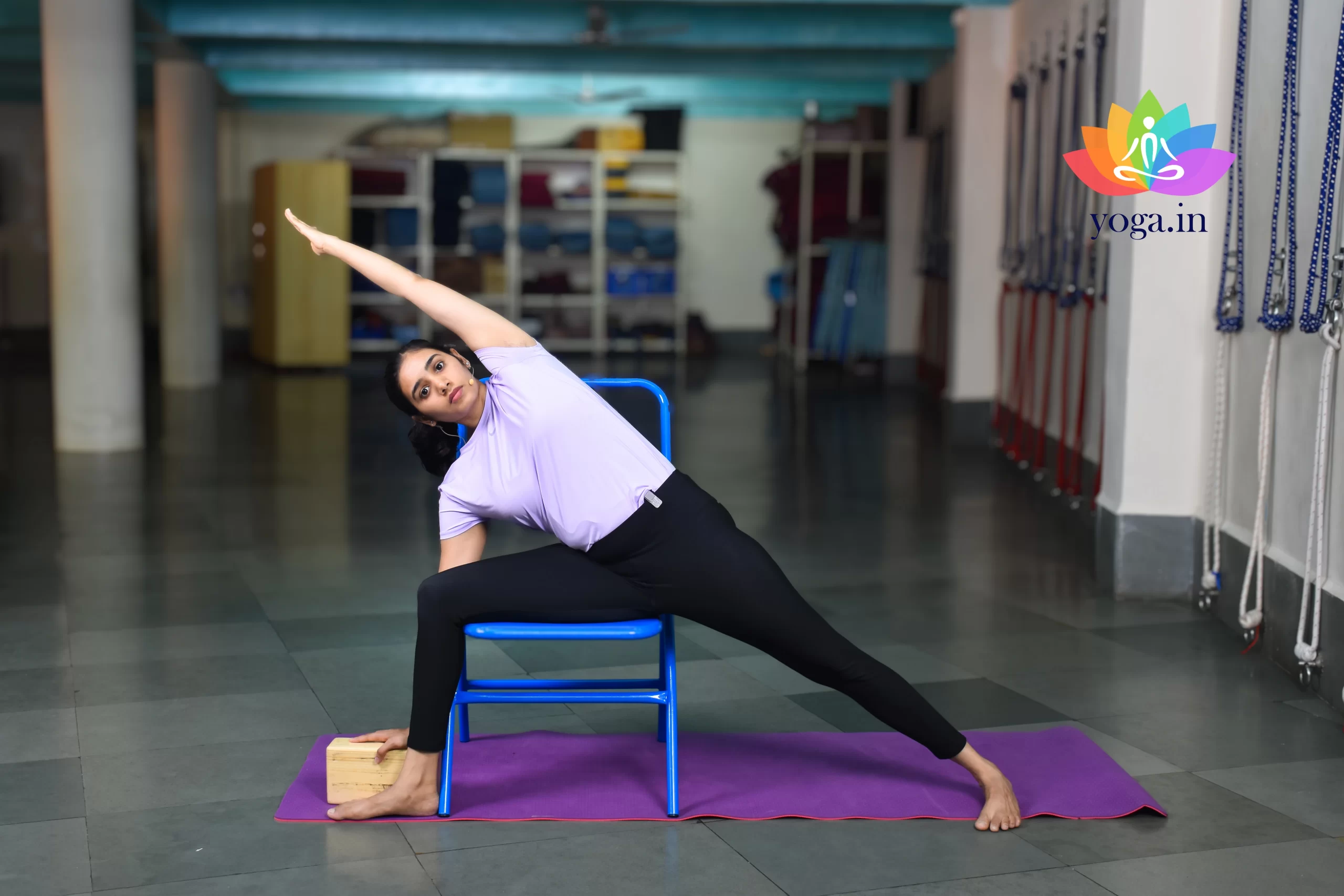
  • Utthita Parsvakonasana (Extended Lateral Angle Pose): Stimulates the abdominal and pelvic organs, promoting hormonal balance and improving circulation. It strengthens the lower body and supports the management of PCOS symptoms effectively.
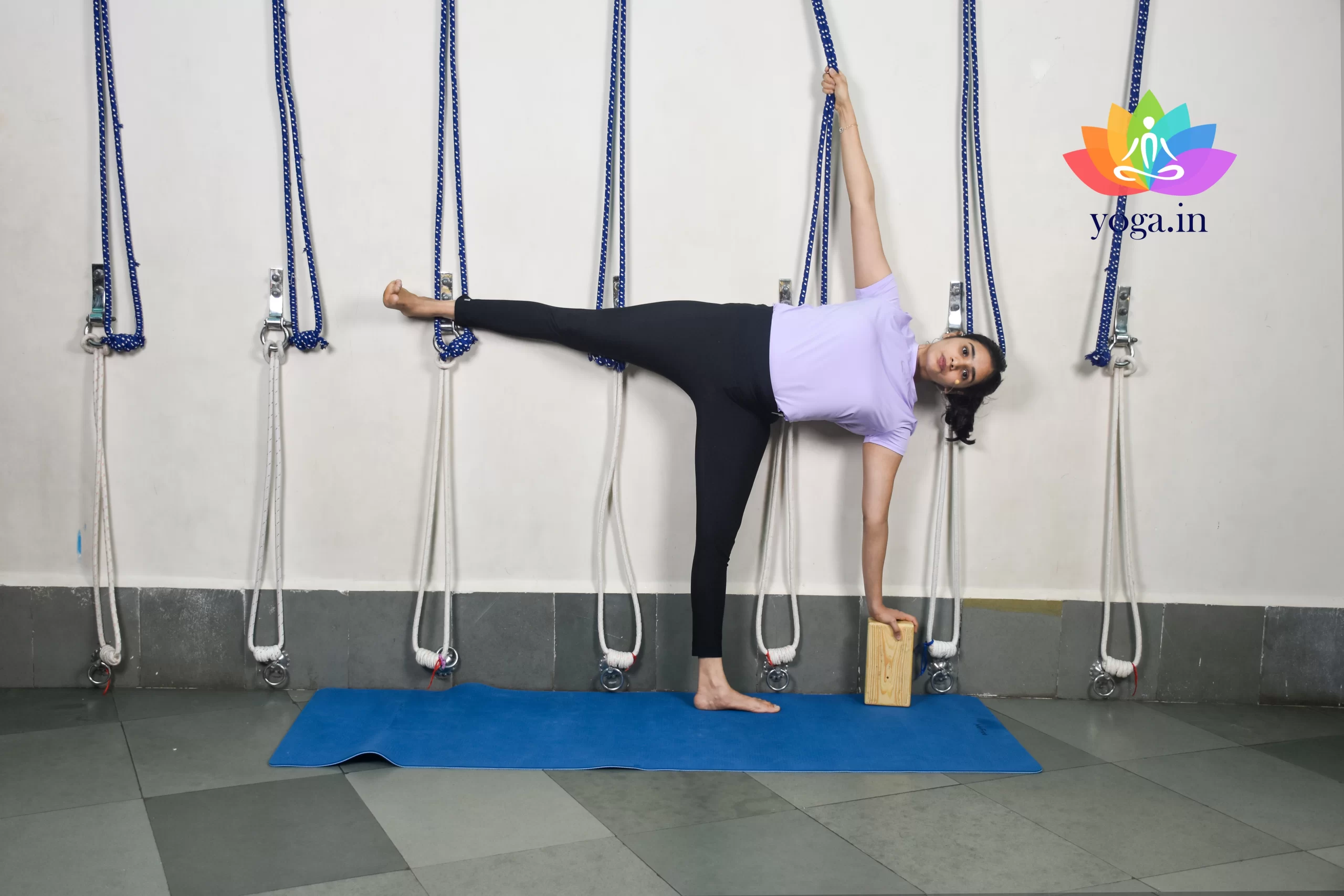
  • Ardha Chandrasana (Half Moon Pose): Enhances balance and core strength, stimulates the abdominal organs, and improves blood flow to the pelvic region, supporting hormonal balance and helping to manage PCOS symptoms.
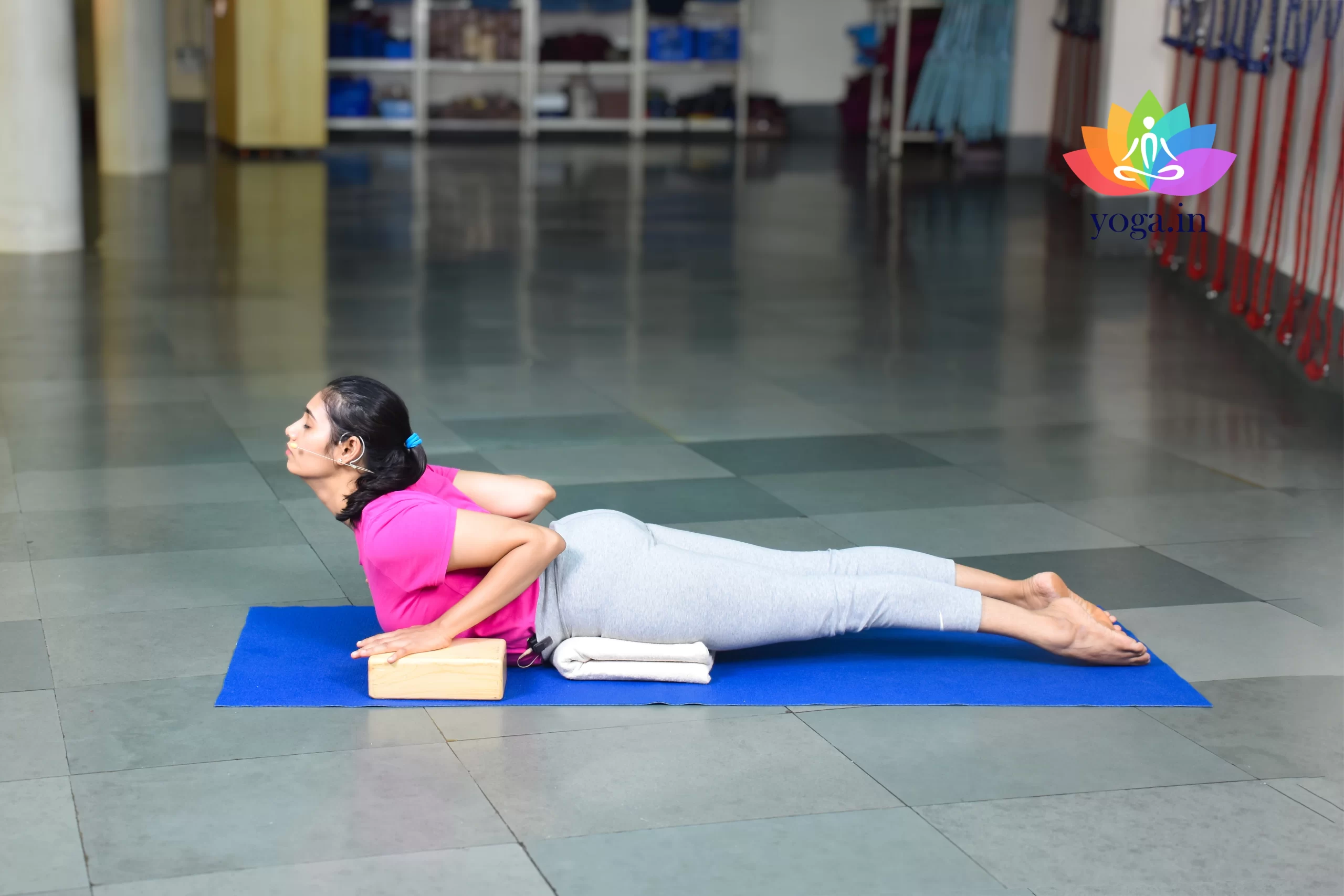
  • Bhujangasana (Cobra Pose): Stimulates the ovaries and uterus, enhances blood flow to the pelvic region, and helps regulate hormones, making it beneficial for managing PCOS symptoms. It also strengthens the spine and relieves stress.
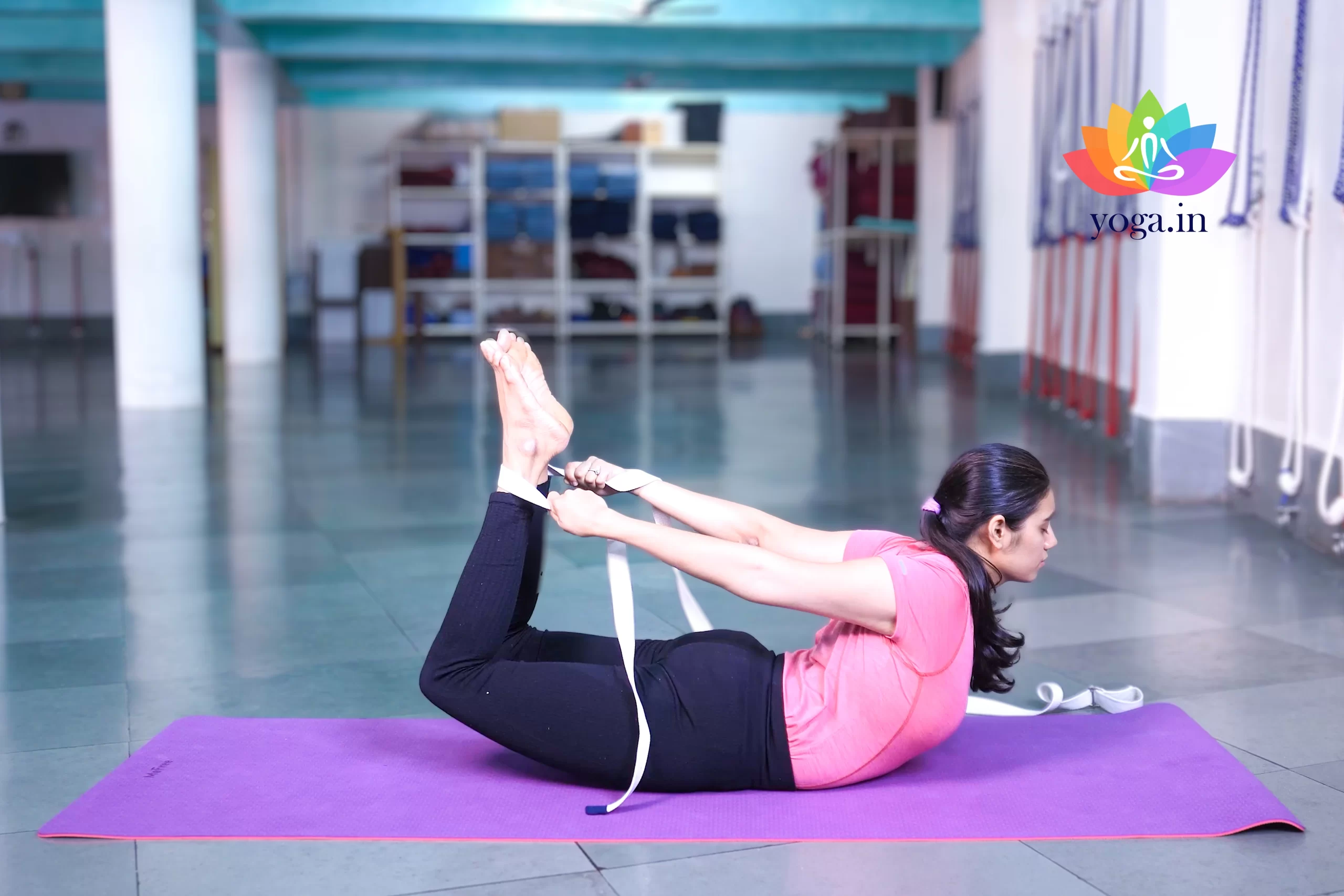
  • Dhanurasana (Bow Pose): Stimulates the reproductive organs, improves blood circulation in the pelvic region, and helps regulate hormonal balance, making it beneficial for alleviating PCOS symptoms. It also strengthens the back and relieves stress.
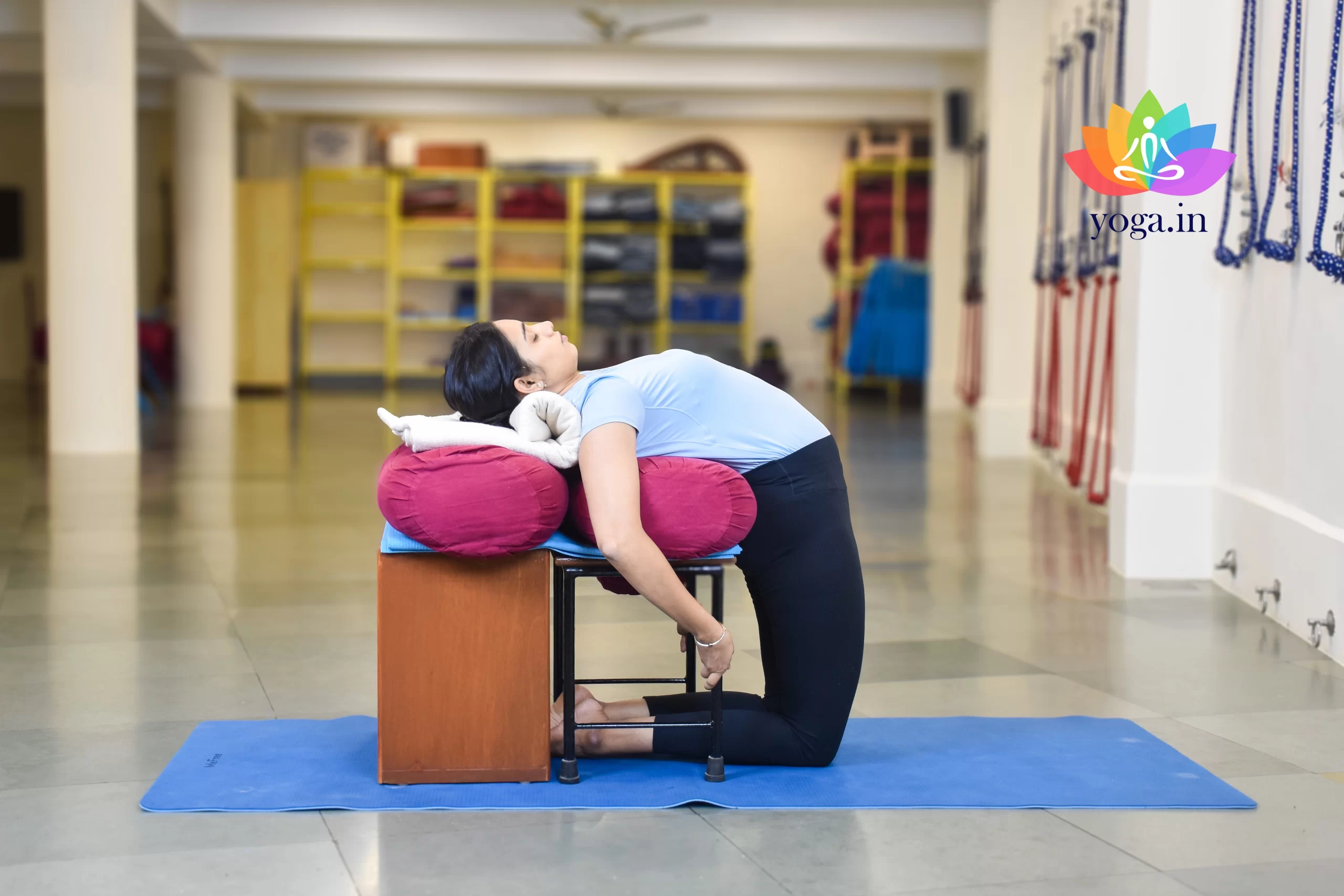
  • Ushtrasana (Camel Pose): Opens the chest and stimulates the thyroid gland, potentially balancing hormones.
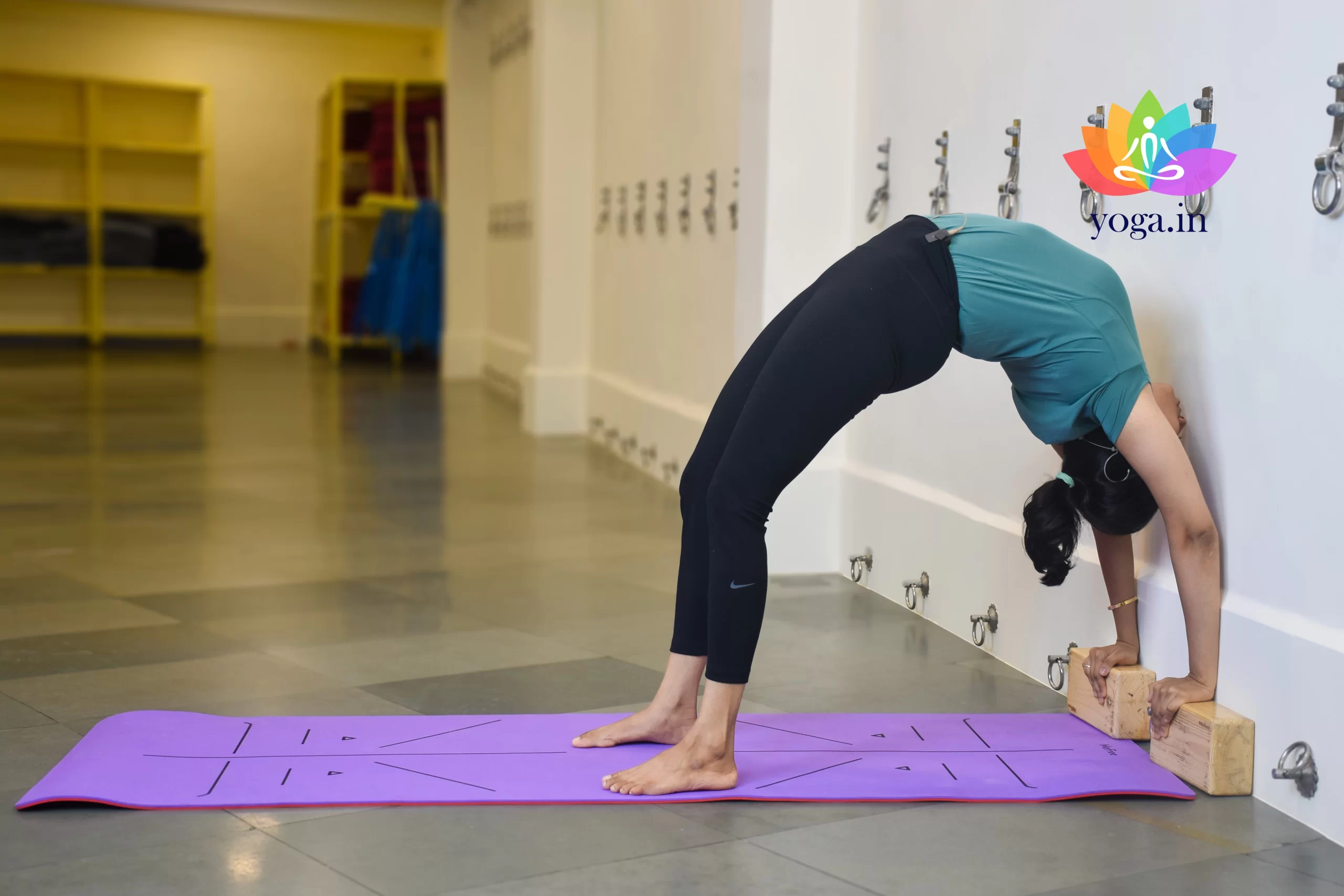
  • Urdhva Dhanurasana (Upward Bow Pose): Boosts blood circulation to the pelvic region, stimulates the reproductive system, and promotes hormonal balance, helping to manage PCOS symptoms. It also enhances flexibility and reduces stress.
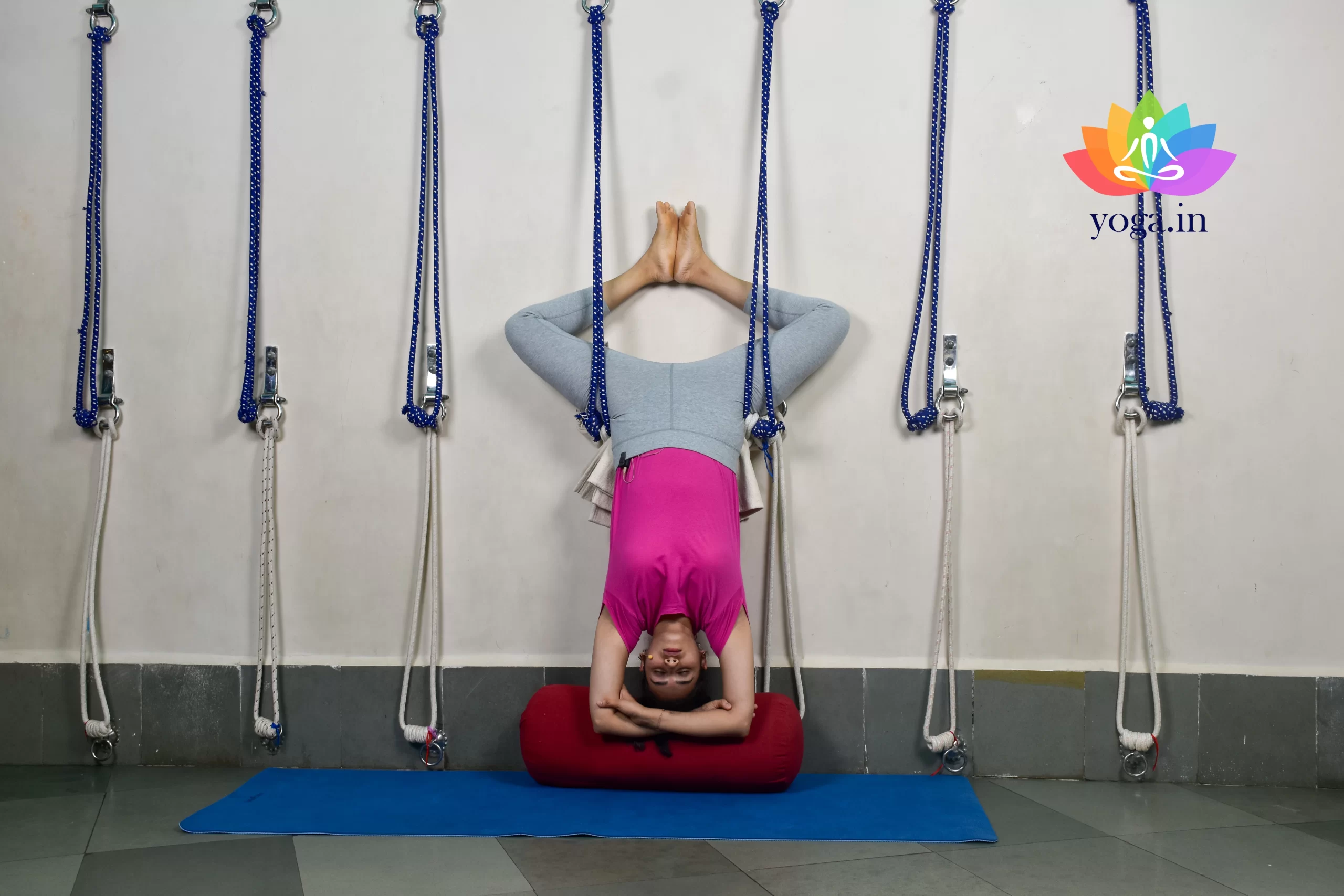
  • Sirsasana (Headstand): Improves blood flow to the brain and endocrine glands, aiding in hormonal balance and stress reduction, which are beneficial for managing PCOS symptoms. It also enhances overall circulation and mental focus.
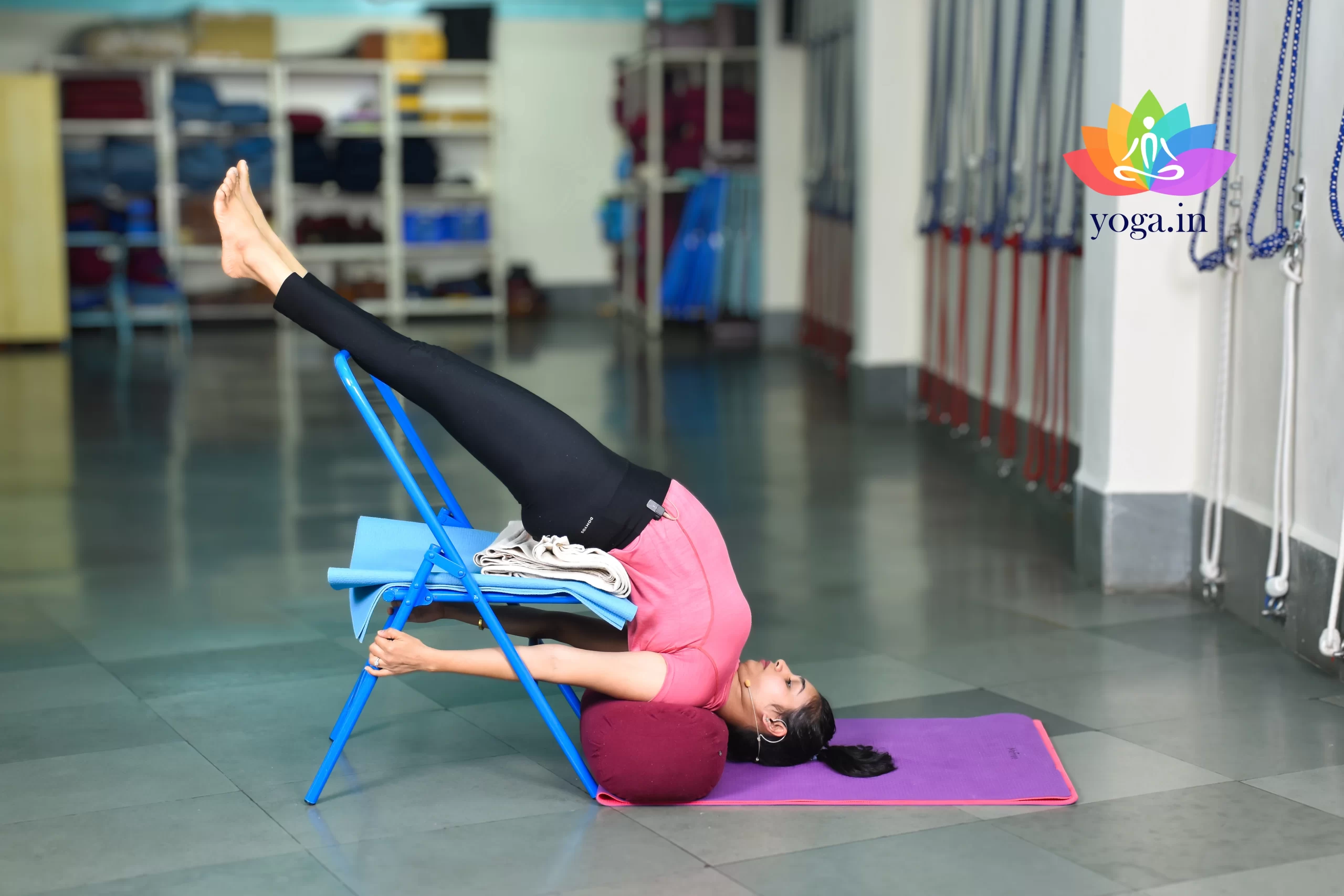
  • Salamba Sarvangasana (Shoulder Stand): Stimulates the thyroid and pituitary glands, promoting hormonal balance and improving metabolism, making it beneficial for managing PCOS symptoms while enhancing overall circulation.
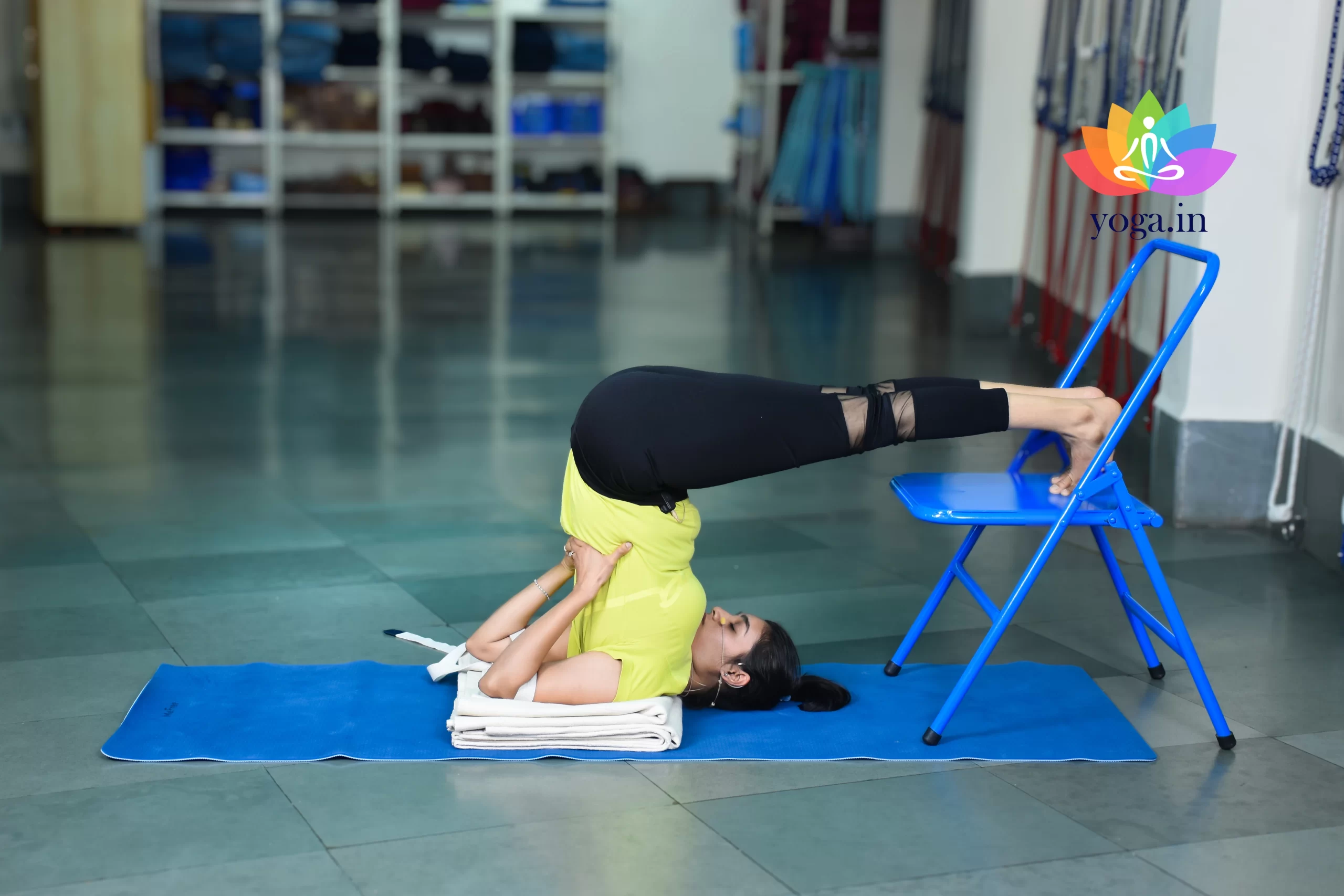
  • Halasana (Plow Pose): Helps to improve blood circulation to the pelvic region, stimulates the thyroid and ovaries, and can support hormonal balance, making it beneficial for women with PCOS in regulating menstrual cycles and relieving stress.
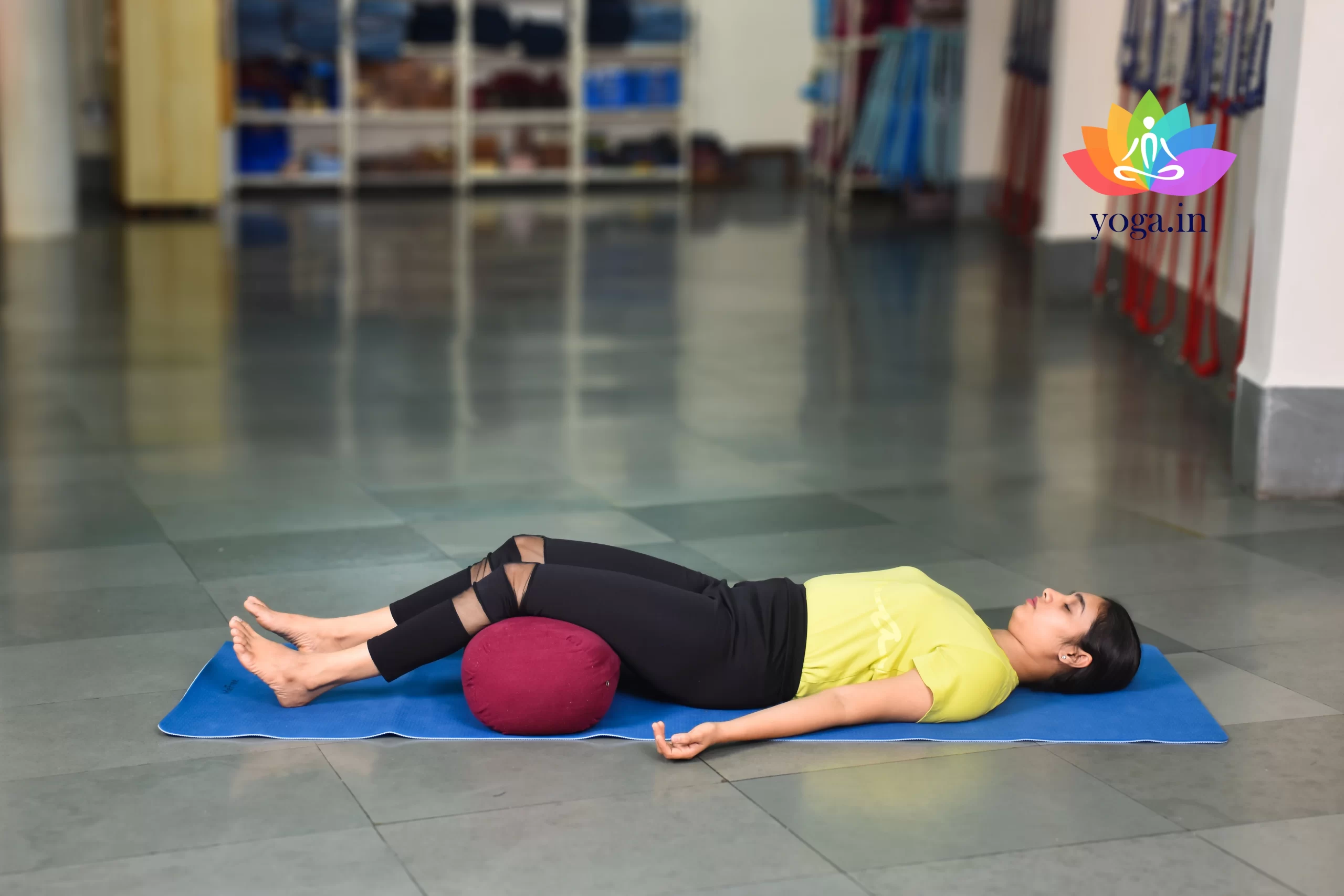
  • Savasana (Corpse Pose): Deeply relaxing pose that helps reduce stress and anxiety, which are often linked to PCOS. By promoting relaxation and balancing the nervous system, it can help manage symptoms like hormonal imbalances, irregular periods, and mood swings commonly associated with PCOS.
Pranayama for PCOS
  • Ujjayi Pranayama (Victorious Breath): Calms the mind and regulates the nervous system.
  • Anulom Vilom Pranayama (Alternate Nostril Breathing): Balances the hemispheres of the brain and aids stress reduction.
Pranayama
  • Anulom Vilom Pranayama (Alternate Nostril Breathing): Balances the hemispheres of the brain and promotes relaxation.

Leave a Reply

Video Tutorial Series

Ailments Category

Advance Search

Recent Ailments

Video Tutorial Series

✕

Login to Like

Please login with social account to support this post.

[nextend_social_login]

Find Your Videos

Choose a category