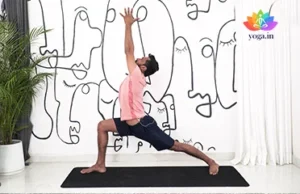
Virabhadrasana I (Warrior I Pose)
The Sanskrit name is derived from Vira (विरा) means hero, Bhadra (भद्रा )means friend and āsana…
Explore →
Yoga poses for sleeplessness are gentle bedtime moves that calm the mind and body, alongside good sleep habits.
Browse All Poses
The Sanskrit name is derived from Vira (विरा) means hero, Bhadra (भद्रा )means friend and āsana…
Explore →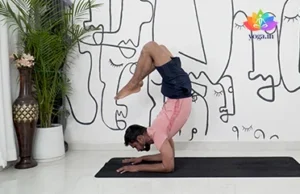
वृश्चिकासन
Vrischikasana — the Scorpion Pose — is an expert-level inverted backbend in which the practitioner balances…
Explore →Yoga poses for sleeplessness are gentle postures that calm the mind and help the body wind down. They do not cure insomnia. This page lists safe poses by level, sleep tips and when to see a GP.
Understanding the Category
Sleeplessness, or insomnia, means trouble falling or staying asleep. Stress is a common cause. Yoga does not cure it. Slow poses may calm the nervous system and make a bedtime routine easier.
These poses fall into three groups:
Practice in the evening. Keep every move slow and gentle.
Why Practice
Suitability
Contraindications
Safety Note: Always consult a qualified yoga teacher and your healthcare provider before practising if you have existing medical conditions, injuries, or are pregnant.
By Level
Anatomy
Practice Tips
Common Questions
Yoga does not cure insomnia. Gentle poses and slow breathing may calm the nervous system and ease stress. Use them with good sleep habits and medical advice.
Savasana, Balasana, Paschimottanasana and Viparita Karani are calm options. Hold each for 30 to 60 seconds and breathe slowly.
Practice 30 to 60 minutes before bed in a dim, quiet room. Avoid vigorous poses late in the evening. Keep the same routine each night.
Avoid strong inversions such as Headstand and Shoulderstand, and vigorous poses before bed. They can raise alertness. Forceful breathing is also best skipped.
Keep a regular sleep time, a dark quiet room and a wind down hour. Avoid caffeine, alcohol, nicotine and screens late in the day. Exercise earlier in the day.
See a GP if sleep problems last for months or make daily life hard. Go sooner for loud snoring, pauses in breathing or low mood. A GP can look for causes and suggest therapy.
Keep Exploring
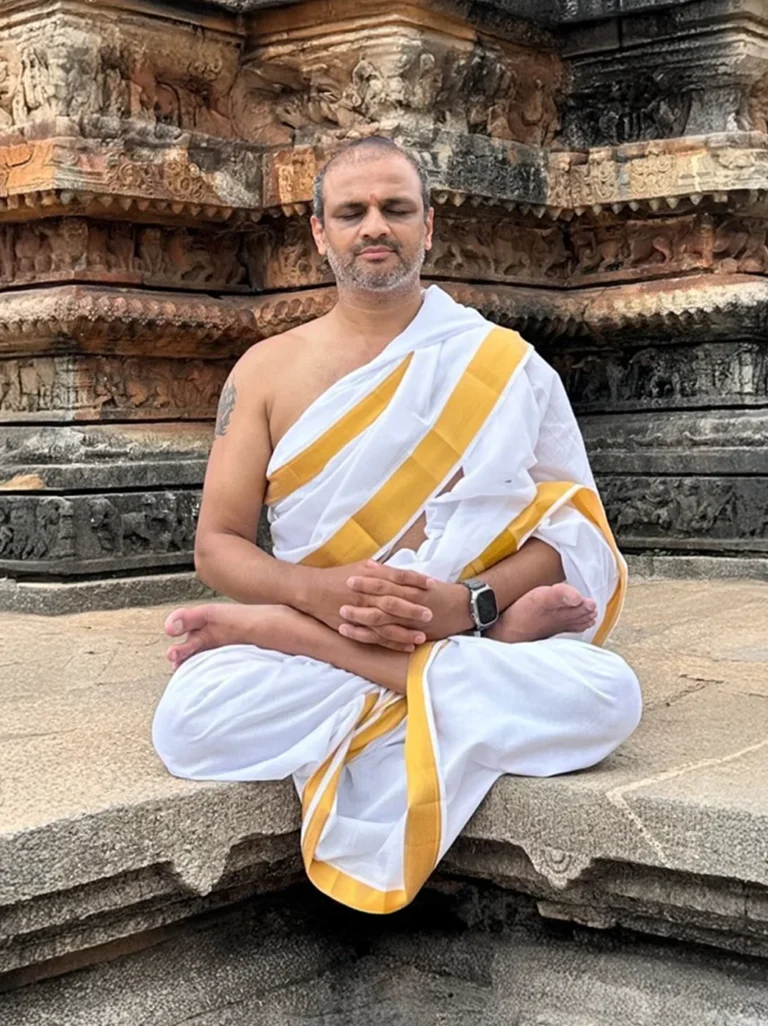
An Inspiring Journey of Dedication, Tradition, and Global Influence In the vast realm of yoga, a few names resonate as…
Read Article →
Teaching yoga offers more than just sharing poses and breathing techniques. Over time, I've seen students grow in ways I…
Read Article →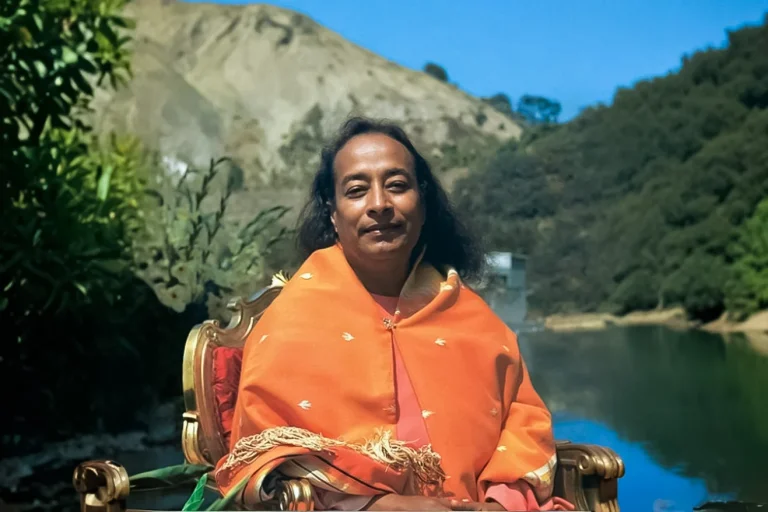
Meditation, for many years, was something I approached casually. I believed it was a tool for stress relief or a…
Read Article →
Have you ever noticed how it’s becoming harder to truly relax, even when nothing is immediately wrong? Weekends don’t feel fully restful, time off comes with…
Read Article →Please login with social account to support this post.