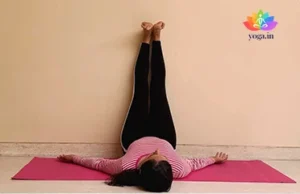
Viparita Karani (विपरीत करणी)
Viparita Karani
The Sanskrit name is derived from Viparita (विपरिता) meaning inverted and Karani (करणी) meaning action.
Explore →
Gentle yoga poses that ease neck and shoulder tension behind headaches, alongside your doctor's advice.
Browse All Poses
Viparita Karani (विपरीत करणी)
The Sanskrit name is derived from Viparita (विपरिता) meaning inverted and Karani (करणी) meaning action.
Explore →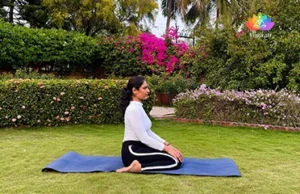
वीरासन
This page explains virasana, the Hero Pose, for learners searching how to practise this kneeling seat…
Explore →Yoga poses for recurrent headaches and migraine are gentle moves that ease neck, shoulder and face tension. They may help calm triggers such as stress. They do not treat migraine. This page lists safe poses by level, practice tips and warning signs. It does not replace medical care.
Understanding the Category
Recurrent headaches and migraine often come with a tight neck, tense shoulders and stress. Poses cannot stop a migraine attack. These poses relax the neck, face and shoulders and slow the breath. They work best between attacks.
Why Practice
Suitability
Contraindications
Safety Note: Always consult a qualified yoga teacher and your healthcare provider before practising if you have existing medical conditions, injuries, or are pregnant.
By Level
Anatomy
Practice Tips
Common Questions
Yes, gentle yoga may ease tension headaches by relaxing the neck and shoulders and lowering stress. It does not replace treatment. Check with your doctor, especially for frequent headaches.
Yoga cannot stop an attack. Regular practice between attacks may help lower stress and neck tension, which can be triggers. Rest in a dark, quiet room during an attack.
Savasana, Supta Baddha Konasana, Viparita Karani and Sukhasana relax the body and slow the breath. Add Marjariasana and Setubandhasana when you feel steady.
Avoid inversions, strong neck rolls, hot yoga and breath holds. Do not practice during an attack. Stop at once if a headache starts or grows.
Practice 10 to 15 minutes, once a day if you can. Short, regular sessions work best. Keep the room quiet and cool.
Get urgent help for a sudden, severe headache, or a headache with fever, stiff neck, confusion or weakness. See a doctor if headaches are new or getting worse. Yoga does not replace care.
Keep Exploring
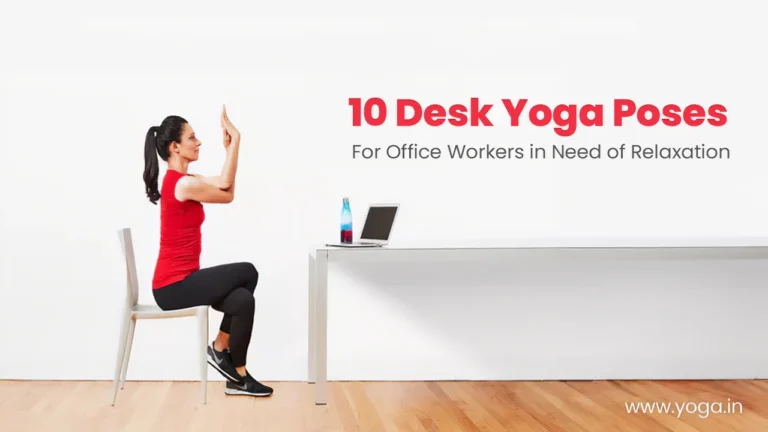
In today's fast-paced work environment, many office workers find themselves glued to their desks for hours on end. Prolonged sitting…
Read Article →
“Through practice of the limbs of Yoga, whereby impurities are eliminated, there arises enlightenment.” - Yoga Sutras of Patanjali Yoga is more than just asana practice; it goes beyond the physical aspect of it. It…
Read Article →
- By Dilasha Sethi High blood pressure is often called a “silent condition” because it can develop gradually without obvious…
Read Article →Please login with social account to support this post.