
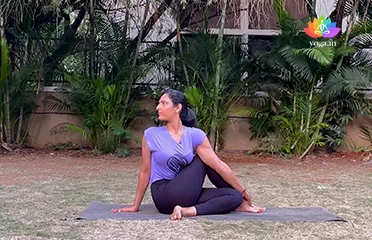
Matsyendrasana (Lord of the Fishes Pose)
मत्स्येन्द्रासन / Lord of the Fishes Pose
The name Matsyendrasana is derived from the Sanskrit words Matsya (मत्स्य) [¡K]


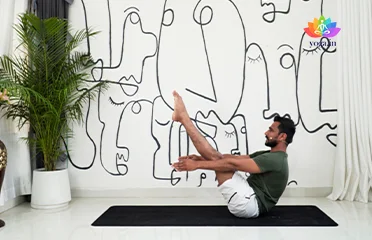
Naukasana (Boat Pose)
नौकासन / Boat Pose
The Sanskrit name is derived from Nava ( नाव) meaning boat and asana (आसन) [¡K]

Parsvakonasana (Extended Lateral Angle P
पार्श्वकोनासन / Extended Lateral Angle Pose
The Sanskrit name is derived from Parsva (पार्श्व) meaning side, [¡K]

Paschimottanasana (Seated Forward Bend)
पश्चिमोत्तानासन / Seated Forward Bend
The Sanskrit name is derived from three sanskrit words: Paschima (पश्चिमा) [¡K]

Prasaritta Padottanasana (Wide-Legged Fo
प्रसारिता पदोत्तनासन / Wide-Legged Forward Bend
The Sanskrit name is derived from Prasārita (प्रसारित) meaning [¡K]

Sarvangasana (Shoulderstand)
सर्वाङ्गासनI / Shoulderstand
The Sanskrit name is derived from Sarva (सर्वाङ्ग) meaning all, [¡K]

Setubandhasana (Bridge Pose)
सेतु बन्धासन / Bridge Pose
The Sanskrit name is derived from Setu (सेतु) meaning bridge, Bandha [¡K]

Shalabhasana (Locust Pose)
सलभासन / Locust Pose
The Sanskrit name is derived from Shalabha (शलभा) meaning locust and [¡K]
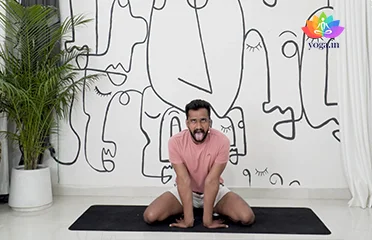
Simhasana (Lion Pose)
सिंहासना / Lion Pose
The Sanskrit name is derived from Simha (सिंहा) which means lion and [¡K]

Sirsasana (Headstand)
शीर्षासन / Headstand
The Sanskrit name is derived from Sirsa (शीर्ष) meaning head and asana [¡K]
- 1
- 2
- 3
- 4
- 5
How Yoga Can Help Cure Lumbago:
Lumbago, commonly known as lower back pain, is a widespread condition that affects millions of people. It can range from mild discomfort to severe, debilitating pain. Yoga can significantly aid in the treatment and relief of lumbago by improving flexibility, strengthening back muscles, reducing stress, and promoting overall well-being through mindful movements and breath control.
Understanding Lumbago:
Lumbago refers to pain in the lower back region, which can be caused by various factors such as muscle strain, ligament sprains, or underlying spinal conditions. It can be acute (short-term) or chronic (long-term). The pain can interfere with daily activities, making it difficult to move, sit, or stand comfortably.
Yoga’s Role in Relieving Lumbago:
Specific yoga practices can help alleviate the symptoms of lumbago by targeting the muscles and structures that support the lower back. Gentle asanas (postures) can increase flexibility and strength, while pranayama (breathing exercises) and meditation can reduce stress and promote relaxation. This holistic approach helps in managing pain and improving quality of life.
Key Factors Contributing to Lumbago:
Several factors can contribute to the development of lumbago, including:
- Poor Posture: Slouching or improper alignment during activities.
- Muscle Imbalance: Weak or tight muscles around the lower back.
- Sedentary Lifestyle: Lack of physical activity leading to muscle stiffness.
- Heavy Lifting: Incorrect techniques while lifting heavy objects.
- Injury: Trauma or accidents affecting the lower back.
- Degenerative Conditions: Age-related wear and tear such as arthritis.
Symptoms of Lumbago:
Common symptoms of lumbago include:
- Dull Ache: A persistent, low-level pain in the lower back.
- Sharp Pain: Sudden, intense pain during movement.
- Stiffness: Difficulty in bending or moving the back.
- Radiating Pain: Pain that spreads to the legs or buttocks.
- Muscle Spasms: Sudden, involuntary contractions of back muscles.
- Limited Mobility: Reduced ability to perform daily activities due to pain.
Treatment of Lumbago through Yoga and Pranayama:
Yoga and pranayama can be highly effective in managing lumbago. Some beneficial practices include:
Specific Yoga Poses:
- Bhujangasana (Cobra Pose): Strengthens the spine and alleviates pain.
- Adho Mukha Svanasana (Downward-Facing Dog): Stretches and strengthens the entire back.
- Balasana (Child’s Pose): Provides gentle stretching and relaxation.
Pranayama Exercises:
- Anulom Vilom (Alternate Nostril Breathing): Balances the mind and reduces stress.
- Bhramari (Bee Breath): Calms the mind and reduces stress levels.
Diet for Lumbago:
A balanced diet can help manage lumbago. Recommendations include:
- Anti-Inflammatory Foods: Incorporate turmeric, ginger, and leafy greens to reduce inflammation.
- Omega-3 Fatty Acids: Found in fish, flaxseeds, and walnuts, these support joint health.
- Calcium-Rich Foods: Dairy products, almonds, and leafy greens to strengthen bones.
- Hydration: Drink plenty of water to stay hydrated and support overall health.
Caution for Lumbago:
While practicing yoga for lumbago, it is essential to:
- Avoid Overexertion: Practice at a gentle pace to prevent strain on the back.
- Be Mindful of Pain: Stop immediately if any pose causes discomfort or pain.
Always consult with a healthcare provider before starting any new exercise regimen, especially if you have severe lumbago.
Contraindications for Lumbago:
Individuals with severe lumbago or significant back pain should:
- Avoid Intense Yoga Practices: Vigorous exercises might exacerbate symptoms.
- Steer Clear of Certain Poses: Inversions and poses that place pressure on the lower back may increase discomfort.
- Seek Professional Guidance: Consult a yoga therapist or healthcare professional for personalized recommendations.