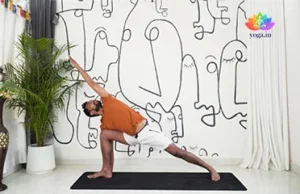
Parsvakonasana (Extended Lateral Angle Pose)
The Sanskrit name is derived from Parsva (पार्श्व) meaning side, Kona (कोना) meaning angle and asana…
Explore →
Yoga poses for hamstring strain restore flexibility and rebuild strength. Gentle recovery for all levels once pain settles.
Browse All Poses
The Sanskrit name is derived from Parsva (पार्श्व) meaning side, Kona (कोना) meaning angle and asana…
Explore →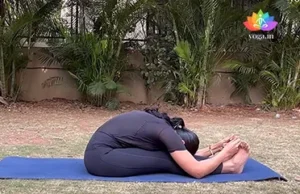
Paschimottanasana (पश्चिमोत्तानासन)
The Sanskrit name is derived from three sanskrit words: Paschima (पश्चिमा) meaning west or back of…
Explore →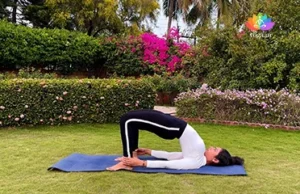
Setu Bandhasana (सेतु बन्धासन)
The Sanskrit name is derived from Setu (सेतु) meaning bridge, Bandha ( बन्धा) meaning lock and…
Explore →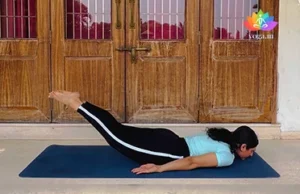
The Sanskrit name is derived from Shalabha (शलभा) meaning locust and āsana (आसन) meaning "posture" or…
Explore →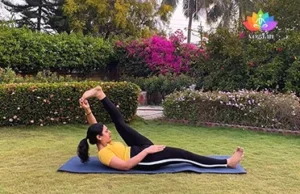
Supta Padangusthasana (सुप्त पादाङ्गुष्ठासन)
The Sanskrit name is derived from Supta (सुप्त) meaning 'supine or recline', 'pada' meaning foot', 'Angustha'meaning…
Explore →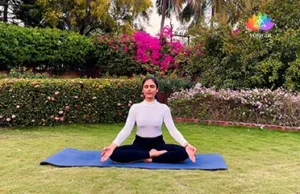
Svastikasana (स्वस्तिकासन)
The Sanskrit name is derived from Swastika (स्वस्तिका) meaning "auspicious" and Asana (आसन) meaning a seat…
Explore →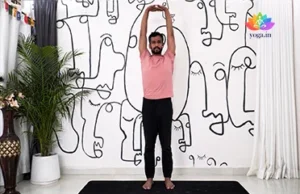
Tadasana (ताडासन)
The sanskrit name is derived from tada (ताड़ा) meaning mountain and āsana (आसन) meaning posture or…
Explore →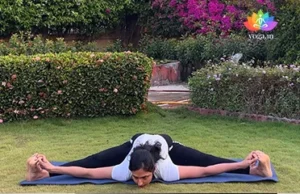
The Sanskrit name is derived from Upavistha (उपविष्ट) means open/seated, Kona (कोना) means angle and asana…
Explore →Yoga poses for hamstring strain are gentle asanas that restore flexibility, rebuild strength and protect the back of the thigh during recovery. This page lists 19 poses from beginner to advanced and explains when to start and which to avoid.
Understanding the Category
These poses support the three hamstring muscles at the back of the thigh in three ways:
Why Practice
Suitability
Contraindications
Safety Note: Always consult a qualified yoga teacher and your healthcare provider before practising if you have existing medical conditions, injuries, or are pregnant.
By Level
Anatomy
Practice Tips
Common Questions
Yoga poses for hamstring strain are gentle asanas that restore flexibility and rebuild strength in the back of the thigh. They start with supported, low-stretch poses and progress slowly. Begin only once acute pain and swelling have settled.
Start once sharp pain and swelling have settled, usually after the first few days for a mild strain. Begin with gentle poses and bent knees. Ask your doctor or physiotherapist before starting after a moderate or severe tear.
Supta Padangusthasana with a strap is the safest stretch, as the back is supported. Setu Bandhasana and Salabhasana rebuild strength without deep stretching. Add forward folds with bent knees once the muscle feels steady.
Not at first. Aggressive stretching can worsen the injury. Use gentle, pain-free stretches with bent knees, and add strength work early. Increase the stretch slowly as healing allows.
Avoid Hanumanasana, deep Paschimottanasana and bouncing stretches until fully healed. Skip any pose that causes sharp pain at the back of the thigh. Return to deep folds only when strength and comfort have returned.
Practise gently once a day or every other day, for 20 to 30 minutes. Regular short sessions help healing and prevent re-injury. Rest on days when the muscle feels sore, and build up slowly.
Please login with social account to support this post.