YOGA.IN | ASANAS | AILMENT

Yoga Poses for Cardiac Issues: Heart Health, Circulation and Recovery Guide

Yoga poses for cardiac issues support heart health and circulation. Suitable for stable patients practising under medical supervision.

10 Poses Covered 3 Skill Levels Safe Practice Tips Included FAQs Answered

Browse All Poses

List of Cardiac Issues

See by level ↓
Sirsasana (Headstand)

Sirsasana (Headstand)

The Sanskrit name is derived from Sirsa (शीर्ष) meaning head and asana (आसन) meaning posture or…

Explore →
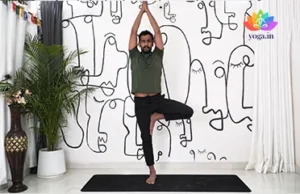
Vrikshasana

Vrikshasana (वृक्षासन)

Vrikshasana

The Sanskrit name is derived from Vriksha (वृक्षा) meaning tree and āsana (आसन) meaning posture or…

Explore →

Yoga poses for cardiac issues are gentle, supervised asanas that support the heart and circulatory system by calming the autonomic nervous system, reducing stress hormones and improving blood flow. This page lists 10 safe poses for stable patients under medical care.

Understanding the Category

What Are Cardiac Issues?

Yoga poses for cardiac issues are carefully selected gentle asanas that reduce the workload on the heart through three main mechanisms:

  • * Autonomic regulation: slow breathing and restorative holds activate the parasympathetic nervous system, lowering heart rate and blood pressure.
  • * Cortisol reduction: passive and meditative poses lower stress hormones that place direct strain on the cardiovascular system.
  • * Improved venous return: gentle movement and supported poses like Viparita Karani assist blood flow back to the heart without demanding extra cardiac output.

These poses suit the opening or closing of a session. Vigorous sequences are never suitable for cardiac patients. All practice must be supervised by a qualified yoga therapist alongside the patient’s medical team.

Why Practice

Benefits of Cardiac Issues

❤️
Lower Resting Heart Rate Restorative holds and slow breath activate the vagus nerve and parasympathetic system. This reduces the resting heart rate and eases the daily load on the cardiac muscle.
🩺
Reduced Blood Pressure Regular gentle yoga has been shown to lower systolic blood pressure over time. Lower blood pressure reduces the risk of further cardiac events in stable patients.
😌
Stress and Cortisol Reduction Savasana, seated meditation and forward folds measurably reduce cortisol. Chronic cortisol elevation raises blood pressure and worsens cardiac conditions.
🌬️
Better Breathing Prone and seated poses strengthen the diaphragm and deepen each breath. More efficient breathing means the heart works less hard with every cycle.
🩸
Improved Circulation Gentle movement and chest-opening poses support healthy blood flow. Better circulation reduces blood pooling and supports overall cardiac efficiency.
🫁
Posture and Chest Space Tadasana and gentle backbends counteract the forward slump of desk posture. Open posture removes mechanical restriction around the heart and lungs.

Suitability

Who Should Practice?

  • Stable cardiac patients cleared by a cardiologist for gentle physical activity
  • People managing mild cardiovascular issues such as mild hypertension or early-stage arrhythmia
  • Those seeking non-strenuous stress reduction to support heart health
  • Older adults wanting to maintain circulation and flexibility under medical guidance
  • People in cardiac rehabilitation programmes approved for yoga as a complementary tool

Contraindications

Who Should Avoid Cardiac Issues?

  • Anyone without explicit cardiologist clearance for gentle physical activity
  • Patients in an acute cardiac event or within weeks of a heart attack without clearance
  • Those with uncontrolled arrhythmias, unstable angina or heart failure in a decompensated state
  • Anyone with uncontrolled blood pressure above 180/110 mmHg
  • Patients with severe cardiac enlargement causing breathlessness at rest
  • Those who have had recent cardiac surgery without confirmed surgical clearance
  • Anyone experiencing chest pain, dizziness or shortness of breath on the day of practice

By Level

Beginner Cardiac Issues

  • Savasana Complete rest; lowers heart rate and activates the recovery nervous system
  • Sukhasana Seated meditation foundation; supports breath awareness and mental calm
  • Makarasana Prone rest that deepens diaphragmatic breathing and lowers heart rate
  • Anantasana Lateral reclining stretch; gentle and non-compressive for the heart
  • Balasana Kneeling rest that calms the nervous system and slows the breath
  • Tadasana Upright alignment that opens the chest for better breathing space

Intermediate Cardiac Issues

  • Padmasana Classical meditation seat; deepens focus and supports breath-based calming
  • Paschimottanasana Calming forward fold that reduces stress hormones and eases the mind
  • Vrikshasana Gentle standing balance that builds focused calm without raising heart rate
  • Uttanasana (Standing Forward Fold) Mild forward fold that increases blood flow to the upper body
  • Setubandhasana Gentle chest opener from supine; supports venous return. Low lift only.
  • Viparita Karani Supported pose that reduces blood pressure and aids lymphatic return

Advanced Cardiac Issues

  • Anjaneyasana Low lunge chest opener; improves hip flexibility and expands breath space
  • Supta Baddha Konasana (Reclined Bound Angle) Deeply restorative supine pose; calms the heart and nervous system

Anatomy

Muscles Worked

❤️
Heart and Vessels Cardiac muscle (via reduced workload), venous return vessels, lymphatics
🌬️
Breathing Diaphragm, intercostals, scalenes, phrenic nerve pathway
🛡️
Upper Back Trapezius, rhomboids, thoracic erector spinae
💪
Core Transverse abdominis, multifidus (gentle isometric activation)
🦴
Hips and Legs Iliopsoas, gluteus maximus, hamstrings in gentle folds and lunges
🧠
Nervous System Vagus nerve, parasympathetic system activated in all restorative holds

Practice Tips

Tips for Safe Practice

  • ✓Always get written cardiologist clearance before starting yoga
  • ✓Practise only with a qualified cardiac yoga therapist
  • ✓Stop immediately if you feel chest pain or dizziness
  • ✓Never hold the breath or use forceful breath retention
  • ✓Keep sessions to 20 to 30 minutes maximum
  • ✓Monitor heart rate and stop if it rises sharply
  • ✓Breathe slowly and evenly throughout every pose
  • ✓Avoid all vigorous backbends and full inversions
  • ✓Always end with at least 10 minutes of Savasana
  • ✓Practise at a consistent time each day to build routine

Common Questions

Frequently Asked Questions

What are yoga poses for cardiac issues?

Yoga poses for cardiac issues are gentle, supervised asanas that support heart health by reducing stress, lowering resting heart rate and improving circulation. They are complementary to medical treatment, not a replacement. Always practise under cardiologist guidance.

Which yoga poses are safest for cardiac patients?

The safest poses are Savasana, Makarasana, Balasana, Sukhasana and Anantasana. These are restorative, require minimal effort and activate the parasympathetic nervous system. Begin only after your cardiologist confirms you are stable for gentle activity.

Can yoga lower blood pressure for cardiac patients?

Research supports that regular gentle yoga can modestly lower systolic blood pressure over time. It works by reducing cortisol and activating the parasympathetic nervous system. It should complement, not replace, prescribed medication and medical monitoring.

Are inversions safe for people with cardiac issues?

Most inversions are not safe for cardiac patients. Viparita Karani (Legs Up the Wall) is the one gentle exception as the legs rest on a wall at a low angle. Full inversions like Headstand must be avoided entirely.

How often should cardiac patients practise yoga?

Short daily sessions of 20 to 30 minutes are more beneficial than occasional long sessions. Consistency is more important than duration. Progress must be monitored alongside the medical team and adjusted based on cardiac response.

What yoga poses should cardiac patients avoid?

Avoid vigorous poses, arm balances, full inversions, breath retention and hot yoga. Stop any pose that causes breathlessness, chest tightness or a rapid, unexpected rise in heart rate. When in doubt, rest in Savasana and consult your doctor.

✕

Login to Like

Please login with social account to support this post.
[nextend_social_login]

Find Your Videos

Choose a category