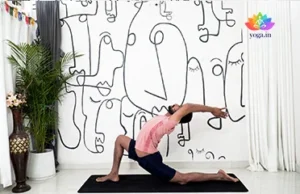
Anjaneyasana (आञ्जनेयासन)
Anjaneyasana
The Sanskrit name is derived from Anjane (आंजने) meaning Hanuman, the son of Anjani and asana…
Explore →
Standing yoga poses build leg strength, balance and focus from a steady base of feet and legs.
Browse All Poses
Anjaneyasana (आञ्जनेयासन)
The Sanskrit name is derived from Anjane (आंजने) meaning Hanuman, the son of Anjani and asana…
Explore →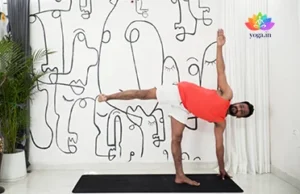
Ardha Chandrasana (अर्धचन्द्रासन)
The Sanskrit name is derived from Ardha (अर्ध) meaning half, Chandra (चन्द्र) meaning moon and asana…
Explore →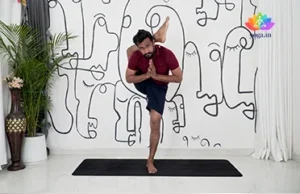
Durvasasana (दुर्वासासन)
The Sanskrit name is derived from the word Durva (दुर्वा) which is the name of a…
Explore →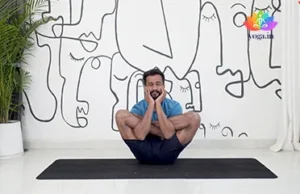
Garbha Pindasana (गर्भ पिण्डासन)
The Sanskrit name is derived from the word Garbha (गर्भ) meaning an embryo in the womb…
Explore →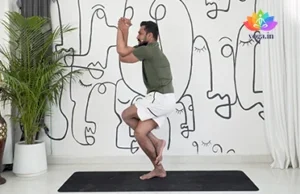
Garudasana (गरुडासन)
The Sanskrit name is derived from Garuda (गरुडा) meaning eagle and asana (आसन) meaning posture or…
Explore →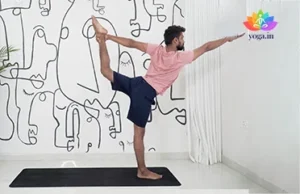
नटराजासन
The Sanskrit name is derived from Nata (नट) meaning dance, Raja (राजा)) means king and asana…
Explore →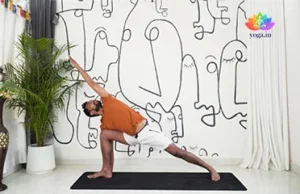
The Sanskrit name is derived from Parsva (पार्श्व) meaning side, Kona (कोना) meaning angle and asana…
Explore →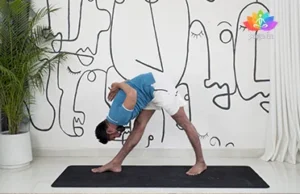
The Sanskrit name is derived from parsva (पार्श्वो) meaning side, ut (ुत) meaning intense, tan (…
Explore →Standing yoga poses are done on the feet to build leg strength, balance and focus. This page lists a safe progression by level, with props and alignment tips. It also explains who should take care.
Understanding the Category
Standing poses are done on the feet. They build leg and core strength, open the hips and train balance. They also teach good alignment for other poses. Use a wall or chair until you feel steady.
These poses fall into three groups:
Press evenly through both feet. Keep the knees tracking over the toes.
Why Practice
Suitability
Contraindications
Safety Note: Always consult a qualified yoga teacher and your healthcare provider before practising if you have existing medical conditions, injuries, or are pregnant.
By Level
Anatomy
Practice Tips
Common Questions
Standing poses are done on the feet. They build leg and core strength, open the hips and train balance. Examples are Tadasana, Virabhadrasana II and Vrikshasana.
Start with Tadasana, Hastapadasana and Vrikshasana at a wall. They teach even weight and balance. Add lunges and one-leg poses over weeks.
Keep the knee over the ankle in lunges and never lock the joints. Press evenly through the feet. Stop if you feel pain in the knee.
Wobbling is normal. Fix your gaze on one spot, engage the core and keep the standing knee soft. Use a wall until you feel steady.
They may help build leg strength and steadiness. Practice near a wall or chair and rise slowly. Ask your doctor if you have a history of falls.
Take care with knee, hip or ankle injury, low blood pressure, dizziness, pregnancy or recent surgery. Ask your doctor if unsure.
Keep Exploring
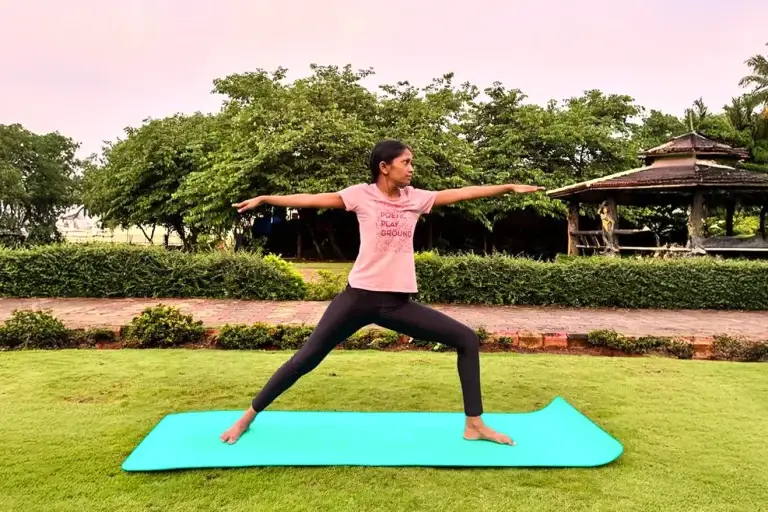
The lockdown period was one of the most difficult phases of my life. I was very sick, and my body…
Read Article →
Peace: I searched for it everywhere — in places that, over time, brought more harm than the momentary comfort they…
Read Article →
I first began thinking about sleep by watching my mother struggle with it. There were nights when I would notice…
Read Article →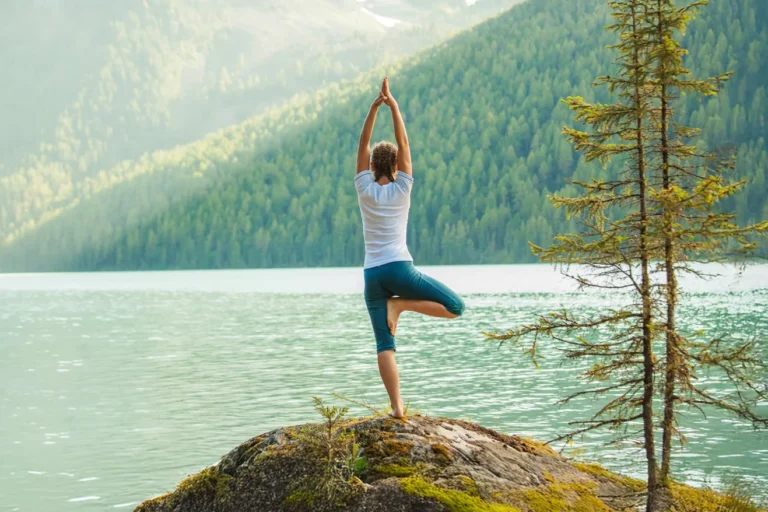
For a good part of my life, I saw yoga only as a physical practice, a way to exercise, relieve…
Read Article →Please login with social account to support this post.