


Matsyendrasana (Lord of the Fishes Pose)
मत्स्येन्द्रासन / Lord of the Fishes Pose
The name Matsyendrasana is derived from the Sanskrit words Matsya (मत्स्य) [¡K]



Naukasana (Boat Pose)
नौकासन / Boat Pose
The Sanskrit name is derived from Nava ( नाव) meaning boat and asana (आसन) [¡K]

Padmasana (Lotus Pose)
पद्मासन / Lotus Pose
The Sanskrit name is derived from Padma (पद्मा) meaning lotus and [¡K]

Paschimottanasana (Seated Forward Bend)
पश्चिमोत्तानासन / Seated Forward Bend
The Sanskrit name is derived from three sanskrit words: Paschima (पश्चिमा) [¡K]

Sarvangasana (Shoulderstand)
सर्वाङ्गासनI / Shoulderstand
The Sanskrit name is derived from Sarva (सर्वाङ्ग) meaning all, [¡K]

Shalabhasana (Locust Pose)
सलभासन / Locust Pose
The Sanskrit name is derived from Shalabha (शलभा) meaning locust and [¡K]

Sirsasana (Headstand)
शीर्षासन / Headstand
The Sanskrit name is derived from Sirsa (शीर्ष) meaning head and asana [¡K]
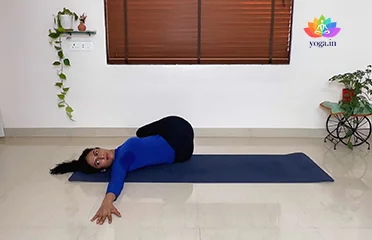
Supta Matsyendrasana (Supine Spinal Twis
सुप्त मत्स्येन्द्रासन / Supine Spinal Twist Pose
The Sanskrit name is derived from Supta (सुप्त) means supine, Matsya [¡K]

Tadasana (Mountain Pose)
ताड़ासन / Mountain Pose
The sanskrit name is derived from tada (ताड़ा) meaning mountain and [¡K]

Trikonasana (Triangle Pose)
त्रिकोणासन / Triangle Pose
The sanskrit name is derived from three Sanskrit Words: Tri (त्रि) meaning [¡K]
- 1
- 2
- 3
How Yoga Can Help Cure Gastritis:
Gastritis is an inflammation of the stomach lining that can cause discomfort and pain. Yoga can play a significant role in managing and alleviating the symptoms of gastritis. Through specific postures, breathing exercises, and relaxation techniques, yoga can promote digestive health, reduce stress, and help soothe the stomach lining.
Understanding Gastritis:
Gastritis is a condition characterized by the inflammation of the stomach’s mucosal lining. It can be acute (sudden onset) or chronic (long-lasting). Common types of gastritis include erosive gastritis, which wears away the stomach lining, and non-erosive gastritis, which involves inflammation without erosion. Gastritis can lead to symptoms like nausea, vomiting, and a burning sensation in the stomach.
Yoga’s Role in Relieving Gastritis:
Specific yoga practices can help alleviate the symptoms of gastritis by enhancing digestion, reducing stress, and promoting overall well-being. These include gentle asanas (postures) that stimulate the digestive system, pranayama (breathing exercises) that calm the mind and body, and meditation techniques that reduce stress and promote healing.
Key Factors Contributing to Gastritis:
Several factors can contribute to the development of gastritis, including:
- Helicobacter Pylori Infection: A bacterial infection that can erode the stomach lining.
- Regular Use of Pain Relievers: Nonsteroidal anti-inflammatory drugs (NSAIDs) can irritate the stomach lining.
- Alcohol Consumption: Excessive alcohol intake can damage the stomach lining.
- Stress: Chronic stress can increase stomach acid production and cause inflammation.
- Bile Reflux: Bile from the small intestine backing up into the stomach.
- Autoimmune Conditions: The immune system attacking the stomach lining.
Symptoms of Gastritis:
Common symptoms of gastritis include:
- Abdominal Pain: A gnawing or burning pain in the upper abdomen.
- Nausea: A frequent feeling of wanting to vomit.
- Vomiting: Expelling stomach contents through the mouth.
- Bloating: Feeling full and bloated after eating.
- Loss of Appetite: Reduced desire to eat.
- Indigestion: Discomfort or pain in the stomach after eating.
- Black Stool: Indicating potential bleeding in the stomach.
Treatment of Gastritis through Yoga and Pranayama:
Yoga and pranayama can be highly effective in managing gastritis. Some beneficial practices include:
Specific Yoga Poses:
- Pawanmuktasana (Wind-Relieving Pose): Helps release gas and improve digestion.
- Marjariasana (Cat-Cow Pose): Stimulates abdominal organs and promotes digestion.
Pranayama Exercises:
- Anulom Vilom (Alternate Nostril Breathing): Balances the mind and reduces stress.
- Bhramari (Bee Breath): Calms the mind and reduces stress levels.
Diet for Gastritis:
A balanced diet can help manage gastritis. Recommendations include:
- Probiotic-Rich Foods: Yogurt, kefir, and sauerkraut support gut health.
- Fiber-Rich Foods: Fruits, vegetables, and whole grains aid digestion.
- Lean Proteins: Chicken, fish, and tofu provide essential nutrients.
- Anti-Inflammatory Foods: Ginger, turmeric, and green leafy vegetables reduce inflammation.
- Hydration: Drink plenty of water to stay hydrated and support digestion.
Caution for Gastritis:
While practicing yoga for gastritis, it is essential to:
- Avoid Overexertion: Practice at a gentle pace to prevent strain on the stomach.
- Be Mindful of Pain: Stop immediately if any pose causes discomfort or pain.
Always consult with a healthcare provider before starting any new exercise regimen, especially if you have severe gastritis.
Contraindications for Gastritis:
Individuals with severe gastritis or significant abdominal pain should:
- Avoid Intense Yoga Practices: Vigorous exercises might exacerbate symptoms.
- Steer Clear of Certain Poses: Inversions and poses that compress the abdomen may increase discomfort.
- Seek Professional Guidance: Consult a yoga therapist or healthcare professional for personalized recommendations.