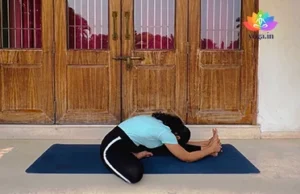
Janusirsasana (Head to Knee Pose)
The Sanskrit name is derived from (जानु) Janu means knee, Sirsa (शीर्षा) means head and asana…
Explore →
Yoga poses for bronchial spasms are gentle postures that open the chest and calm the breath, alongside your doctor's plan.
Browse All Poses
The Sanskrit name is derived from (जानु) Janu means knee, Sirsa (शीर्षा) means head and asana…
Explore →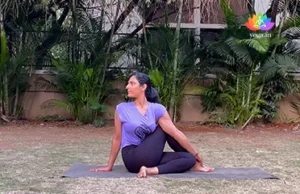
Matsyendrasana (मत्स्येन्द्रासन)
The name Matsyendrasana is derived from the Sanskrit words Matsya (मत्स्य) meaning fish, Indra (इन्द्र) meaning…
Explore →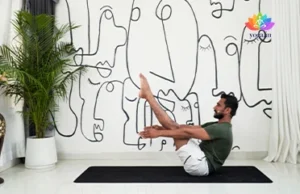
The Sanskrit name is derived from Nava ( नाव) meaning boat and asana (आसन) meaning posture…
Explore →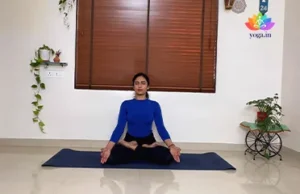
Padmasana (पद्मासन)
The Sanskrit name is derived from Padma (पद्मा) meaning lotus and āsana (आसन) meaning "posture" or…
Explore →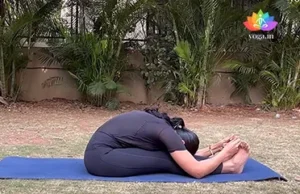
Paschimottanasana (पश्चिमोत्तानासन)
The Sanskrit name is derived from three sanskrit words: Paschima (पश्चिमा) meaning west or back of…
Explore →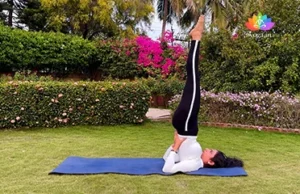
Sarvangasana (सर्वांगासन)
The Sanskrit name is derived from Sarva (सर्वाङ्ग) meaning all, Anga meaning body part and āsana…
Explore →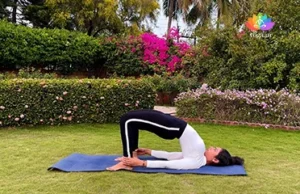
Setu Bandhasana (सेतु बन्धासन)
The Sanskrit name is derived from Setu (सेतु) meaning bridge, Bandha ( बन्धा) meaning lock and…
Explore →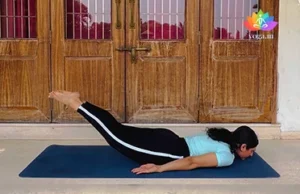
The Sanskrit name is derived from Shalabha (शलभा) meaning locust and āsana (आसन) meaning "posture" or…
Explore →Yoga poses for bronchial spasms are gentle postures that open the chest and calm the breath. They do not stop a spasm or replace your inhaler. This page lists careful poses by level and explains when to get urgent help.
Understanding the Category
A bronchial spasm is a sudden tightening of the muscles around the airways. It can cause wheezing, cough and a tight chest. Yoga cannot stop a spasm. It may relax the chest and ease stress that adds to breathlessness.
These poses fall into three groups:
Practice when your breathing is calm. Start seated or lying. Keep your reliever inhaler close.
Why Practice
Suitability
Contraindications
Safety Note: Always consult a qualified yoga teacher and your healthcare provider before practising if you have existing medical conditions, injuries, or are pregnant.
By Level
Anatomy
Practice Tips
Common Questions
It is a sudden tightening of the muscles around the airways. It can cause wheezing, cough and a tight chest. Asthma, allergies and infections are common causes. A doctor can find the cause and plan treatment.
No. Yoga cannot stop a spasm or replace a reliever inhaler. Use your medicine as prescribed. Gentle poses may help you relax and breathe more easily between episodes.
Savasana, Sukhasana, Bhujangasana and Anjaneyasana are gentle and open the chest. Bharadvajasana adds a soft twist. Practice when your breathing is calm and your doctor agrees.
Slow, easy breathing is usually fine. Avoid forceful methods like Kapalabhati and avoid holding the breath, as they can trigger a spasm. Ask your doctor before you try any pranayama.
Avoid deep backbends such as Chakrasana and all inversions. They can press on the chest or make breathing feel tight. Choose gentle chest openers and keep your breath calm.
Call emergency services if you feel worse, your inhaler does not help, or you cannot speak in full sentences. Also seek care for fever, chest pain or bloody phlegm. Do not rely on yoga.
Keep Exploring
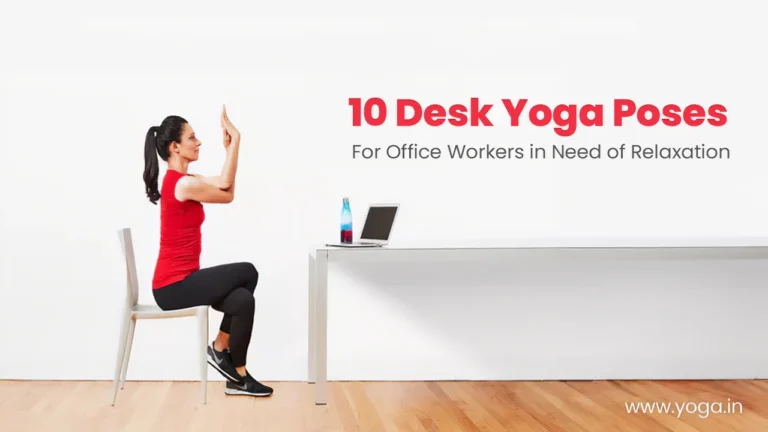
In today's fast-paced work environment, many office workers find themselves glued to their desks for hours on end. Prolonged sitting…
Read Article →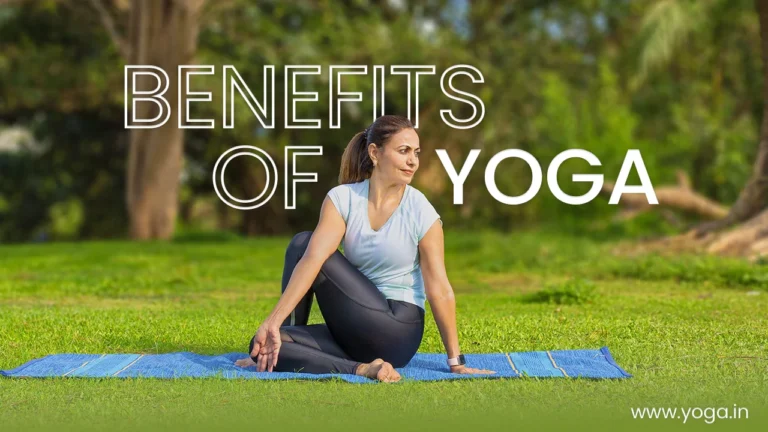
Coming down from ancient practices with deep roots, yoga carries a wide range of health benefits, which are increasingly known.…
Read Article →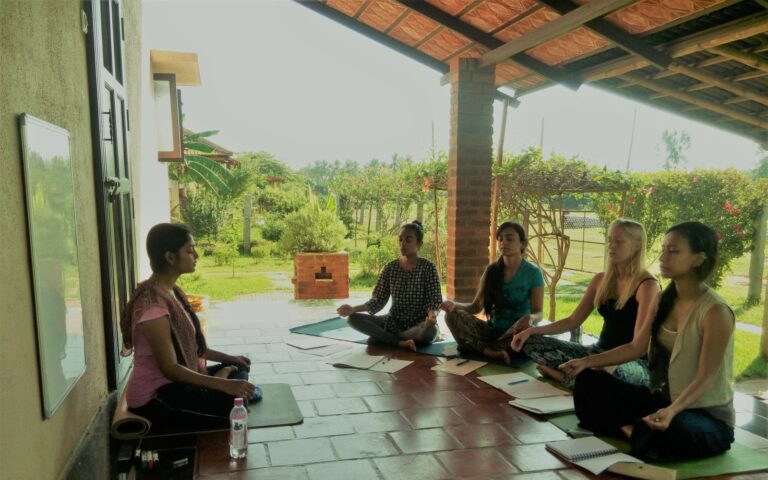
BY KRISHNA PRAKASH Nidra means sleep and Yoga Nidra is its antonym! Although appearing to be a practice of deep stillness,…
Read Article →Please login with social account to support this post.