

Adho Mukha Svanasana (Downward-Facing Do
अधोमुख श्वानासन / Downward-Facing Dog Pose
The sanskrit name is derived from adhas (अधस्) meaning down, mukha [�K]


Anjaneyasana (Crescent Moon Pose)
आंजनेयासन / Crescent Moon Pose
The Sanskrit name is derived from Anjane (आंजने) meaning Hanuman, [�K]
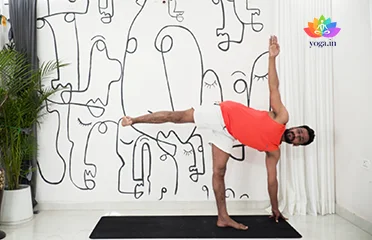
Ardha Chandrasana (Half Moon Pose)
अर्धचन्द्रासना / Half Moon Pose
The Sanskrit name is derived from Ardha (अर्ध) meaning half, Chandra [�K]

Astavakrasana (Eight-Angle Pose)
अष्टवक्रासन / Eight-Angle Pose
The sanskrit name is derived from ashta (अष्ट) meaning eight, Vakra [�K]

Bakasana (Crane Pose)
बकासन / Crane Pose
The Sanskrit name is derived from Baka (बक) meaning crane or Kaka (काक) [�K]

Bharadvajasana (Seated Spinal Twist)
भरद्वाजसन / Seated Spinal Twist
The Sanskrit name is derived from Bhardvaja (भरद्वाज) means bringing [�K]

Bhekasana (Frog Pose II)
भेकासन / Frog Pose II
The Sanskrit name is derived from Bheka (भेका) meaning frog and asana [�K]

Bhujapidasana (Shoulder-Pressing Pose)
भुजपीडासन / Shoulder-Pressing Pose
The Sanskrit name is derived from Bhuja (भुज) meaning arm/shoulder, Pida [�K]

Chaturanga Dandasana (Low Plank Pose)
चतुरङ्ग दण्डासन / Low Plank Pose
The Sanskrit name is derived from Chatur (चतुर) meaning four, Anga (अङ्ग) [�K]

Garbha Pindasana (Womb Pose)
गर्भ पिण्डासना / Womb Pose
The Sanskrit name is derived from the word Garbha (गर्भ) meaning an [�K]
- 1
- 2
- 3
Strengthening and Toning – Yoga for Arms and Abdominal Organs
Yoga offers a holistic approach to fitness, and while it doesn’t directly target internal organs, it can strengthen and tone the muscles surrounding them, including those in the arms and abdomen. This, in turn, can lead to several benefits for overall health and well-being.
Important Disclaimer – Yoga is not a substitute for medical treatment. If you have any concerns about your abdominal organs, consult a healthcare professional.
Yoga for Arms and Abdominal Organs
While yoga poses don’t directly manipulate internal organs, the improved circulation they promote can be beneficial for the abdominal region. Increased blood flow delivers essential nutrients and oxygen to the digestive organs, potentially aiding in digestion and nutrient absorption. Additionally, improved circulation helps remove waste products from the body, which can contribute to a healthier digestive system overall. It’s important to remember that yoga is a complementary practice, and maintaining a healthy diet with adequate fiber and hydration remains crucial for optimal abdominal health.
Benefits of Yoga for Arms and Core –
- Improved Strength and Tone: Certain yoga poses target the muscles in the arms and core, leading to increased strength and definition. This can improve posture, stability, and daily activities.
- Enhanced Flexibility: Yoga stretches and lengthens muscles, improving overall flexibility. This can benefit daily life and reduce the risk of injuries.
- Increased Core Stability: A strong core provides support for the spine and helps with balance and coordination. Many yoga poses engage the core muscles, promoting stability.
- Improved Circulation: Yoga can enhance blood flow throughout the body, which can benefit the digestive system and other internal organs indirectly.
- Stress Management: Yoga’s focus on mindful movement and breathing can help reduce stress, which might positively impact overall health.
Remember –
- Listen to Your Body: Modify poses to suit your individual needs and comfort level.
- Start Slowly: If you’re new to yoga, begin with beginner-friendly poses and gradually progress.
- Seek Guidance: Consider practicing with a qualified yoga instructor who can guide you safely and offer modifications based on your abilities.
Yoga and Internal Organs –
While yoga poses don’t directly target internal organs like the stomach or intestines, the benefits mentioned above can contribute to overall well-being and potentially aid in digestion. Remember, a healthy lifestyle with a balanced diet and regular exercise is crucial for optimal abdominal health. Yoga can be a valuable tool for strengthening and toning the muscles surrounding the arms and abdominal organs. This, in turn, can lead to improved posture, strength, flexibility, and potentially contribute to better overall health. Always prioritize professional medical advice and listen to your body when practicing yoga.