


Gomukhasana (Cow Face Pose)
गोमुखासन / Cow Face Pose
The Sanskrit name is derived from Gau (गो) meaning cow, Mukh meaning face [¡K]


Halasana (Plough Pose)
हलासन / Plough Pose
The Sanskrit name is derived from Hala (हला) meaning plough and asana [¡K]

Hanumanasana (Monkey Pose)
हनुमानासन / Monkey Pose
The Sanskrit name is derived from the Hindu God -Hanuman (हनुमान) [¡K]
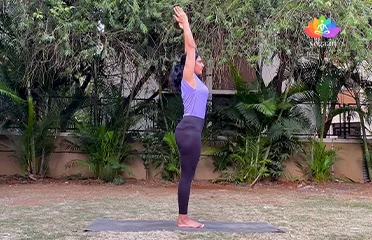
Hastapadasana (Hand to Foot Pose)
हस्तपदासन / Hand to Foot Pose
The sanskrit name is derived from hasta (हस्त) means hands, pada (पदा) [¡K]
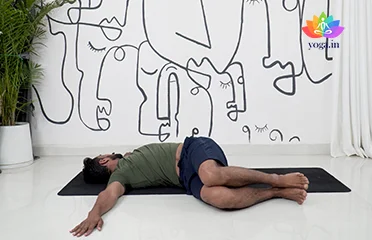
Jathara Parivartanasana (The Abdominal T
ञठर परिवर्तनासन / The Abdominal Twist
The Sanskrit name is derived from Jathara (ञठर) meaning belly or abdomen, [¡K]

Kapotasana (Pigeon Pose)
कपोटासन / Pigeon Pose
The Sanskrit name is derived from Kapota (कपोटा) meaning pigeon or [¡K]

Karnapidasana (Ear Pressure Pose)
कर्णपीडासन / Ear Pressure Pose
The Sanskrit name is derived from Karna (कर्ण) meaning ear, Pida (पीडा) [¡K]
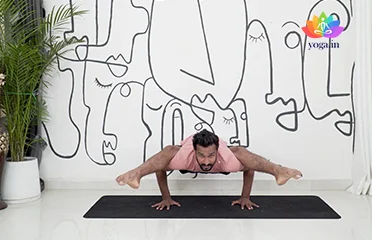

Kraunchasana (Heron Pose)
क्रौञ्चासन / Heron Pose
The Sanskrit name is derived from Kraunch (क्रौञ्च) meaning heron [¡K]
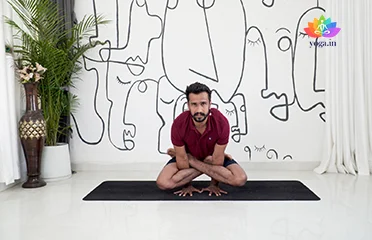
Kukkutasana (Cockerel Pose)
कुक्कुटासन / Cockerel Pose
The Sanskrit name is derived from Kukkut (कुक्कुट) meaning rooster [¡K]
- 1
- 2
- 3
- 4
- 5
- ...
- 6
- 7
Yoga Poses for Upper Back Relief: Find Freedom and Ease
Feeling tightness or discomfort in your upper back? You’re not alone. Many people experience upper back pain due to poor posture, stress, or overuse. Here’s where yoga can be your hero! Yoga offers a range of poses specifically designed to stretch, strengthen, and improve mobility in your upper back, leading to pain relief and a more relaxed posture.
Understanding Upper Back Pain:
Upper back pain can manifest in various ways, from a dull ache to sharp twinges. It can be caused by:
- Poor Posture: Hunching over computers, phones, or while driving can strain the upper back muscles.
- Stress: When stressed, we tend to hold tension in our shoulders and upper back.
- Muscle Strain: Overuse of the upper back muscles, especially from activities like weightlifting, can lead to strain.
- Age-Related Changes: As we age, the discs in our spine can degenerate, causing pain.
Yoga’s Role in Upper Back Relief:
Yoga incorporates gentle stretches, twists, and backbends to target the upper back muscles. Here’s how it helps:
- Improved Flexibility: Yoga stretches help lengthen and loosen tight muscles in the upper back, improving range of motion.
- Enhanced Strength: Certain yoga poses can strengthen the muscles that support your posture, leading to better alignment and reduced pain.
- Stress Reduction: Yoga’s focus on breath and relaxation techniques can help melt away tension and ease upper back discomfort caused by stress.
Key Poses for Upper Back Relief:
- Cat-Cow Pose (Marjaryasana-Bitilasana): This flowing movement warms up the spine and massages the upper back muscles.
- Child’s Pose (Balasana): This gentle pose allows the upper back to completely relax and releases tension in the shoulders.
- Thread the Needle Pose (Uttana Shishosana): This gentle twist stretches the chest and shoulders, improving upper back mobility.
Diet for Upper Back Pain Relief:
While diet won’t directly address upper back pain, staying hydrated and eating a balanced diet rich in certain nutrients can contribute to overall well-being and potentially aid in recovery. Here are some dietary recommendations:
- Hydration: Drink plenty of water throughout the day to stay hydrated. Dehydration can contribute to muscle tightness, so ensure you’re consuming enough fluids.
- Fruits and Vegetables: Aim for a variety of colorful fruits and vegetables. They provide essential vitamins, minerals, and antioxidants that support overall health and may aid in the healing process.
- Lean Protein: Include lean protein sources like legumes in your diet. Protein is crucial for building and repairing tissues, including muscles.
- Healthy Fats: Don’t shy away from healthy fats like those found in avocados, nuts, and seeds. Healthy fats play a role in inflammation management and may indirectly contribute to pain relief.
Caution:
- Practice Regularly: Consistency is key! Aim for a few yoga sessions each week to see lasting results.
- Modify as Needed: Don’t push yourself into pain. Modify poses or use props like yoga blocks or bolsters to support your body.
- Seek Guidance: Consider taking a yoga class or consulting a yoga therapist for personalized instruction on poses specific to your upper back needs.