

Parsvakonasana (Extended Lateral Angle P
पार्श्वकोनासन / Extended Lateral Angle Pose
The Sanskrit name is derived from Parsva (पार्श्व) meaning side, [�K]


Parsvottanasana (Intense Side Stretch Po
पार्श्वोत्तनासनम् / Intense Side Stretch Pose
The Sanskrit name is derived from parsva (पार्श्वो) meaning [�K]

Paschimottanasana (Seated Forward Bend)
पश्चिमोत्तानासन / Seated Forward Bend
The Sanskrit name is derived from three sanskrit words: Paschima (पश्चिमा) [�K]

Pawanmuktasana (Wind Release Pose)
पवनमुक्तासन / Wind Release Pose
The Sanskrit name is derived from Pawan (पवन) meaning wind or gas, Mukta [�K]

Pincha Mayurasana (Peacock Feather Pose)
पिंचमयूरासन / Peacock Feather Pose
The Sanskrit name is derived from Pincha (पिंच) meaning feathered, Mayur [�K]

Prasaritta Padottanasana (Wide-Legged Fo
प्रसारिता पदोत्तनासन / Wide-Legged Forward Bend
The Sanskrit name is derived from Prasārita (प्रसारित) meaning [�K]

Setubandhasana (Bridge Pose)
सेतु बन्धासन / Bridge Pose
The Sanskrit name is derived from Setu (सेतु) meaning bridge, Bandha [�K]

Shalabhasana (Locust Pose)
सलभासन / Locust Pose
The Sanskrit name is derived from Shalabha (शलभा) meaning locust and [�K]
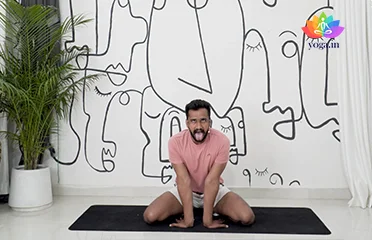
Simhasana (Lion Pose)
सिंहासना / Lion Pose
The Sanskrit name is derived from Simha (सिंहा) which means lion and [�K]

Sirsasana (Headstand)
शीर्षासन / Headstand
The Sanskrit name is derived from Sirsa (शीर्ष) meaning head and asana [�K]
- 1
- 2
- 3
- 4
- 5
- ...
- 6
- 7
- ...
- 8
Sculpt and Strengthen: Yoga Poses for Thighs
Looking to tone and define your thighs? Yoga offers a fantastic way to achieve your goals! Yoga poses target various muscle groups in the thighs, promoting strength, flexibility, and overall definition.
Here’s a guide to how yoga can transform your thighs, along with some key poses to get you started:
Yoga for Powerful Thighs:
Yoga isn’t just about stretching and relaxation. Specific postures effectively engage and strengthen the muscles in your thighs, leading to a toned and sculpted appearance.
Understanding Your Thighs:
The thighs are comprised of several muscle groups, including the quadriceps (on the front), the hamstrings (on the back), and the inner and outer thighs (adductors and abductors). Yoga poses target these different areas, creating a well-rounded workout.
Yoga Poses for Sculpting Thighs:
Here are some excellent yoga poses to get you started on your thigh-toning journey:
- Warrior Poses (Virabhadrasana): These powerful poses engage the quadriceps, hamstrings, and glutes, sculpting and strengthening the entire leg.
- Chair Pose (Utkatasana): This isometric pose strengthens the quadriceps and core.
- Bridge Pose (Setu Bandhasana): This pose strengthens the hamstrings and glutes, contributing to toned thighs.
- Frog Pose (Bhekasana): This deep stretch opens the inner thighs and hips.
Diet for Healthy Thighs:
- Protein Powerhouse: Include lean protein sources like lentils, and beans in your diet. Protein helps build and repair muscle tissue, crucial for muscle definition.
- Carb Conscious: Complex carbohydrates like whole grains, sweet potatoes, and quinoa provide sustained energy for your yoga workouts.
- Healthy Fat Focus: Don’t shy away from healthy fats like those found in avocados, nuts, and seeds. Healthy fats support hormone regulation and nutrient absorption, essential for overall health and muscle function.
- Hydration Hero: Drink plenty of water throughout the day, especially before, during, and after your yoga practice. Hydration is crucial for muscle function, recovery, and helps flush out toxins.
Additional Tips/ Cautions:
- Focus on Form: Proper form is crucial to maximize the benefits and avoid injury. If you’re unsure about a pose, don’t hesitate to seek guidance from a yoga teacher.
- Listen to Your Body: Don’t push yourself beyond your limits. Yoga is a practice, and progress takes time.
- Breathe Deeply: Yoga is about connecting breath with movement. Deep, mindful breaths enhance the effectiveness of each pose.