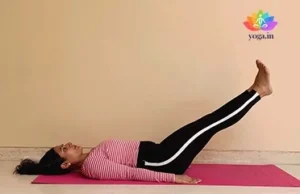
उत्तानपादासन
Uttanapadasana — Raised Leg Pose
In Sanskrit, Uttana means 'raised', and pada means 'leg'; thus, Uttanpadasana is also called the raised…
Explore →
Yoga poses for lower back ease tension and build the core and spinal support that protect the spine.
Browse All Poses
उत्तानपादासन
In Sanskrit, Uttana means 'raised', and pada means 'leg'; thus, Uttanpadasana is also called the raised…
Explore →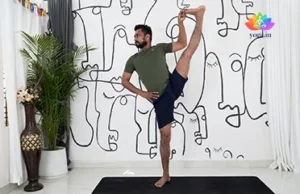
Utthita Hasta Padangusthasana (उत्थित हस्तपादाङ्गुष्ठासन)
The Sanskrit name is derived from Utthita (उत्थित) meaning "extended", Hasta (हस्त) meaning "hand", Pada (पद)…
Explore →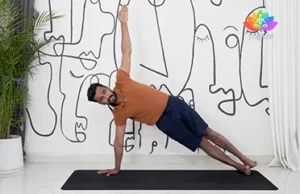
Vasishtasana (वसिष्ठासन)
The Sanskrit name is derived from Vasistha (वसिष्ठा) meaning wealthy and asana (आसन) meaning posture or…
Explore →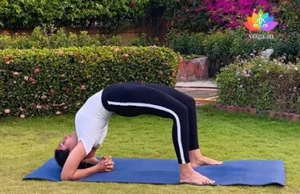
Viparita Dandasana (विपरीत दण्डासन)
The Sanskrit name is derived from Viparita (विपरिता) meaning inverted, Danda (दण्डा) meaning staff and asana…
Explore →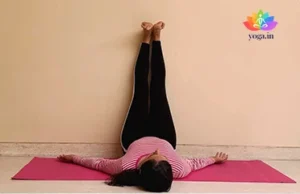
Viparita Karani (विपरीत करणी)
The Sanskrit name is derived from Viparita (विपरिता) meaning inverted and Karani (करणी) meaning action.
Explore →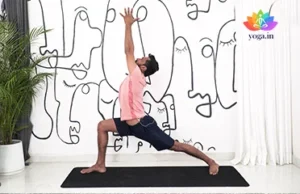
The Sanskrit name is derived from Vira (विरा) means hero, Bhadra (भद्रा )means friend and āsana…
Explore →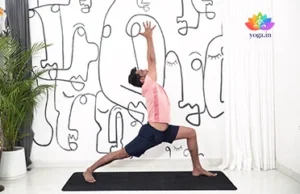
The Sanskrit name is derived from Vira (विरा) meaning hero, Bhadra (भद्रा )meaning friend and āsana…
Explore →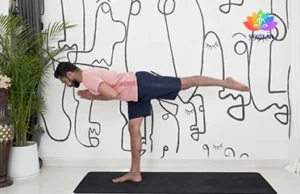
The Sanskrit name is derived from Vira (विरा) meaning hero, Bhadra (भद्रा )meaning friend and āsana…
Explore →Yoga poses for lower back release tension and strengthen the muscles that support the spine, easing strain from sitting, standing, and daily movement. This page groups gentle release poses for tension relief with strengthening poses for long-term stability, and flags poses to approach with caution.
Understanding the Category
Yoga poses for lower back work through three functions.
Gentle release poses are generally better suited to an acute flare-up, while deeper extension and twisting poses suit a stable, pain-free back.
Why Practice
Suitability
Contraindications
Safety Note: Always consult a qualified yoga teacher and your healthcare provider before practising if you have existing medical conditions, injuries, or are pregnant.
By Level
Anatomy
Practice Tips
Common Questions
Yoga poses for lower back are asanas that release tension and strengthen the muscles that support the spine, ranging from gentle poses like Child's Pose for acute tightness to strengthening poses like Locust Pose for long-term stability.
Many people use gentle release and strengthening poses to help manage lower back tension, but yoga is not a substitute for medical diagnosis or treatment. Consult a doctor for persistent, severe, or worsening pain.
Deep forward folds and deep twists can strain an already irritated lower back. During a flare-up, gentle poses like Child's Pose and Knees-to-Chest Pose are generally better tolerated than deep backbends or twists.
Most gentle lower back poses are held for 15 to 45 seconds, or 5 to 8 breaths, moving slowly and stopping well before any sense of strain.
Gentle, passive poses like Child's Pose may offer relief, but it's best to avoid deep backbends, twists, or strength poses during an acute flare-up and to consult a doctor if pain is severe.
Yes. Poses like Bridge Pose, Locust Pose, and Plank Pose build the core and back strength that supports the spine and may help reduce the frequency of future strain.
Keep Exploring
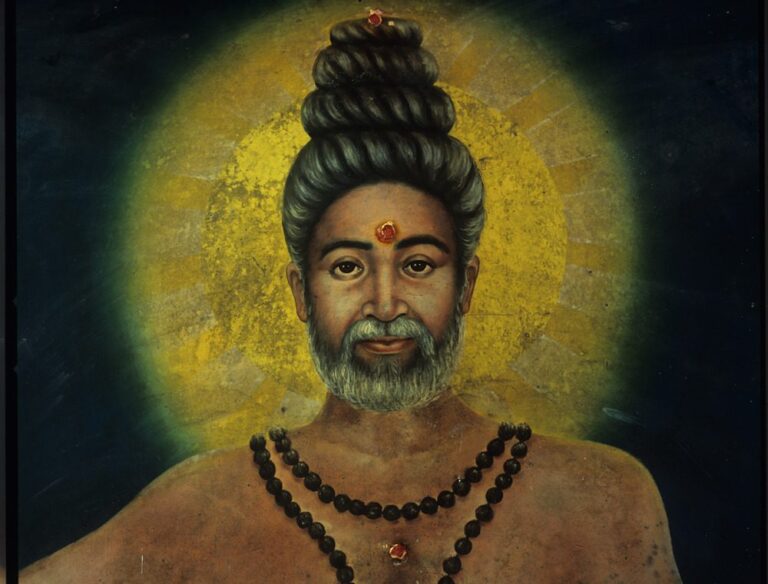
Santosh Puri Ashram, Haridwar. Photo Credit: Coni Hörler Yoga Ashram: A sacred place that is devoted to the development of…
Read Article →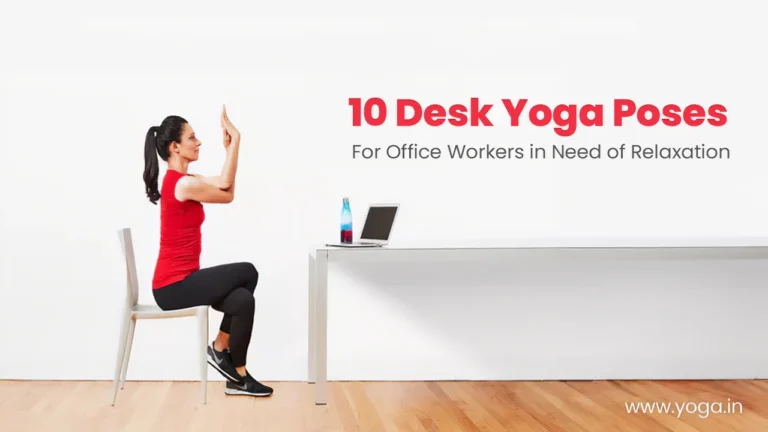
In today's fast-paced work environment, many office workers find themselves glued to their desks for hours on end. Prolonged sitting…
Read Article →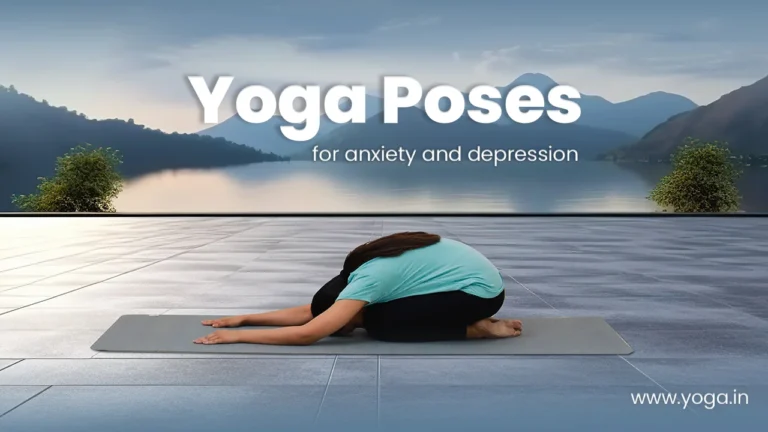
In today's fast-paced world, anxiety and depression have become common diseases, impacting millions of people globally. While modern medicine offers…
Read Article →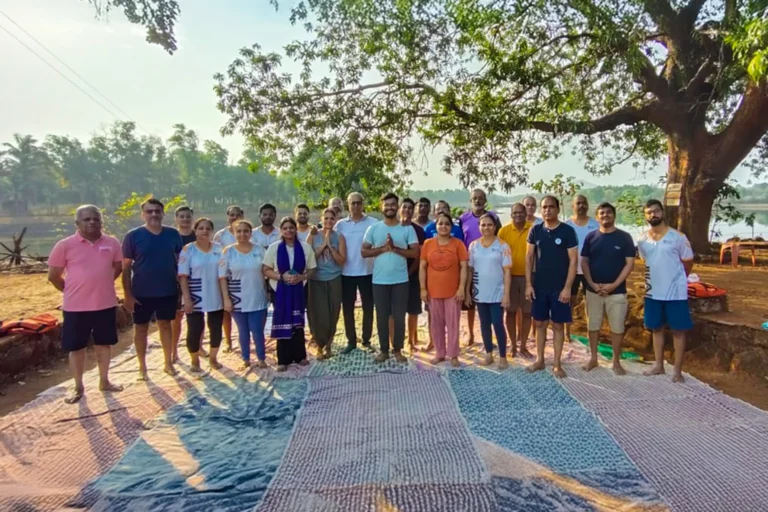
Teaching yoga offers more than just sharing poses and breathing techniques. Over time, I've seen students grow in ways I…
Read Article →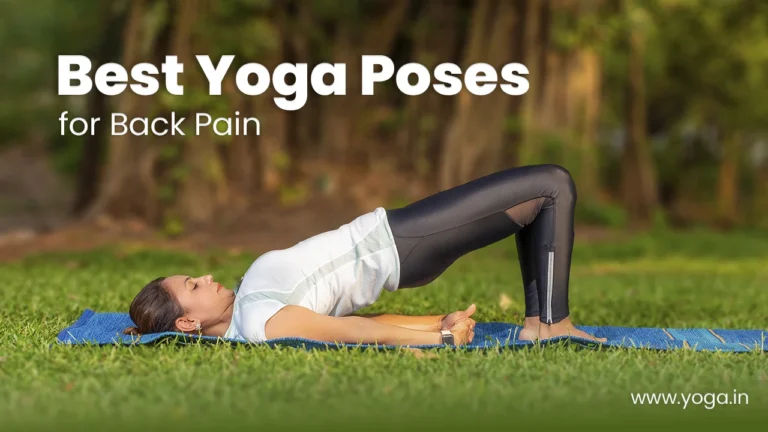
Back pain is a common ailment that affects millions of people worldwide. Whether caused by poor posture, muscle strain, or…
Read Article →Please login with social account to support this post.