

Gomukhasana (Cow Face Pose)
गोमुखासन / Cow Face Pose
The Sanskrit name is derived from Gau (गो) meaning cow, Mukh meaning face [�K]


Gorakshasana (Cowherd Pose)
गोरक्षासन / Cowherd Pose
The Sanskrit name is derived from the word Goraksha (गोरक्षा) [�K]

Halasana (Plough Pose)
हलासन / Plough Pose
The Sanskrit name is derived from Hala (हला) meaning plough and asana [�K]

Hanumanasana (Monkey Pose)
हनुमानासन / Monkey Pose
The Sanskrit name is derived from the Hindu God -Hanuman (हनुमान) [�K]
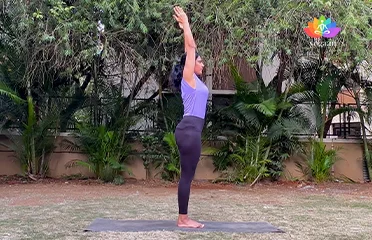
Hastapadasana (Hand to Foot Pose)
हस्तपदासन / Hand to Foot Pose
The sanskrit name is derived from hasta (हस्त) means hands, pada (पदा) [�K]

Janusirsasana (Head to Knee Pose)
जानुशीर्षासन / Head to Knee Pose
The Sanskrit name is derived from (जानु) Janu means knee, Sirsa (शीर्षा) [�K]
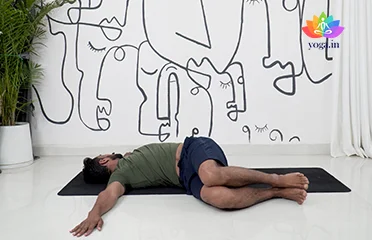
Jathara Parivartanasana (The Abdominal T
ञठर परिवर्तनासन / The Abdominal Twist
The Sanskrit name is derived from Jathara (ञठर) meaning belly or abdomen, [�K]

Kapotasana (Pigeon Pose)
कपोटासन / Pigeon Pose
The Sanskrit name is derived from Kapota (कपोटा) meaning pigeon or [�K]

Karnapidasana (Ear Pressure Pose)
कर्णपीडासन / Ear Pressure Pose
The Sanskrit name is derived from Karna (कर्ण) meaning ear, Pida (पीडा) [�K]
- 1
- 2
- 3
- 4
- 5
- ...
- 6
- 7
- ...
- 8
Yoga Poses for Lower Back: Find Strength, Flexibility, and Relief
Lower back pain is a common issue that can significantly impact your daily life. Yoga offers a natural and effective approach to managing lower back pain, promoting flexibility, and strengthening the core muscles that support your spine.
Understanding Lower Back Pain:
Lower back pain can arise from various factors, including strains and sprains, muscle imbalances, and underlying medical conditions. It can manifest as a dull ache, sharp shooting pain, or tightness in the lower back region.
Yoga’s Role in Relieving Lower Back Pain:
Yoga incorporates gentle stretches, strengthening exercises, and mindfulness practices to address lower back pain. Here’s how yoga can help:
- Improved Flexibility: Tight hamstrings and hip flexors can contribute to lower back pain. Yoga poses specifically target these areas, increasing flexibility and reducing tension in the lower back.
- Strengthened Core: A strong core provides better support for your spine. Yoga postures engage the abdominal and back muscles, promoting core stability and reducing strain on the lower back.
- Stress Reduction: Stress can worsen back pain. Yoga’s combination of movement and meditation techniques helps manage stress, leading to improved pain tolerance and overall well-being.
Key Factors Contributing to Lower Back Pain:
Several factors can contribute to lower back pain, including:
- Poor Posture: Slouching or hunching puts strain on the muscles and ligaments in the lower back.
- Muscle Imbalances: Weak core muscles or tight hamstrings can lead to imbalances and lower back pain.
- Improper Lifting Techniques: Lifting heavy objects with poor form can cause injury to the lower back.
- Arthritis: Degenerative changes in the spine can contribute to back pain.
- Disc Herniation: A herniated disc can compress nerves and cause pain in the lower back and legs.
Symptoms of Lower Back Pain:
Common symptoms of lower back pain can include:
- Dull ache or sharp pain in the lower back
- Tightness or stiffness in the lower back muscles
- Pain that radiates down the buttocks and legs (sciatica)
- Difficulty bending, twisting, or standing for extended periods
Treatment of Lower Back Pain through Yoga and Pranayama:
Here are some specific yoga poses and pranayama exercises beneficial for lower back pain:
- Cat-Cow Pose (Marjaryasana-Bitilasana): This flowing movement gently warms up the spine and improves mobility.
- Child’s Pose (Balasana): This restful pose stretches the lower back and hips while promoting relaxation.
- Downward-Facing Dog (Adho Mukha Svanasana): Strengthens the core and stretches the hamstrings, improving lower back flexibility.
- Bridge Pose (Setu Bandhasana): Strengthens the glutes and hamstrings, supporting the lower back.
- Deep Breathing (Pranayama): Techniques like diaphragmatic breathing can ease tension and promote relaxation.
Diet for Lower Back Pain:
Maintaining a healthy weight reduces stress on the spine. Consider incorporating:
- Anti-inflammatory Foods: Fruits, vegetables, and fish can help reduce inflammation that contributes to pain.
- Calcium and Vitamin D: Essential for bone health and maintaining strong bones that support the spine.
Caution for Lower Back Pain:
Listen to your body! If you experience any sharp pain or discomfort during a yoga pose, stop immediately and consult your doctor before continuing.
Contraindications for Lower Back Pain:
Certain yoga poses may not be suitable for everyone, especially those with acute back pain or specific conditions. It’s crucial to discuss your individual situation with your doctor before starting a yoga practice.
By incorporating yoga into your routine, you can find natural relief for lower back pain, improve flexibility, and strengthen your core. Remember, yoga is a journey of self-discovery. Be patient, listen to your body, and enjoy the process of finding lasting relief and greater well-being.