
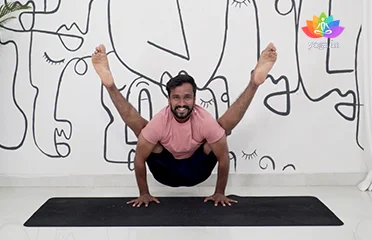
Tittibhasana (Firefly Pose)
तिट्टीभासन / Firefly Pose
The Sanskrit name is derived from Tittibha (तिट्टीभा) meaning [�K]


Trikonasana (Triangle Pose)
त्रिकोणासन / Triangle Pose
The sanskrit name is derived from three Sanskrit Words: Tri (त्रि) meaning [�K]
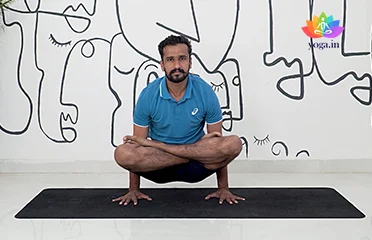
Tulasana (Scale Pose)
तुलासन / Scale Pose
The Sanskrit name is derived from Tula (तुला) meaning balance and asana [�K]

Upavishta Konasana (Wide-Angled Seated F
उपविष्ट कोनासन / Wide-Angled Seated Forward Bend
The Sanskrit name is derived from Upavistha (उपविष्ट) means open/seated, [�K]

Urdhva Mukha Svanasana (Upward-Facing Do
ऊर्ध्वमुखश्वानासन / Upward-Facing Dog Pose
The Sanskrit name is derived from Urdhva (ऊर्ध्व) meaning up, Mukha [�K]

Ushtrasana (Camel Pose)
उष्ट्रासनI / Camel Pose
The Sanskrit name is derived from Ushtra (उष्ट्रासनI) meaning [�K]
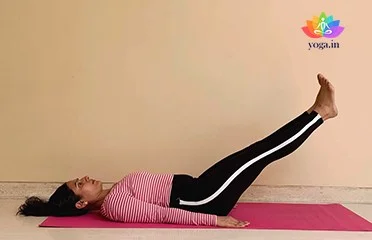
Uttanapadasana (Raised Leg Pose)
उत्तान पादासन / Raised Leg Pose
In Sanskrit, Uttana means 'raised', and pada means 'leg'; thus, Uttanpadasana [�K]
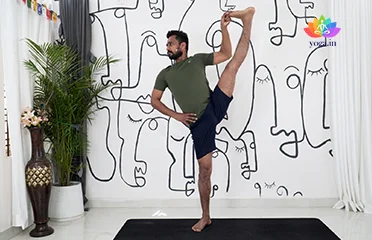
Utthita Hastapadangusthasana (Extended H
उत्थिता हस्तपदंगुष्टासना / Extended Hand-To-Big-Toe Pose
The Sanskrit name is derived from Utthita (उत्थित) meaning "extended", [�K]

Vajrasana (Thunderbolt Pose)
वज्रासन / Thunderbolt Pose
The sanskrit term Vajra (वज्र) meaning thunderbolt and asana (आसन) [�K]
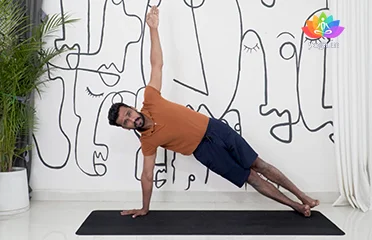
Vasishtasana (Side Plank Pose)
वसिष्ठासन / Side Plank Pose
The Sanskrit name is derived from Vasistha (वसिष्ठा) meaning wealthy [�K]
- 1
- 2
- 3
- 4
- 5
- ...
- 6
- 7
Yoga Poses for Calf Muscles:
Yoga poses for calf muscles can provide significant relief from discomfort, tightness, and stiffness in the calves. Practicing yoga can help improve flexibility, increase blood circulation, and reduce muscle tension in the calves. By incorporating specific yoga poses into your routine, you can alleviate calf pain and promote overall leg health.
Understanding Yoga Poses for Calf:
Yoga poses for the calf muscles are specific asanas designed to stretch, strengthen, and relax the muscles in the lower legs. These poses target the gastrocnemius and soleus muscles, which are the primary muscles of the calf. Regular practice of these poses can enhance muscle elasticity, prevent injuries, and support better mobility.
Key Factors Contributing to Calf Discomfort:
Several factors can lead to calf discomfort, including:
- Overuse: Excessive walking, running, or standing can strain the calf muscles.
- Lack of Stretching: Not stretching before or after exercise can lead to tightness.
- Poor Circulation: Reduced blood flow can cause stiffness and pain.
- Inadequate Footwear: Wearing improper shoes can put extra stress on the calves.
- Dehydration: Lack of hydration can cause muscle cramps and spasms.
Symptoms of Calf Discomfort:
Common symptoms associated with calf discomfort include:
- Tightness: A feeling of tightness or constriction in the calf muscles.
- Pain: Sharp or dull pain that may worsen with activity.
- Cramps: Sudden, involuntary muscle contractions causing severe pain.
- Swelling: Inflammation or swelling in the calf area.
- Weakness: Difficulty in flexing or extending the foot.
Treatment through Yoga and Pranayama:
Yoga and pranayama can be very beneficial in managing calf discomfort. Some effective practices include:
Specific Yoga Poses:
- Downward-Facing Dog (Adho Mukha Svanasana): Stretches the calves and hamstrings.
- Standing Forward Bend (Uttanasana): Lengthens the entire back of the legs, including the calves.
- Hero Pose (Virasana) with a Calf Stretch: Targets the calf muscles directly.
Pranayama Exercises:
- Anulom Vilom (Alternate Nostril Breathing): Balances the mind and reduces muscle tension.
- Sheetali Pranayama (Cooling Breath): Calms the mind and reduces heat in the body.
Diet for Calf Health:
A balanced diet can help manage calf discomfort. Recommendations include:
- Hydration: Drink plenty of water to stay hydrated and prevent cramps.
- Electrolytes: Include foods rich in potassium, magnesium, and calcium, such as bananas, spinach, and dairy products.
- Protein: Consume lean proteins to support muscle repair and growth.
- Anti-inflammatory Foods: Include foods like berries, turmeric, and fatty fish to reduce inflammation.
Caution:
While practicing yoga for calf discomfort, it is essential to:
- Avoid Overstretching: Do not push yourself too hard; practice at a comfortable pace.
- Warm-Up Properly: Always warm up before starting your yoga routine.
- Use Props: Use blocks, straps, or blankets to support your poses and prevent injury.
Contraindications:
Individuals with certain conditions should:
- Avoid Intense Stretching: Those with severe muscle tears or injuries should avoid intense stretches.
- Consult a Professional: Seek guidance from a yoga therapist or healthcare provider if you have chronic pain or a medical condition.
- Modify Poses: Modify poses to suit your comfort level and physical condition.