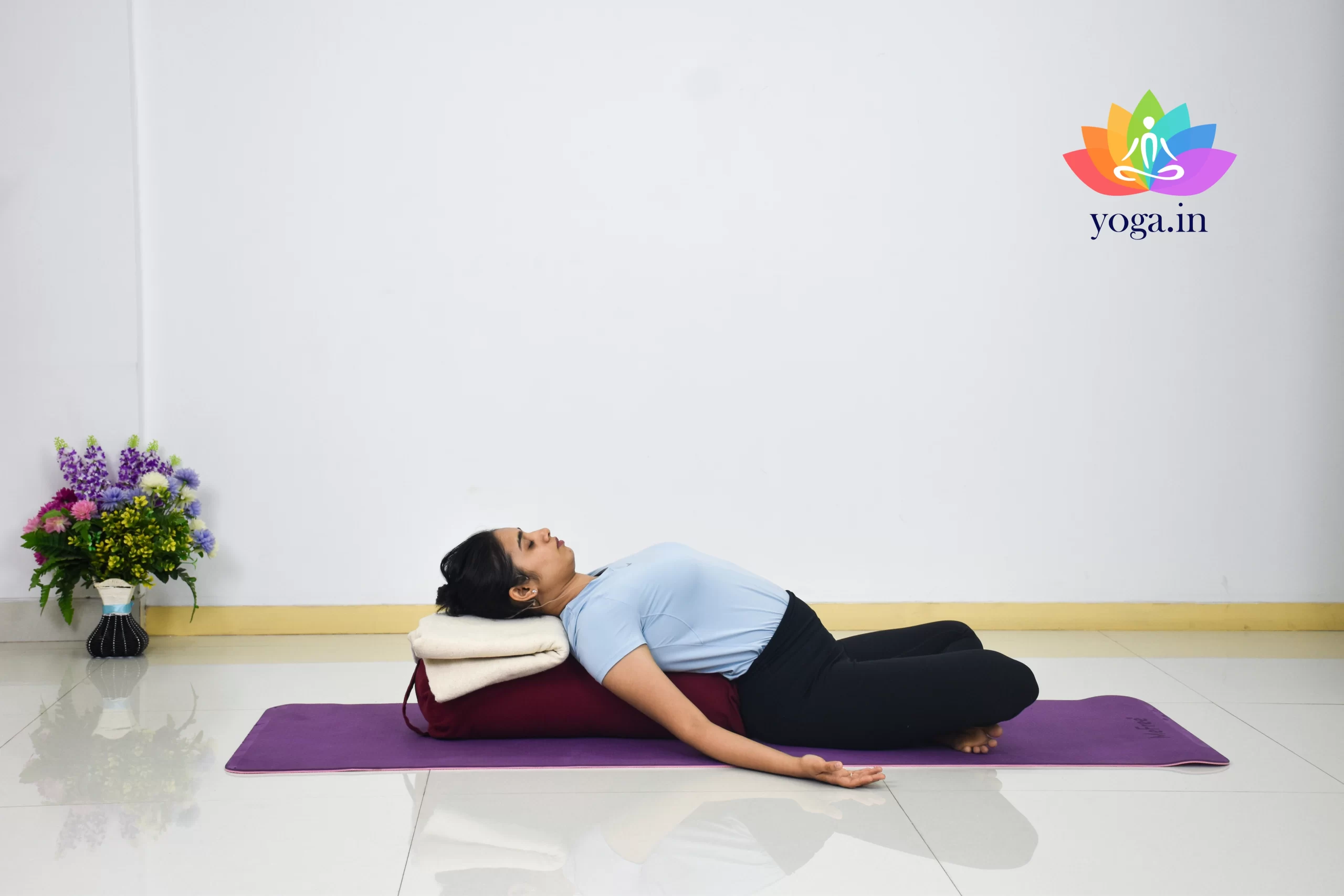
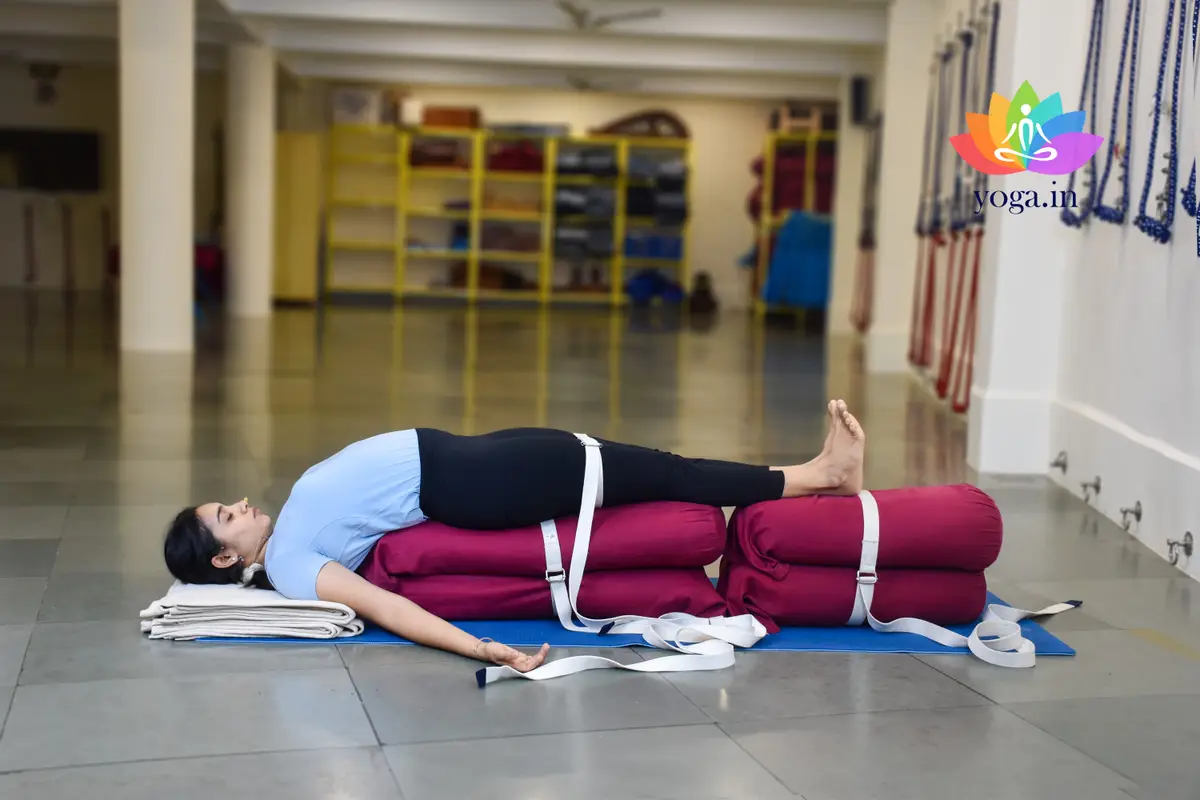
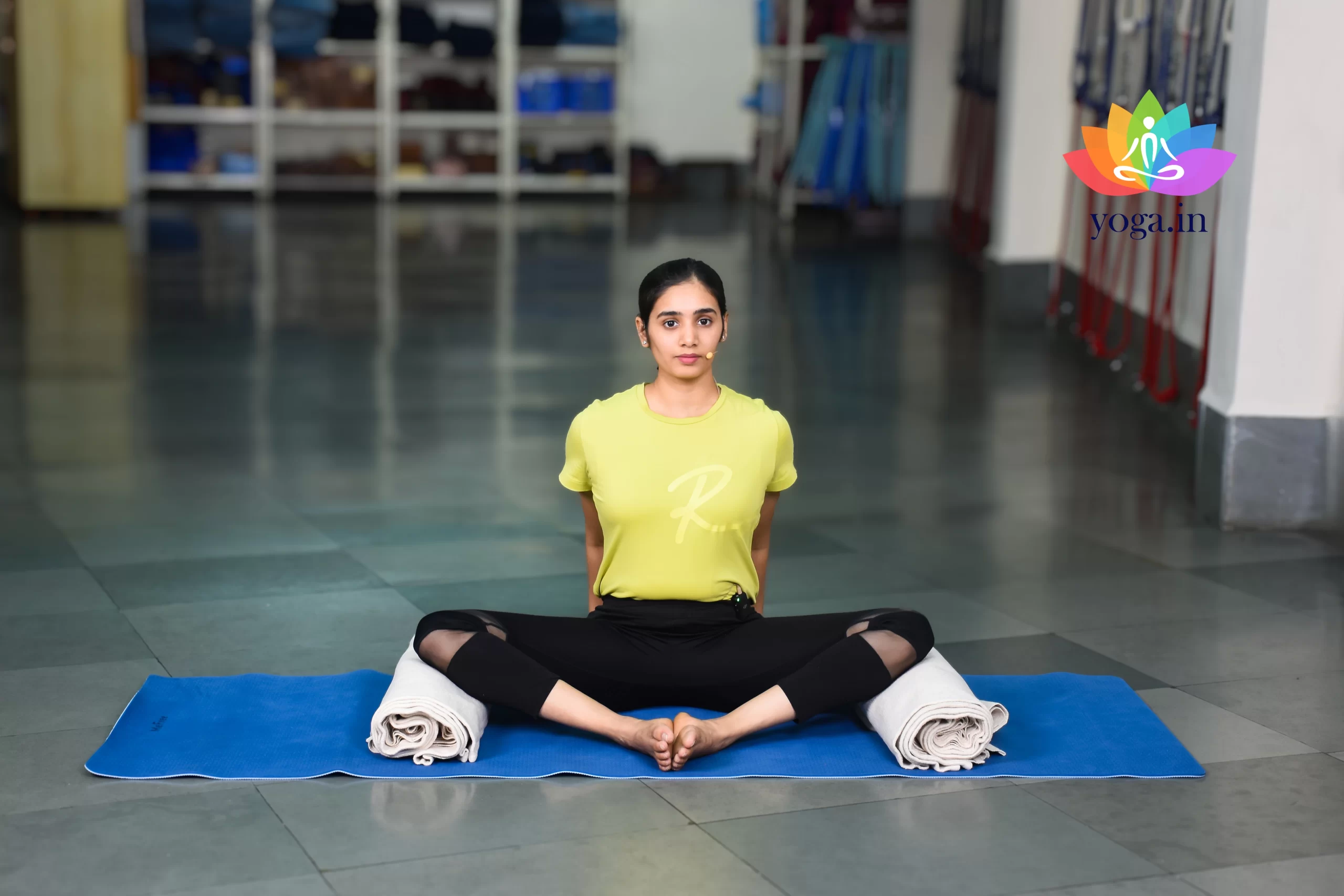
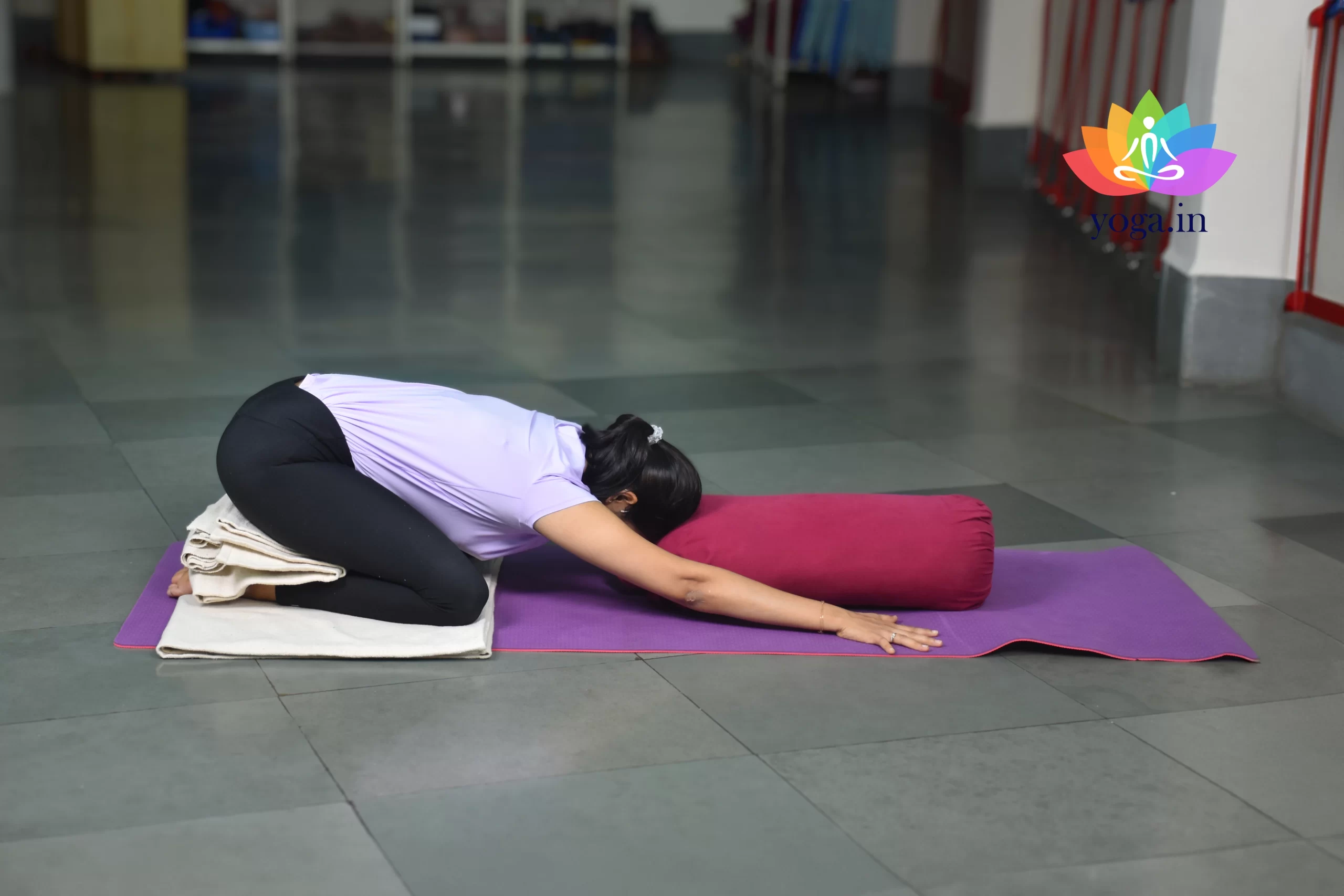
The Sanskrit name is derived from “Supta” means ” supine” and “swastika” is auspicious and asana meaning “posture” or “seat”.
Place your yoga mat on a flat, spacious surface.
Fold the blanket neatly and place it at the top of your mat.
Position the bolster horizontally across the middle of your mat.
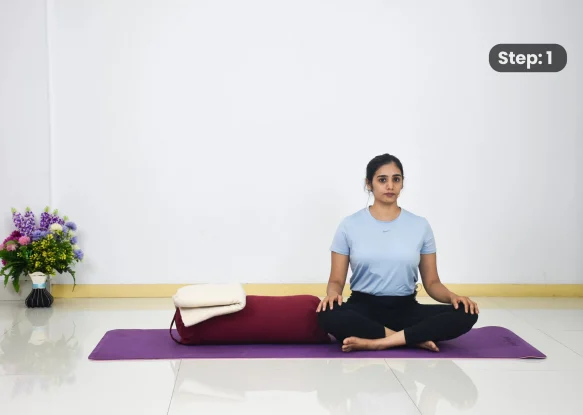
Sit comfortably on the mat with your legs extended in front of you.
Center your pelvis and spine on the mat, ensuring an upright and aligned posture.
Bend your knees and bring the soles of your feet together in front of you, allowing your knees to fall out to the sides.
Gently slide your feet towards your pelvis, adjusting the distance to a comfortable level.
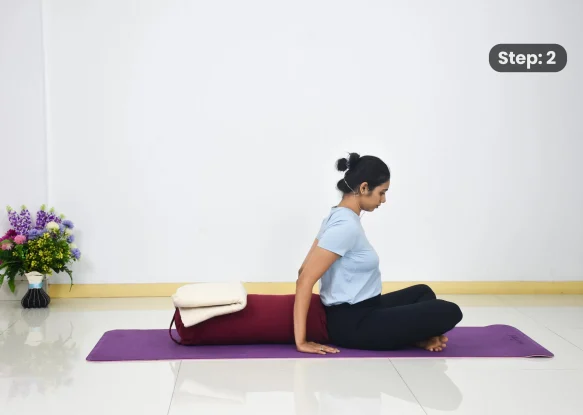
Slide the folded blanket underneath your tailbone to provide support and elevation.
Adjust the height of the blanket to suit your comfort level and pelvic tilt.
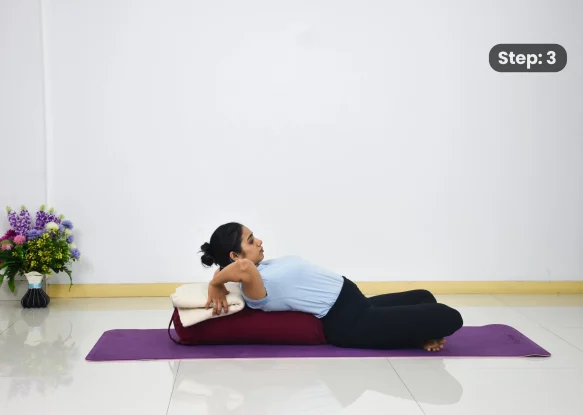
Slowly lower your upper body backwards onto the bolster, using your hands for support if needed.
Keep your spine lengthened and your head resting comfortably on the bolster.
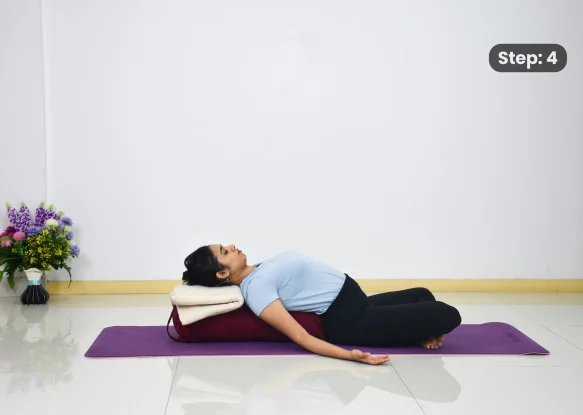
Position the bolster horizontally along the length of your spine, providing support from your lower back to your head.
Ensure that the bolster is situated evenly and comfortably beneath your entire spine.
Allow your arms to rest comfortably by your sides with your palms facing up.
Close your eyes and take a few deep breaths, allowing your body to relax and settle into the pose.
If desired, you can place additional blankets or pillows under your knees or thighs for extra support and relaxation.
Experiment with different props and adjustments to find the most comfortable and supportive configuration for your body.
Remain in Supta Swastikasana with bolster and blanket support for 5-10 minutes, or as long as feels comfortable and beneficial for your practice.
To release the pose, gently release the legs and roll onto one side by using your hands come up to a seated position.
Flex your right foot to protect your ankle and knee joints.
Aim to align your right knee with your left ankle, creating a 90-degree angle at the knee joint.
Keep your spine neutral and elongated, avoiding any rounding or arching of the lower back.
Both sides of your body feel balanced and equally supported in the pose.
Rounding the back
Bending the knees too much
Collapsing the chest
Uneven distribution of weight on the hips
Avoid in case of arthritis or knee and hip surgery
Avoid in case of severe lower back pain or herniated discs
Avoid during Pregnancy
Avoid in case of sciatica pain
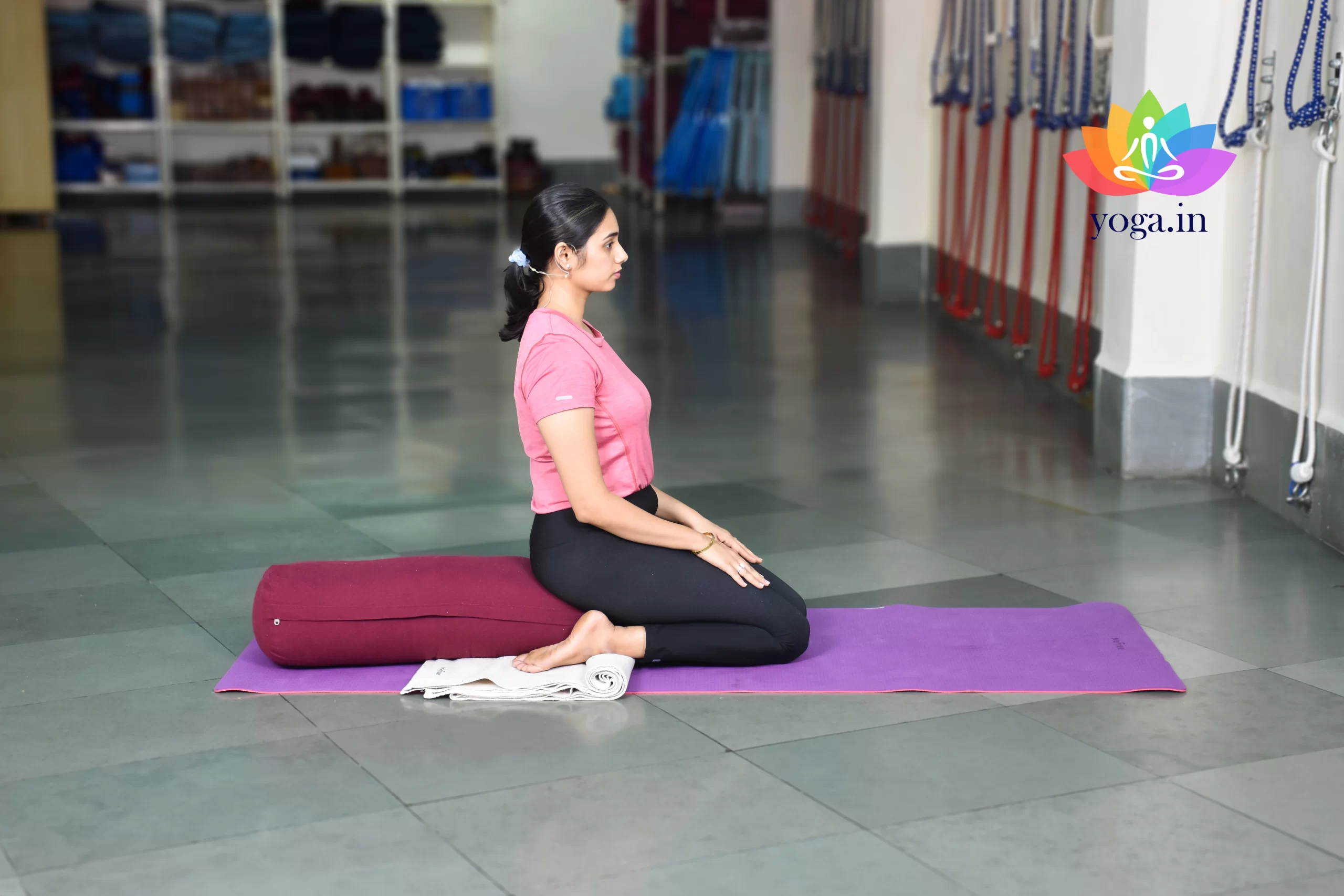
The sanskrit name is derived from Vira
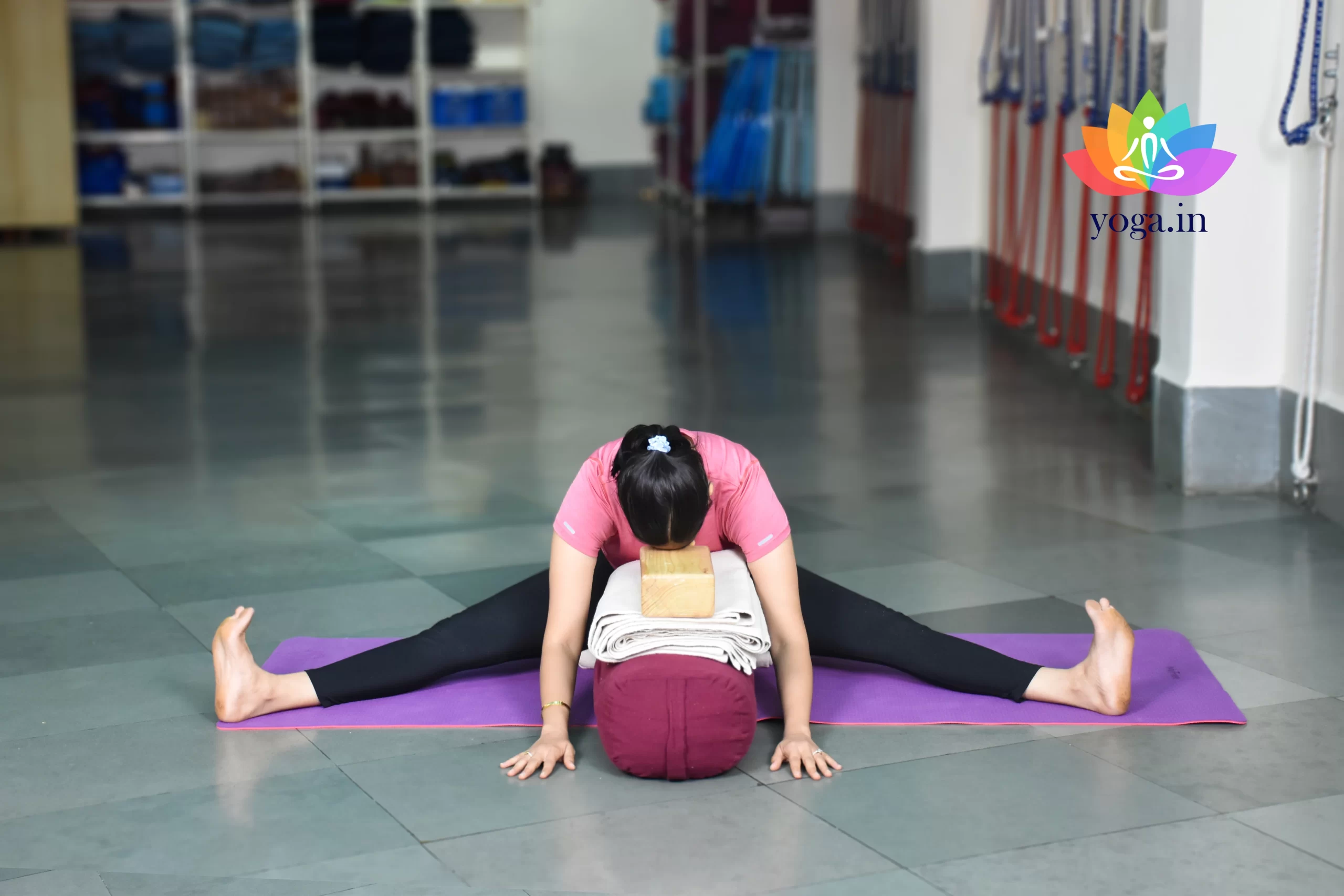
The Sanskrit name is derived from Upavistha
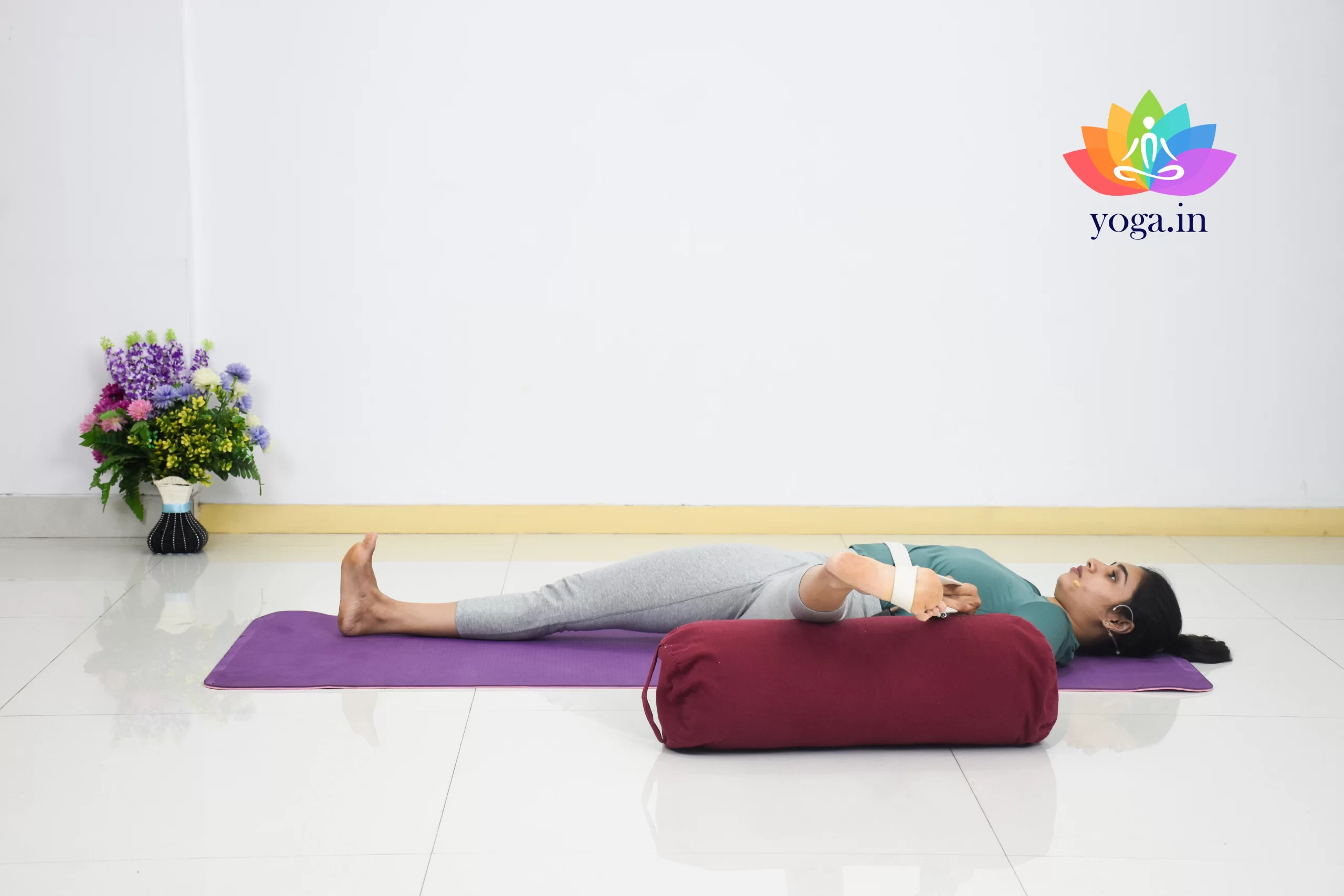
The Sanskrit name is derived from Supta
The Sanskrit name is derived from Setu
The sanskrit name is derived from Baddha
The name comes from the Sanskrit word
Please login with social account to support this post.