Insomnia and sleep disorders are conditions where individuals struggle to fall asleep, stay asleep, or experience restful sleep consistently. This often leads to fatigue, irritability, and a decline in overall well-being.
Causes of Insomnia and Sleep Disorders
Mental health: Stress, anxiety, and depression can significantly disrupt sleep patterns.
Sleep hygiene: Inconsistent sleep schedules, napping during the day, or excessive screen time before bed can contribute to insomnia.
Medical conditions: Physical ailments like pain, sleep apnea, or hormonal imbalances can interfere with sleep quality.
Substances: Certain medications, caffeine intake, or alcohol use can disrupt sleep cycles.
Environment: Noise pollution, uncomfortable temperatures, or excessive light exposure can hinder sleep.
Symptoms of Insomnia and Sleep Disorders
Sleep initiation/maintenance issues: Difficulty falling asleep or staying asleep throughout the night.
Early morning awakening: Waking up too early and not being able to fall back asleep.
Daytime sleepiness: Feeling tired and lacking energy despite spending enough time in bed.
Mood changes: Increased irritability, mood swings, or low mood.
Cognitive difficulties: Trouble concentrating, remembering things, or focusing on tasks.
Yoga Asanas for Insomnia and Sleep Disorders
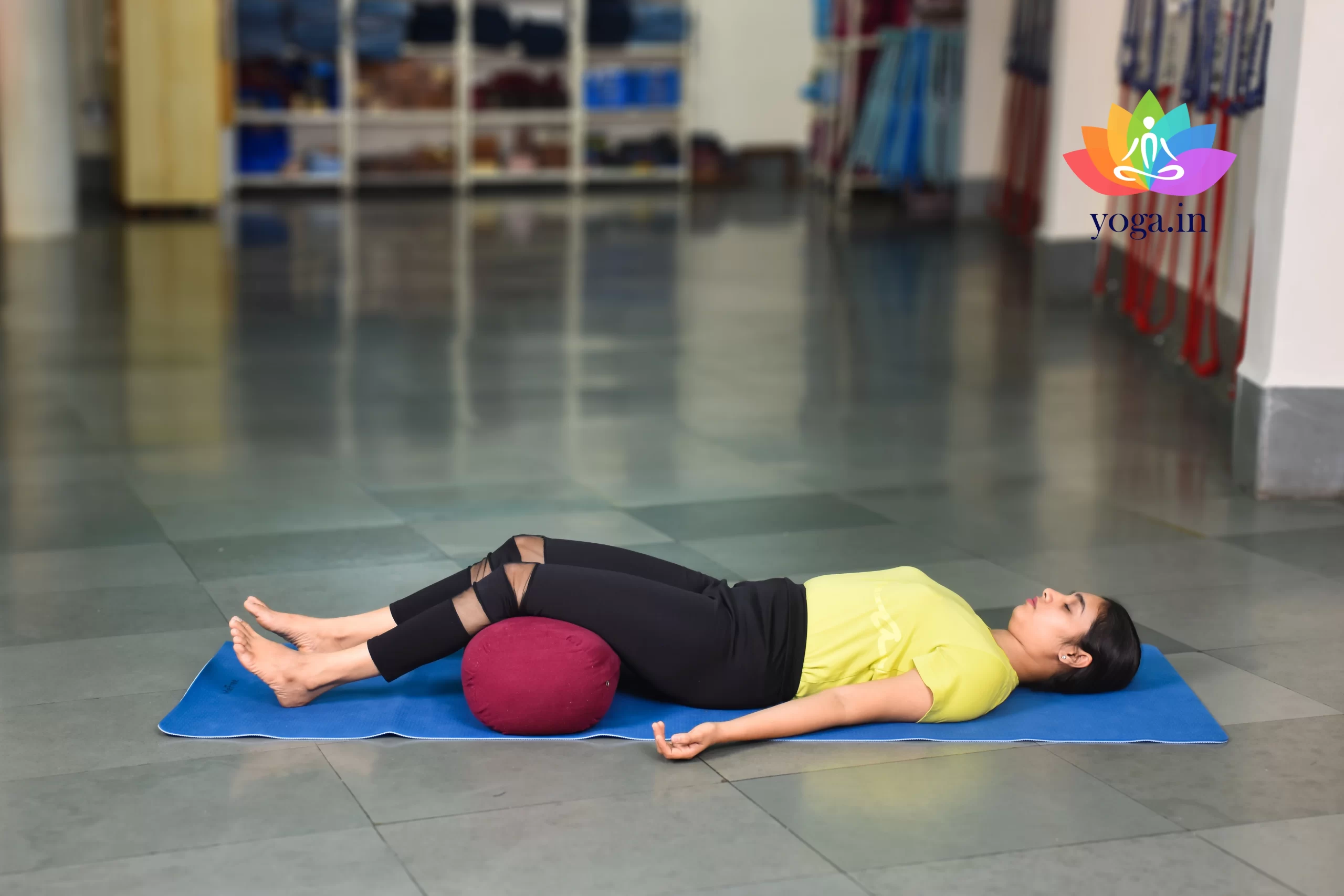
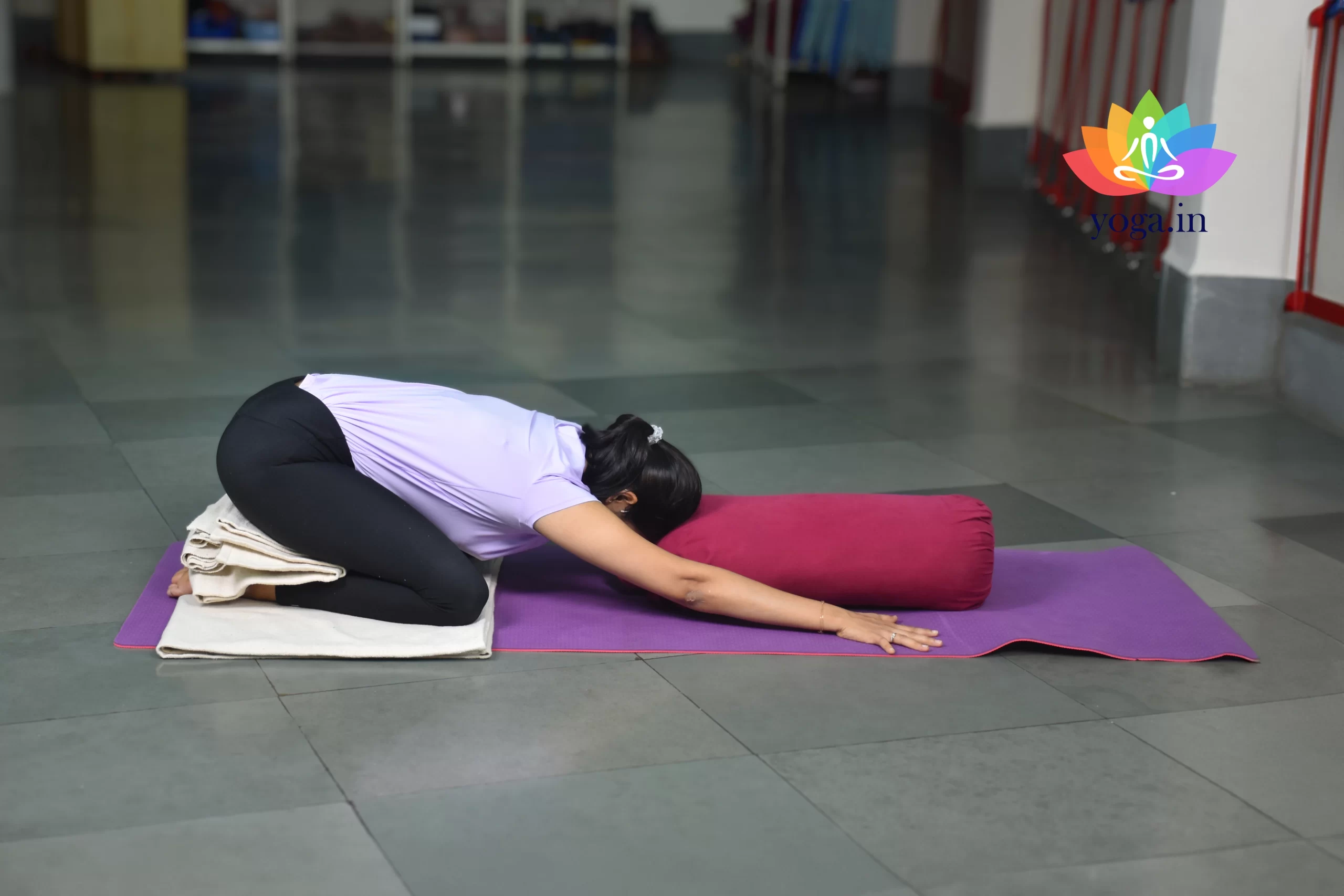
Adho Mukha Virasana for insomnia and sleep disorders: Ccalming pose that helps relieve tension and stress, making it beneficial for those with insomnia or sleep disorders. It promotes relaxation and encourages deeper breathing, which can aid in improving sleep quality.
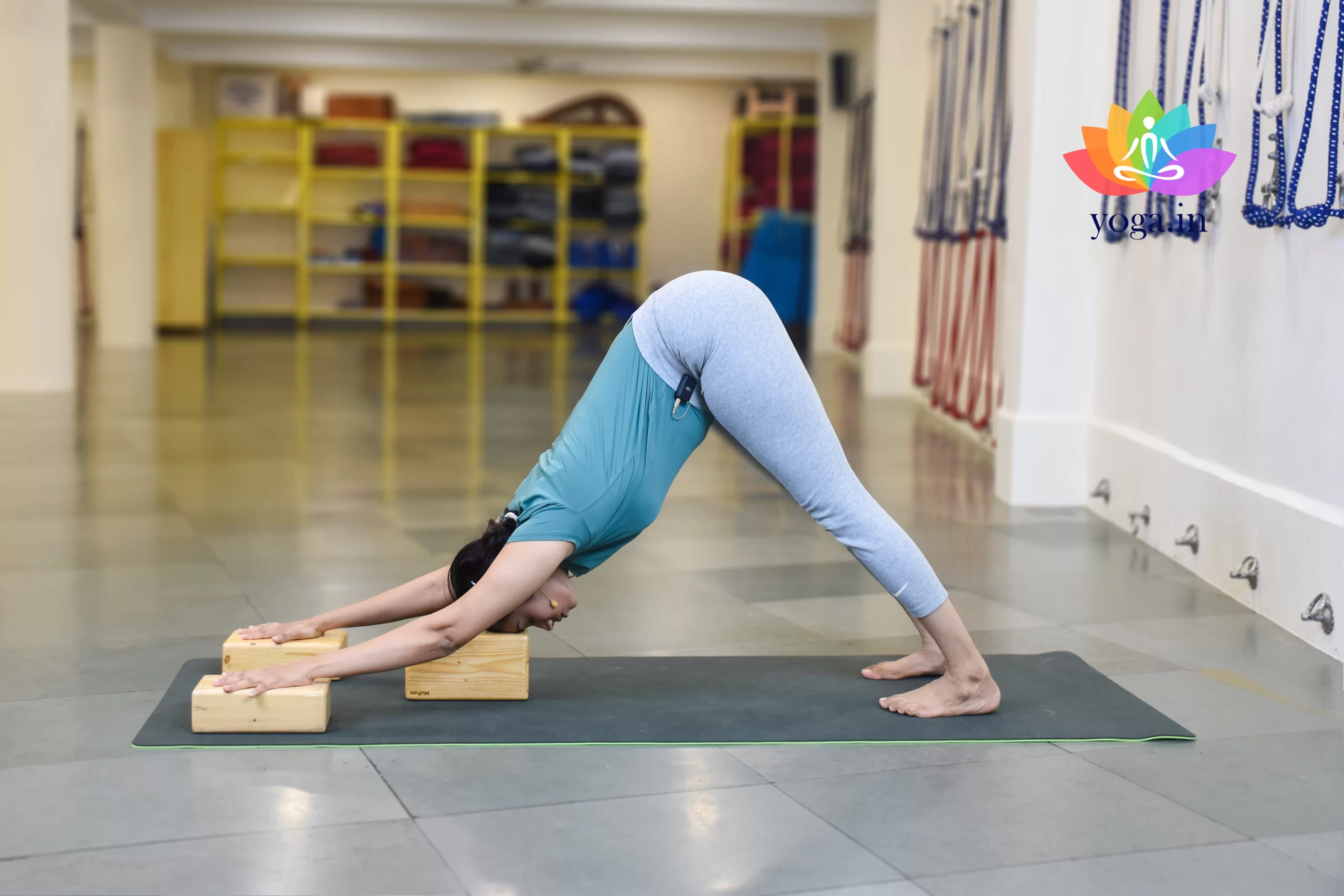
Adhomukha Svanasana for insomnia and sleep disorders: Helps reduce stress and calms the nervous system, which can be beneficial for insomnia and sleep disorders. The pose promotes circulation and relaxation, potentially aiding in better sleep quality.
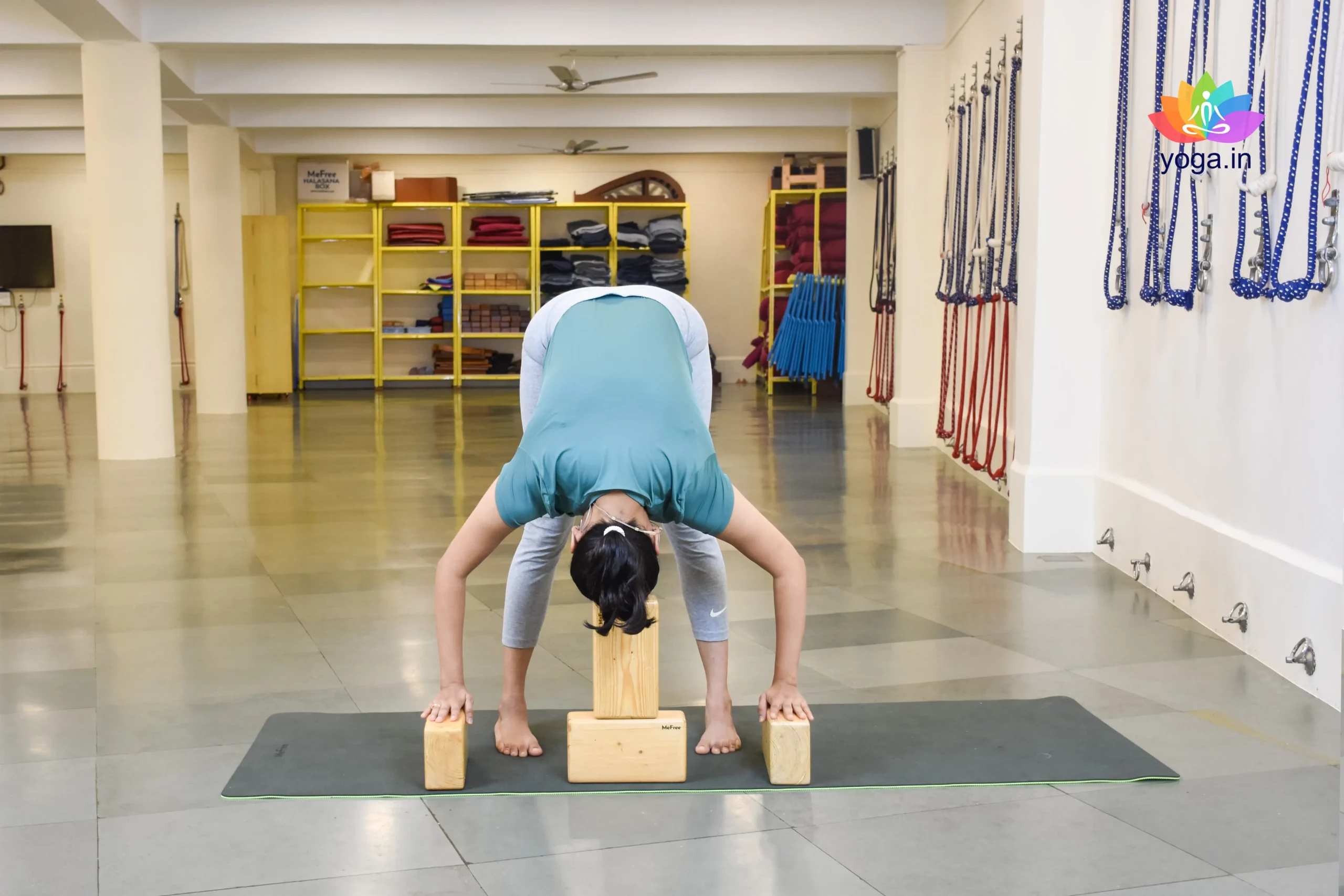
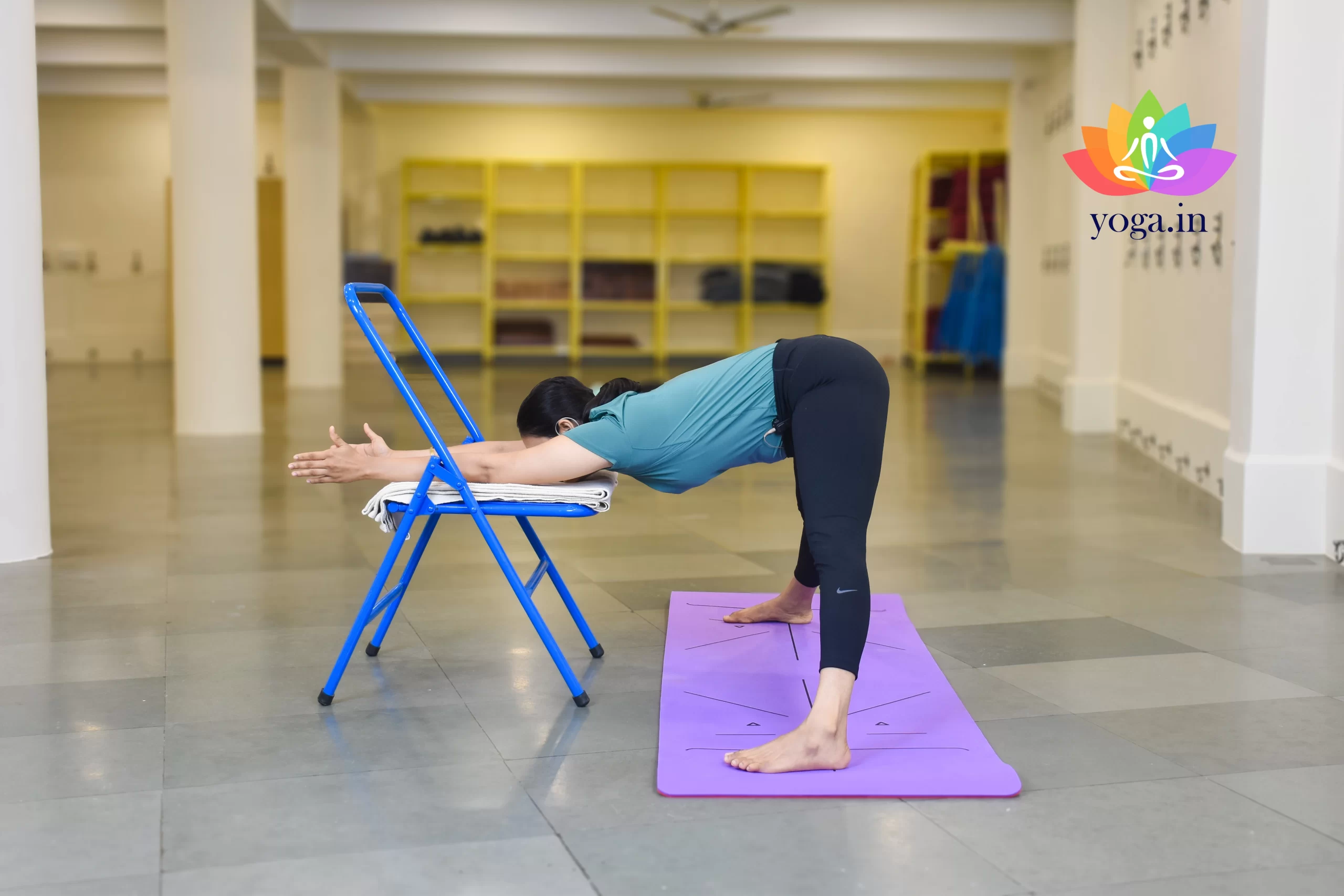
Uttanasana for insomnia and sleep disorders: Helps calm the mind, relieve tension, and reduce stress, making it beneficial for insomnia and sleep disorders. The forward bend encourages relaxation and deep breathing, aiding in better sleep.
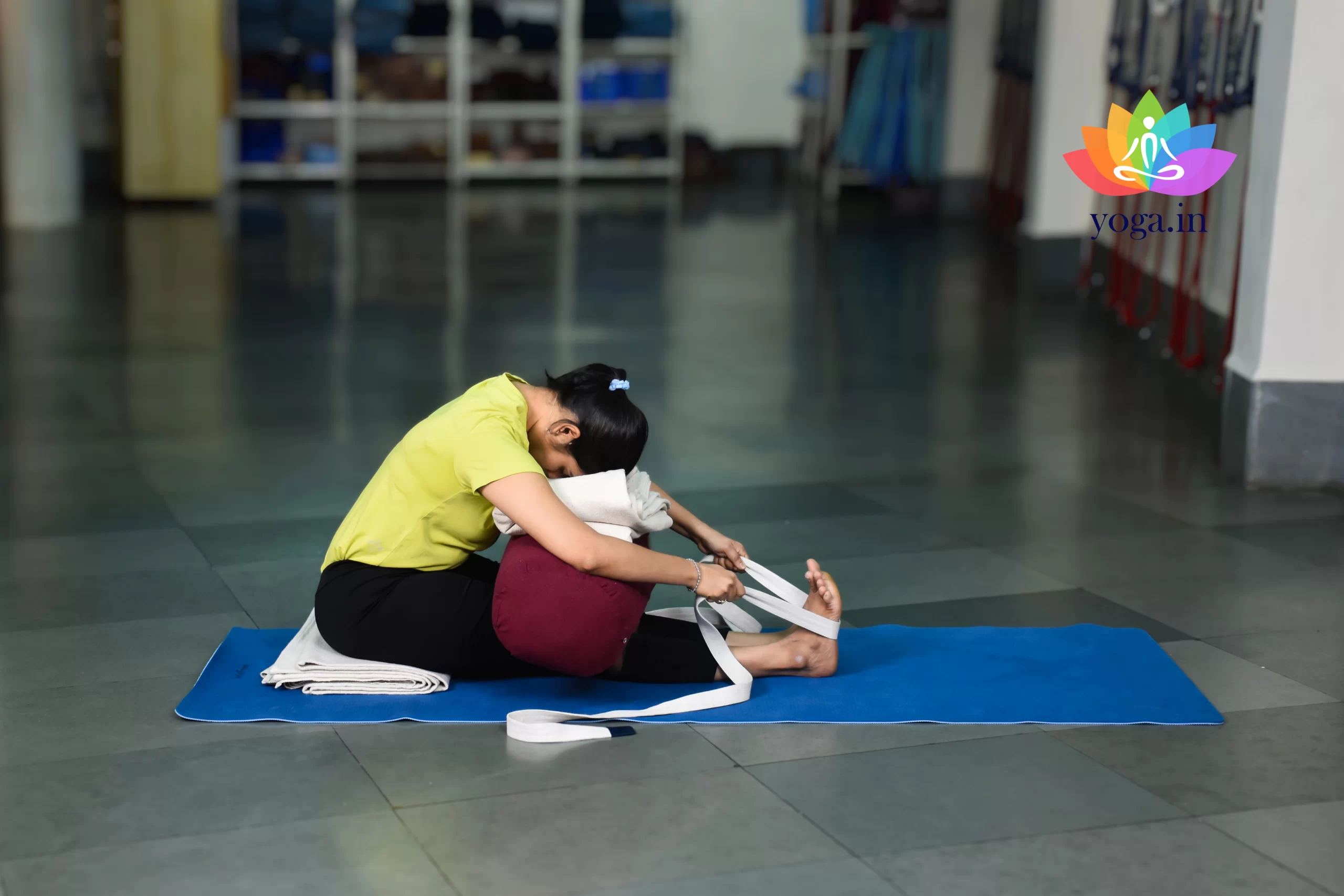
Paschimottanasana for insomnia and sleep disorders: Helps calm the mind, relieve stress, and stretch the back, promoting relaxation. This pose can be beneficial for those with insomnia and sleep disorders by reducing anxiety and encouraging deep, restful breathing.
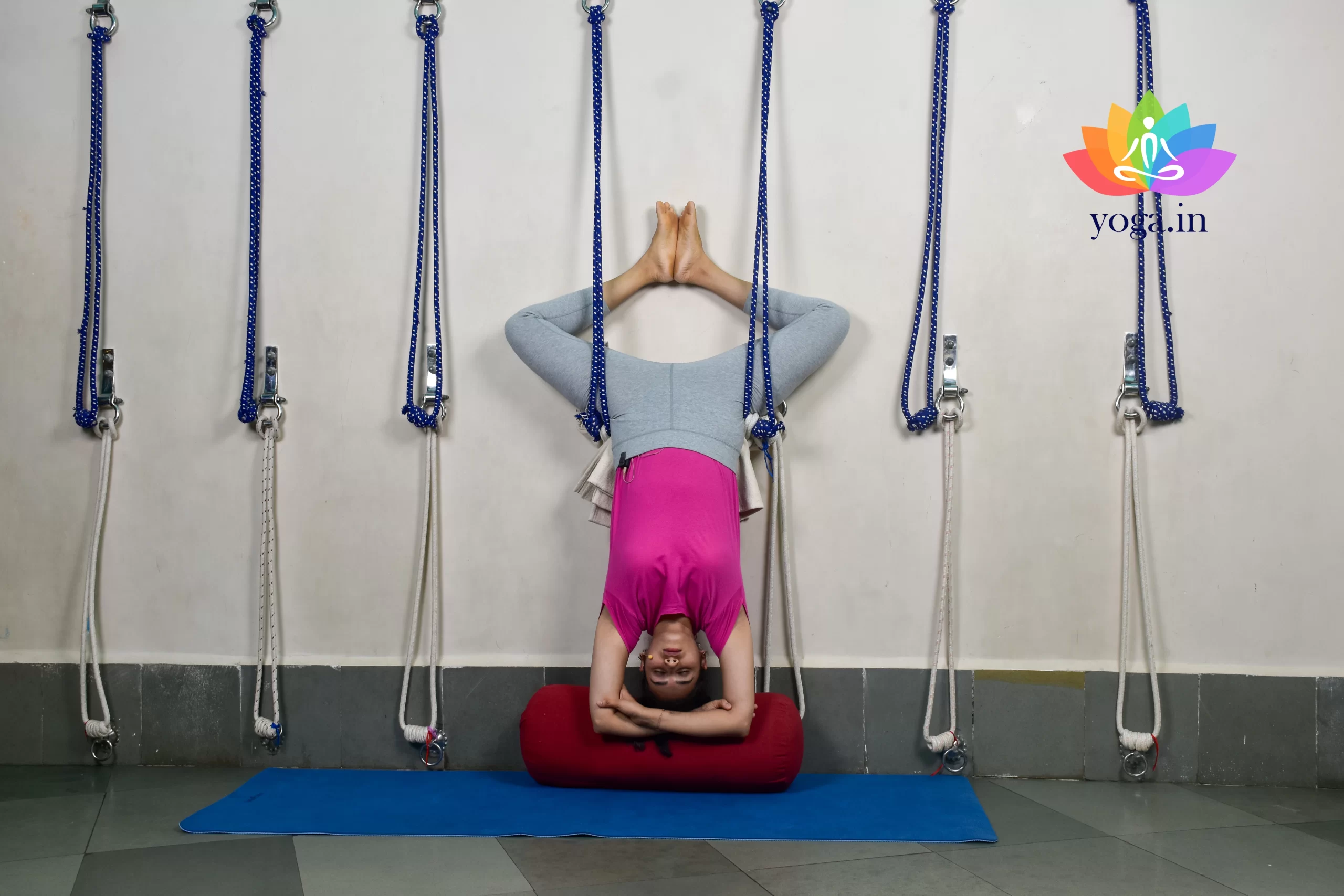
Sirsasana for insomnia and sleep disorders: Help improve blood circulation to the brain and reduce stress, which may aid in alleviating insomnia and sleep disorders. However, it should be practiced carefully, as it may not be suitable for everyone, especially those with neck or back issues.
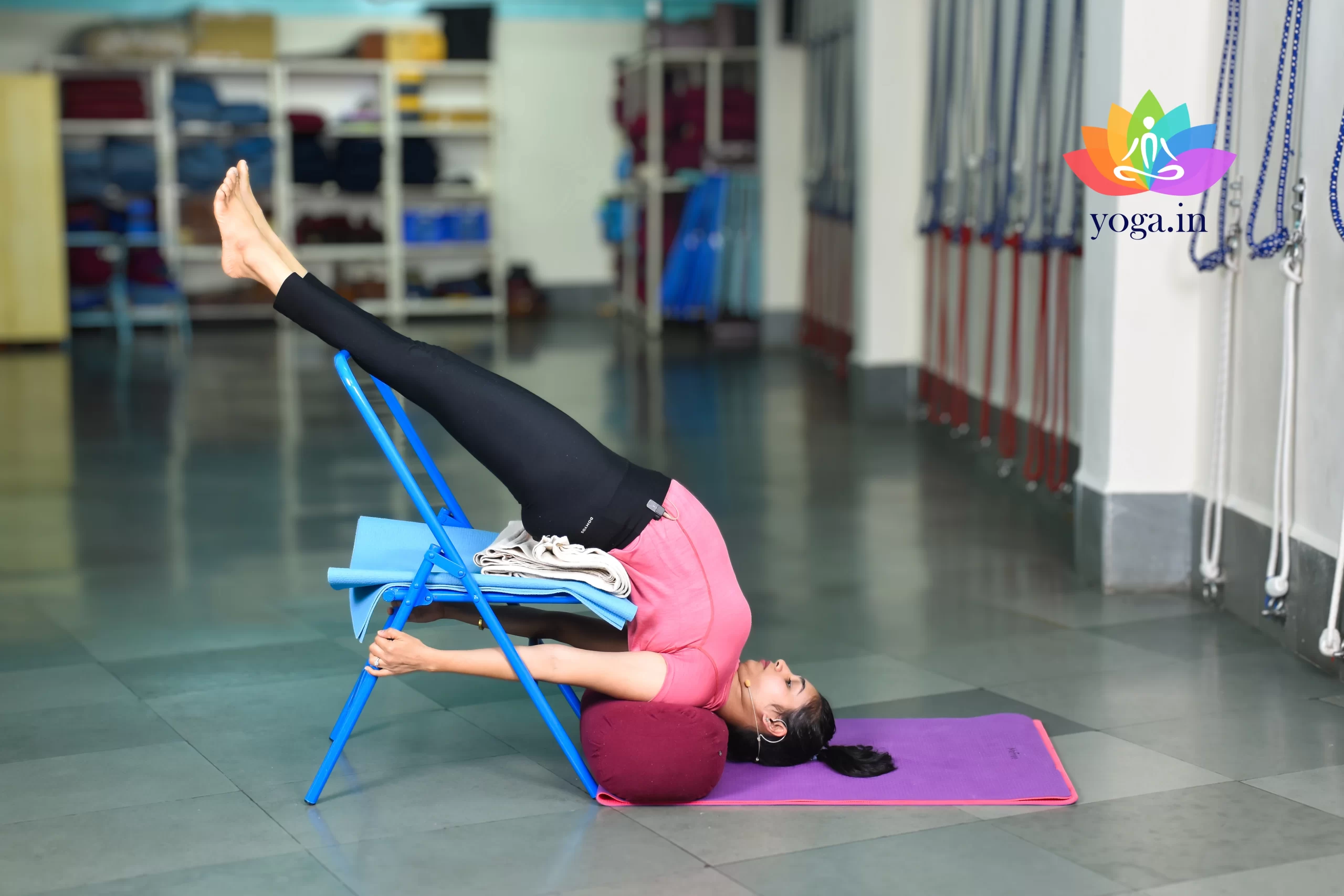
Salamba Sarvangasana for insomnia and sleep disorders: Helps calm the nervous system, reduce stress, and improve circulation, making it beneficial for insomnia and sleep disorders. It promotes relaxation and balance, potentially aiding in better sleep quality. However, it should be practiced carefully to avoid strain on the neck and shoulders.
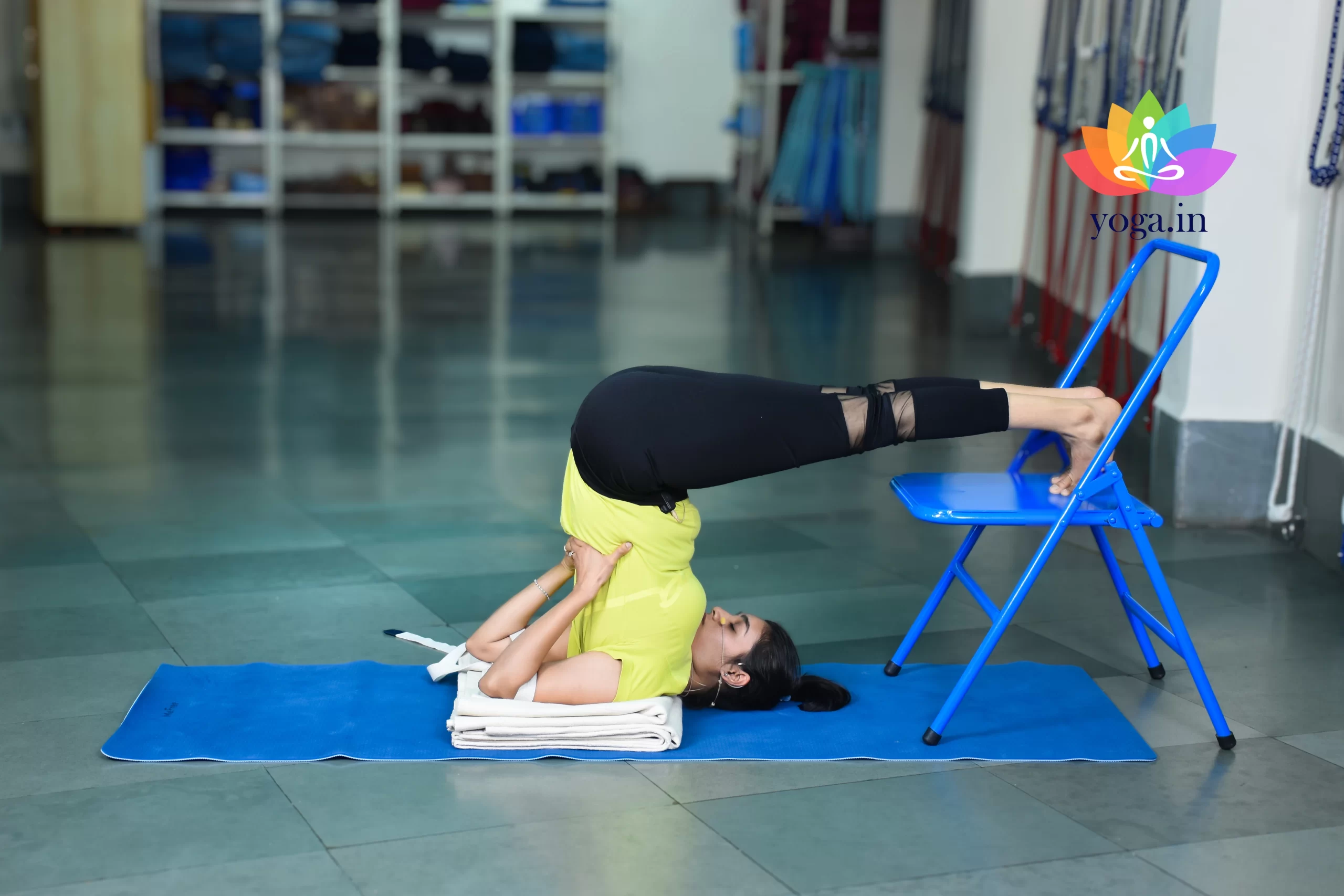
Halasana for insomnia and sleep disorders: Helps alleviate insomnia and sleep disorders by calming the mind, reducing stress, and promoting relaxation through a gentle stretch of the spine and shoulders, aiding in deeper, more restful sleep.
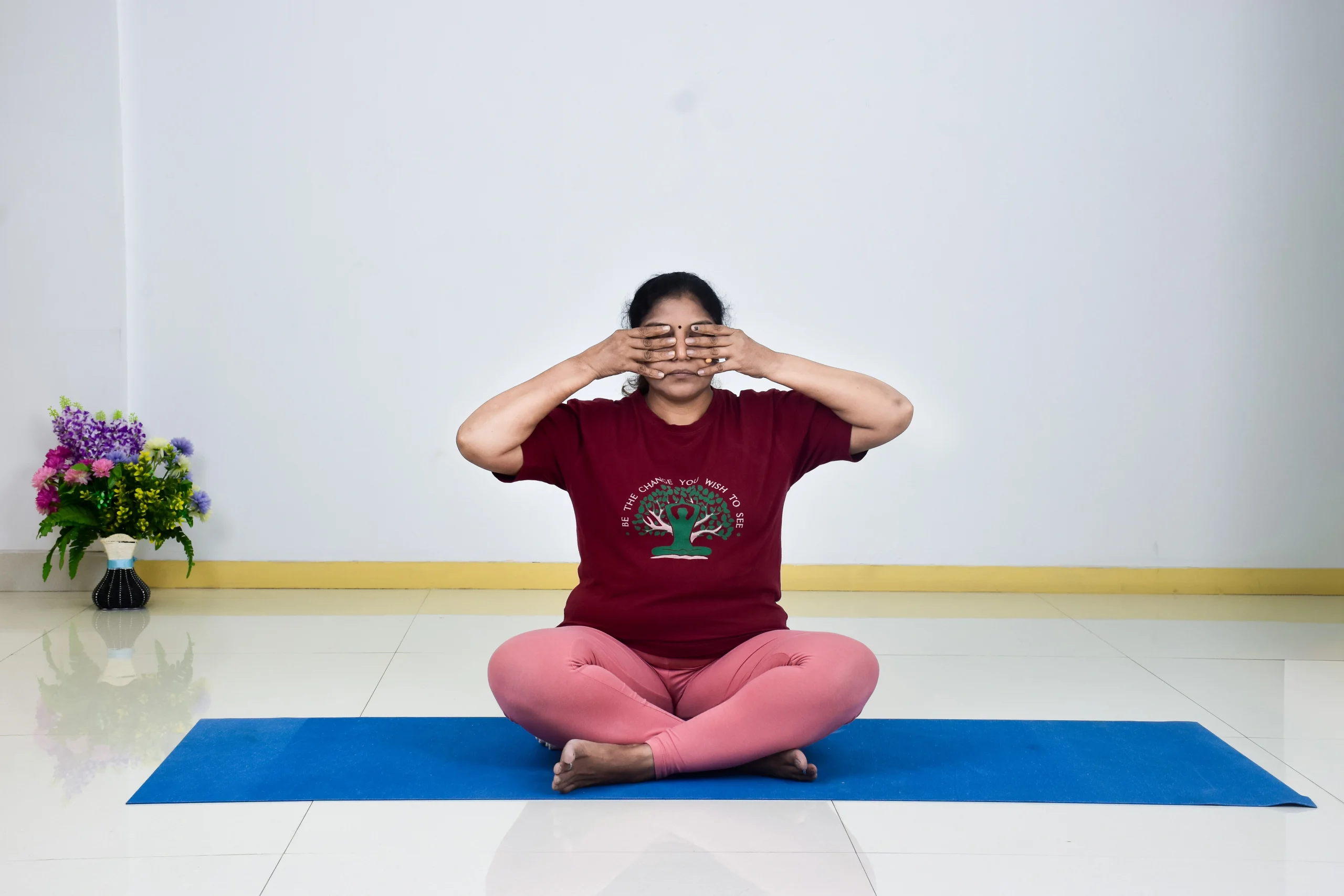
Bhramari Pranayama (Bee Breath): Bhramari Pranayama) calms the mind, eases head and neck tension, and promotes relaxation for a better night’s sleep.
Anulom Vilom Pranayama (Alternate Nostril Breathing): Anulom Vilom Pranayama balances the nervous system for better sleep by reducing stress, increasing oxygenation through improved lung capacity, and promoting mental clarity and relaxation.