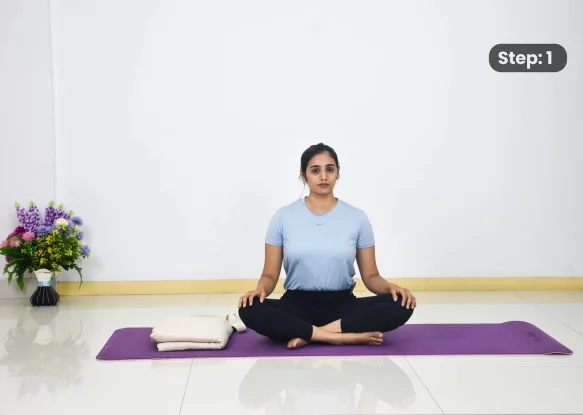
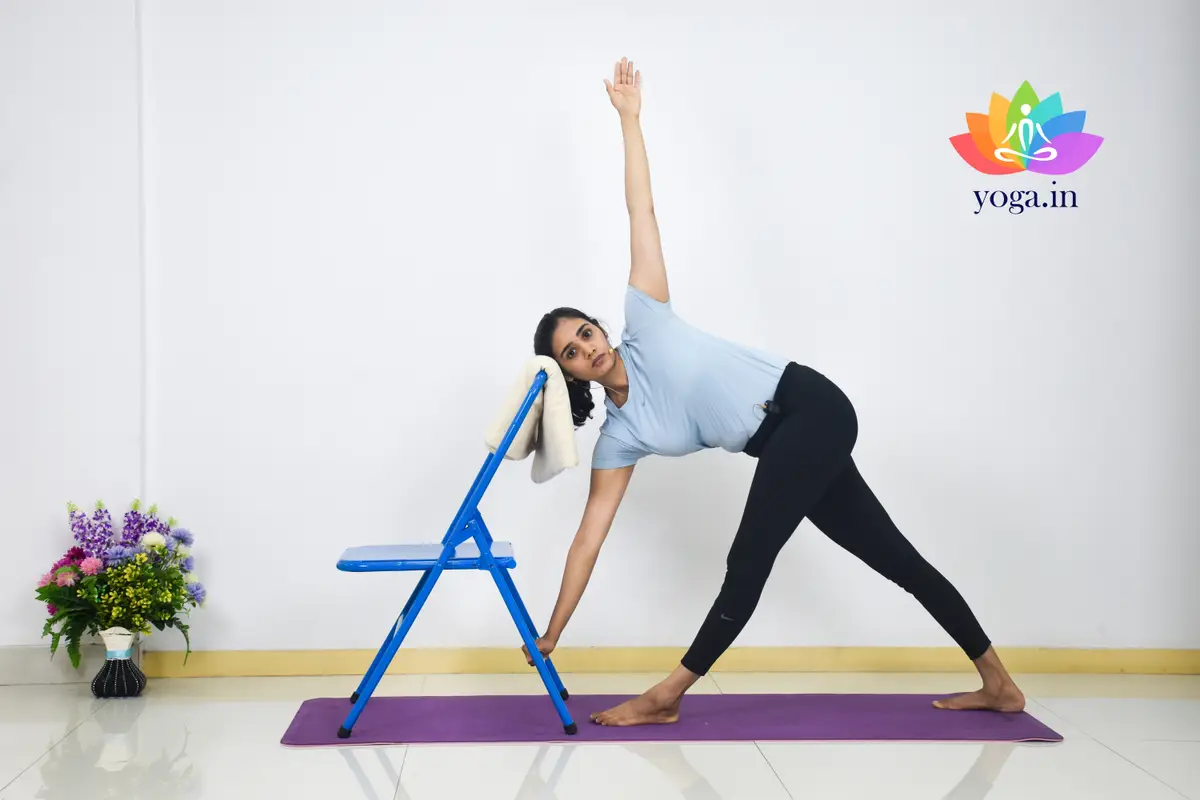
The Sanskrit name is derived from Marichya (मरीच्) meaning ray of light and asana (आसन) meaning posture or seat.
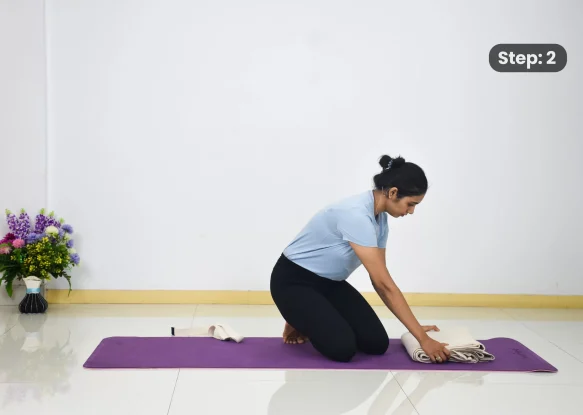
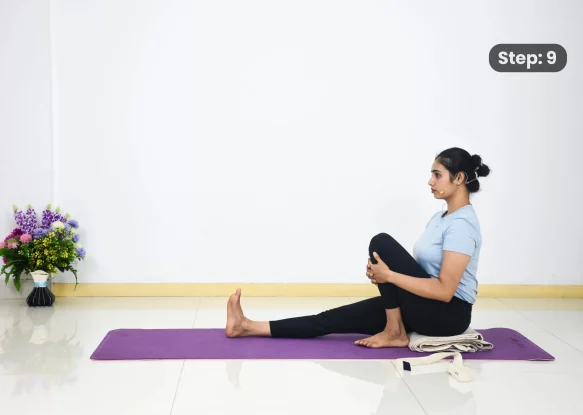
Fold the blanket and place it on your mat to sit on. This will help tilt your pelvis slightly forward and provide support for your sitting bones.
Have the belt within reach.
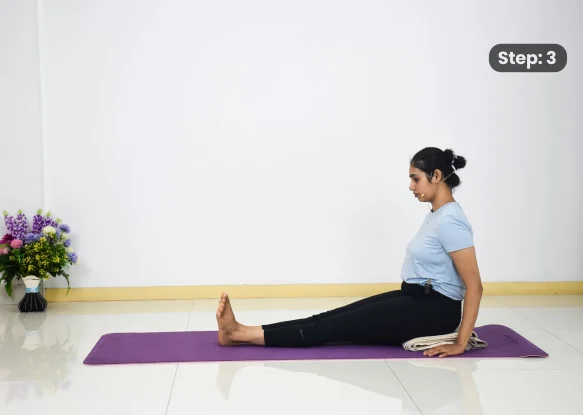
Sit on the blanket in Dandasana (Staff Pose) with your legs extended straight in front of you. Ensure you’re sitting firmly on your sitting bones.
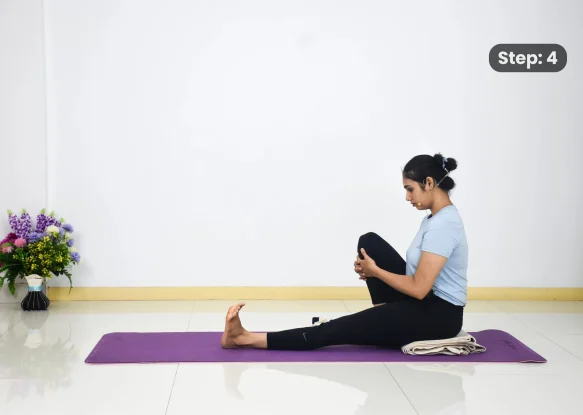
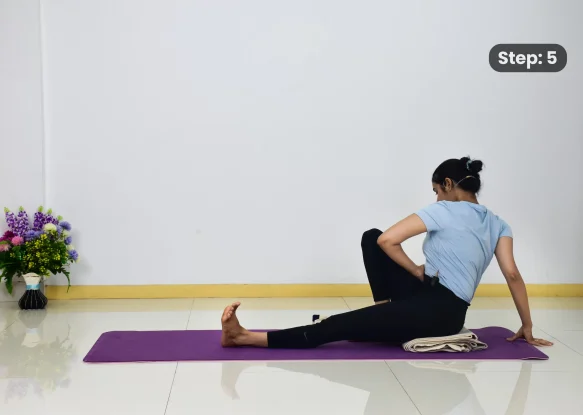
Bend your right knee and place the right foot flat on the floor close to your right sitting bone. The left leg remains extended on the floor.
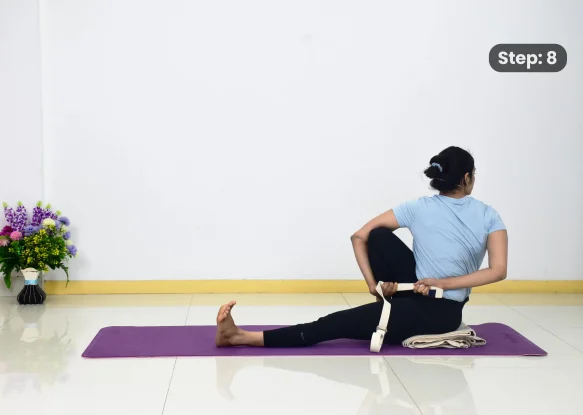
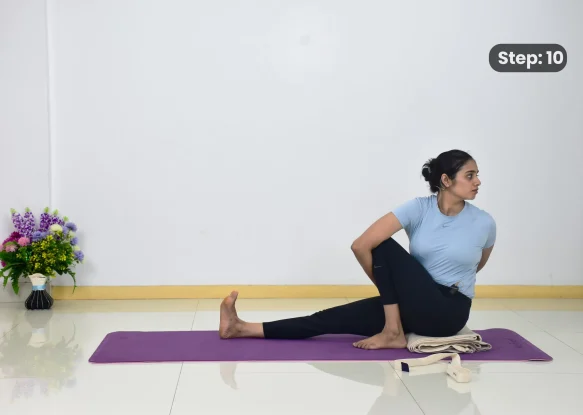
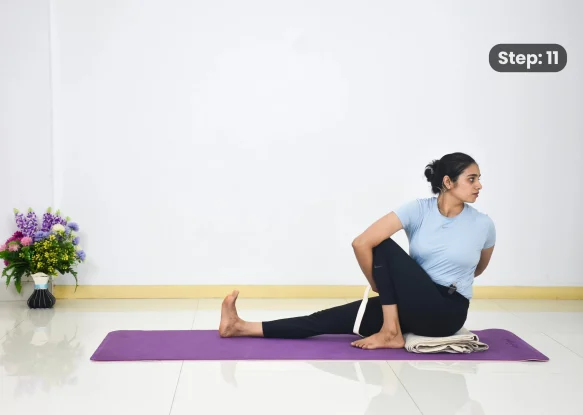
Wrap the belt around your right shin and hold the belt with both hands. This will help you maintain the twist and keep your torso upright.
Inhale to lengthen the spine, creating space between each vertebra.
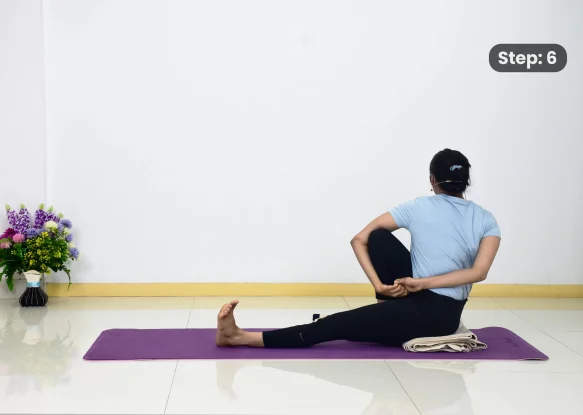
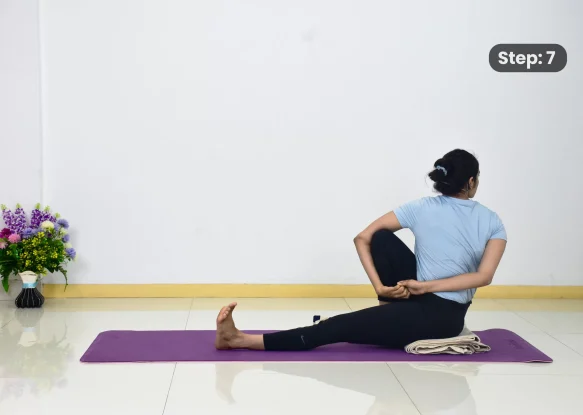
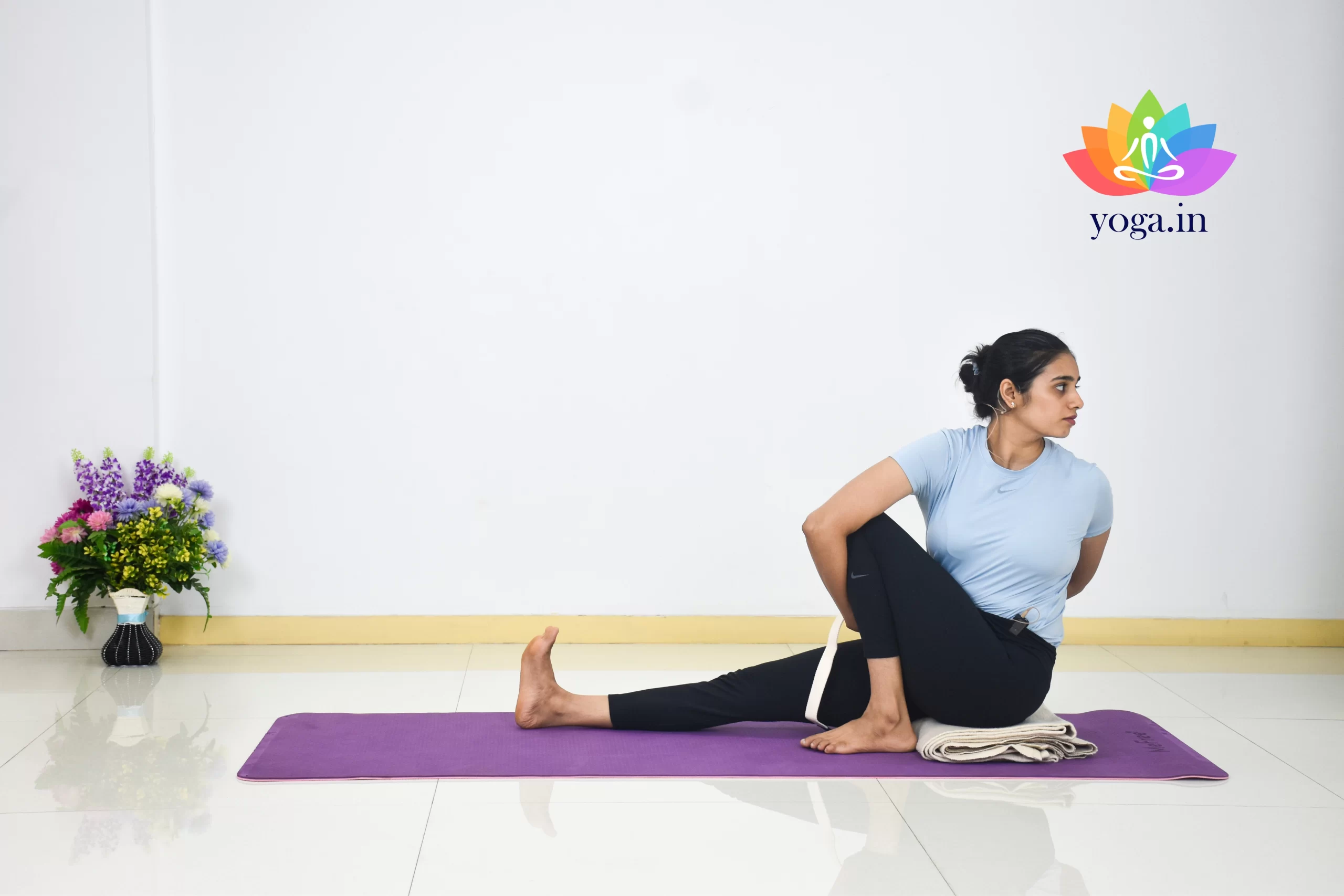
Exhale and twist your torso to the right, using the belt to help deepen the twist. Keep your left leg active and pressing into the floor.
Draw your right shoulder back to deepen the twist without forcing it.
Turn your head gently to look over your right shoulder, aligning your neck with the rest of your spine.
Keep your face and jaw relaxed.
Breathe deeply and evenly throughout the pose. Use each inhale to lengthen the spine and each exhale to deepen the twist.
Stay in the pose for 5-10 deep breaths, focusing on maintaining the twist with each exhale and lengthening the spine with each inhale.
Slowly untwist your torso on an exhale.
Follow the same steps on the other side, reversing the leg positions and twisting to the left.
Slowly untwist your torso and release the legs by extending forward.
The head should follow the natural alignment of the spine.
keep the neck in line with the spine.
Keep your chest open and broad. Avoid collapsing the chest or rounding the shoulders forward.
Don’t allow your torso to roll to the outside, keep it extended forward.
Avoid in case of lower back injury
Avoid during pregnancy
Avoid in case of endometriosis
Avoid in case of fibroids and cysts
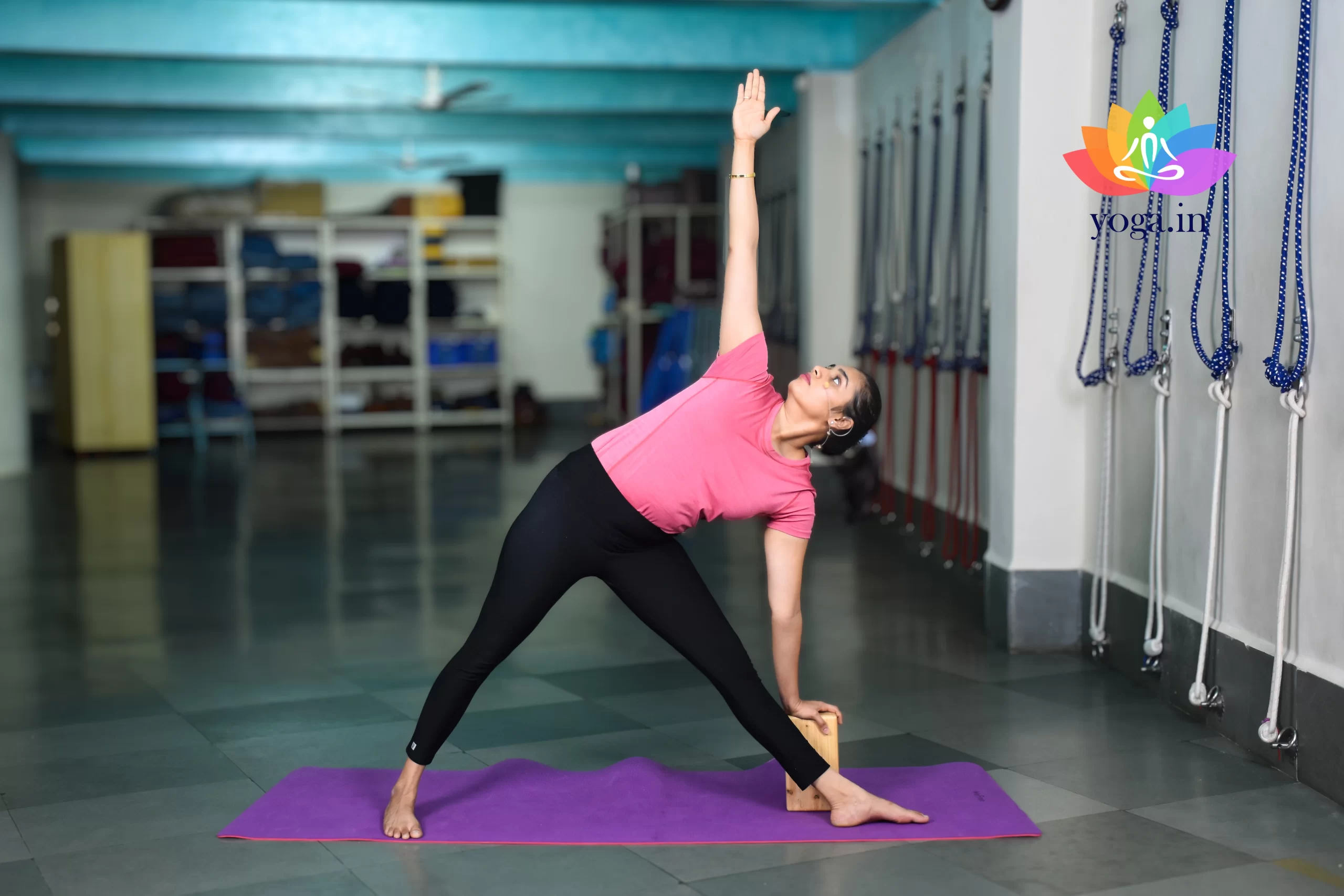
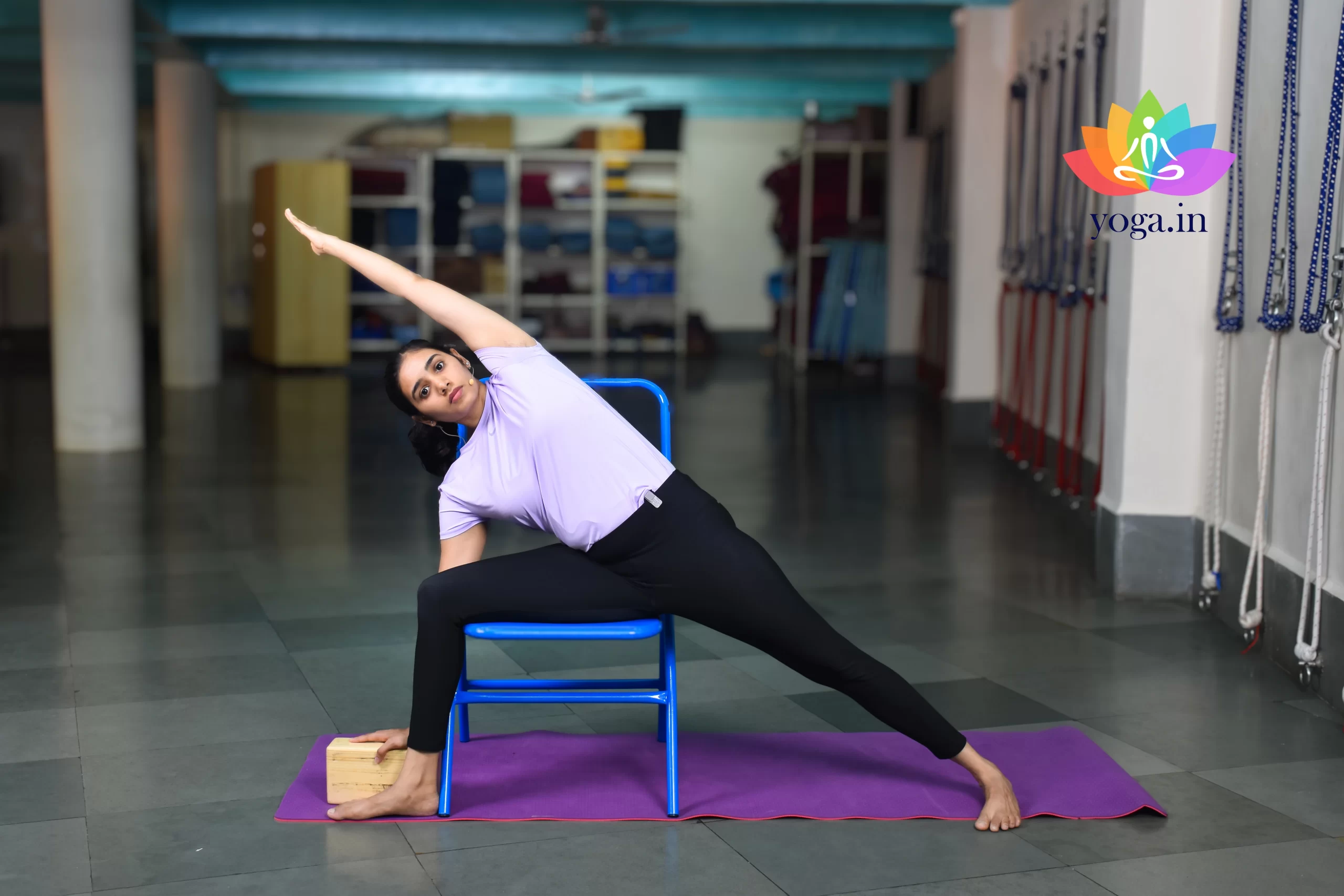
The Sanskrit name comes from the Utthita,
The Sanskrit name is derived from Utthita
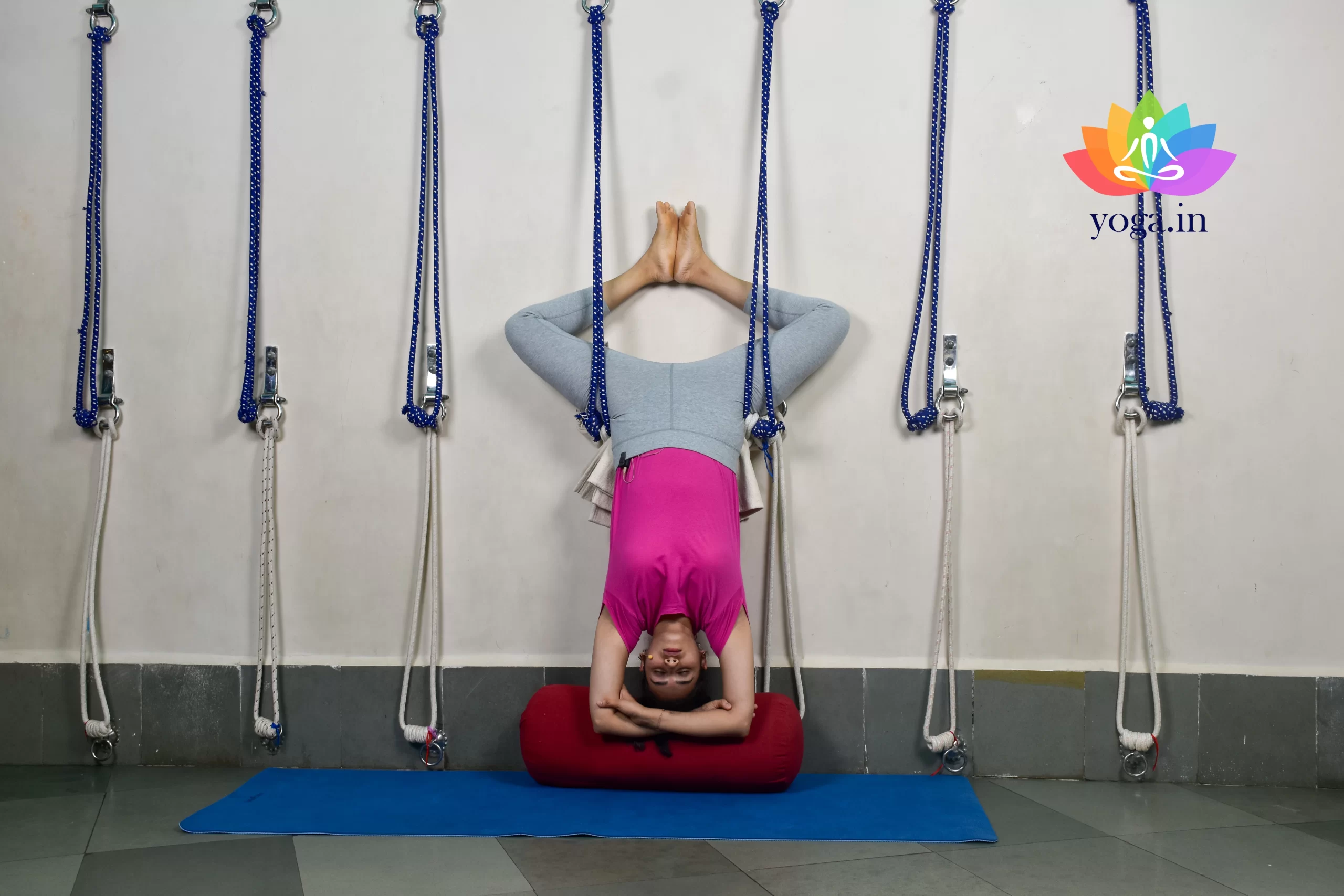
The sanskrit name is derived from sirsa
The sanskrit name is derived from Śava
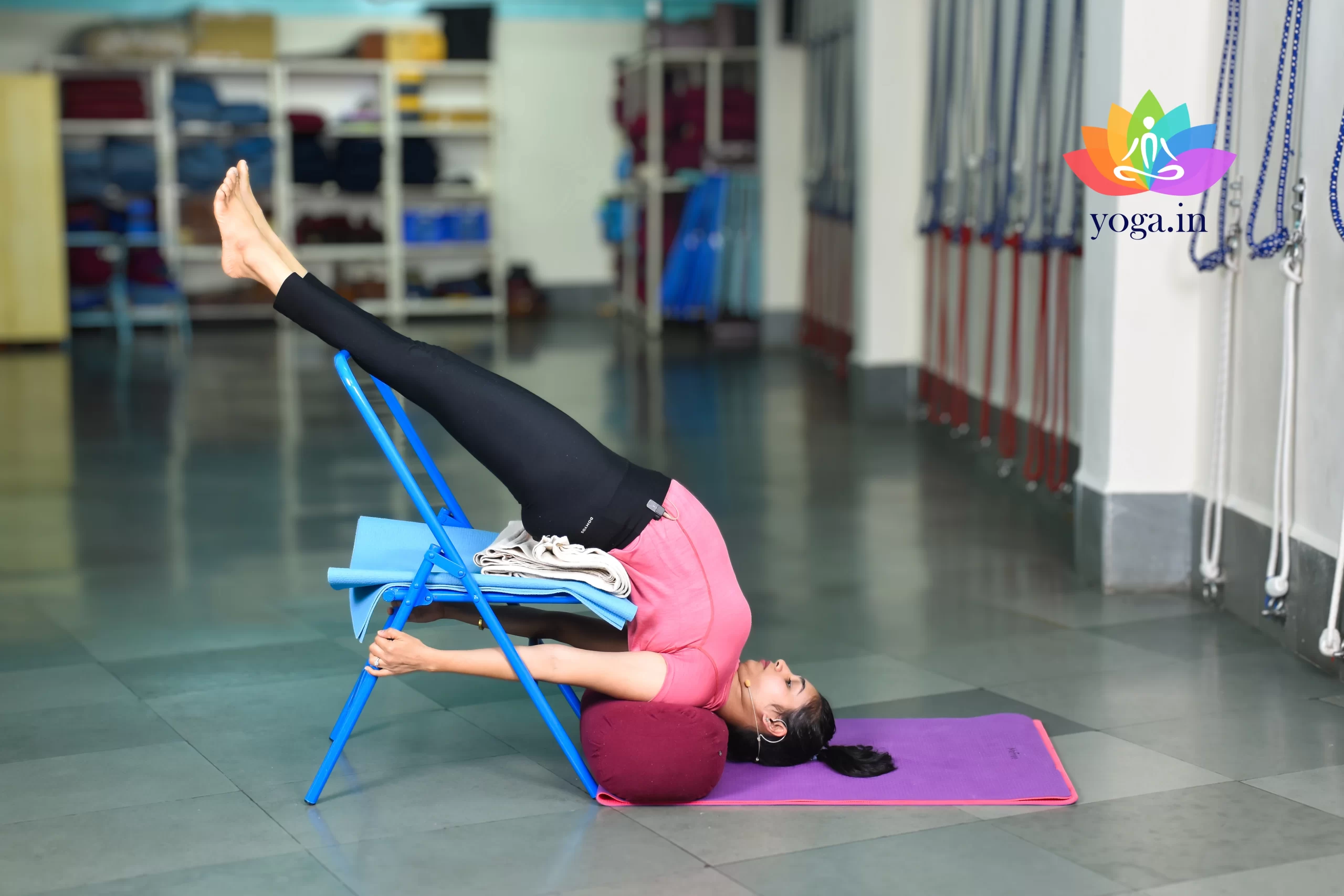
The sanskrit name is derived from Salamba
The name comes from the Sanskrit parivrtta
Please login with social account to support this post.